Dale Earnhardt Jr.
as (archive footage)
Olivia Wilde
Natalia Dyer
as
Olivia Munn
as E! Correspondent (archive footage)
Dale Earnhardt
Talented rookie race-car driver Jimmy Bly has started losing his focus and begins to slip in the race rankings. It's no wonder, with the immense pressure being shoveled on him by his overly ambitious promoter brother as well as Bly's romance with his arch rival's girlfriend Sophia. With much riding on Bly, car owner Carl Henry brings former racing star Joe Tanto on board to help Bly. To drive Bly back to the top of the rankings, Tanto must first deal with the emotional scars left over from a tragic racing accident which nearly took his life.
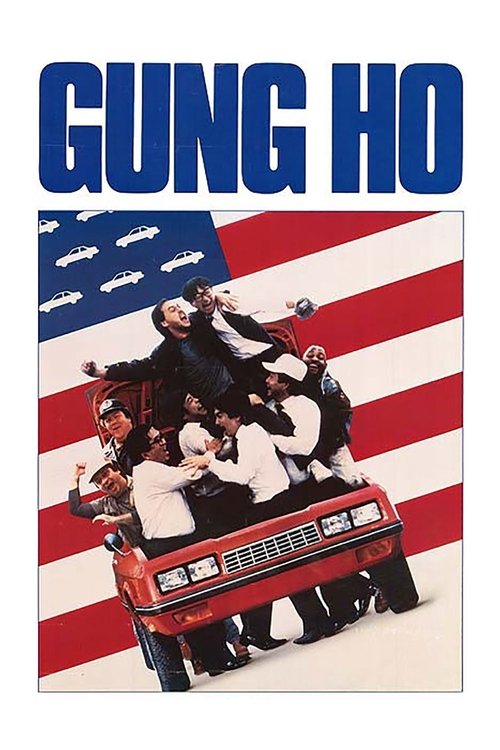
When a western Pennsylvania auto plant is acquired by a Japanese company, brokering auto worker Hunt Stevenson faces the tricky challenge of mediating the assimilation of two clashing corporate cultures. At one end is the Japanese plant manager and the sycophant who is angling for his position. At the other, a number of disgruntled long-time union members struggle with the new exigencies of Japanese quality control.
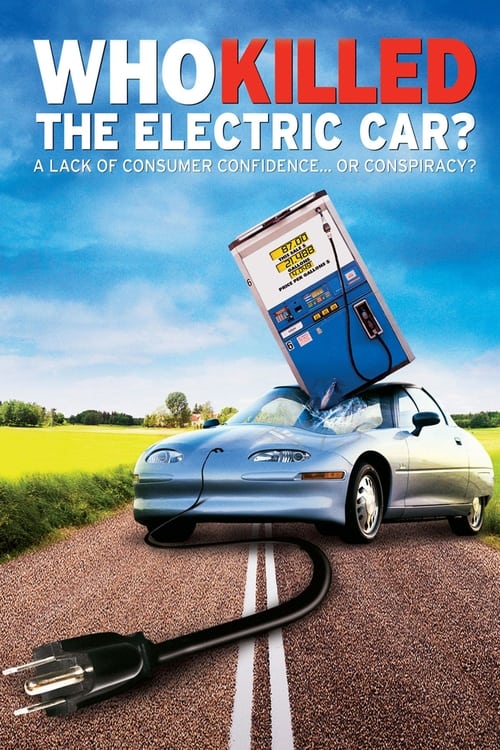
In 1996, electric cars began to appear on roads all over California. They were quiet and fast, produced no exhaust, and ran without gasoline... Ten years later, these cars were destroyed.
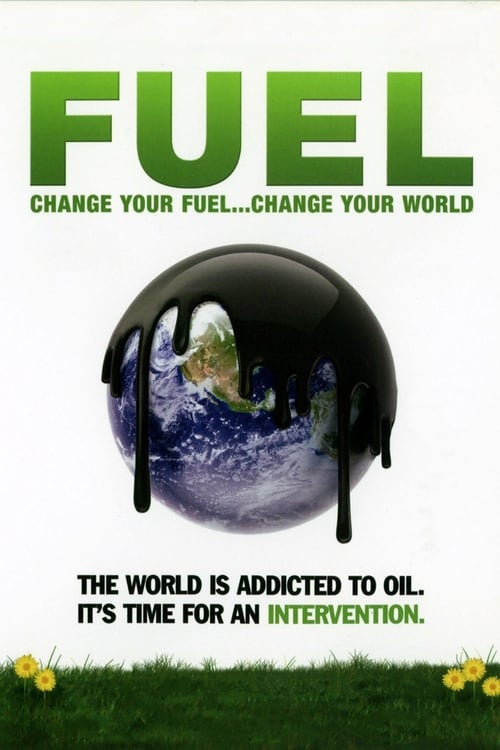
Record high oil prices, global warming, and an insatiable demand for energy: these issues define our generation. The film exposes shocking connections between the auto industry, the oil industry, and the government, while exploring alternative energies such as solar, wind, electricity, and non-food-based biofuels.
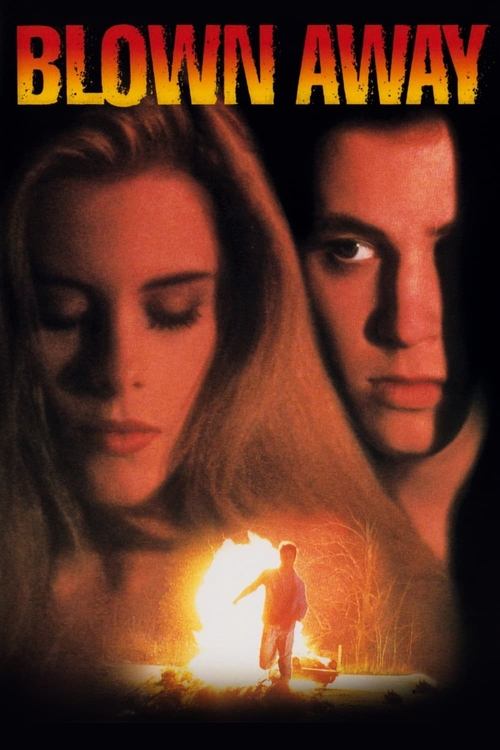
After her mother is killed by a car bomb, a 17-year-old girl lives a reckless and decadent lifestyle. She begins having sex with a boy who works at a local ski resort. He falls in love, and she tells him of her suspicions that her strict father was responsible for her mother's death and wants him to help her out of her situation. He must decide whether she's telling the truth or using him to her own ends.
Belgrade, Yugoslavia, 1979; a mysterious "Phantom" occupies the attention and hearts of Belgrade. Every night, he exhibits spectacular driving maneuvers using a stolen white Porsche car through the city streets.
Since World War II, Porsche has manufactured cars that have disrupted the automobile industry, like the 911.
The relationship between the city and a car, through a dialogue where a common reality and "making a city" are disputed and revealed.
Targeted for several failed redevelopment plans dating back to the days of Robert Moses, Willets Point, a gritty area in New York City known as the “Iron Triangle,” is the home of hundreds of immigrant-run, auto repair shops that thrive despite a lack of municipal infrastructure support. During the last year of the Bloomberg Administration, NYC’s government advanced plans for a “dynamic” high-end entertainment district that would completely wipe out this historic industrial core. The year is 2013, and the workers of Willets Point are racing against the clock to forestall their impending eviction. Their story launches an investigation into New York City’s history as the front line of deindustrialization, urban renewal, and gentrification.
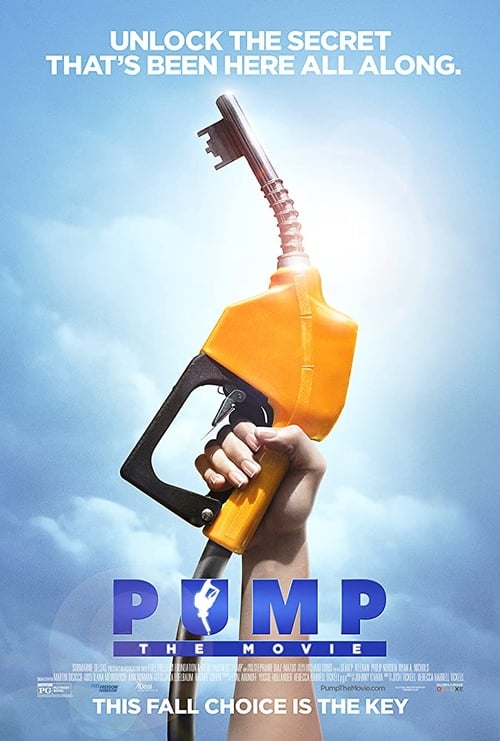
PUMP is a documentary that tells the story of America’s addiction to oil, from its corporate conspiracy beginnings to its current monopoly today, and explains clearly and simply how we can end it — and finally win choice at the pump. Today, oil is our only option for transportation-fuel at the pump. Our exclusive use of it has drained our wallets, increased air pollution and sent our sons and daughters to war in faraway lands. PUMP shows how, through the use of a variety of replacement fuels, we will be able to fill up our cars — cheaper, cleaner and American made — and in the process create more jobs for a stronger, healthier economy. Narrated by Jason Bateman and featuring notable experts such as John Hofmeister former President of Shell Oil, and Elon Musk, the CEO of Tesla Motors, PUMP will forever change the way you think about your car — and the fuel that powers it.
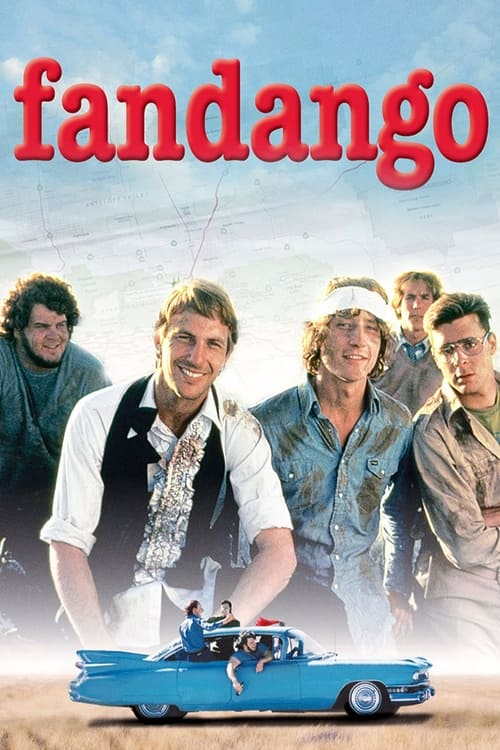
In 1971, five college buddies from the University of Texas embark on a final road trip odyssey across the Mexican border before facing up to uncertain futures, in Vietnam and otherwise.
The film investigates an industry considered one of the pillars of growth during Kirchnerism in which, during these years, relations and conflicts were drawn between the manufacturers - foreign in its entirety -, the auto parts companies, the Argentine government, the Brazilian one, the union leaderships. -centrally from SMATA-, the workers and the left. The documentary delves into the interests that intersect and the confrontations that originate between the different actors in the chain, which became clear in recent times when the industry, which aspired to reach one million cars manufactured per year, began to regress. The different actors of the "Journey to the Center of Production" are intertwined in the conflict of the auto parts company Gestamp, which opened a dispute regarding who pays for the crisis in the sector and what solutions are seen in that dispute.
A study of the automobile and its pervasive effect on the history of North America. Focusing on the Ford dynasty, from the original Henry car through to Henry II, the film demonstrates how society has adapted to fit the needs of the automobile.
Mike loves his fast cars and his hot women. When he fancies the girlfriend of the local street racing king, Fox, he gets way in over his head in racing for his girl, his money and his life. Through racing, sex, nightclubs and small road trips the film depicts what it was like to be a teenager in Australia in the 1980's.
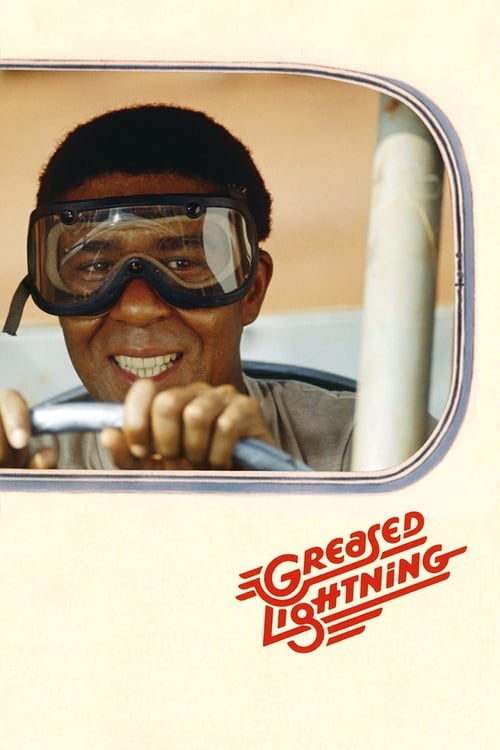
The true life story of Wendell Scott, the first black stock car racing driver to win an upper-tier NASCAR race.
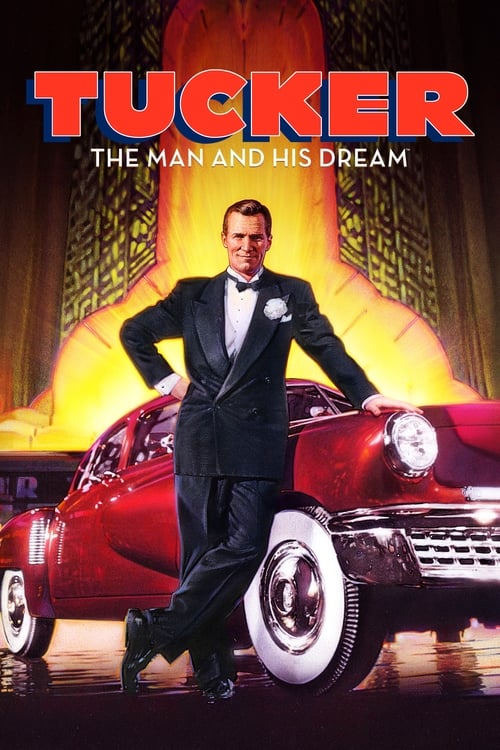
Ypsilanti, Michigan, 1945. Engineer Preston Tucker dreams of designing the car of future, but his innovative envision will be repeatedly sabotaged by his own unrealistic expectations and the Detroit automobile industry tycoons.