Lieutenant Colonel John Stevens served in both World War II and the Korean War. During the Korean War, he received a Bronze Star for leading his company in one of that war's harshest battles.
John Stevens
as John Stevens
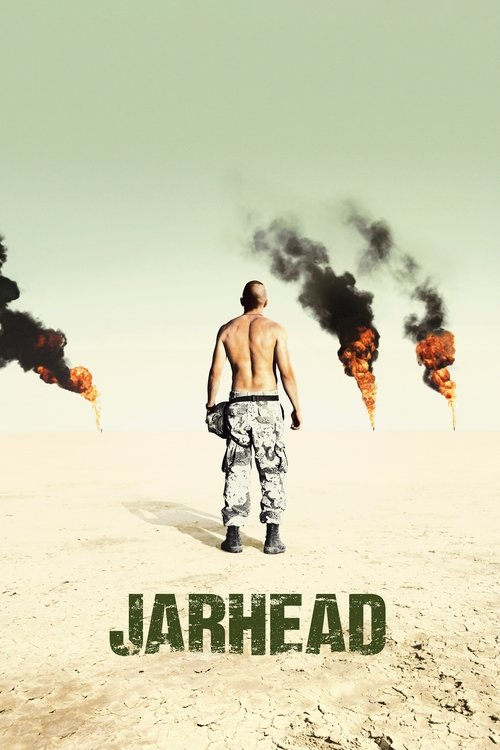
Jarhead is a film about a US Marine Anthony Swofford’s experience in the Gulf War. After putting up with an arduous boot camp, Swofford and his unit are sent to the Persian Gulf where they are eager to fight, but are forced to stay back from the action. Swofford struggles with the possibility of his girlfriend cheating on him, and as his mental state deteriorates, his desire to kill increases.
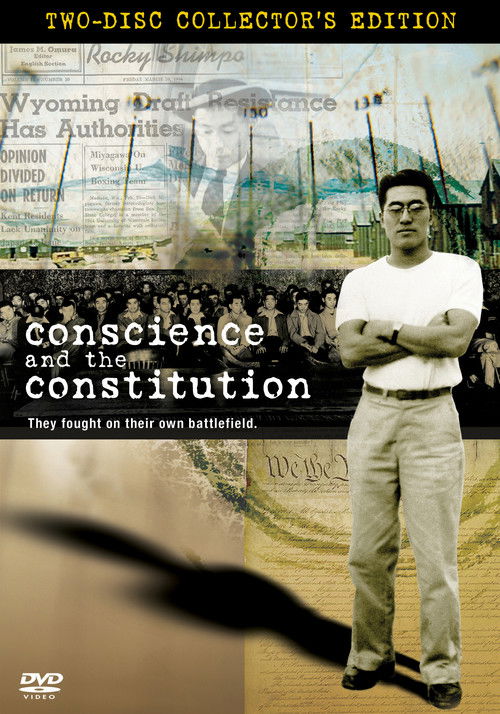
Americans refused to be drafted from the concentration camp at Heart Mountain, Wyoming. Ready to fight, but not before their rights as U.S. citizens were restored and families released.
Tony Robinson’s VE Day: Minute By Minute will take a unique look at a pivotal day in the history of the modern world, delving into the key events that made VE Day such a momentous twenty-four hours. This is the story of what happened on that most celebrated and important day, including original interviews with historians and veterans who tell their stories and share their first-hand experiences. Using unseen archive footage and stills, plus never told accounts from veterans who were there, this one-off special will chart the moment the clock struck midnight, to 24 hours later, when fighting officially stopped across Europe. Up and down the country it was dawning on people that they were waking up not with fear or anxiety, but with relief and excitement. This was a Great Britain no one had experienced for six years. A Britain at peace. At almost no notice street celebrations were being prepared and tens of thousands were flocking to London and other city centres.
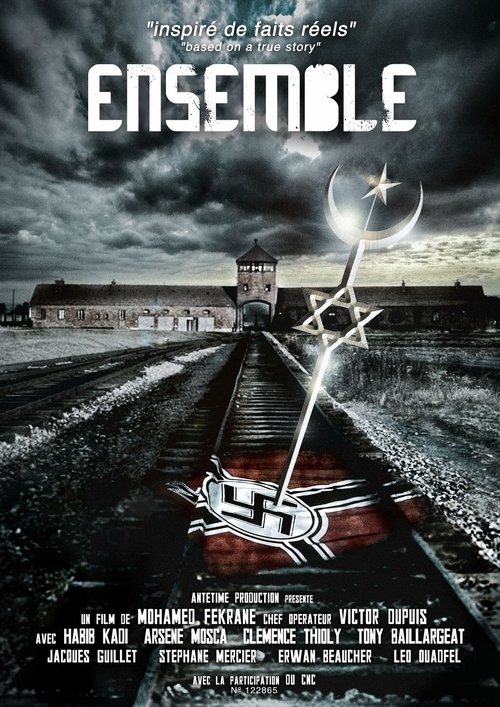
In Paris in full German occupation in 1942, a Jewish child Isaac escapes a raid organized by the SS. He then took refuge in the Great Mosque of Paris. The imam decides to protect him by passing him off as a Muslim, as well as the other Jewish children that he manages to free with the help of the resistance networks. The French militia and the Gestapo have suspicions... This fiction film is based on the true story of the rector of the Paris mosque, Si Kaddour Benghabrit, who saved several Jews from deportation during the Second World War.
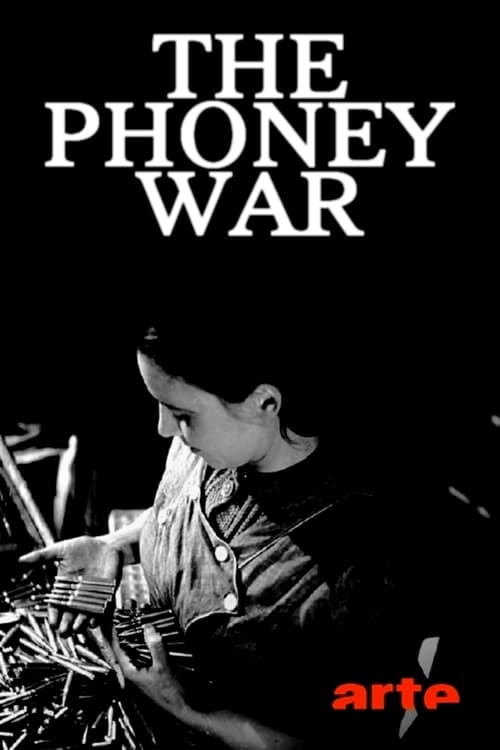
September 3rd, 1939. Britain and France declare war on Nazi Germany, only two days after the Wehrmacht invades Poland. This day, the sad date when the fate of the world changed forever, the Phoney War began: eight months of uncertainty, preparations, evacuations and skirmishes.
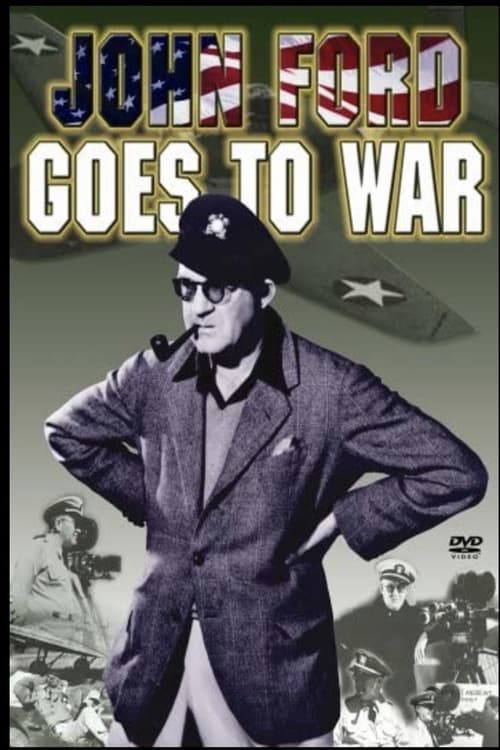
When World War II broke out, John Ford, in his forties, commissioned in the Naval Reserve, was put in charge of the Field Photographic Unit by Bill Donavan, director of the soon-to-be-OSS. During the war, Field Photo made at least 87 documentaries, many with Ford's signature attention to heroism and loss, and many from the point of view of the fighting soldier and sailor. Talking heads discuss Ford's life and personality, the ways that the war gave him fulfillment, and the ways that his war films embodied the same values and conflicts that his Hollywood films did. Among the films profiled are "Battle of Midway," "Torpedo Squadron," "Sexual Hygiene," and "December 7."
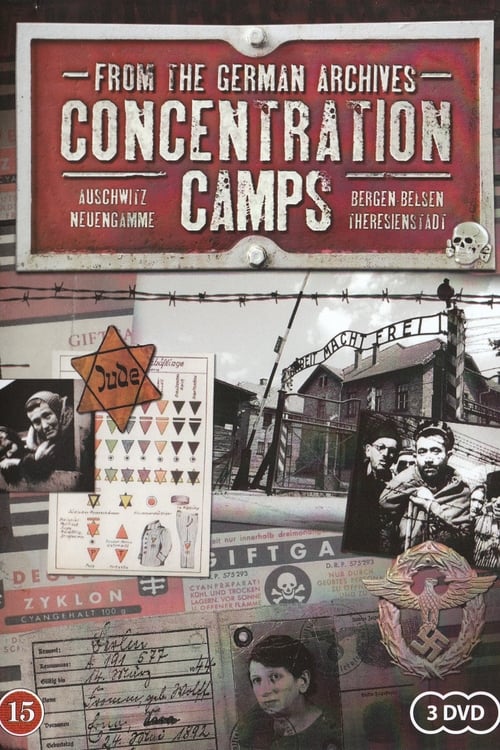
This chilling, vitally important documentary was produced to mark the 40th anniversary of the liberation of Auschwitz Concentration Camp. The film contains unedited, previously unavailable film footage of Auschwitz shot by the Soviet military forces between January 27 and February 28, 1945 and includes an interview with Alexander Voronsov, the cameraman who shot the footage. The horrifying images include: survivors; camp visit by Soviet investigation commission; criminal experiments; forced laborers; evacuation of ill and weak prisoners with the aid of Russian and Polish volunteers; aerial photos of the IG Farben Works in Monowitz; and pictures of local people cleaning up the camp under Soviet supervision. - Written by National Center for Jewish Film
Recounts the so-called 'Battle of Inchon', an episode at the end of World War II during the amphibious invasion of Korea, resulting in a decisive victory and a strategic reversal in favor of the Allied forces.
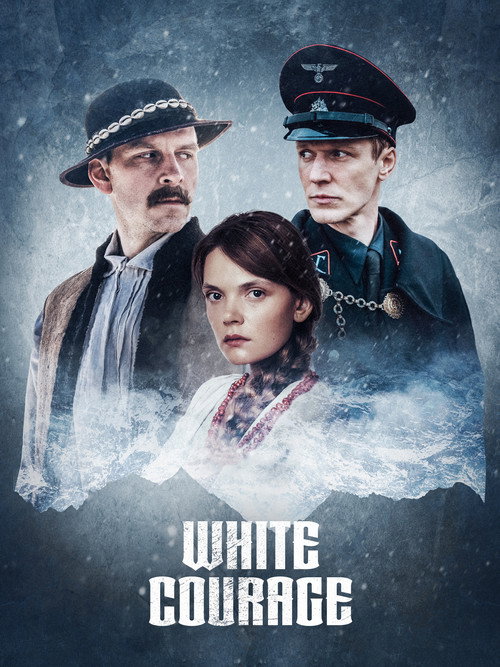
The film tells the story of two Highlander brothers – Maciek and Andrzej. After the death of their father, which Andrzej contributed to, and the loss of his beloved Bronka, Andrzej leaves the family home. On his way, he meets the mysterious Wolfram, an anthropologist and climber. He shares with him his mountaineering technique and knowledge about the Prague origins of the highlanders. Andrzej returns to Zakopane, war breaks out. To protect the Highlanders from wartime destruction, he wants to persuade them to cooperate with the Germans. Andrzej and Maciek are standing on opposite sides of the barricade. The brothers' confrontation is bloody and painful.
During the Nazi occupation of Poland, an acting troupe becomes embroiled in a Polish soldier's efforts to track down a German spy.
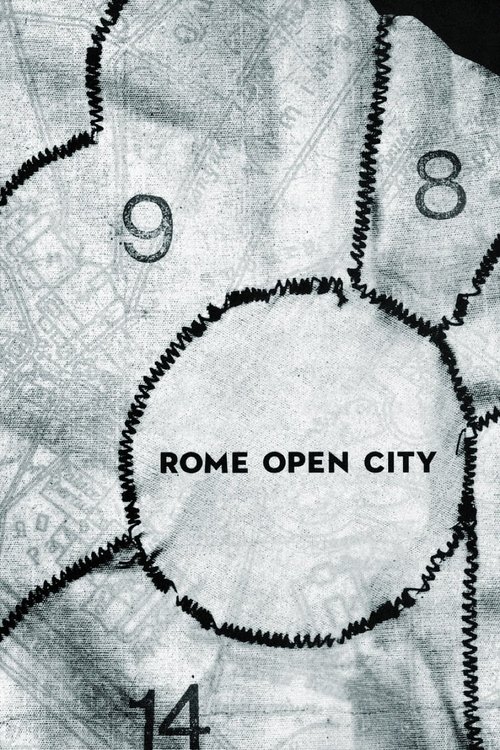
During the Nazi occupation of 1944 Rome, Resistance leader Giorgio Manfredi is pursued by the Nazis as he seeks refuge and a means of escape.
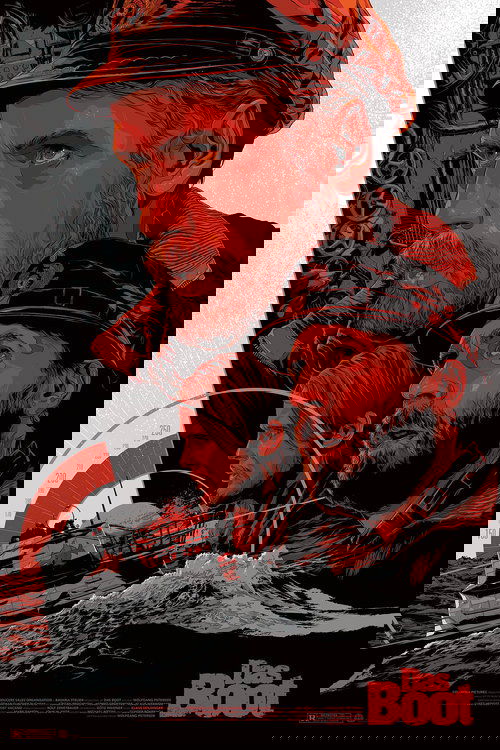
A German submarine hunts allied ships during the Second World War, but it soon becomes the hunted. The crew tries to survive below the surface, while stretching both the boat and themselves to their limits.
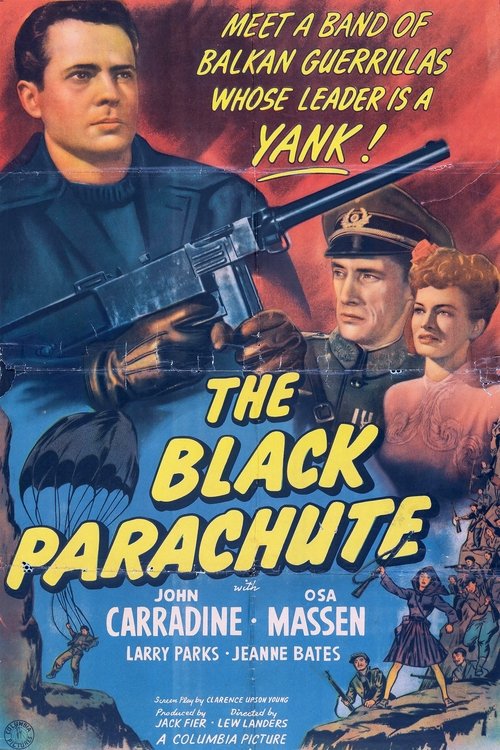
A paratrooper drops behind enemy lines to rescue the deposed king of a mythical Balkan nation.
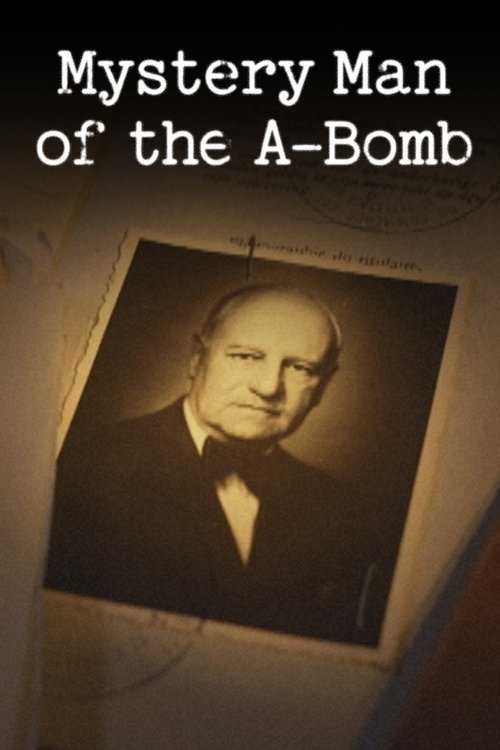
Stories of the people who built the first atomic weapons are well known. But what about those who provided the uranium? We look at a mysterious man who derived huge profits from the business of war.
Television film about people who are actively involved in the Slovak national uprising in 1944. A screen adaptation of the novel by Rudo Moritz in 1951.
The film is based on the real fact — football «The Death Match» between the German team and a team of Soviet prisoners of war, former "Dinamo". It happened in Kiev on June 22, 1942. Anticipating the possibility of losing, the Germans made a condition — defeat or death. If the Germans won, the Soviet footballers were promised freedom...