A recording of the performance of the symphonic poem entitled Fairy Tale by Stanislaw Moniuszko at the ‘Ursus’ Factory in Warsaw. It took place in 1952 and was performed by the Warsaw Philharmonic Orchestra under the baton of Witold Rowecki.
Witold Rowicki
as Conductor
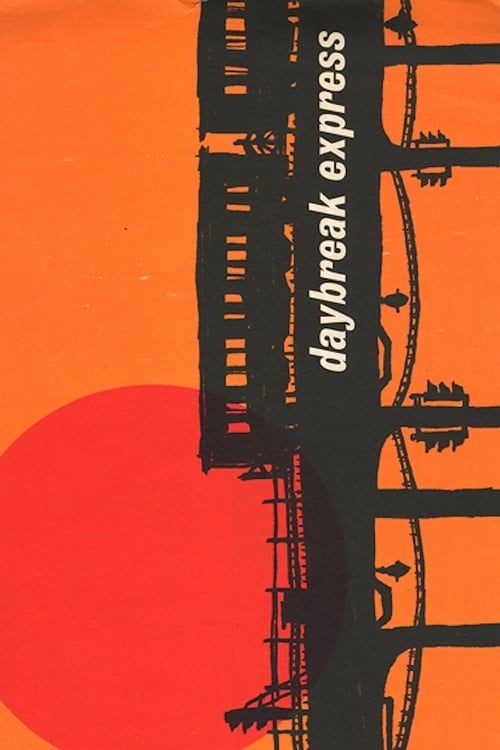
Set to a classic Duke Ellington recording "Daybreak Express", this is a five-minute short of the soon-to-be-demolished Third Avenue elevated subway station in New York City.
Duarte, a visually impaired fifty-year-old, sets out to look for Leandro, his Cape Verdean friend. Despite the heat of a Lisbon summer, Duarte wanders through the streets of his neighborhood, but no one seems to have seen or to have even known Leandro. Duarte's investigation will lead him deep into the night, and will ultimately reveal his secret.
Compilation of lighting and costume tests from various films, most notably Sternberg's "The Devil Is a Woman" (1935).
The story of Dr. George Washington Carver (1864-1943), black educator and horticulturist. He is perhaps most well known for developing over 140 products from all parts of the peanut plant, including the shells and husks. He also developed products based on sweet potatoes and soybeans, and developed a cotton hybrid that was named after him.
An exploration —manipulated and staged— of life in Las Hurdes, in the province of Cáceres, in Extremadura, Spain, as it was in 1932. Insalubrity, misery and lack of opportunities provoke the emigration of young people and the solitude of those who remain in the desolation of one of the poorest and least developed Spanish regions at that time.
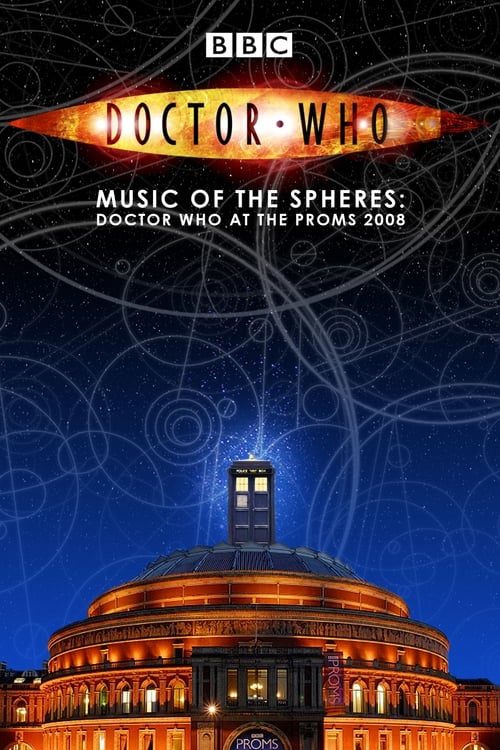
A selection of classical favourites with a strong flavour of time and space. Join Freema Agyeman (aka Martha Jones), and others from the Doctor Who cast, for an intergalactic musical adventure - with a little help from Daleks, Cybermen and other aliens from the series!
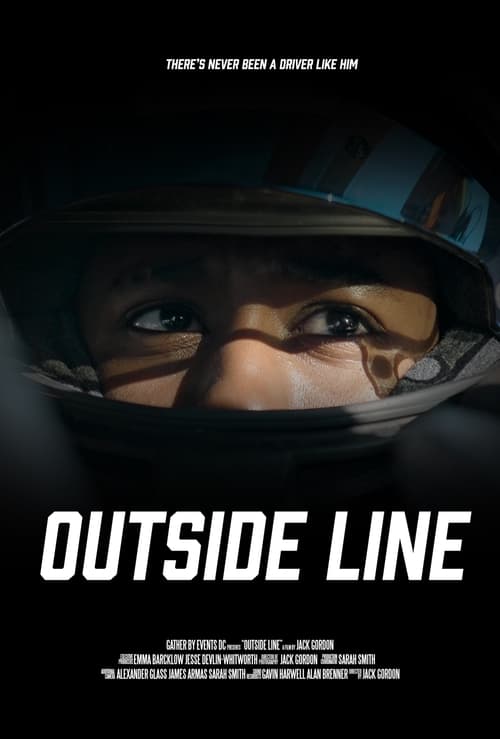
Rajah Caruth wasn’t supposed to be a NASCAR driver. As a Black kid growing up in Washington D.C., he had no connections and little representation in the industry. Determined to fulfill his childhood dream of becoming a driver, he pursued the only path he saw available: virtual racing. He made a name for himself in the online world of iRacing, leveraging his rapidly growing talents and personal brand into a spot in a real-life race car. In the few short years since Caruth first got into a car, he has risen to NASCAR’s penultimate racing series, with his sights set at the top. This short documentary tells his story and follows him as he prepares for a bold new chapter in his racing career.
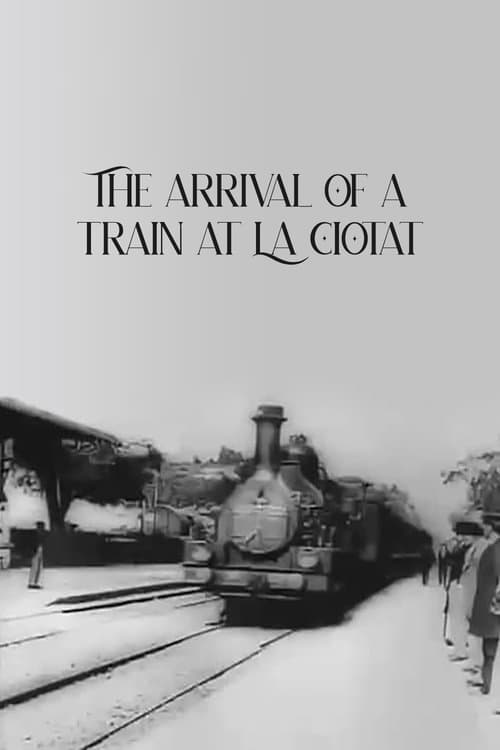
A group of people are standing along the platform of a railway station in La Ciotat, waiting for a train. One is seen coming, at some distance, and eventually stops at the platform. Doors of the railway-cars open and attendants help passengers off and on. Popular legend has it that, when this film was shown, the first-night audience fled the café in terror, fearing being run over by the "approaching" train. This legend has since been identified as promotional embellishment, though there is evidence to suggest that people were astounded at the capabilities of the Lumières' cinématographe.
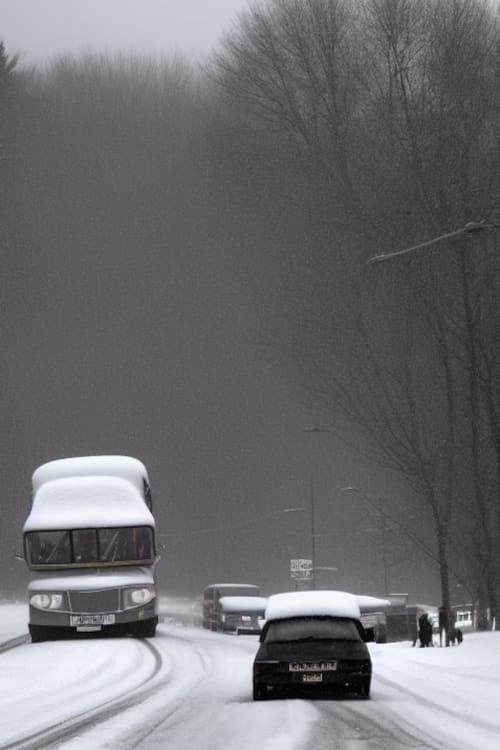
The roads are full of snow and the bus is late. The Principal is mad at the bus driver but he is also sick.
The DVD of the orchestra concert of FINAL FANTASY XI VanaCon Anniversary 11.11.11, which took place on November 11, 2011, is now available. The orchestral performance and the game screen will be exquisitely intertwined, and you will be able to enjoy the excitement that only a video work can provide. In addition to 2ch stereo and 5.1ch surround sound, an audio commentary by composers Naoshi Mizuta and Kumi Tanioka is included as a supplementary audio. In addition, a bonus track that includes behind-the-scenes footage of the production of the film will be included. This is a must-see video work for those who were unable to attend the concert on that day, as well as for those who heard the performance at the venue to relive the excitement.
Short film that accompanies A$AP Mob & Skepta's collaboration "Put That On My Set." The short film is a surrealist take on drug gangs, finding Rocky trafficking psychedelic butterfly wings as part of an organized crime ring. They run a tight moneymaking operation, and "Put That On My Set" showcases the importance of the rappers' crews in the illegal business.
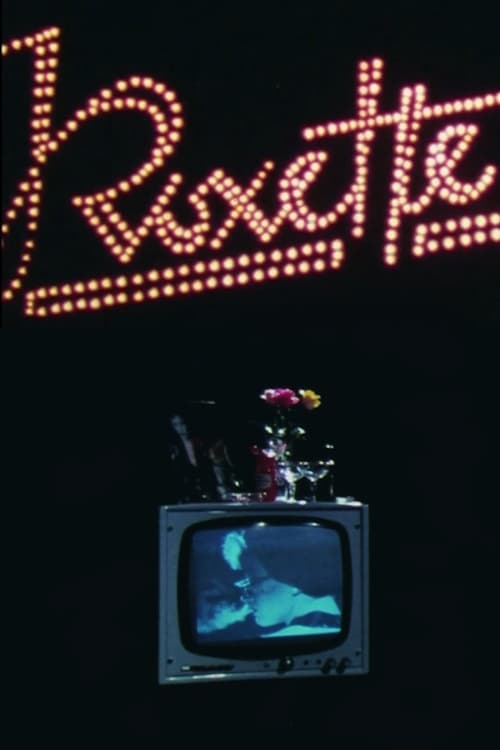
Documentary profiling young Roxy Music fans. They talk about the band and the music, are seen out and about in Manchester, they prepare for a concert at the Opera House. Includes footage of a tribute band, who, due to a lack of musical instruments, use household appliances to make music.
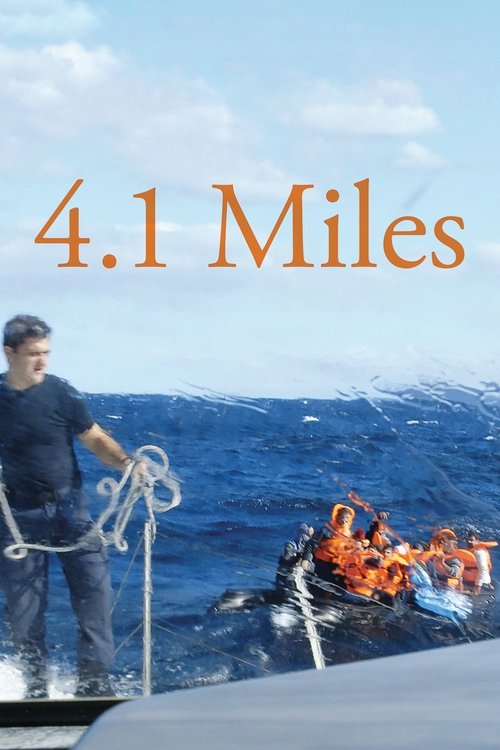
A coast guard captain on a small Greek island is suddenly charged with saving thousands of refugees from drowning at sea.