A British expeditionary team attempt a dangerous, world-first circumnavigation of the Earth in an 80-year-old vintage World War II fighter to inspire a new generation through the freedom of flight.
Lachlan Monro
as Self
Ian Smith
Matt Jones
Benjamin Uttley
On the Pacific front, towards the end of World War II, Japan's imperial armed forces launched 'kamikaze' attacks - suicide missions by aircraft laden with bombs. It was a mad operation with no hope of returning alive, but the nation went wild, and the attacks continued for ten months, literally until the very last day of the war. Close to 4,000 Japanese airmen died, and nearly 7,000 Allied military personnel were killed, and thousands more were injured by the attacks. How could this happen? Utilising 15 years' worth of extensive interviews with US and Japanese World War II veterans, Takayuki Oshima’s film delves into the mechanism of how a crazed madness swept through an entire nation.
During the Second World War, a special project is begun by the US Army Air Corps to integrate African American pilots into the Fighter Pilot Program. Known as the "Tuskegee Airman" for the name of the airbase at which they were trained, these men were forced to constantly endure harassement, prejudice, and much behind the scenes politics until at last they were able to prove themselves in combat.
Amidst the 1971 Indo-Pak war, a company of 120 Indian soldiers stationed at the border region of Longewala in Rajasthan must defend their post through the night against two thousand Pakistani troops armed with tanks. Based on the true events of the Battle of Longewala.
In 1927, Charles Lindbergh struggles to finance and design an airplane that will make his New York to Paris flight the first solo transatlantic crossing.
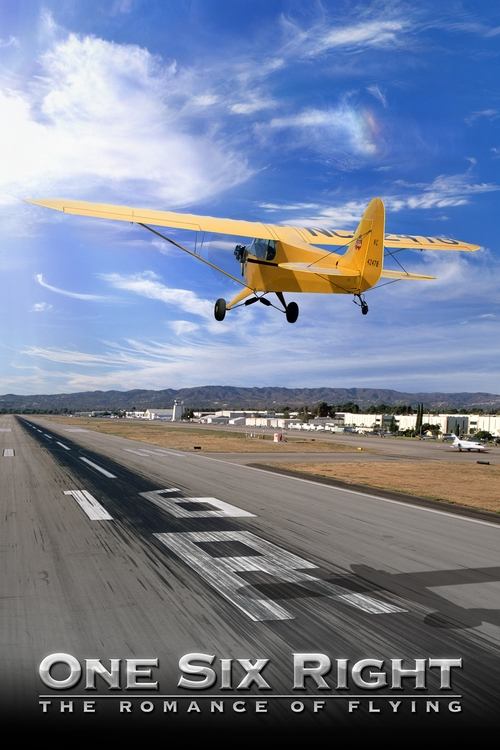
An exhilarating documentary film that celebrates the unsung hero of aviation - the local airport - by tracing the life, history, and struggles of an airport icon: Southern California's Van Nuys Airport. Featuring thrilling aerial photography and a sweeping original score, the film dispels common misconceptions and opposes criticism of General Aviation airports.
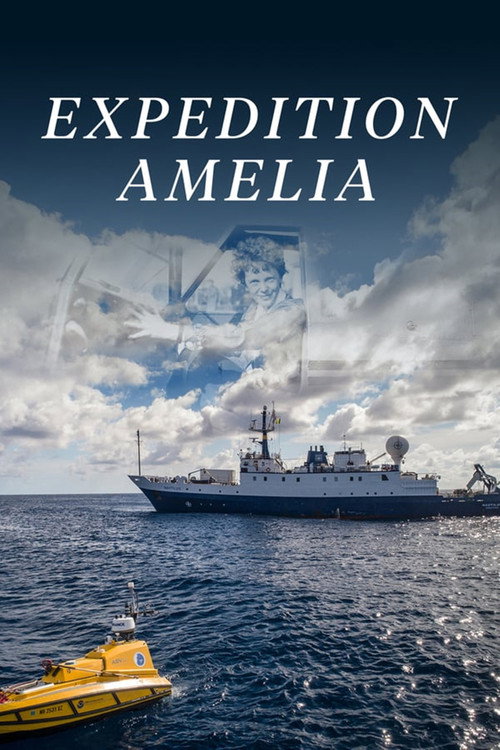
Explorer Robert Ballard sets out to solve the mystery of Amelia Earhart's disappearance as he and a team of experts travel to the remote Pacific atoll named Nikumaroro in search of her final resting place.
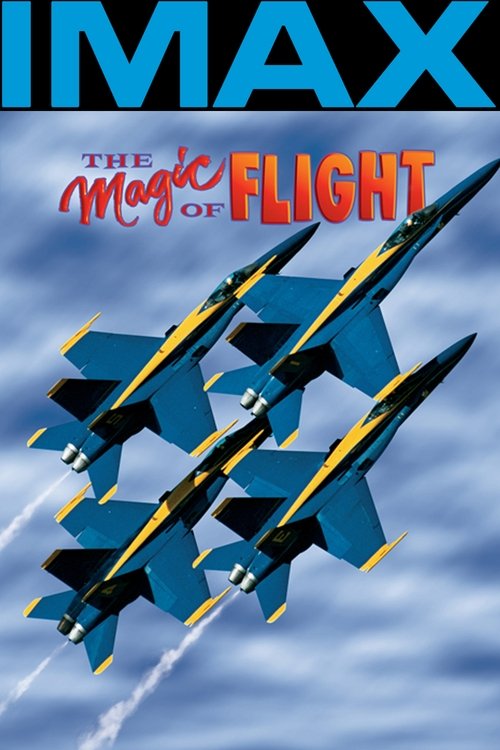
Take a technological thrill ride The Magic of Flight takes you on a technological thrill ride faster, higher and wider than modern science or even your imagination! Relive the first flight of the Wright Brothers, then soar with the Blue Angels as they defy the laws of gravity. Narrated by Tom Selleck.
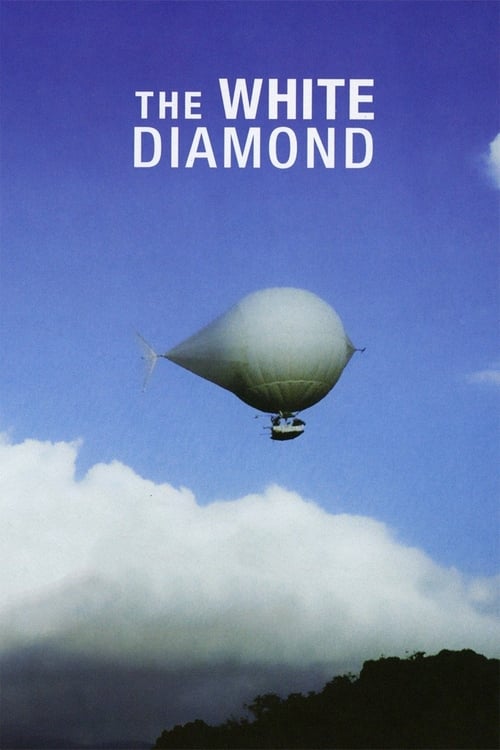
This 2004 documentary by Werner Herzog diaries the struggle of a passionate English inventor to design and test a unique airship during its maiden flight above the jungle canopy.
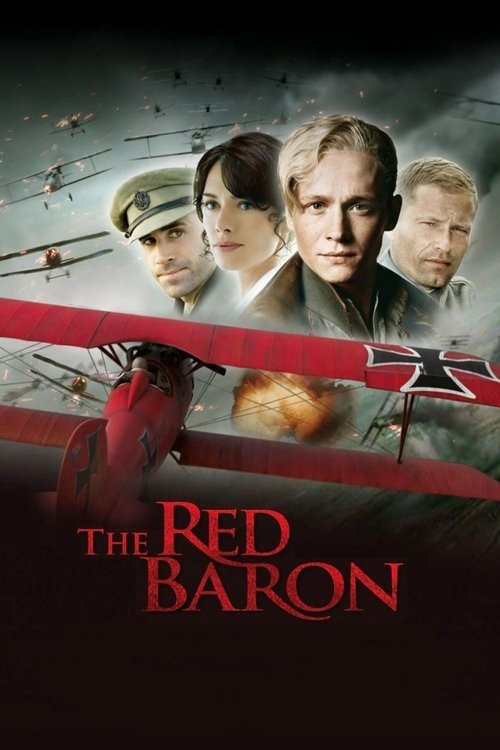
Richthofen goes off to war like thousands of other men. As fighter pilots, they become cult heroes for the soldiers on the battlefields. Marked by sportsmanlike conduct, technical exactitude and knightly propriety, they have their own code of honour. Before long he begins to understand that his hero status is deceptive. His love for Kate, a nurse, opens his eyes to the brutality of war.
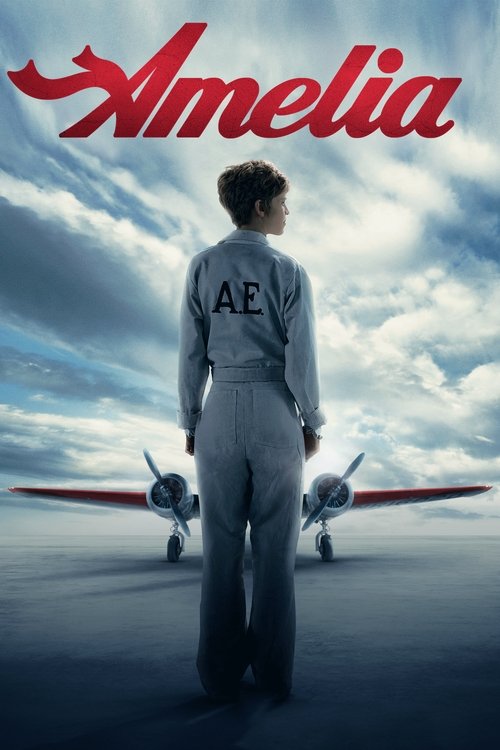
A look at the life of legendary American pilot Amelia Earhart, who disappeared while flying over the Pacific Ocean in 1937 in an attempt to make a flight around the world.
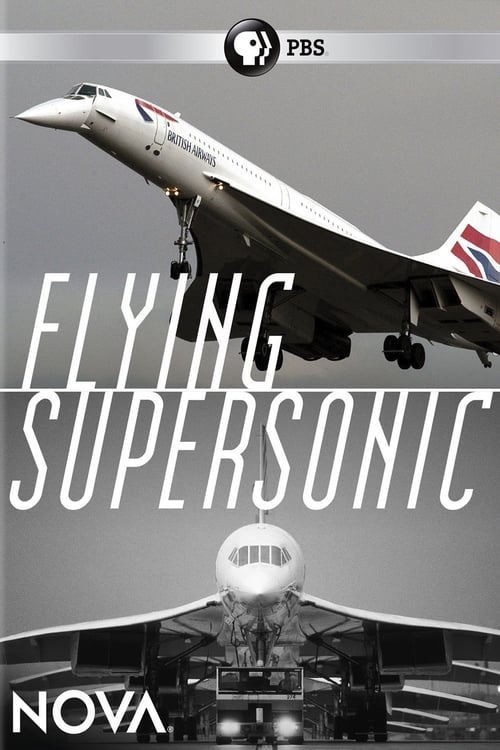
Thundering across the sky on elegant white wings, the Concorde was an instant legend. But behind the glamour of jet setting at Mach 2 were stunning scientific innovations and political intrigue. Fifteen years after Concorde's final flight, this documentary takes you inside the historic international race to develop the first supersonic airliner. Hear stories from those inside the choreographed effort to design and build Concorde in two countries at once - and the crew members who flew her.
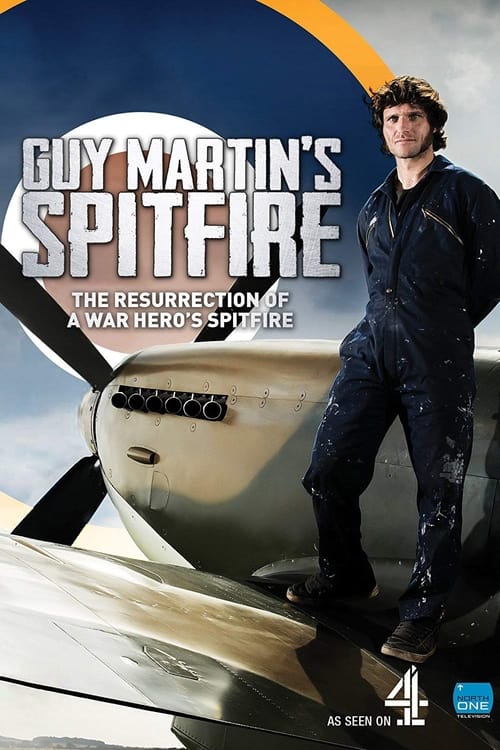
Guy Martin joins the two-year restoration of a Spitfire that was buried in a French beach for decades, and tells the Boy's Own-style story of its pilot, Squadron Leader Geoffrey Stephenson
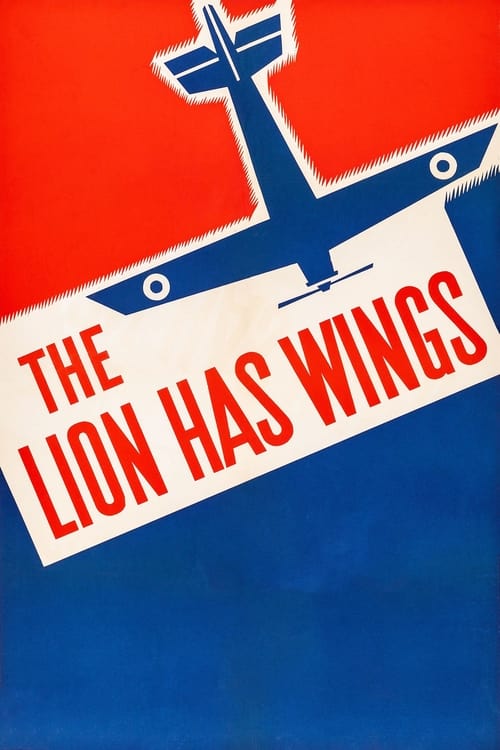
This early, influential propaganda film blends documentary and studio footage to show the valiant efforts of the Royal Air Force to defend the British people against the Nazis.
Concorde: A Supersonic Story follows the story of the most glamorous aeroplane ever built - told by the people whose lives she touched. We uncover rare footage telling the forgotten row between the French and British governments over the spelling of Concorde which threatened to derail the whole project.
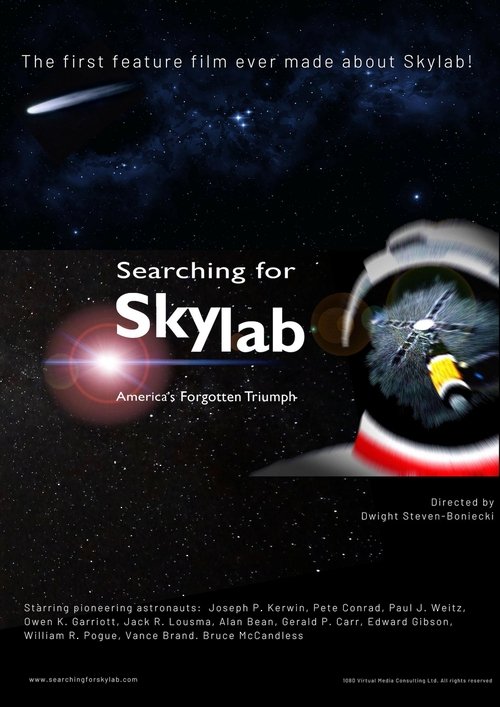
The first American space station Skylab is found in pieces scattered in Western Australia. Putting these pieces back together and re-tracing the Skylab program back to its very conception reveals the cornerstone of human space exploration.
It is the epic of the heroes of the first century of aviation, since the flight of the first plane on December 17, 1903 until today. A striking collection of portraits of outstanding men and women like Louis Blériot, the first to cross the Channel, to Lindbergh who crossed the Atlantic and Amelia Earhart and many more...
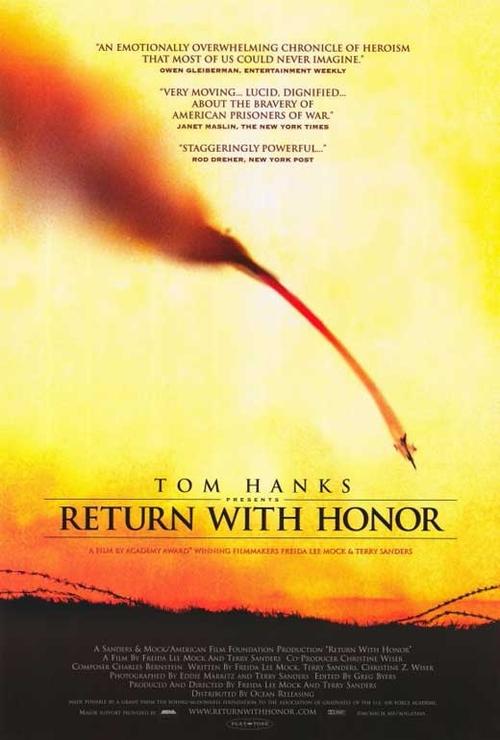
The story of U.S. fighter pilots shot down over North Vietnam who became POWs for up to 8 and a half years.
The story of the Wright Brothers and their efforts to invent, build, and fly the world's first successful motor-operated airplane.
Few aircraft have attracted more attention than the ominous black supersonic jet that for years has ranged the world on reconnaissance missions. This is the definitive tribute to an extraordinary peacekeeper, the SR-71 Blackbird. The History. The Technology. The Missions. The Pilots. And compelling, gripping footage of the Blackbird itself, on its "rocket ride" through the world's airspace.
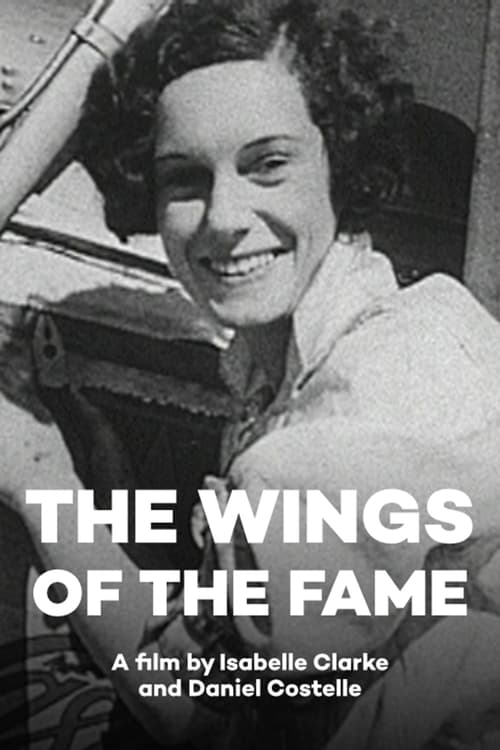
Eight decades after her disappearance, Amelia Earhart's incredible accomplishmenys are still celebrated, thanks in large part to her sister Muriel.