Documentary about women's experiences of labour, in factories, mines and dockyards, in the USA during the second World War and how it affected their work and career aspirations once they were encouraged to give up such employment in peacetime.
The incredible story of swimmer Alfred Nakache, played by Amir Haddad. Alfred Nakache is one of those modern-day heroes whose story is little known. Born in Constantine and raised in Toulouse, he was France's best swimmer in the 1940s. Arrested by the Gestapo and then deported, he swam in the unsanitary pools of Auschwitz, from which his wife and daughter never returned. In their memory, this survivor of horror picked himself up and resumed competition until he regained his title as French Champion and once again represented his country at the Olympic Games. Filmed at Studio Marigny at the Théâtre Marigny in Paris's 8th arrondissement.
Esther Robinson's portrait of her uncle Danny Williams, Warhol's onetime lover, collaborator and filmmaker in his own right, offers a exploration of the Factory era, an homage to Williams's talent, a journey of family discovery and a compelling inquiry into Williams's mysterious disappearance at age 27.
Director Eugenia Gutu offers a feminist critique of gender (in)equality under socialism in this documentary portrait of an industrializing town and its model citizen, Florica S.
Through the prism of a beauty pageant staged by female inmates of a Siberian prison camp emerges a complex narrative of the lives of the first generation of women to come of age in Post-Soviet Russia. Miss GULAG explores the individual destinies of three women: Yulia, Tatiana, and Natasha, all bound together by long prison sentences and circumstances that have made them the vigilantes of their own destinies. For these women, undoubtedly, life is harsh under the constant surveillance of UF-91/9, but it is no less so on the outside. Today they, their families, and loved ones are sustained by hope for a better life upon release. This is a story of survival told from both sides of the fence.
In 1944, group of rebellious American soldiers known as "The Filthy Thirteen" parachute into Normandy to carry out a deadly mission.
Once a vibrant part of American culture, drive-ins reached their peak in the late 1950s with almost 5,000 dotting the nation. Although drive-ins are experiencing a resurgence, today less than 400 remain. In a nation that loves cars and movies, why haven't they survived? April Wright's lovingly made documentary, filled with archival images of hundreds of open and closed drive-in theaters, interviews with theater owners, operators and cinema luminaries attempts to answer that question.
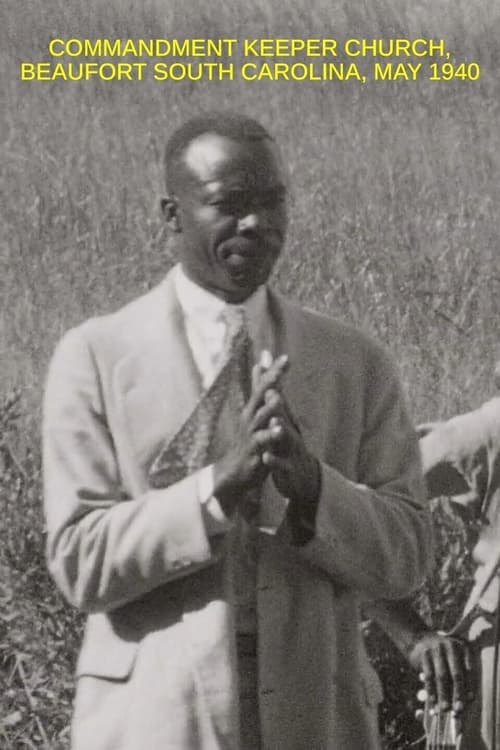
Field recordings of religious services in a South Carolina Gullah community. Commandment Keeper Church, Beaufort South Carolina, May 1940 is a 1940 short documentary film which shows religious services taking place in a South Carolina Gullah community. In 2005, Commandment Keeper Church was selected for preservation in the United States National Film Registry by the Library of Congress as being "culturally, historically, or aesthetically significant".
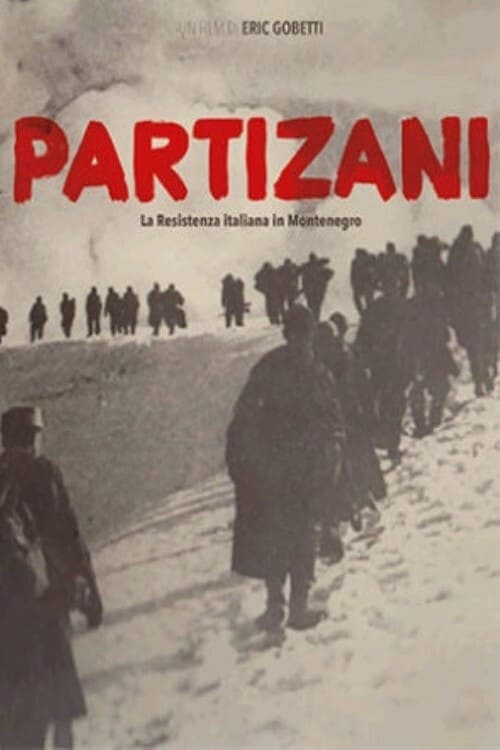
Nikšić, Montenegro, September the 9th, 1943. Few moments after the dawn, the artilleryman Sante Pelosin, nickname Tarcisio, fires the first cannon shot against a German column that was proceeding towards Italian placement. In the following weeks about 20000 Italian soldiers decide to not surrender and join Jugoslavian Resistance. The partisans of the Garibaldi Division narrated in this documentary are simple heroes, that fought the freeze, the hunger, and a crushing typhus fever epidemy, paying with tremoundous sufferings a valiant and aware choice of field .
With four strikes against her (black, female, poor and a lesbian), our trailblazer, Jewel Thais-Williams, helped changed laws, save lives and influence communities across Los Angeles, California as she opened her legendary nightclub's door for 42 years.
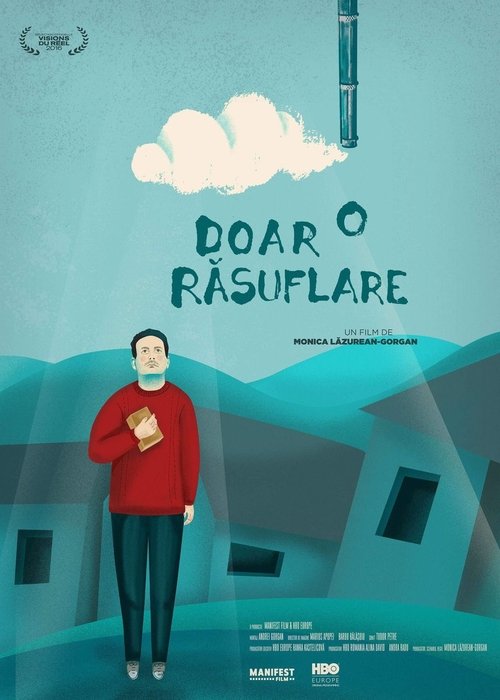
Romania. Seven years in the life of a family of believers, struck by the illness of a little girl suffering from spina bifida pass before the camera, with a polluted town scarred by unemployment serving as a background.
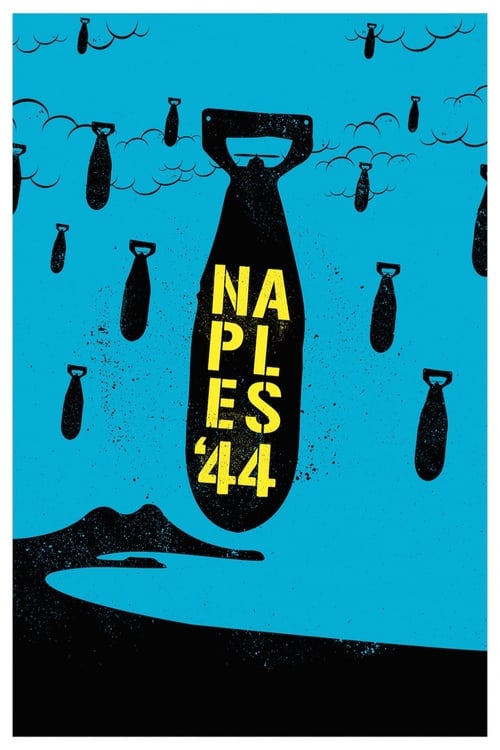
A British Intelligence Officer in Naples at the end of World War II: Norman Lewis's acknowledged masterpiece about a war-torn city and its unforgettable humanity.
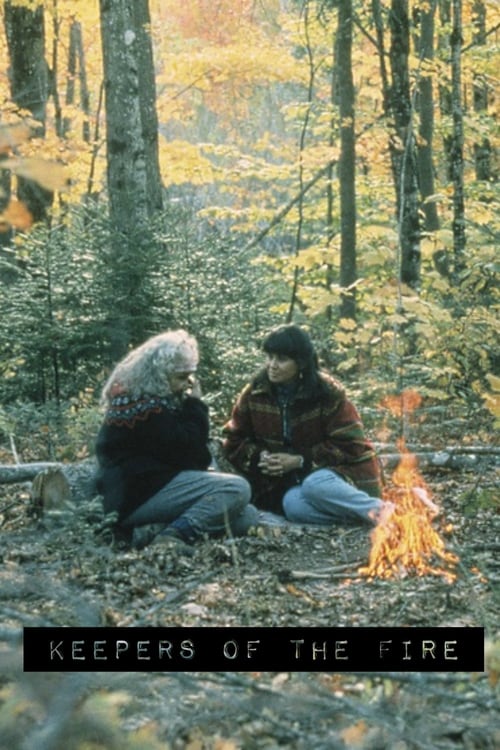
For half of a millennium, First Nations women have been at the forefront of aboriginal peoples' resistance to cultural assimilation. Today, Native women are still fighting for the survival of their cultures and their peoples--in the rain forest and the city, in the courts and the legislatures, in the Longhouse and the media. Keepers of the Fire profiles Canada's Native 'warrior women' who are protecting and defending their land, their culture and their people in the time-honoured tradition of their foremothers.
This film is an album of Native womanhood, portraying a proud matriarchal society that for centuries has been pressured to adopt different standards and customs. All of the women featured share a belief in the importance of tradition as a source of strength in the face of change.
Olympia Stone presents a cinematic portrait of her father, famed New York City gallery owner and art collector Allan Stone, in this fascinating documentary tracing his rise in the international art world from the 1950s to 2006. Regarded as a pioneering collector, Allan Stone was considered an expert on the work of Abstract Expressionists, particularly Willem de Kooning, Arshile Gorky, Barnett Newman and Franz Kline.
A film about the Tibetan Freedom Concert in San Francisco in 1996.
Kristina, a self-named Hungarian female lion tamer, arrives in New York to become a dance choreographer. Kristina, now a middle-class NYC artist concerned about the environment, has a sailor lover named Raoul. The film, a collage work, an essay film, a fictional narrative and a documentary all rolled into one, is one of the most important independent American feminists films made during the 1970's.
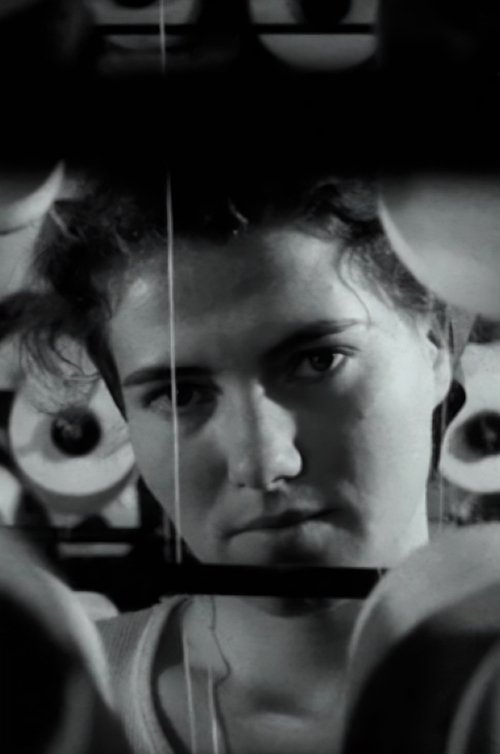
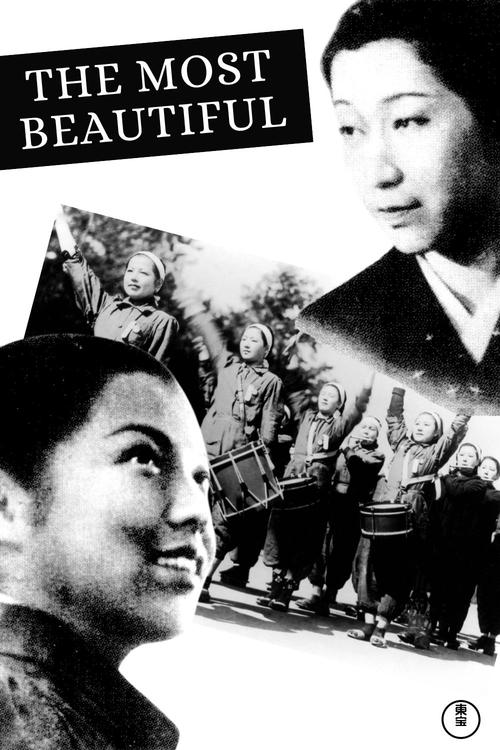
Young women at a precision optics factory in wartime Japan push to exceed production quotas, enduring illness, injury, and personal hardship to “serve the country.” Led by Tsuru Watanabe, they fight fatigue and setbacks to keep their line moving—even when duty collides with grief.
Using never-before-seen footage, Japan's War In Colour tells a previously untold story. It recounts the history of the Second World War from a Japanese perspective, combining original colour film with letters and diaries written by Japanese people. It tells the story of a nation at war from the diverse perspectives of those who lived through it: the leaders and the ordinary people, the oppressors and the victims, the guilty and the innocent. Until recently, it was believed that no colour film of Japan existed prior to 1945. But specialist research has now unearthed a remarkable colour record from as early as the 1930s. For eight years the Japanese fought what they believed was a Holy War that became a fight to the death. Japan's War In Colour shows how militarism took hold of the Japanese people; describes why Japan felt compelled to attack the West; explains what drove the Japanese to resist the Allies for so long; and, finally, reveals how they dealt with the shame of defeat.
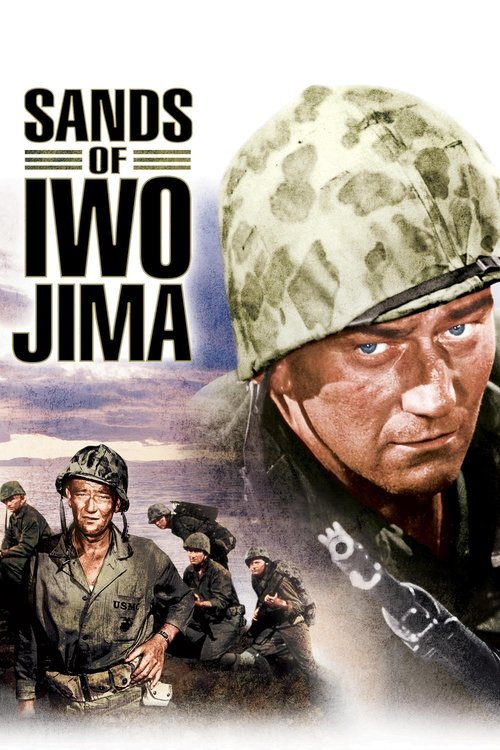
Haunted by personal demons, Marine Sgt. John Stryker is hated and feared by his men, who see him as a cold-hearted sadist. But when their boots hit the beaches, they begin to understand the reason for Stryker's rigid form of discipline.