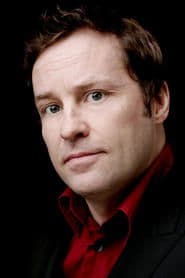
Ardal O’Hanlon explores a 1930s quest to find the first Irish men and women using archaeology, answering his deepest questions about what it means to be Irish.
Ardal O'Hanlon
as Self - Presenter
A documentary made by History Time on YouTube. Written, researched and produced by Pete Kelly.
Beneath the turquoise waves of the Bay of Naples lies an extraordinary underwater archeology site, the ancient Roman city of Baiae. From the first century to the third century AD, Baiae was the exclusive playground for the rich and powerful among Rome’s elite. What made Baiae such a special place? What really went on there? And why did it disappear?
5000 years ago the ancient Elamites established a glorious civilization that lasted about three millennia. They created marvelous works in architecture and craftsmanship. These works of art depict the lifestyle, thoughts, and beliefs of the Elamites.
Tells the story of the greatest natural disaster of the ancient world, an event that experts believe inspired the legend of Atlantis.
A behind-the-scenes look at the 1998 West Cork Chamber Music Festival
This cinematic journey into the waters off East Africa chronicles the story behind artist Damien Hirst's massive exhibition of oceanic treasures.
Over the centuries, Mont Saint-Michel, an extraordinary island located in the delta of the Couesnon River, in Normandy, France, a place floating between the sea and the sky, has been a sanctuary, an abbey, a fortress and a prison. But how was this architectural wonder built?
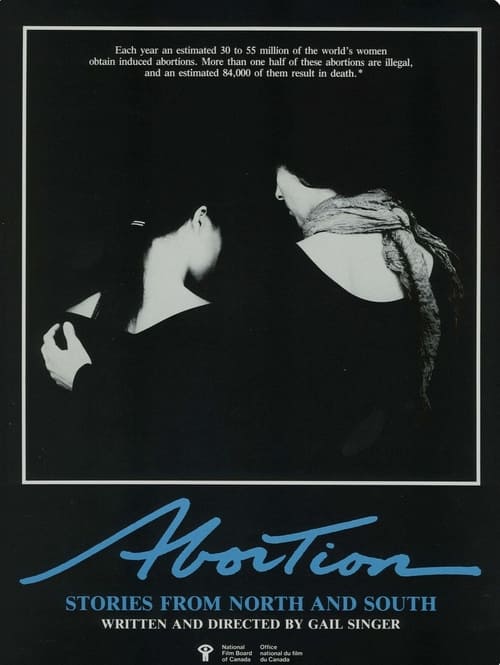
Women have always sought ways to terminate unwanted pregnancies, despite powerful patriarchal structures and systems working against them. This film provides a historical overview of how church, state and the medical establishment have determined policies concerning abortion. From this cross-cultural survey--filmed in Ireland, Japan, Thailand, Peru, Colombia, and Canada--emerges one reality: only a small percentage of the world's women has access to safe, legal operations.
Irish-born journalist Peter Lennon examines the contemporary (1967) state of the Republic of Ireland, posing the question, “What do you do with your revolution once you’ve got it?” It argues that Ireland was dominated by cultural isolationism, Gaelic and clerical traditionalism at the time of its making.
Rascar Capac, the sinister creature featured on Hergé's album The Seven Crystal Balls (1948), has left its mark on many generations of readers. To draw it, the Belgian cartoonist was probably inspired by a mummy exhibited in the first pre-Columbian exhibition organized by the Brussels Cinquantenaire Museum in 1923. Two intrepid archaeologists embark on a fascinating journey to reconstruct the story of the mysterious mummy.
More than 2.000 years ago, Narbonne in today's Département Aude was the capital of a huge Roman province in Southern Gaul - Gallia Narbonensis. It was the second most important Roman port in the western Mediterranean and the town was one of the most important commercial hubs between the colonies and the Roman Empire, thus the town could boast a size rivaling that of the city that had established it: Rome itself. Paradoxically, the town that distinguished itself for its impressive architecture, today shows no more signs of it: neither temples, arenas, nor theaters. Far less significant Roman towns like Nîmes or Arles are full of ancient sites. Narbonne today is a tranquil town in Occitania
Documentary following the 1955–1956 Norwegian Archaeological Expedition's investigations of Polynesian history and culture at Easter Island.
Archaeologists have just uncovered entirely new areas and villas in ancient Pompeii… the first excavation there in 70 years. Get exclusive access to the dig and see how new artifacts and new DNA science are changing history. And through the use of sophisticated Hollywood production techniques and reenactments, discover the real stories of what happened to the unfortunate souls who didn’t escape to the city gates. This is the devastating account of the final hours of that fateful day in October 79AD.