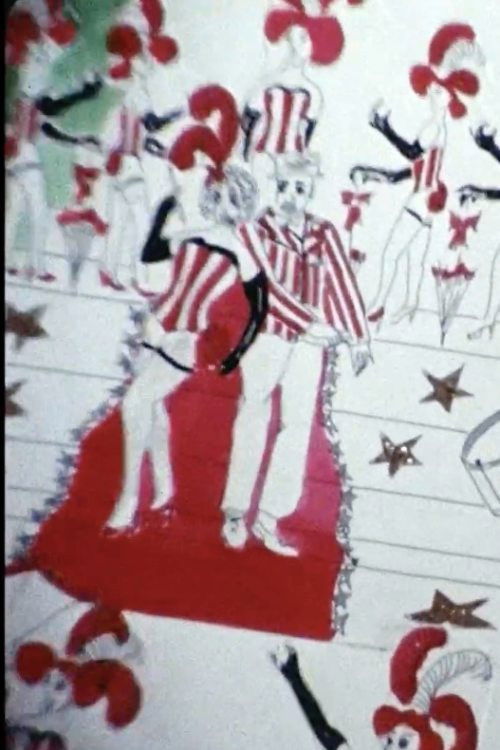
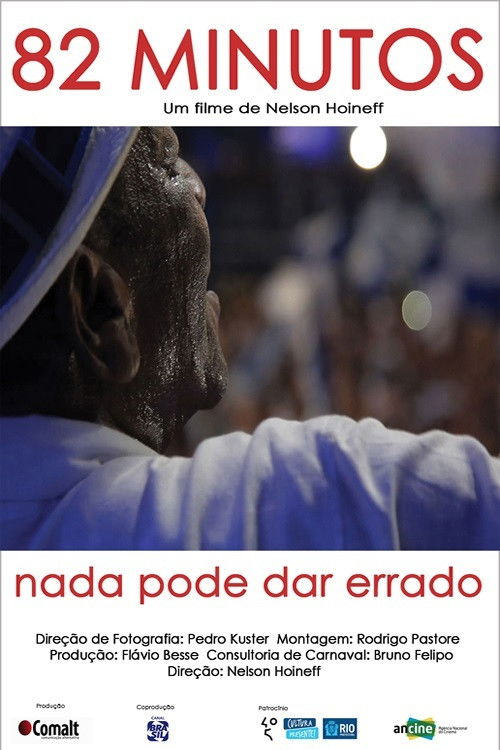
The making of the samba school parades, with the construction of the great cars, the decorations being spread all over the city and the hand-crafted tailoring of the costumes by apt hands that stitch together colourful and glowing materials.
Vera de Figueiredo
as Narradora
Zózimo Bulbul
as Narrador
Since August 2024, in Martinique, a popular protest movement against the high cost of living has been reemerging under the leadership of the RPPRAC (Rassemblement Pour La Protection Des Peuples Et Des Ressources Afro-Caribéens – Gathering for the Protection of Afro-Caribbean Peoples and Resources). On the island, food prices are on average 54% higher than in mainland France.* Through various cultural figures, the people of Martinique are expressing their anger and seeking concrete solutions. *Source: Kiprix, Price comparison between supermarkets in the French overseas territories and mainland France.
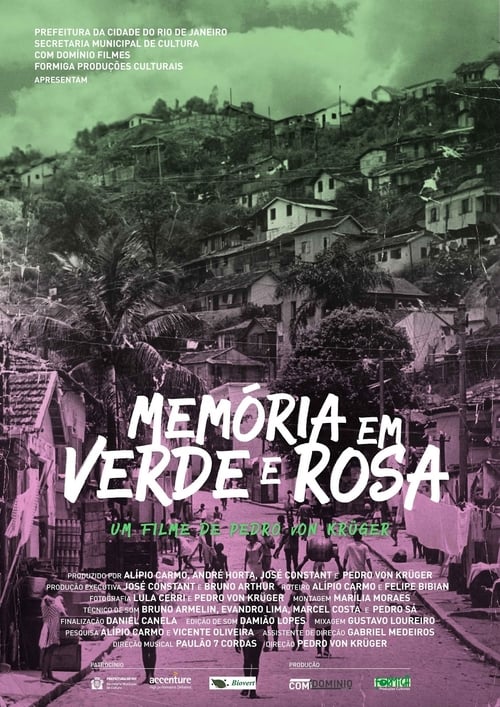
The Mangueira slum is the scenario where Tantinho and the old samba composers remember stories about the slums and samba.
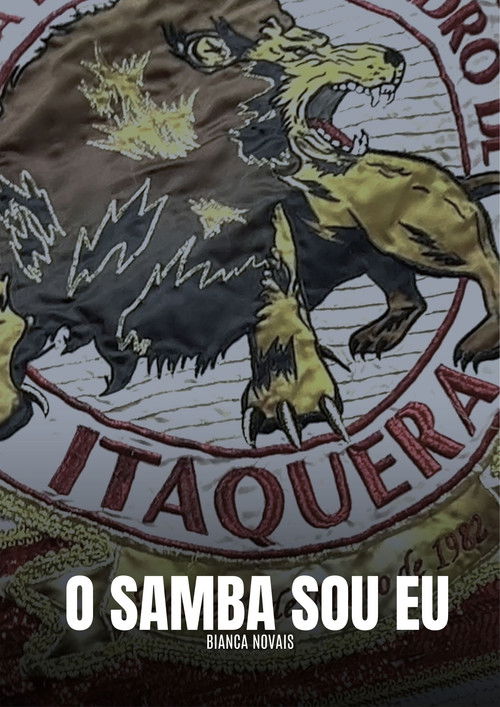
Documentary about the rise and fall of Leandro de Itaquera Samba School, a cultural organization from São Paulo east end that had a major role during the profissionalization of Carnival competition in the city.
It's Different In Chicago Tells the story of how House music and Hip Hop culture complemented and competed with each other leading to deep revelations about the different segments within the Black community of Chicago.
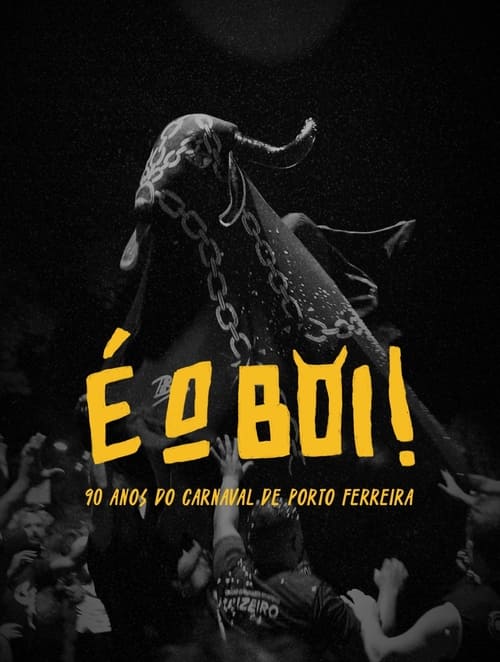
"É o Boi" is a documentary that narrates the origins, portrays the present and discusses the perspectives of carnival in the city of Porto Ferreira/SP. Celebrating a tradition that already is already 90 years old, the film is mainly made up of images taken during the Porto Ferreira's carnival and interviews with people who fight daily to keep this unique and at the same time typically Brazilian cultural manifestation alive. Made over almost a decade, "É o Boi" also portrays critical moments of this carnival in the countryside of São Paulo, including disagreements with public authorities that almost led to the carnival being banned and the impacts of the Covid-19 pandemic on the organization of celebrations.
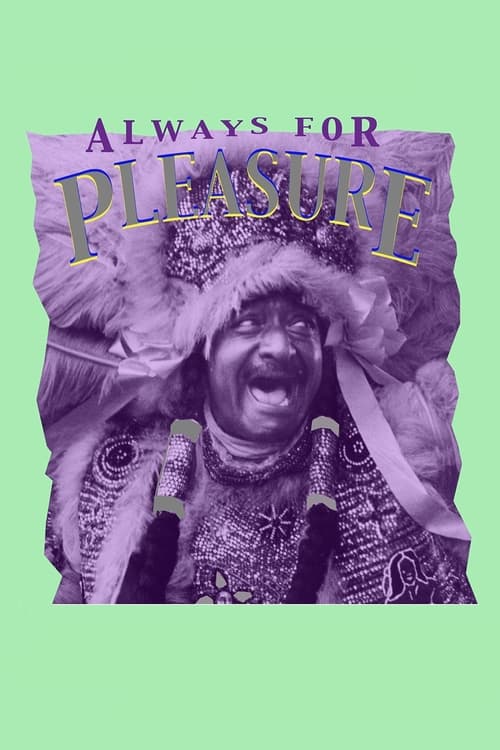
A musical portrait of New Orleans' street celebrations and unique cultural gumbo in 1977: second-line parades, Mardi Gras, Jazz Fest. Features live music from Professor Longhair, the Wild Tchoupitoulas, the Neville Brothers and more. This glorious, soul-satisfying film is among Blank's special masterworks. Preserved by the Academy Film Archive in 1999.
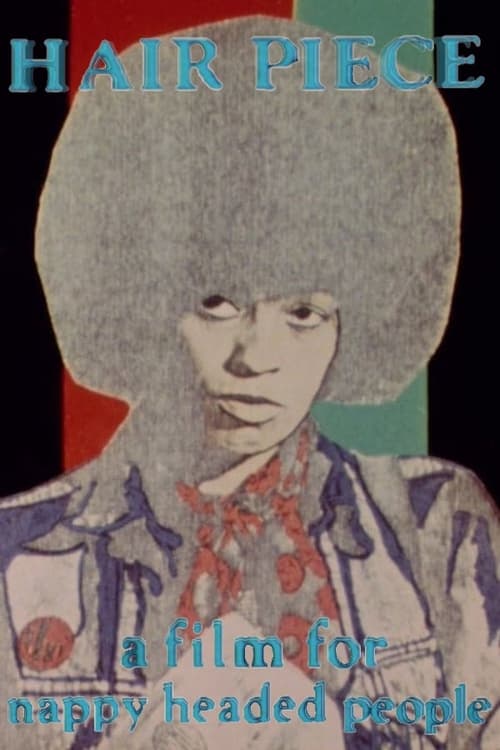
An animated satire on the question of self-image for African American women living in a society where beautiful hair is viewed as hair that blows in the wind and lets you be free. Lively tunes and witty narration accompany a quick-paced inventory of relaxers, gels, and curlers. This short film has become essential for discussions of racism, African American cinema, and empowerment.
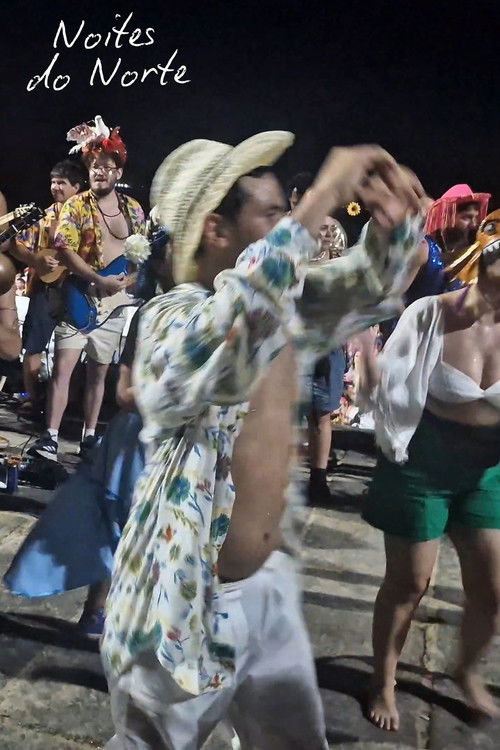
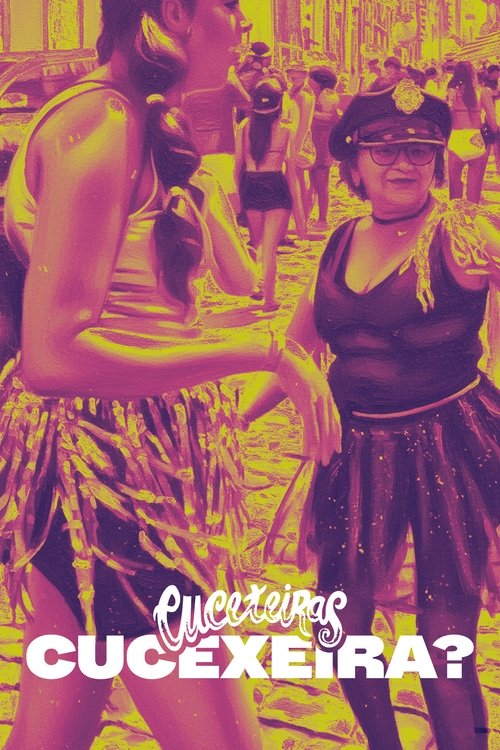
Amid the explosion of colors, sounds, and excesses of Olinda’s 2025 Carnival, Cuceteiras VII: "Cucesniff?" dives into the behind-the-scenes of a house that becomes the epicenter of partying, chaos, and connection. A group of friends shares a roof during the most intense days of the year, living a routine filled with alcohol, drugs, unexpected guests, and catchphrases that go viral among revelers. Between laughter, hangovers, and confessions, the documentary captures the raw intensity of human connection when the masks come off — or multiply. A chaotic, honest, and irreverent chronicle of youth, freedom, and the unmistakable heat of Pernambuco’s carnival.
Discover the captivating origins of an iconic little pickup from the 1960s that was transformed into a 'triozinho' and captured the hearts of countless 'foliões' during Carnaval. Through heartfelt memories, interviews, and breathtaking landscapes, this documentary, directed by Daniel Bittencourt, beautifully reveals how a group of passionate music lovers gave birth to one of Linhares’ most cherished cultural symbols, straight from Vila de Regência.