Lou Whitaker
as Self
Dan Dickerson
as Self - Narrator (voice)
Pat Caputo
Lance Parrish
Alan Trammell
Dan Petry
Frank White
Sparky Anderson
as Self (archive footage)
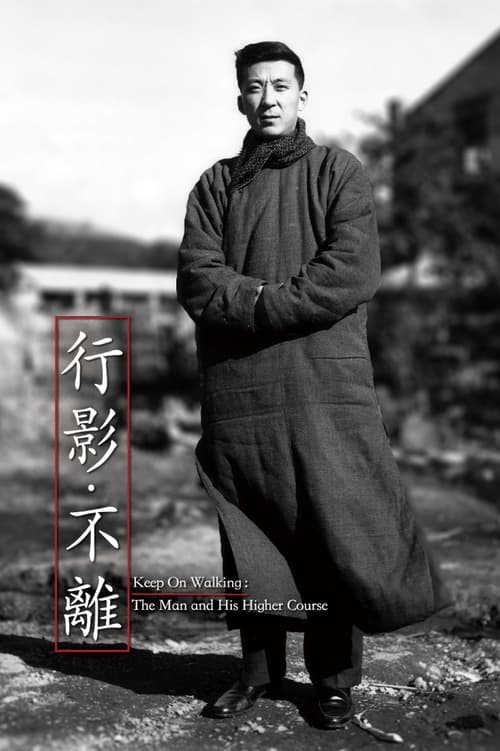
In Taiwan, director Lee Hsing's films have become a reflection of society and a collective memory of many. His dedication to film not only launched the careers of many movie stars and crew, but was also the foundation of the prestigious Golden Horse Awards. This documentary offers Lee Hsing's personal perspective on family, films, fate and beliefs, giving us a glimpse of the glory and rebirth of Taiwanese cinema.
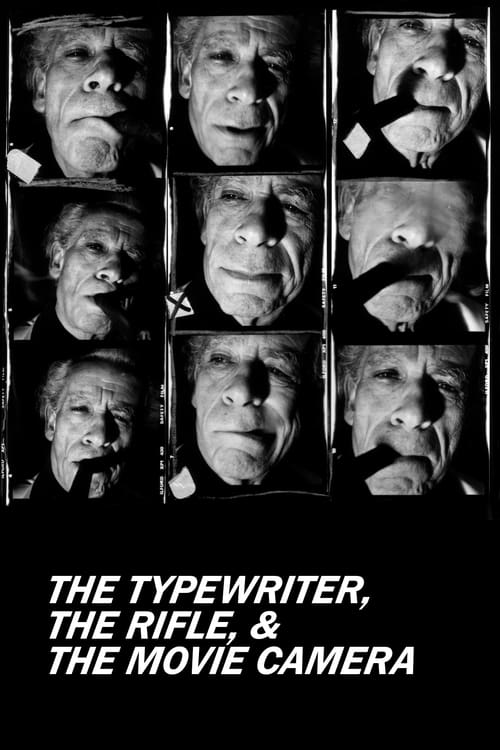
In a documentary about Samuel Fuller, the spectator gets different impressions about the Hollywood director and his films. The film is divided into the three sections: The Typewriter, the Rifle and the Movie Camera. The first segment covers Fuller's past as a newsman where he began as a copy boy and ended as a reporter. Part two describes Fuller's experiences in World War II, in which he participated as a soldier. The last section focuses on Fuller as director. Tim Robbins interviews Samuel Fuller revealing the director's own memories and impressions. Beside the interview, Jim Jarmusch, Martin Scorsese and Quentin Tarantino accompany the documentary with their comments.
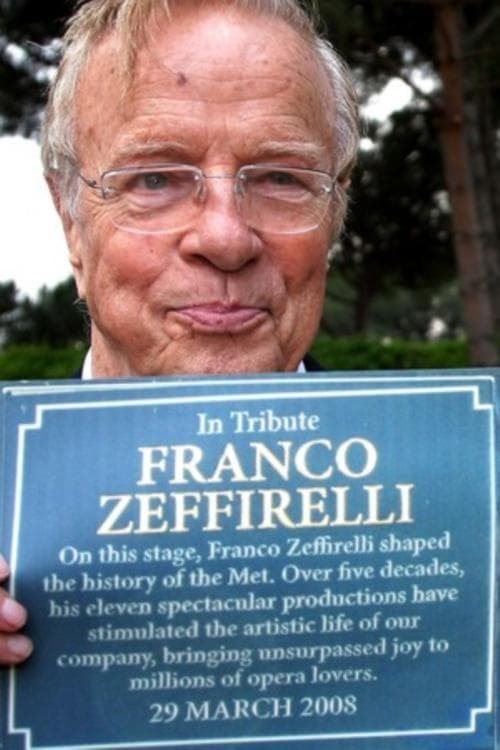
Franco Zeffirelli passed away on 15th June 2019. Chris Hunt's biography explores how Zeffirelli's sense of drama was born out of his own experience and how his life inspired his productions. Chris Hunt interviewed him and other famous actors, friends and associates, had a camera at Zeffirelli's 94th birthday and during the opening of his foundation in Florence. This documentary, including clips from operas, films and plays aims to be the definitive portrait of a Renaissance man larger than life.
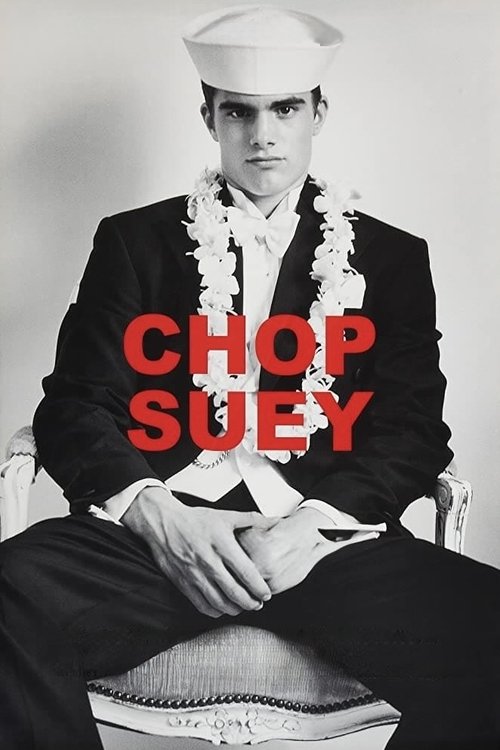
A homage to Bruce Weber's Favourite things, these being mixing film, photography and classic movies. With portraits of a lesbian jazz singer and a 16-year-old wrestler.
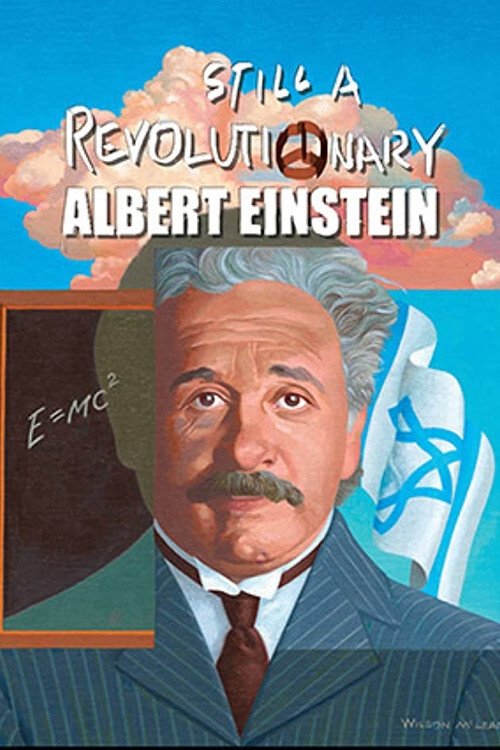
Using a wealth of rarely-seen archival footage, correspondence, and new and illuminating interviews, Julia Newman makes the case that Albert Einstein's example of social and political activism is as important today as are his brilliant, groundbreaking theories.
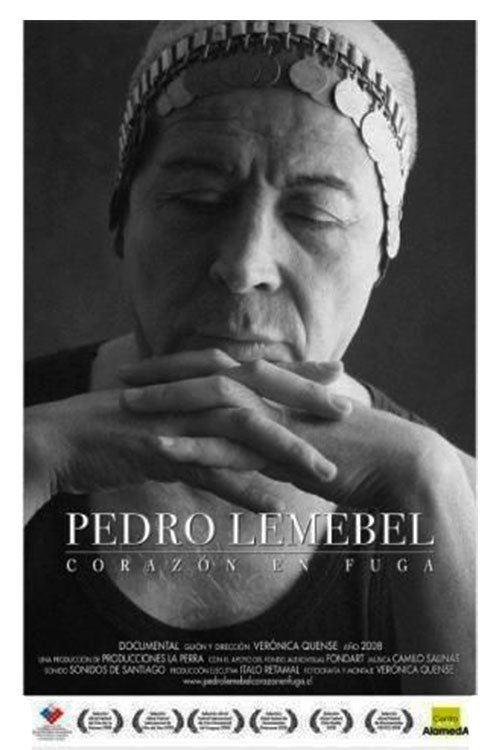
Provocative, challenging, original, and courageous. The ironic and poetic narrative of writer and visual artist Pedro Lemebel is present in this documentary journey proposed by Verónica Quense. Through some chronicles read from Radio Tierra, it is possible to enter into urban geographies where the so hackneyed “marginality” becomes an urgent and revitalized political manifesto in the presence of three women who unite on the issue of human rights. Thus, gender, writing, sex, music, and politics trace a historical trace from Havana, Santiago, Cartagena, and Pisagua.
Working, working, working... Here are the words that make up a contemporary Turkish fairy tale. In fact, this fairy tale is not just the story of one person or a family. It is also the story of a country...
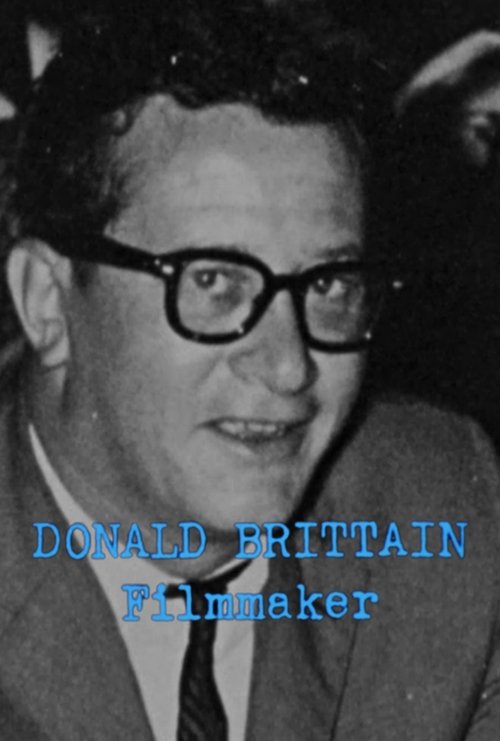
A retrospective of documentary films by Donald Brittain offering a glimpse of the man and the restless energy that informed his work. Dedicated and hard-working Brittain left nothing to chance, driving himself and his colleagues at the NFB and the CBC until perfection was achieved, or until airtime -- whichever came first.
Vince Collins tells of his animation history—looking to the past and eventually to AI and beyond.
"Ni Muy Muy, Ni Tan Tan, Simplemente, Tin Tan. Tin Tan was one of the greatest comdedian-actors in the history of Mexican Cinema. He began his film career during the early years of what became the Golden Age of Mexican Cinema. Throughout the majority of his movies he plays the character of a pachuco; the Chicano/Mexicano in zoot suit, throwing out the tirili phrases and words, and jammin the jitty-bug. With the style and the slang down to a tee, he was picked up in Cd. Juarez Chihuahua by an acting troupe. Touring extensively through-out Mexico with the troupe landed him in Mexico City with film contracts. It was in those films that Tin Tan exposed the image of the pachuco, which Mexican Youth adopted. From the desert border-towns of Juarez y El Paso the style took off in various parts of the country, most notably in Mexico City
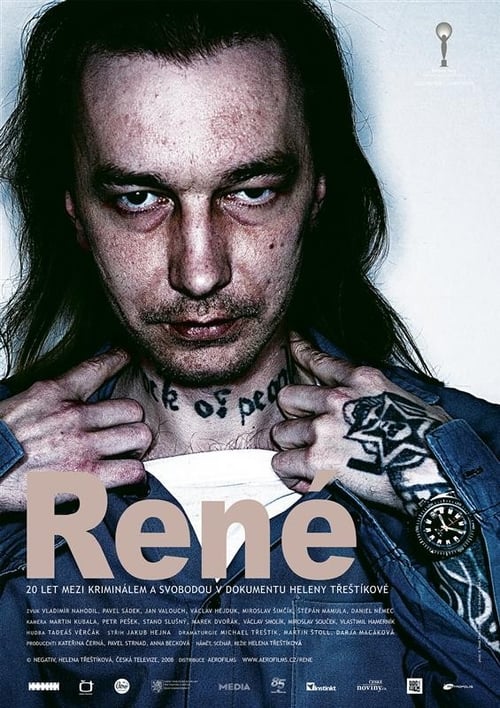
An intimate portrait of a man on the edge of society, filmed over the course of twenty years.
One of Hollywood's brightest stars is eclipsed by drink, drugs and self-doubt.
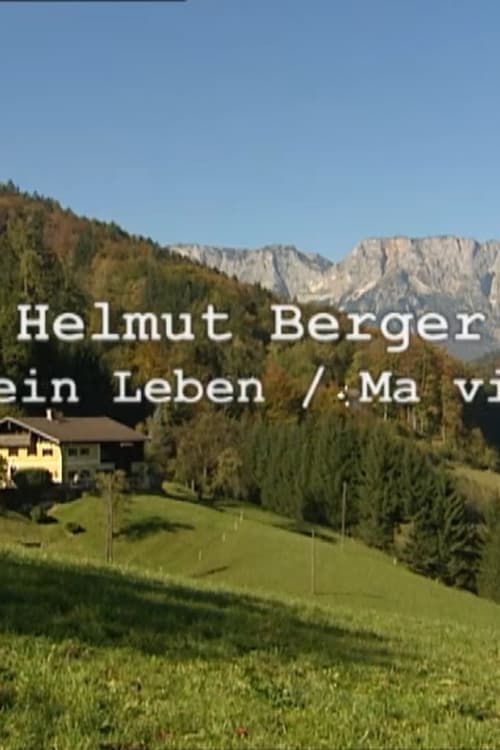
In 2005, Helmut Berger returned to the landmarks of her career, in Rome and on the island of Ischia. The muse of filmmaker Luchino Visconti recalls his eventful life, its successes, but also its crises and failures.
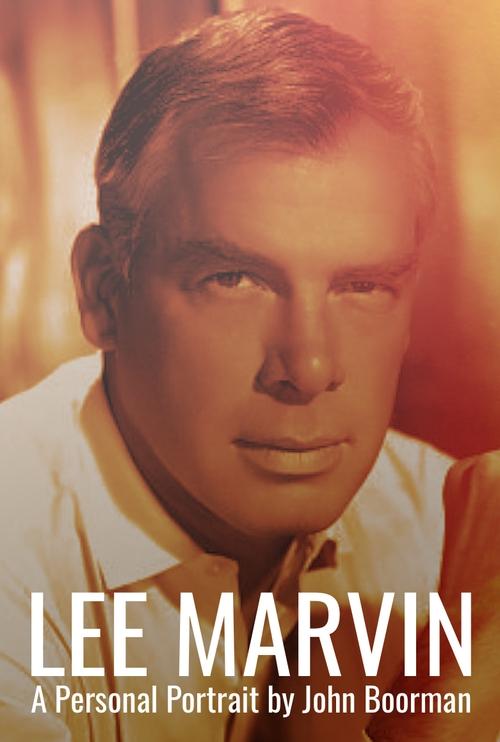
John Boorman met Lee Marvin in London when the latter was making The Dirty Dozen and immediately they struck up a friendship. Shortly afterwards they made two films together, the first of which was Point Blank, during which Boorman found that he learnt a lot about screen acting and how to direct from the contributions and support from Marvin. Later they worked together on Hell in the Pacific. With his friendship providing an insightful collection of memories of Marvin, Boorman leads this intimate documentary on the life of Lee Marvin.
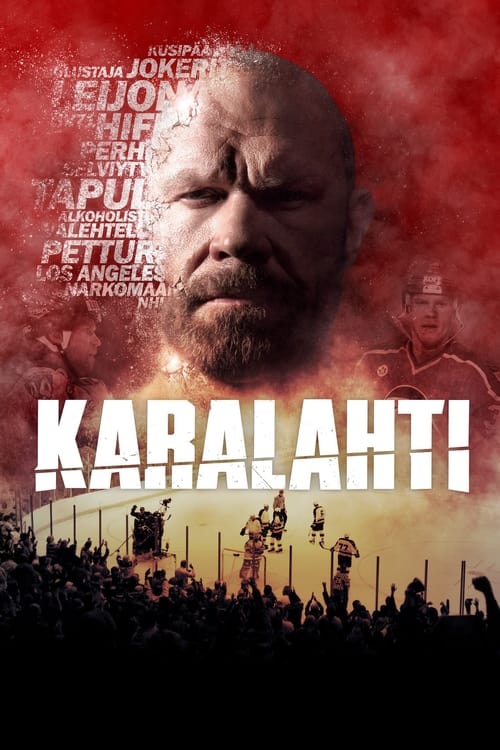
Documentary movie about a Finnish professional ice hockey player, Jere Karalahti. More than 50 people have been interviewed for the documentary film, such as Jere's family, coaches, journalists, fellow players and childhood friends. A profound documentary consists of archive material and dramatized scenes in addition to interviews.