The story is set in the Sengoku period. A rounin called Nanashi saves a young boy Kotarou at an abandoned temple. Kotarou has no family, is pursued by a mysterious militia organization from China and hires Nanashi as his bodyguard.
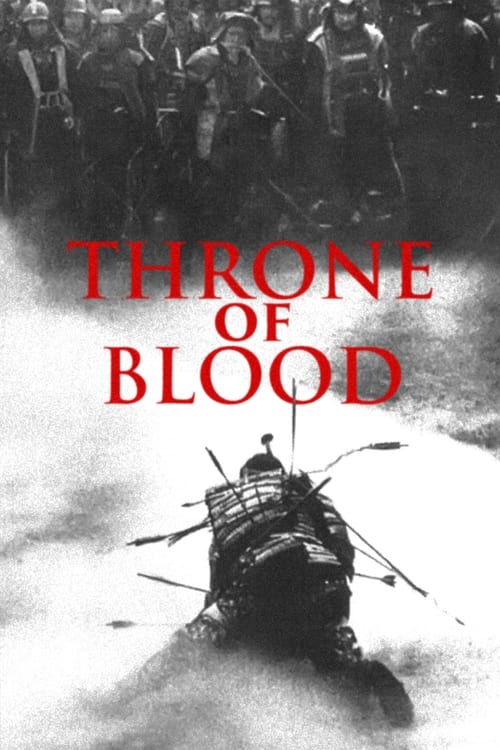
Returning to their lord's castle, samurai warriors Washizu and Miki are waylaid by a spirit who predicts their futures. When the first part of the spirit's prophecy comes true, Washizu's scheming wife, Asaji, presses him to speed up the rest of the spirit's prophecy by murdering his lord and usurping his place. Director Akira Kurosawa's resetting of William Shakespeare's "Macbeth" in feudal Japan is one of his most acclaimed films.
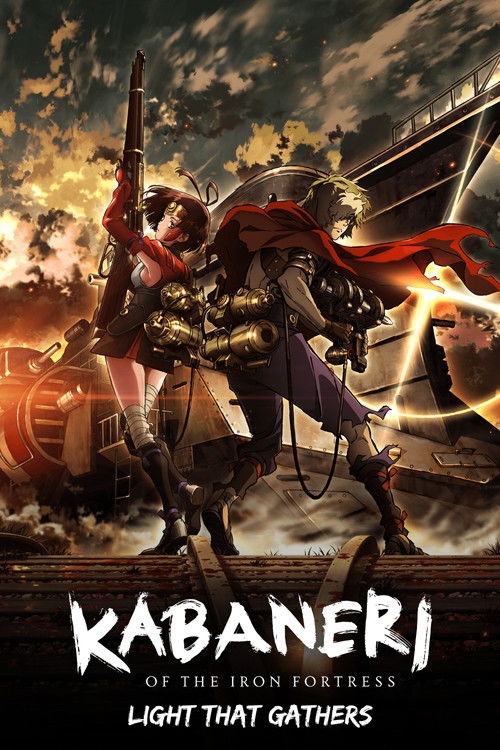
In the midst of an industrial revolution, the people of Hinomoto fight hordes of undead creatures, known as Kabane, using powerful armored trains. (Compilation film of the second half of the original TV series.)
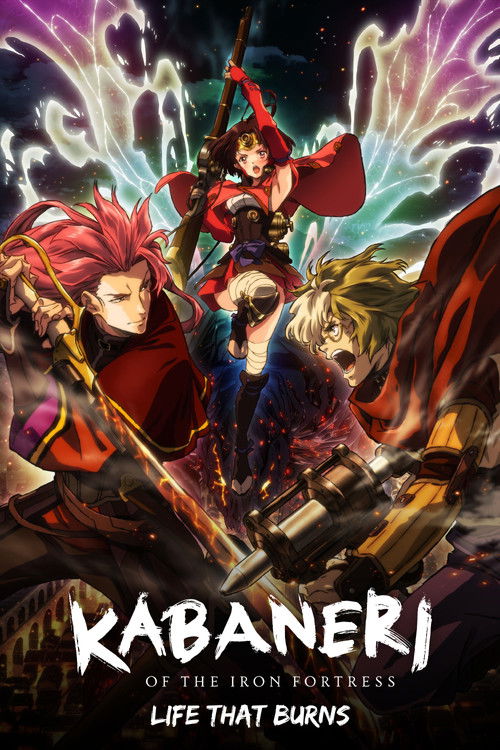
In the midst of an industrial revolution, the people of Hinomoto fight hordes of undead creatures, known as Kabane, using powerful armored trains. (Compilation film of the first half of the original TV series.)
The boozy mercenary of the title, based on the actual historical figure of Naoyuki Ban (1567-1615), attempts to rid a haunted castle of spooks.
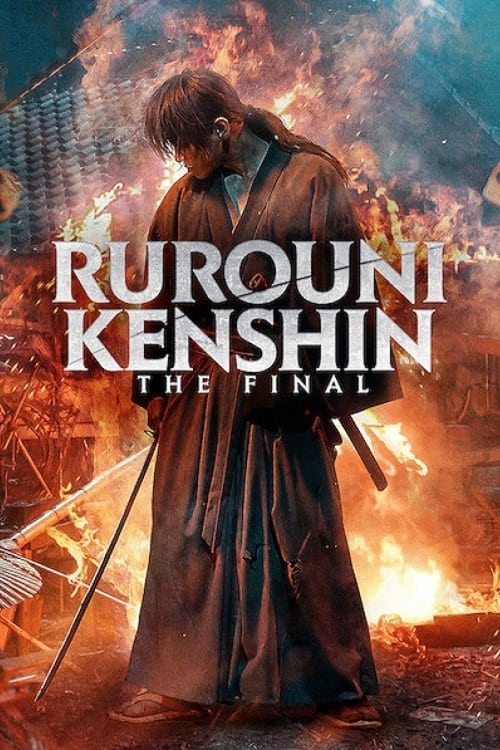
In 1879, Kenshin and his allies face their strongest enemy yet: his former brother-in-law Enishi Yukishiro and his minions, who've vowed their revenge.
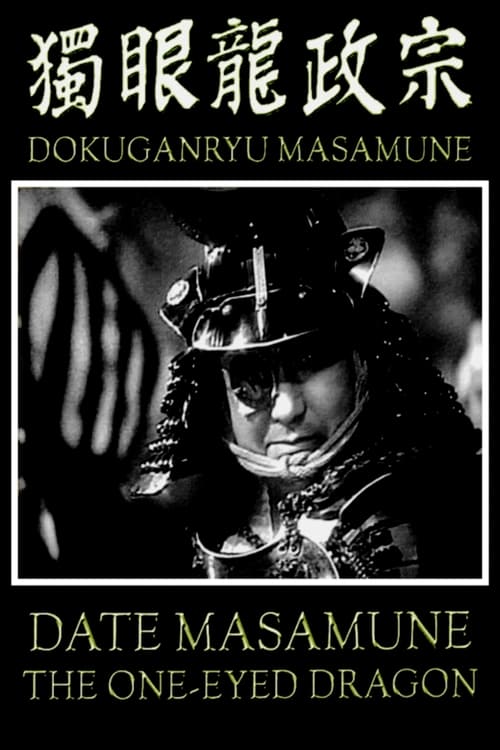
The life, adventures and exploits of warlord Date Masamune the One-eyed Dragon: his early youth as an aggressive warrior, the battles he won until subduing almost all his enemies, the lonely comprehension of knowing that he actually can not take over the whole country because he was born too late.
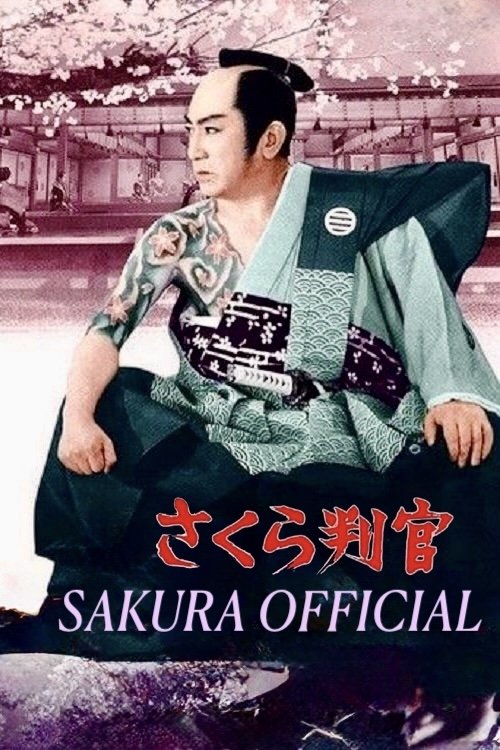
As Japan’s Tokugawa shogunate nears the end of its rule, Edo North Magistrate Toyama no Kinsan is called upon to judge the most difficult case of his career. In a masterfully woven tale, he has to face the truth about his estranged father’s possible involvement in a nefarious plot to take over rule of the Hizen Shimabara clan by assassinating the rightful lord, his son, and install one of Shogun Ienari’s offspring as daimyo.
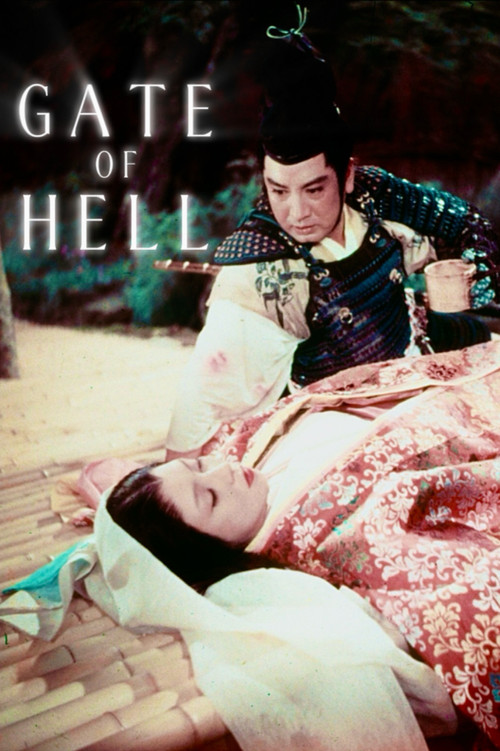
Japan, 1159. Moritō, a brave samurai, performs a heroic act by rescuing the lovely Kesa during a violent uprising. Moritō falls in love with her, but becomes distraught when he finds out that she is married.
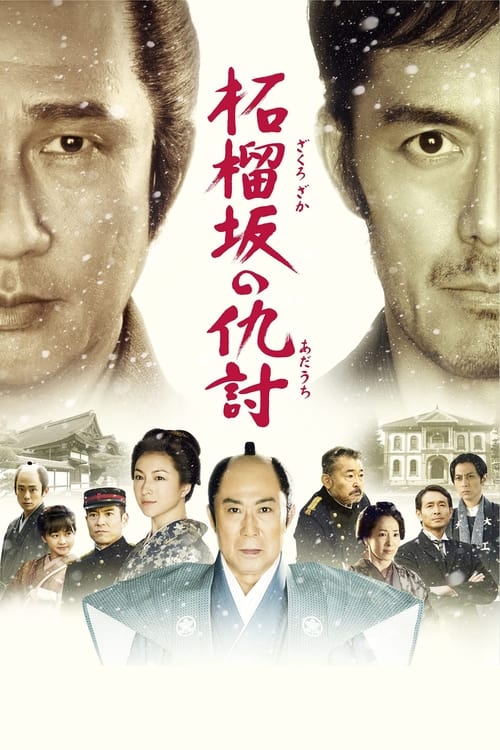
At Sakurada Gate in 1860, the shogun’s chief minister and his retinue of bodyguards are ambushed and annihilated. Bearing the responsibility and shame for this failure is Shimura Kingo, master swordsman and chief of the guard. Forbidden to take his own life in atonement, he is instead tasked with hunting down the remaining assassins; however, fate intervenes and now only one is left. Devoted to his late lord and his duty, he relentlessly pursues the sole remaining assassin for the next thirteen years. But times are changing in Japan and the way of the sword has become outlawed. What does this mean for Kingo?
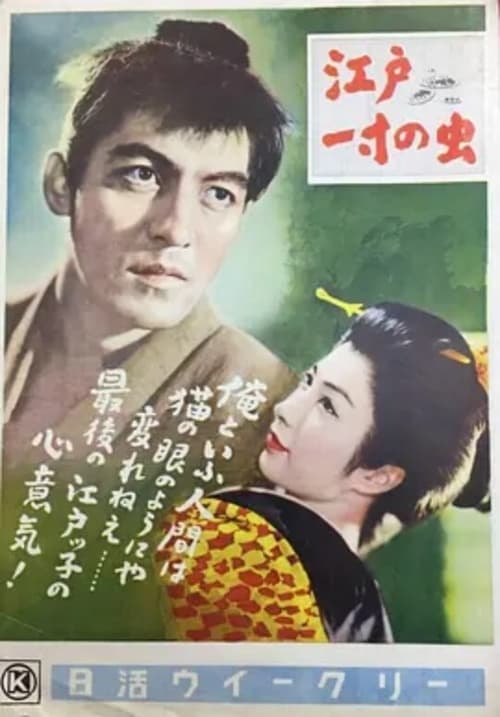
This historical film depicts the life of a man who was at the mercy of the waves during transition from the end of the Edo period to the Meiji Restoration, and therefore, shows audience the dynamic change from Edo to Meiji. Before the war, the director, Eisuke Takizawa, together with the writers, formed a scenario writer group "Narutaki-gumi and they shot many historical masterpieces.
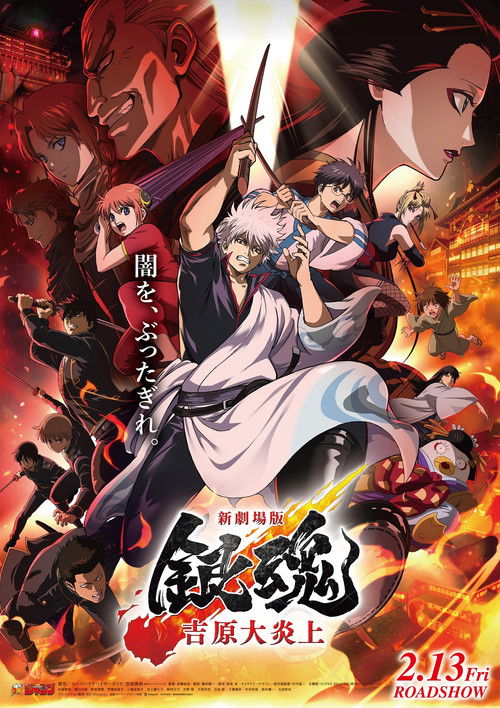
Upon meeting a young boy named Haruta who makes a living as a pickpocket, Gintoki discovers that he is pickpocketing out of a desire to meet his long-lost mother, Hiwa, Yoshiwara's number one courtesan. Gintoki and his friends venture to Yoshiwara to fulfill Haruta's wish, but standing in their way is Housen, the Night King who rules Yoshiwara.
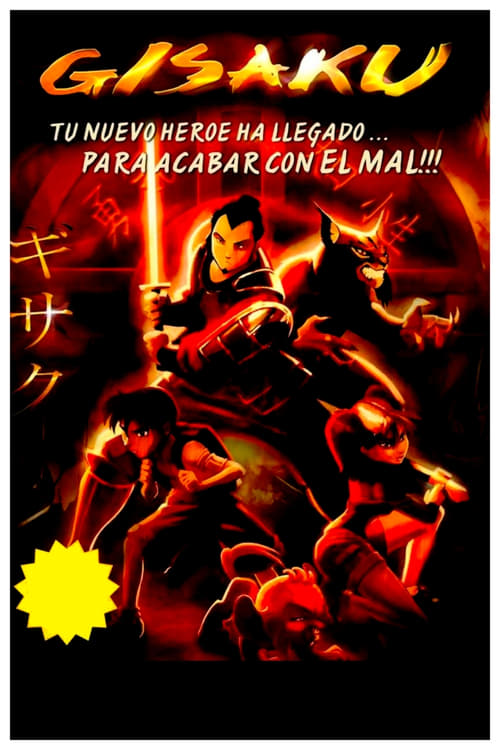
The adventures of a young Japanese samurai named Yohei who visited Spain in the 17th century, in a story loosely taking its inspiration from the travels of historic samurai Hasekura. Yohei survived in hiding to the present day due to magical powers, and accomplishes many adventures in modern Spain as a superhero.
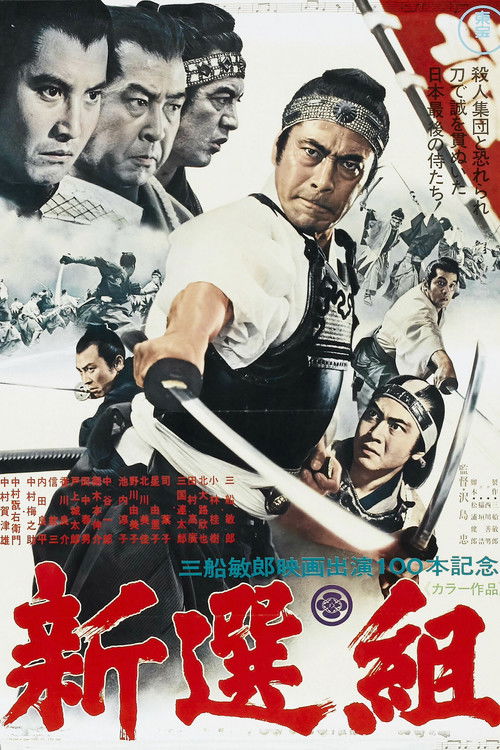
Near the end of the nineteenth century, as the balance of power shifts from Shogunate towards the Emperor, Japan restlessly awaits the dawning of a new age. But not all are content...The Shinsengumi, a small army of samurai, farmers and peasants, band together to do battle against the tide of history. Their leader, Isami Kondo is a man who rises from farmer to fighter to head the fierce Shinsengumi brigade. Using a stern hand and a heart of gold, he rallies his men in defense of the tottering Shogunate. But bloodshed and treachery lurk around every corner.
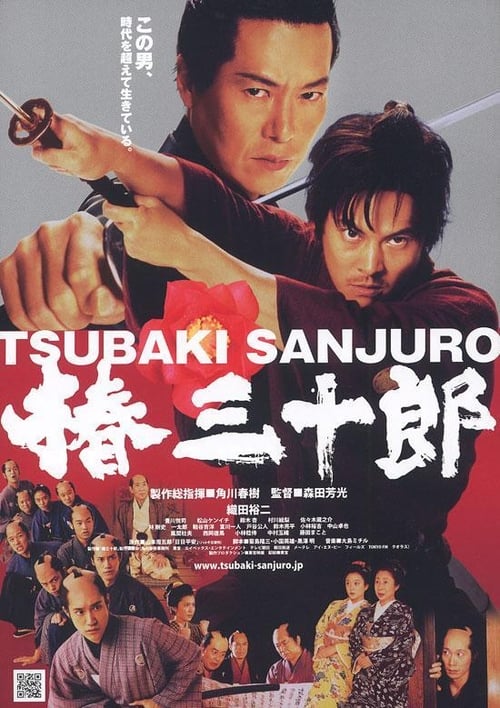
"Tsubaki Sanjuro" is a remake of Sanjuro (1962) by Akira Kurosawa. Sanjuro returns with sharper, faster, subtler sword, talking and perception. He uses them to settle the trouble and uses them good!
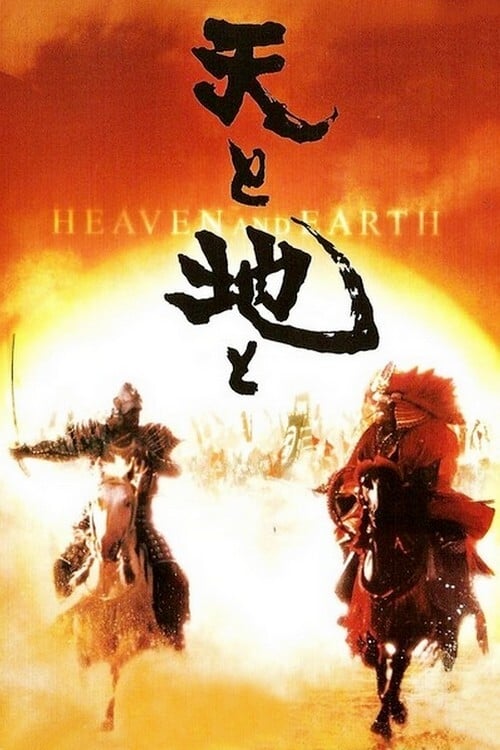
Warlords Kagetora and Takeda each wish to prevent the other from gaining hegemony in feudal Japan. The two samurai leaders pursue one another across the countryside, engaging in massive battles of cavalry and infantry. Younger and less brutal, Kagetora must find the strength to be as brutal as his opponent, but at what cost?