This was a news film with elements of reenactment. From December 1927 to 1932, 2,000 bus and train drivers were fired, provoking a strike. This film was edited out of footage shot from that strike over a long period.

The film tells the story of the Rote Zora, a militant women’s group in the FRG, which in the 1970s and 1980s carried out actions against various facets of patriarchal power relations. Narrations by various contemporary witnesses, interviews with a historian and former Zoras bring the history of the Rote Zora and the women’s movement of the time back to life. The film shows that many of the Rote Zora’s themes are highly topical and offers exciting material for discussion on how to deal with this history today.
Italy’s biggest political party, the Five Star Movement, promotes direct democracy through internet voting. Five Star Movement uses a digital platform named Rousseau, that allows Movement’s members to vote online and express their opinion on various issues. But who governs this data?
This short cautionary training film examines dangers associated with earthmoving equipment operation, showing many simulated accidents on construction sites.
The fascinating story of the rise to power of dictator Benito Mussolini (1883-1945) in Italy in 1922 and how fascism marked the fate of the entire world in the dark years to come.
Visionary, radical, spiritual seeker, renowned poet, founding member of a major literary movement, champion of human rights, Buddhist, political activist and teacher. Extensive archival footage, interviews, and home movies cover Allen Ginsberg's life, activism, and influence on American culture through the Beat era, the 1960s, and beyond.
Poland, 1970. When popular protests erupt in the streets due to rising prices, the communist government organizes a crisis team. Soon after, the police use their truncheons and then their firearms. The story of a rebellion from the point of view of the oppressors.
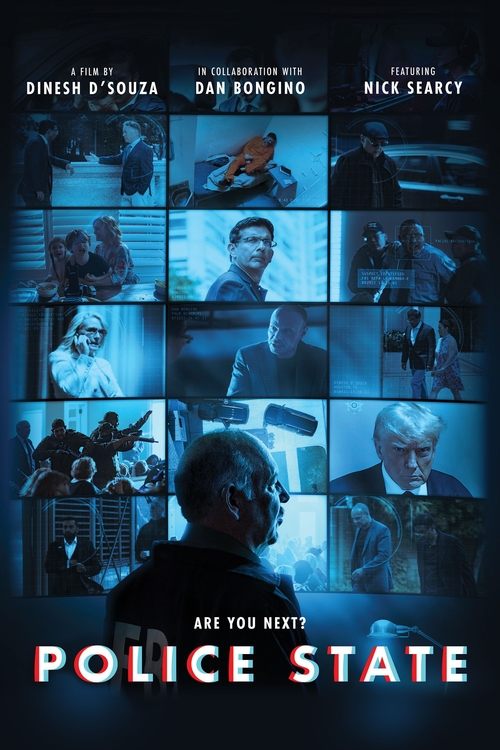
Dinesh D'Souza claims federal organizations like the FBI, CIA, and DOJ are corrupt and are unfairly and selectively targeting Christians and conservatives/Republicans.
The documentary investigates the lives and characters of Kamala Harris and Donald Trump as they seek the presidency. In a historic election, those who know the candidates best reveal key moments that shape how they would lead America. Award-winning filmmaker Michael Kirk and his team sat down with Trump and Harris’ friends, advisors and critics, as well as authors, journalists and political insiders to present deeply reported narrative arcs of both candidates’ lives, going all the way back to their childhoods. What emerges in FRONTLINE's "The Choice 2024: Harris vs. Trump" is the story of two fighters: One seeking vindication and promising a return to greatness, and the other seeking to move beyond the past and promising a greater future.
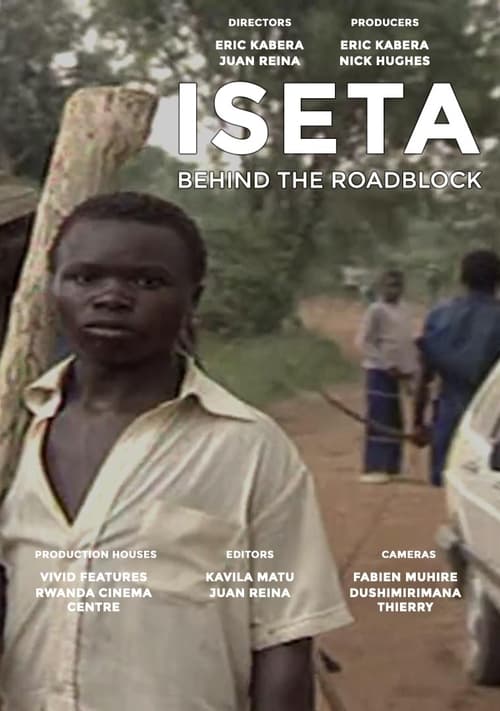
During April 1994, on quiet road in Kigali a group of neighbors in Rwanda were filmed. This was the opening days of the Rwandan Genocide, and even though almost one million people were slaughtered, remarkably there is only one known segment of footage showing any actual killing. This movie is about the extraordinary journey of that evidence as the original photographer returns to Rwanda, revisiting the people and events that he by chance caught on film. As the footage returns to the community, friends and family relive the tragic events as they work with the photographer to identify the victims, and then eventually the killers.
During the Syrian civil war, the district of Yarmouk, home to thousands of Palestinians, became the scene of dramatic and ferocious fighting. The film follows the destiny of civilians during the brutal sieges, imposed by the Syrian regime, that took place in the wake of the battles. With his camera, Abdallah Al-Khatib composes a love song to a place that proudly resists the atrocities of war.
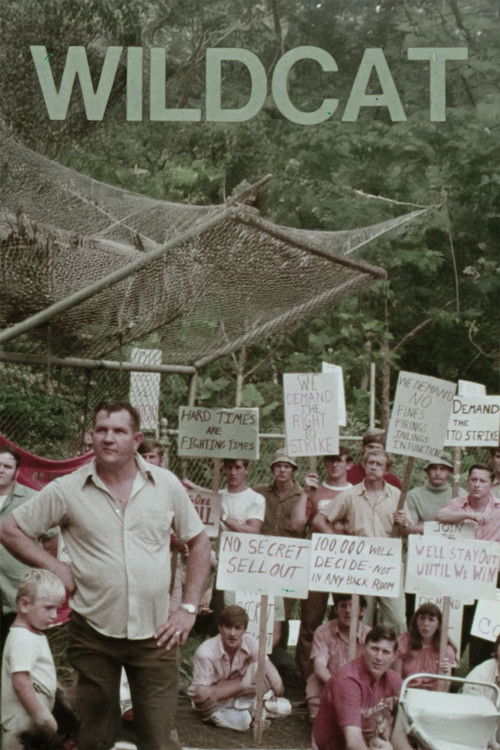
During the 1975 wildcat strike in Appalachia, tens of thousands of coal miners walk off the job to defend their right to strike, as cameras capture the struggle from inside the movement.
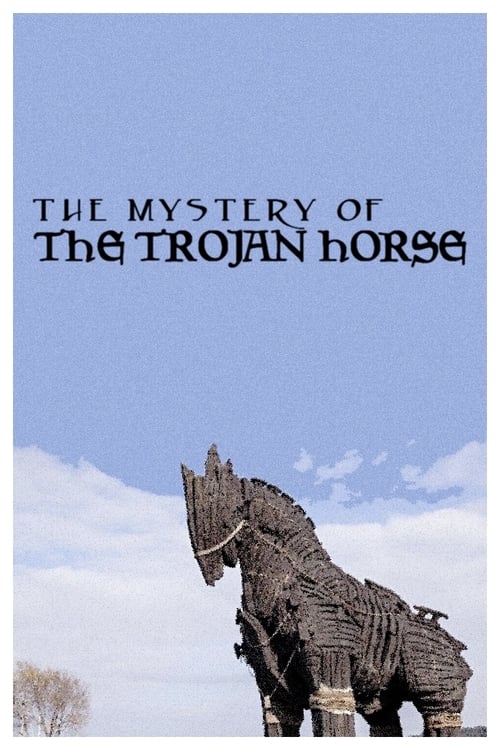
The story of the Trojan Horse is probably one of the most famous stories ever told: after ten years of bloody war, the Greek coalition decides to lift the siege and depart, but not before leaving at the gates a huge wooden horse, which the Trojans confidently lead into the city. A few hours later, the once invincible Troy goes up in flames. What exactly happened? Is this myth true or false?
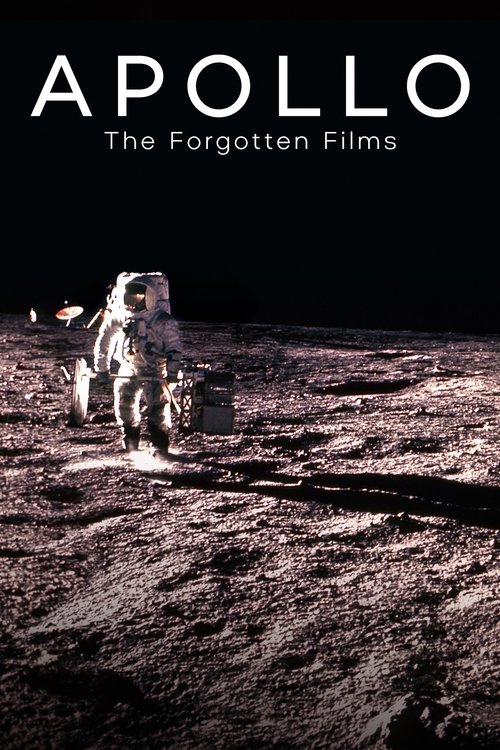
Recently discovered footage reveals the secret history of NASA's first landing on the moon, and using this brand-new evidence, former astronauts and experts challenge everything known about the Apollo missions.
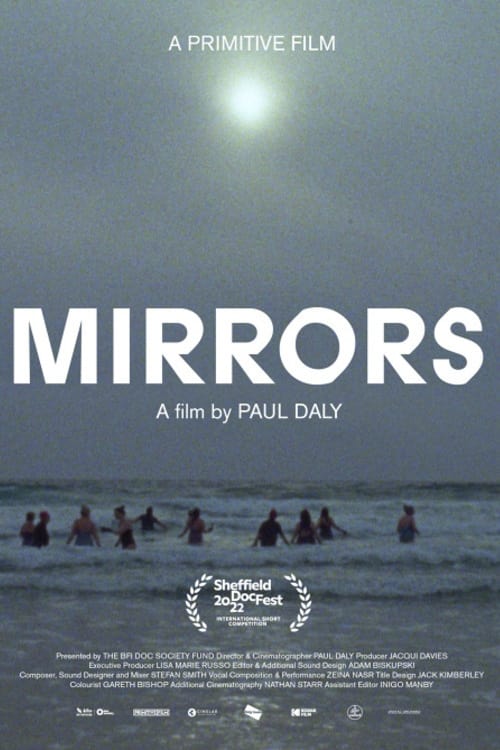
What began as a document of trades, traditions, cultures and home environments in contemporary England evolved and expanded to become an all-consuming project. Mirrors is a witness to unprecedented events as they unfolded on this singular isle over seven extraordinary years. From volatile public demonstrations to intimate domestic scenes, the film reveals the experience and emotions of living in England, explored through the lives of total strangers as well as family and friends. Shot exclusively on 16mm film, Mirrors is both lucid diary and poetic map - a meditation on human resilience in the most challenging era of our lifetime.
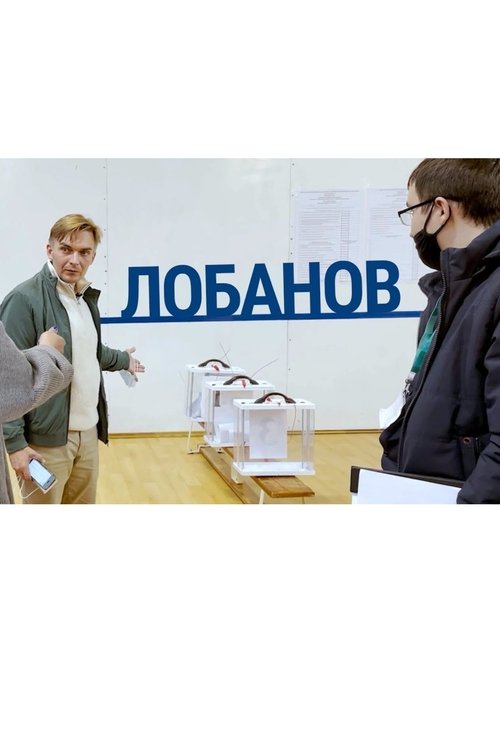
The 2021 Duma elections made Mikhail Lobanov a recognizable Moscow politician. The 37-year-old mathematician, lecturer at the Moscow State University, has long been involved in social activities: ten years ago he opposed political agitation at the university, participated in the creation of an independent association of university employees to protect their rights, and was almost fired for his activism. In 2021 elections, Lobanov ran for the Communist Party (he is not a member of the party, calls himself a democratic socialist) and waged a powerful grassroots campaign against the pro-government candidate, TV presenter Yevgeny Popov.
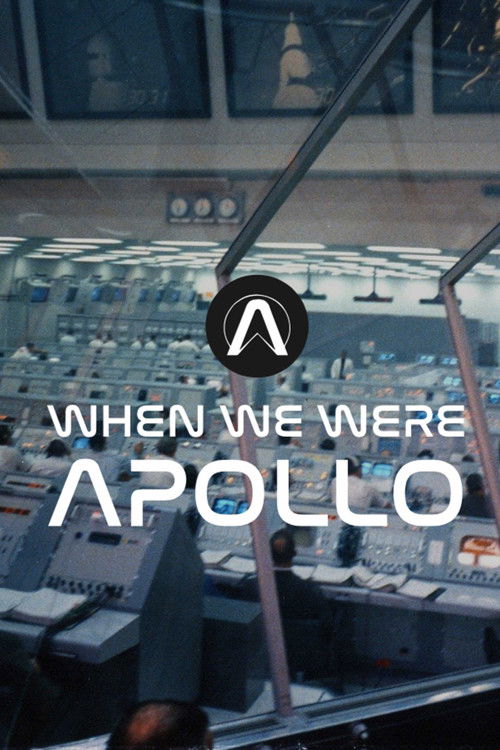
Who were the men and women of Project Apollo? Where are they today? What do they think of the extraordinary effort they helped make possible? Coinciding with the 50th anniversary of the first moon landing in 2019, When We Were Apollo is an intimate and personal look at the Apollo Space Program through the lives and experiences of some of its most inspiring behind-the-scenes figures: engineers, technicians, builders and contractors who spent the better part of a decade working to get us to the moon and back.
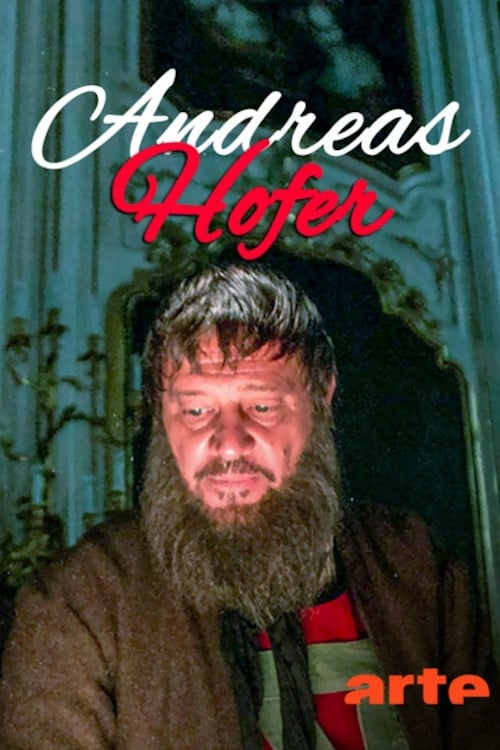
During the Napoleonic Wars at the beginning of the 19th century, Andreas Hofer became a Tyrolean folk hero. As the head of a resistance movement, he became caught up in a dangerous political game of interests between the French and Austrians, Napoleon and the Habsburgs. After the defeat at Austerlitz, the Habsburgs had to cede Tyrol to the Bavarian kings in 1805. The liberal Bavarians implemented numerous reforms in Tyrol, including religious reforms, which met with resistance from the rural population. The young Archduke Johann wanted to take advantage of their discontent. In Andreas Hofer, the commander-in-chief of the Tyrolean troops, the brother of Emperor Franz I finds a loyal patriot whom he can use for his political moves. The Tyrolean revolt against the French and Bavarians puts Napoleon in a tight spot. In several battles, the rebels succeed in defeating the Bavarian and French troops, but not in defeating them for good.
The New Aesthetics of Fascism
Fascists were the ultimate aura farmer. An aesthetic that was meant to hypnotize the public. Now we got ghibli-fied, shitposting clowns posing with chainsaws. What happened? To understand the "New Aesthetics of Fascism" we have to explore its "traditional" Aesthetics. Only by doing so we can recognize the parallels and especially the lost aura fascism once had.