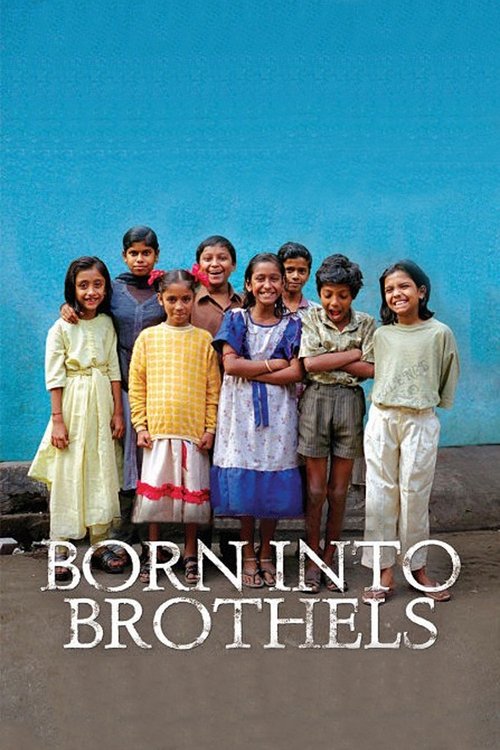
Five documentary shorts about various children from the third world.
Vicenta N'Dongo
as Herself (segment "La vida efímera")
William Hart McNichols is a world renowned artist, heralded by Time magazine as "among the most famous creators of Christian iconic images in the world". As a young Catholic priest from 1983-1990 he was immersed in a life-altering journey working as a chaplain at St. Vincent's AIDS hospice in New York city. It was during this time that he became an early pioneer for LGBT rights within the Catholic church. "The Boy Who Found Gold" is a cinematic journey into the art and spirit of William Hart McNichols. The film follows his colorful life as he crosses paths with presidents, popes, martyrs, and parishioners, finding an insightful lesson with each encounter. McNichols' message as a priest, artist and man speaks to the most powerful element of the human spirit: Mercy.
Since the late 18th century American legal decision that the business corporation organizational model is legally a person, it has become a dominant economic, political and social force around the globe. This film takes an in-depth psychological examination of the organization model through various case studies. What the study illustrates is that in the its behaviour, this type of "person" typically acts like a dangerously destructive psychopath without conscience. Furthermore, we see the profound threat this psychopath has for our world and our future, but also how the people with courage, intelligence and determination can do to stop it.
In this film, Sara Gómez documents the everyday life of the Isla de Pinos, the discussions about the problems of construction, the school and the leisure activities of the youth in 1968 and contextualizes these images with Frantz Fanon's thoughts about the construction of a nation through decolonization.
Through interviews with key AIDS Healthcare Foundation (AHF) stakeholders from over the years coupled with archival video footage culled from AHF's 30 years of advocacy, care and activism, 'Keeping the Promise' tells a compelling story of AHF's history while offering a glimpse of, and road map to its future.
For almost 50 years, the world's population has grown at an alarming rate, raising fears about strains on the Earth's resources. But how true are these claims? Taking cues from statistics guru Hans Rosling, Misconception offers a provocative glimpse at how the world—and women in particular— are tackling a subject at once personal and global. Following three individuals, director Jessica Yu focuses on the human implications of this highly charged political issue, inspiring a fresh look at the consequences of population growth. In English, Hindi, Mandarin, and Russian with subtitles.
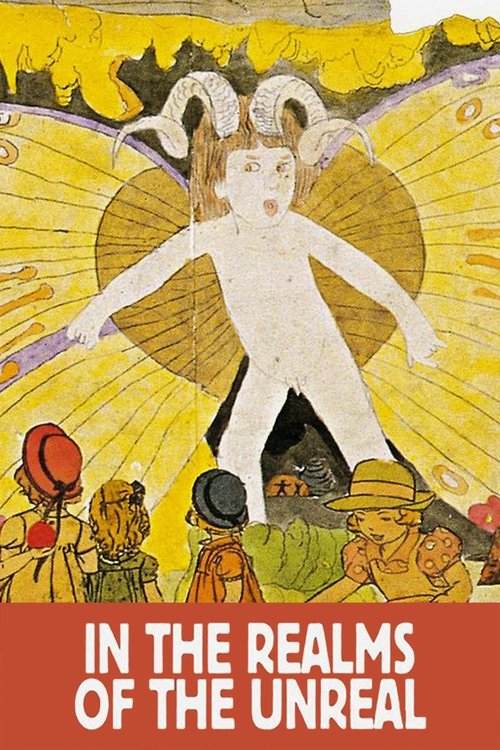
The armies of Fascist Italy conquered Addis Ababa, capital of Abyssinia, in May 1936, thus culminating the African colonial adventure of the ruthless dictator Benito Mussolini, by then lord of Libya, Eritrea and Somalia; a bloody and tragic story told through the naive drawings of Pietro Dall'Igna, an Italian schoolboy born in 1925.
Four years after a military coup overthrew the Brazilian government in 1964, all civil rights were suspended and torture became a systematic practice. Using a mix of fiction and documentary this extraordinary film is a searing record of personal memory, political repression and the will to survive. Interviews with eight women who were political prisoners during the military dictatorship are framed by the fantasies and imaginings of an anonymous character, portrayed by actress Irene Ravache.
This short film serves as a cautionary tale to farmers who recklessly cut down trees on their land. When prairie farmers engaged in this practice to facilitate plowing, they discovered that the trees had served as windbreaks protecting top soil from erosion. The Dominion Department of Agriculture's experimental station at Indian Head, Saskatchewan, cultivated acres of young trees for distribution to farmers.
In a candid, first-time interview with Rachel Lee, the so-called teenage mastermind behind a string of high-profile celebrity robberies in 2008 and 2009, the film examines the motivations of Lee and a group of her friends who broke into celebrity homes in Hollywood to ransack and steal, exploring the possible reasons behind her actions including mental health issues and addictions, as well as the climate of celebrity excess that fueled the teens, recontextualizing the events behind the sensational headlines.
A Boy Named Sue chronicles the transformation of a transsexual named Theo from a woman to a man over the course of six years. Following Theo's physiological and psychological changes during the process, as well as their effects on his lesbian lover and community of close friends, A Boy Named Sue tells a story about gender identity, relationships, and how even things that seem permanent can change.
Lissette's favorite aunt Adriana, who lives in Australia, is arrested in 2007 while visiting her family in Chile and accused of having worked for dictator Pinochet's notorious secret police, the DINA, and of having participated in the commission of state crimes. When Adriana denies these accusations, Lissette begins to investigate her story in order to film a documentary about her.
Inspired by an exclusive interview and performance footage of Chavela Vargas shot in 1991 and guided by her unique voice, the film weaves an arresting portrait of a woman who dared to dress, speak, sing, and dream her unique life into being.
Learn the origins and rise of modern day hula-hooping through eight extraordinary stories of hoop devotees who have embraced it as an art form, a teaching aid, and even an instrument of redemption. From the streets, to intimate clubs, to giant arenas, we alternate between self-filmed video diaries, verité documentary footage, and spectacularly filmed performances in an attempt to celebrate the healing power of movement and the spirit of human inventiveness.
The multilingual Bombay, the Bombay of intolerance, the Bombay of closed textile mills, of popular culture, sprawling slums and real estate onslaughts, the metropolis of numerous ghettos, the El Dorado. This film is a tale of the cities of Bom Bahia / Bombay / Mumbai, through a tapestry of fiction, cinema vérité, art objects, found footage, sound installation and literary texts. It is a chronicle of the journey of a scattered bunch of insignificant fishing hamlets to the coveted stature of a prime metropolis. The narrative is structured around fictional exchanges between Ismat Chugtai and Sadat Hasan Manto, the two legendary writers who lived in this metropolis, over the art of chronicling these multi-layered overlapping cities.
This is the story of a year in the life of one mother whose daily struggles illuminate the challenges faced by more than 42 million American women and the 28 million children who depend on them.
A documentary on the war between the Guatemalan military and the Mayan population, with first hand accounts by Nobel Peace Prize winner Rigoberta Menchú.