Dany Mercier
as Lui-même
Quentin Mercier
Françoise Blondy
as Elle-même
Daniel Blondy
Gilbert Blondy
Patrice Teillet
Marie-Christine Vannereau
This documentary follows the French soccer team on their way to victory in the 1998 World Cup in France. Stéphane Meunier spent the whole time filming the players, the coach and some other important characters of this victory, giving us a very intimate and nice view of them, as if we were with them.
Documentary on the annual French award ceremony where the Victoire accolade is delivered by the French Ministry of Culture to recognize outstanding achievement in the music industry.
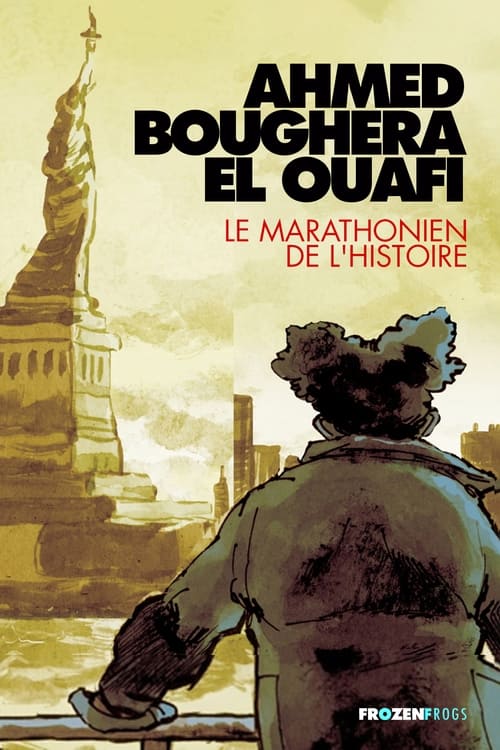
On August 5, 1928, after 2 hours and 32 minutes of racing, the 71st rooster wearing the bib entered the Olympic stadium in Amsterdam. Ahmed El Ouafi Bouguéra wins the gold medal and becomes the first Olympic champion from the African continent. He achieved his feat under the tricolor flag. The start of his real marathon is underway. The history of sport extends to the history of Algeria and France. This documentary retraces the different stages of the life of this great champion, not only the history of sport but also the great story. Archival photographs and interviews mingle with the painted paintings. The series thus once again gives voice to this forgotten hero, one of the great heroes of immigration who defended France for more than a century.
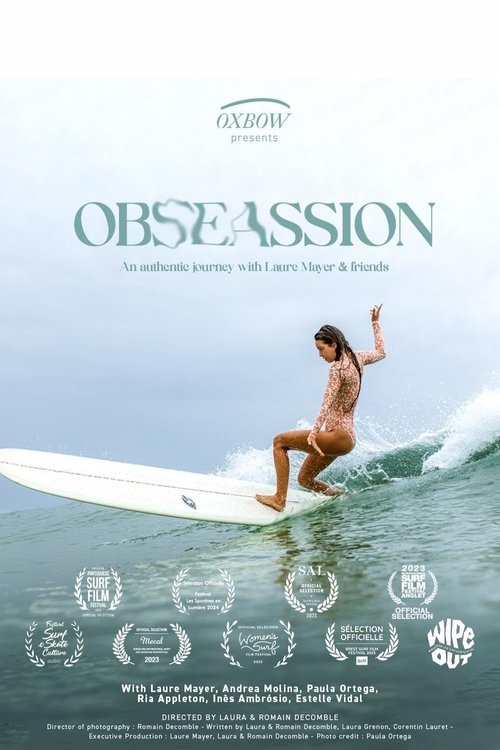
A true artist of classic longboarding, Laure Mayer has found her rhythm and her lifestyle in Byron Bay, Australia. A life of surfing, travelling and encounters that has allowed this entrepreneur to build friendships all over the world. Back in Europe, she decided to go on a road trip along France, Spain and Portugal, in which Laure met Estelle, Paula, Andrea, Inés and Ria. Just like Laure, these surfers have chosen a lifestyle that allows them to enjoy the priceless freedom of surfing as often as possible.
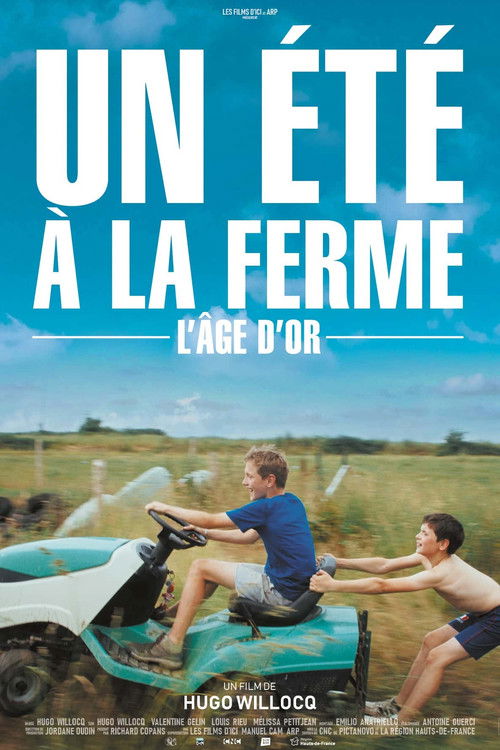
A documentary following 12-year-old Paul and his brother Germain during a transformative summer in rural France. The film explores the loss of innocence as Paul confronts the harsh financial and physical realities of his family's farming livelihood, highlighting the father-son bond and an uncertain future.
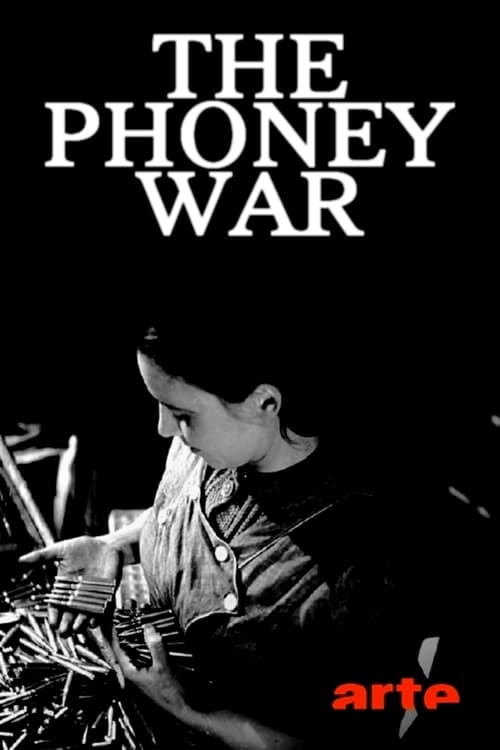
September 3rd, 1939. Britain and France declare war on Nazi Germany, only two days after the Wehrmacht invades Poland. This day, the sad date when the fate of the world changed forever, the Phoney War began: eight months of uncertainty, preparations, evacuations and skirmishes.
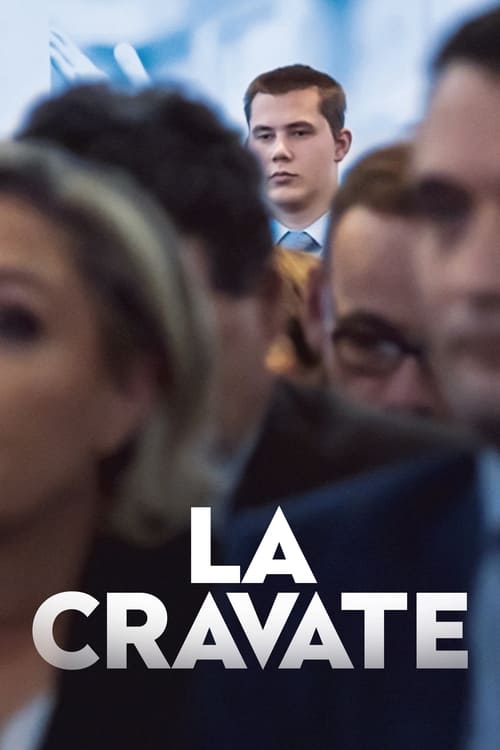
Bastien is twenty years old and has been an activist for five years in the main extreme right party. When the presidential campaign begins, he's invited by his superior to commit even further. Initiated into the art of decking himself out like a politician, he starts to dream of a career, but old demons surge forth...
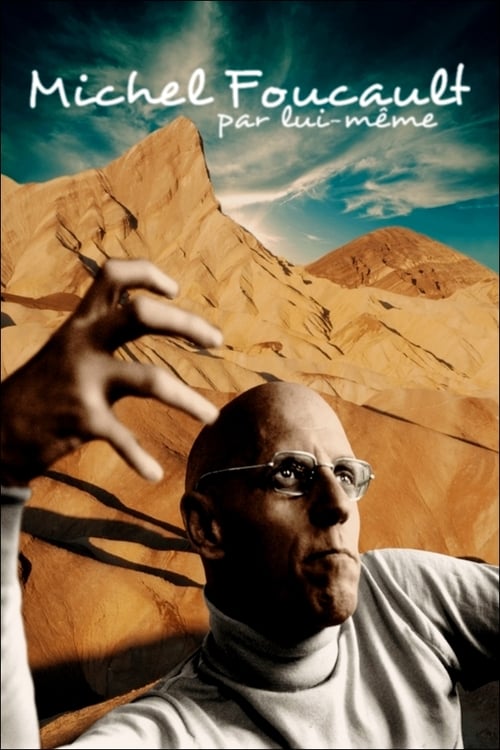
A voyage to the center of the thought of Michel Foucault (1926-1984), a tireless explorer of the margins, a brilliant and atypical thinker, through excerpts from his books and lectures, and the use of images that resonate with them.
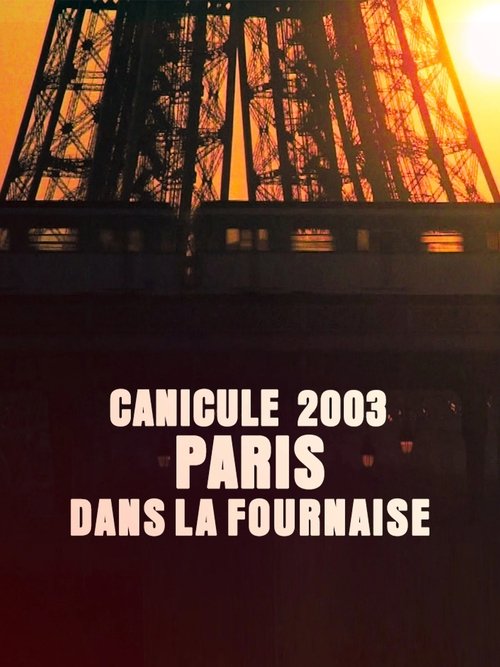
The heatwave of 2003 remains etched in our memories. We remember an angry emergency doctor, crowded hospital corridors, and a health minister in a polo shirt who seemed completely out of touch with reality. Between August 1 and 20, 2003, the heatwave claimed 15,000 lives. One in three victims lived in the Ile-de-France region, which was hardest hit by this deadly heatwave. This tragedy revealed many shortcomings. First, the lack of preparedness of the public authorities to deal with such a health crisis. Second, the way in which the elderly are treated. Climatologists estimate that from 2050 onwards, the summer of 2003 will be the norm. Hyper-urbanization, poor insulation in homes, and a lack of green spaces are all factors that exacerbate the effects of high temperatures.
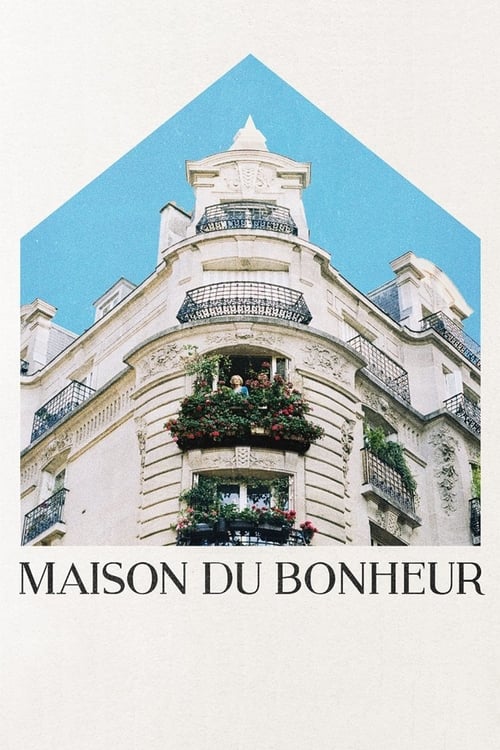
When asked to make a documentary about her friend’s mother—a Parisian astrologer named Juliane—the filmmaker sets off for Montmartre with a Bolex to craft a portrait of an infectiously exuberant personality and the pre-war apartment she’s called home for 50 years.
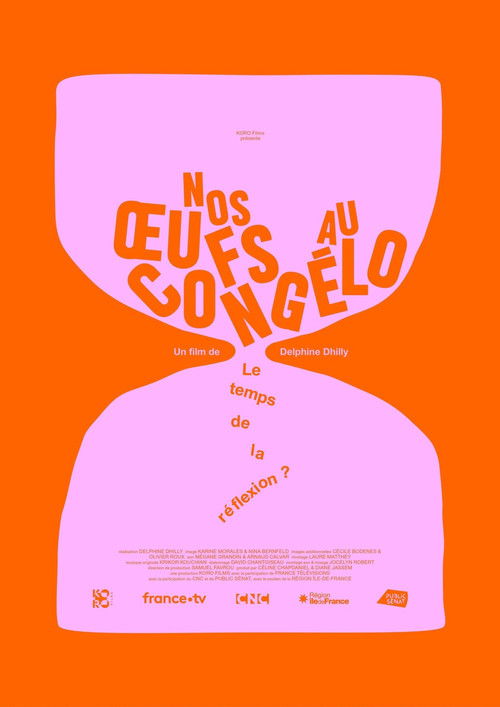
Since the law of August 2, 2021, on bioethics, French women between the ages of 29 and 37 have the right to collect and freeze their eggs, free of charge, without medical reason, regardless of their marital status. From this simple law, and thus from this right, emerges a complex and fascinating reality.
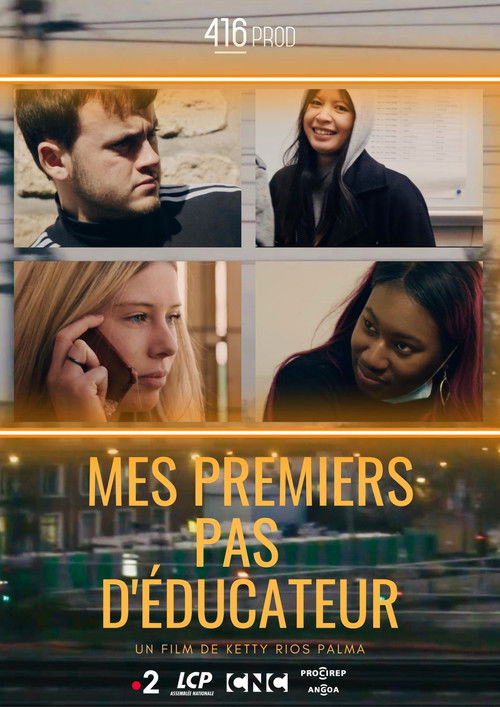
Hannah, Laure, Adrien, and Halima are students at the Regional Institute of Social Work in Paris. Four students among the fifty in the first year of training to become educational support workers. They chose this profession out of commitment and vocation. Between the classroom and their field placements, they will confront their dreams and ideals with the realities on the ground, discover new sides of themselves, and begin to shape the contours of the profession they will practice—each in their own way.