Dancing is a passion of the rich, believes Manish Chauhan , the 21-year-old son of a taxi driver in suburban Mumbai. Yet he, like his friend, 15-year-old Amiruddin Shah daydream of becoming principal ballet dancers in big American companies.
Manish Chauhan
as Self
Amiruddin Shah
"India" developed out of my three journeys to Pune in 2001, 2002 and 2004. I arrived in a forgein country, and felt surprisingly familiar in the foreign. There in the streets, walking among the people, surrounded by their movements, their gestures, by the colors, the light, the beauty. Small things awakened my attention, sometimes only a short glimpse, a hand movement, the color of a sari, a temple hidden in a courtyard. It was like a long hot bath that I took there in Pune's streets - something unique and very beautiful.
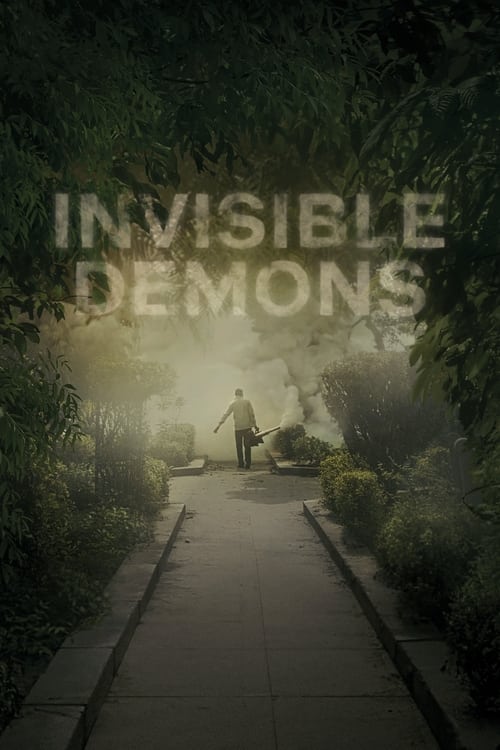
A prismatic meditation on pollution in the capital of the World’s biggest free-market democracy and the most polluted and populated city, Delhi – a film about the pollution inside of the human mind.
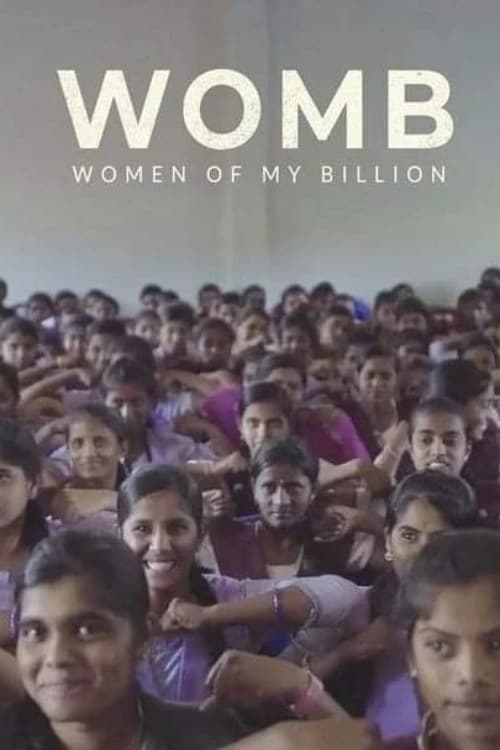
A young woman, Srishti Bakshi embarks on a monumental journey, walking almost 4000km over 240 days, from Kanyakumari in the south, to Kashmir, in the North, along the way meeting and learning first hand about the experiences of many women from all corners of India. WOMB is a poignant and heart warming documentary exploring the social and political issues faced by women of today’s India. It is a unique testament to seemingly insurmountable challenges in these unprecedented times and the everyday sheroes who are battling to overcome.
Amidst the urban transformation driven by progress, bulldozers dismantle 'illegal' settlements, leaving countless lives shattered. In the aftermath of such upheaval, one basti, sacrificed to conceal poverty during the G20 summit, and another basti, abandoned by authorities without alternative housing, illustrate the stark realities of displacement. The film delves into the daily struggles of individuals who persist in the rubble of their former homes.
The film starts with the earliest form of cinema and how Shama Zaidi became an integral part of the evolution of Indian Cinema.
An ethnographic exploration of women’s collectives in the village of Shiv Nath in Himachal Pradesh that has empowered local women since the 1980s, showcasing their journey towards social and economic empowerment and resilience through the narratives of its women.
A turbulent newsroom drama that intimately chronicles the working days of broadcast journalist Ravish Kumar as he navigates a spiraling world of truth and disinformation.
A charismatic Indian-Nepali boy, lives a bohemian life in a remote Himalayan village. As he transitions from childhood to teenagehood, his poetic journey of perseverance echoes issues that span across ages and communities.
Krishnattam or Krishnanattam (Play of Krishna) is a temple ritualistic art performed at Guruvayur Temple (Guruvayur 680101, Trishshur District, Kerala) by a troupe owned by Guruvayur Devasvam. The performance of Krishnattam is based on Krishnagiti, a poetic text in Sanskrit containing verses and stanzas, written by the Zamorin King Manavedan in 1654. The story of Krishna, described in Bhagavata, Mahabharata and Harivamsha is presented in Krishnattam as songs, dance and acting in a sequence of eight plays (Avataram, Kaliyamardanam, Rasakrida, Kamsavadham, Svayamvaram, Banayuddham, Vividavadham and Svayamvaram) in eight days.
“Special,” “Gifted,” “Different,”… Despite the vast inventory of words to describe children who are on the Autism Spectrum, we still understand so little about their worlds outside of the medical lens. In Our World follows 3 children in their day-to-day lives – swimming classes, horse-riding, music lessons, special moments with their parents and therapists – and so much more, converging into a narrative that spells hope. The documentary aims to reveal the intricacies of their world and perhaps pave the way for OUR world, and for both to coexist with empathy and kindness.
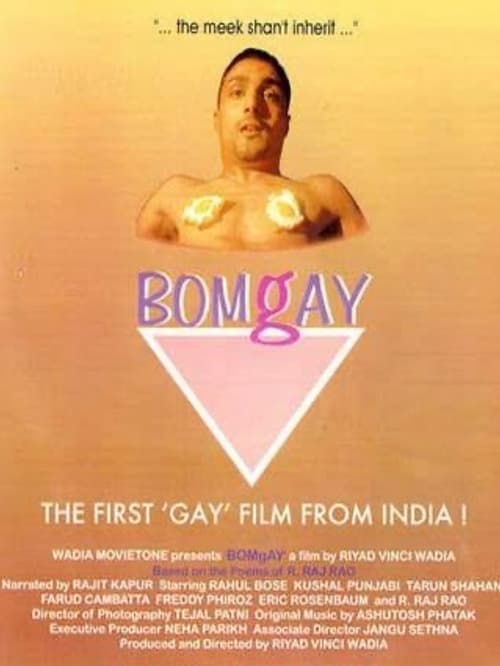
Based on the poetry of R. Raj Rao, Bomgay is a collection of six vignettes that depict the underground and complex nature of the gay identity in urban India. Part Genet, part Bollywood, this film combines acidic verse and insightful imagery to reveal the emerging gay community in the post-liberalized India of the 1990s.
In the dense forests of the Eastern Himalayas, moths are whispering something to us. In the dark of night, two curious observers shine a light on this secret universe.
Tree planting in Rajasthan, India, has become a symbol of freedom in the middle of the desert. Families in this community have abandoned the belief that the birth of a girl is a curse.
Filmmaker Anand Patwardhan looks to history and psychology as he delves into the possible reasons behind the demolition of the Babri Mosque.
Conversations with 92 year old Kamlabai Gokhale, a pioneering actress of the Marathi stage and the first lady of Indian film. The documentary gives an impression of the history and growth of Indian film and theatre as it was experienced by a woman who struggled against the social structures of her times.
The film explores the campaign waged by the Hindu right-wing organisation Vishva Hindu Parishad to build a Ram temple at the site of the Babri Masjid in Ayodhya, as well as the communal violence that it triggered. A couple of months after Ram ke Naam was released, VHP activists demolished the Babri Masjid in 1992, provoking further violence.
An ascetic walks through the narrow streets of a village every morning while his family is still asleep. In his semi-somnolent state he dreams about the history of the village mixing up myths, folklore and facts.
In 'Queen of Vikretamandi, we follow the stories of three female street vendors in Mumbai. Each woman faces her own challenges but also enjoys her victories. The documentary shows their strength and hard work. It creates a close and powerful picture of how they survive and thrive in a busy city that is always awake.
A short film that sets up an opposition between functional forms of industrial age and decorative ones from Indian tradition.
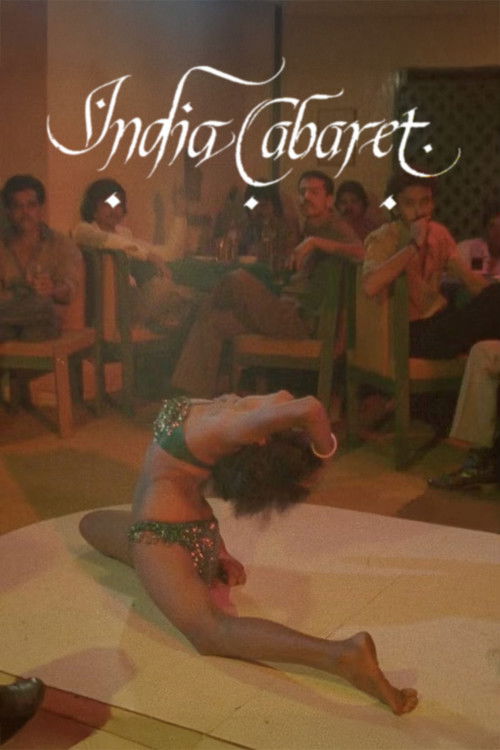
An exploration of the 'respectable' and 'immoral' stereotypes of women in Indian society told from the point of view of two striptease dancers in a Bombay cabaret.