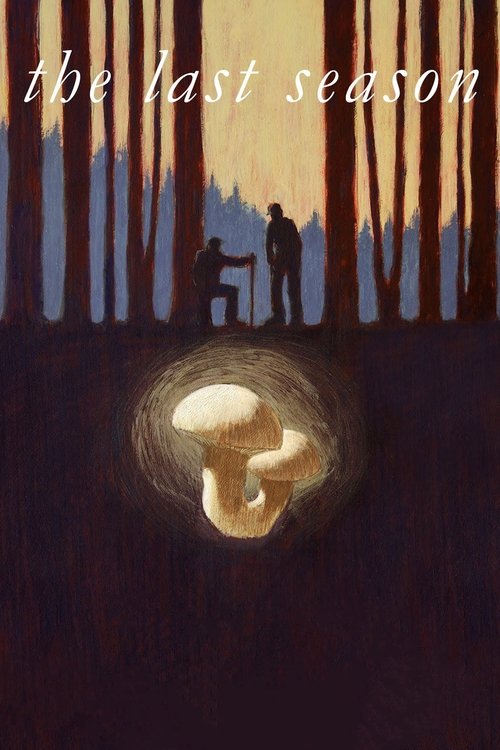
A group of artists settle in a swamp on the banks of the Indre River. Meanwhile, a voice describes a utopian world.
Tinne Zenner
as
Baptiste Jopeck
Constantin Jopeck
Valentine Siboni
Félix Rigal
Britain's Special Operations Executive (SOE) provides trained agents, arms and other assistance to the European resistance groups fighting against Hitler. British agents, Captain Harry Rée DSO, OBE, Croix De Guerre, Médaille de la Résistance, aka "Felix", and Jacqueline Nearne, MBE, aka "Cat", recreate some of their adventures in France.
Art, auctions, huge valuations of individual works, a market full of enigmas. The inaccessibility of the art world and its business mechanisms, incomprehensible to many, have always worked on the imagination. However, the incredible growth of interest in buying art in Poland over the past few means that the curtain of mysticism must be slowly falling. A look at the Polish art market, which with the political transformation has changed from a marginal and obscure curio to a modern, professional machine, opening for some artists of the youngest generation the gates of success inaccessible to their predecessors.
This film explores the lives of those men and the memories of those left behind: the childhoods they shared and the choices they made. These men, now in their 60s, reflect on what has happened to their generation, why most of their friends and relatives died so young and how this particular apartment block captures the story of a whole generation. The voices and lives of the departed are included in clips from amateur videos from the 1990s. Set against the background of old friends’ attempt to understand their deaths, this film is about nostalgia and how memories kindle a special kind of love for home.
Celebrating Billy Connolly's 75th birthday and 50 years in the business, three Scottish artists - John Byrne, Jack Vettriano and Rachel MacLean - each create a new portrait of the Big Yin. As he sits with each artist, Billy talks about his remarkable life and career which has taken him from musician and pioneering stand-up to Hollywood star and national treasure.
The hidden story of a savory local specialty found only on the French Riviera and the surrounding areas. Socca enjoys a historical and cultural significance that far outweighs its simple and rustic four ingredients. How Nice!
The Emmy-winning story of how an American treasure hunter and a Mexican artist transformed a dying desert village into a home for world-class art.
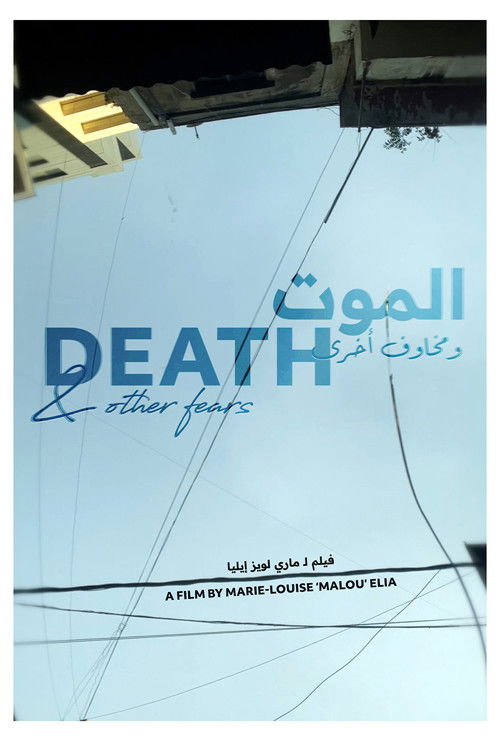
While everyone wants to die "at home" without suffering and surrounded by loved ones, in reality almost everyone dies in hospital. What healthcare provisions enable people to die at home? Are we all equal in terms of the support we receive, regardless of where we live? Young caregivers in a home hospitalization unit drive day and night along the Alabaster Coast. From house to house, from dying person to dying person. Accompanying a dying person at home also means accompanying their loved ones, immersing oneself for a few days or weeks in the intimacy of a family history. Thanks to them, the end of life returns to the home, to the family, and is rehumanized.
The vast savannah of the Serengeti. A large part of the genus Panthera lives here. Better known as the "actual big cat". They are among the largest cat species on earth. Among them is the lion, the true predator beneath the vast African sky. 'The King of Africa', male specimens of which weigh up to 270 kg, captured in breathtaking images that show the fascinating world of the big cats. Funny, tragic and spectacular recordings also document the fastest animal in the world, the cheetah, follow leopards on your trail and experience the first days of a black panther.
Max Gimblett: Original Mind documents the life and process of eccentric, creative genius Max Gimblett. One of New Zealand’s most successful and internationally prominent living painters, Gimblett has been working in America since 1962. The filmmakers spent a week in Gimblett’s Soho loft where he and his devoted studio assistants generously revealed the techniques and philosophy behind his beautiful art.
On November 25, 1973, the first of four car-free Sundays transformed West Germany's deserted highways into spaces for walking, cycling, and horse-drawn carriages, while towns and cities took on a festive atmosphere. Introduced during the oil crisis to conserve fuel after the Arab oil embargo and production cuts following the Yom Kippur War, the measure became an unforgettable collective experience. Beyond the immediate energy shortage, the crisis marked a turning point, ending the postwar economic boom and encouraging greater awareness of energy use, consumerism, and environmental issues.
94-year old Esther, a pensioner with bad sight, is in search of her artist daugther’s public decoration. Endless phone conversations takes her through municipal bureaucracy and lost culture secretaries. Will she ever get an answer to the eternal question: Where does the art really go?
The adventure of the minitel, a small cubic terminal with a folding keyboard that began in the 1970s in the labs of France Telecom, is closely linked to Alsace. Alsatians had then in hand the future tools of interactive communication. What remains today of all those minitel years? Like a nocturnal and intimate road-movie, this documentary went to meet the last people who are still interested in the minitel, this strange beige box of access to telematic services, corny today, but pioneers at the end of the last century.
A short, low-budget documentary that follows a small jobbing band from the north of England called 'Hardwicke Circus' as they perform a gig and music workshop at 'Standford Hill HMP', a men's prison on the Isle of Sheppey in the south of England. Shot in Ben Archer's fly-on-the-wall 'gonzo' style of filmmaking and taken from the band's late-2019 tour of England's south coast, this documentary focuses on the joy of performance and music in an environment that does not often allow such expression. Bookended by short commentary from the band's lead singer Jonny Foster, 'Hardwicke Circus: The Prison Gig' is an uplifting ode to the power and necessity of art, even for those that society have deemed not to deserve it.
We all know the big bad wolf of fairy-tale fame—over hundreds of years the wolf has become a culturally imprinted symbol of fear that’s completely detached from reality. In fact there weren’t even any wolves in western Europe for a long time. But they’re back—for example in Germany, where these social animals now occupy a few scattered areas around the country that people have left to them.
An astonishing journey revealing the awesome power of the natural world. Over the course of one single day, we track the sun from the highest mountains to the remotest islands to exotic jungles.