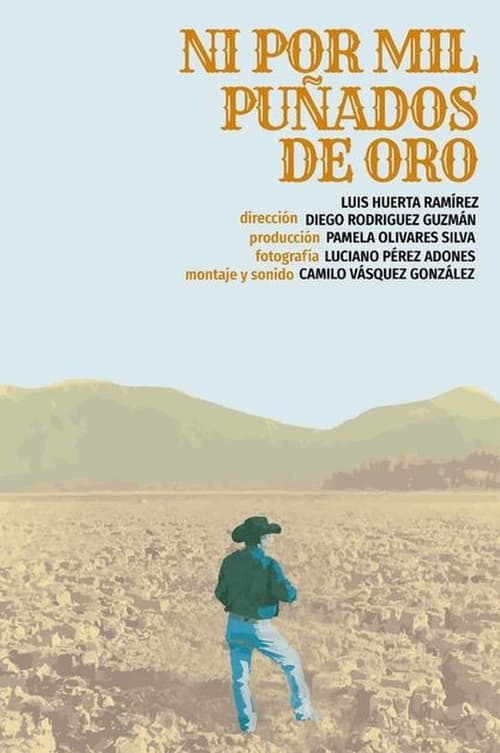
Punta de Choros is a town in northern Chile. This sacred place, its desert environment and its inhabitants are interrupted by Dominga, a mining project that threatens biodiversity and the landscape.
Over 46 minutes, the film takes the viewer on a journey to discover different initiatives and cases where Chileans are contributing to mitigate the effects of climate change, from large-scale projects and scientific innovations to day-to-day citizen actions, all of which are collectively necessary. The focus of this documentary is to show how Chile is contributing to an issue that affects all of humanity, such as climate change, in five thematic areas: sustainable agriculture; forest and biodiversity conservation; renewable energy; the water crisis; and astronomy.
The documentary follows a group of Latin American environmentalists and scientists on their risky expedition through the second largest coral reef in the world.
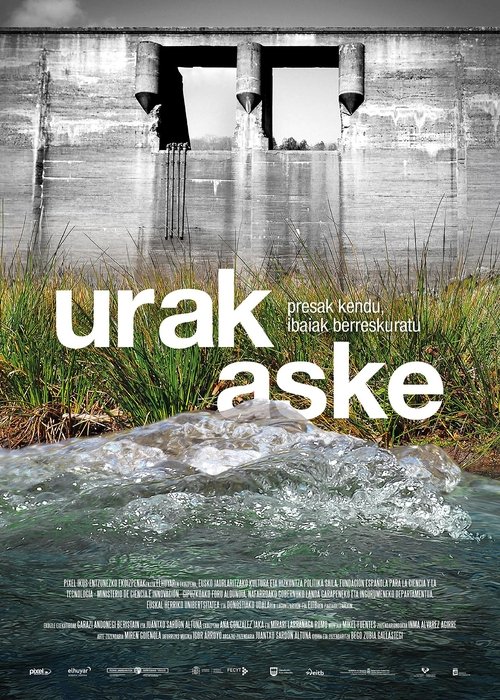
Draining two million cubic meters of water to protect a small animal in danger of extinction. This has been the task of those who have worked to remove the Enobieta reservoir and ensure a safe haven for the Pyrenean desman. This amazing story took place in Artikutza, the estate that San Sebastián bought in Navarre a century ago and which is now one of the best-preserved natural sites on the Cantabrian coast. In Normandy, meanwhile, the large Vezins dam has been removed. Its demolition will allow salmon to return to the Sélune River. Abandoned dams on rivers are barriers to biodiversity, and their demolition allows us to imagine a more habitable planet. That future will depend on small gestures, or large ones, such as those in Vezins and Enobia.
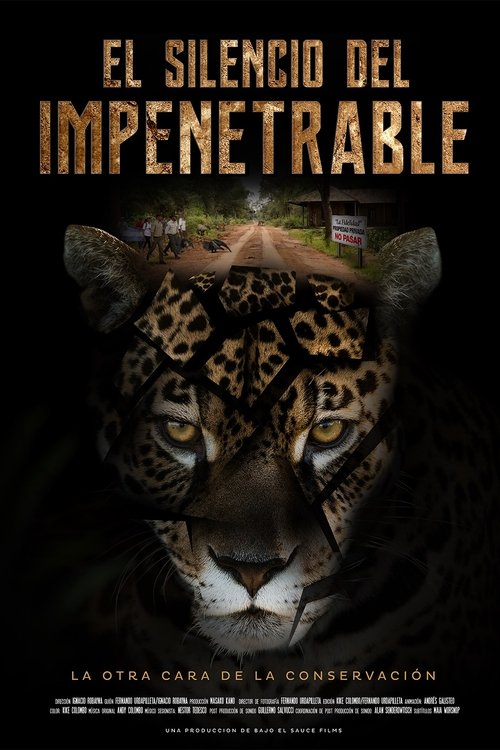
The calm of the jungle is invaded.
60 years ago, in the Algerian desert, an atomic bomb, equivalent to three or even four times Hiroshima, exploded. Named the “Blue Gerboise”, it was the first atomic bomb tested by France, and of hitherto unrivaled power. This 70 kiloton plutonium bomb was launched in the early morning, in the Reggane region, in southern Algeria, during the French colonial era. If this test allowed France to become the 4th nuclear power in the world, it had catastrophic repercussions. France had, at the time, certified that the radiation was well below the standard safety threshold. However, in 2013, declassified files revealed that the level of radioactivity had been much higher than announced, and had been recorded from West Africa to the south of Spain.
The river Yamuna, known to the locals as 'Jamna', the lifeline of Delhi, is going through a major crisis due to pollution, mismanagement and sheer ignorance. A documentary crew tries to make sense of the situation by talking to different stakeholders and Shyam - a boatman who relies on the river for his livelihood.
The director's father, who did not know how to use a computer, left her an autobiography via email. It includes his whole life through many notable events such as the Korean War, the Vietnam War, 88's Seoul Olympic, New Town Development, etc.