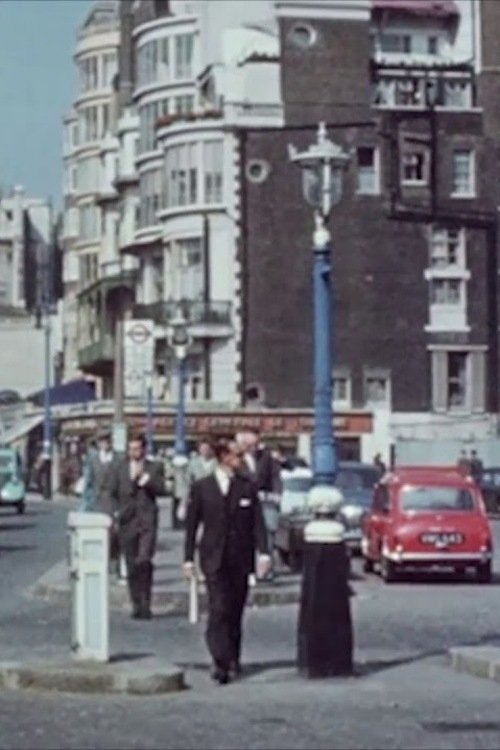
An overview of high-rise construction activity in London. From the crane operators who build the new sky-scrapers to the tenants who live in the penthouses, this newsreel provides a colorful birds-eye view of London Town.
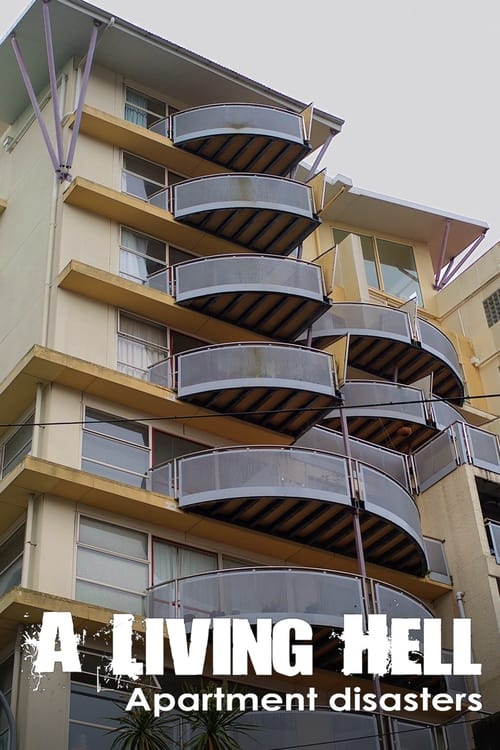
Leaky home experts John Gray and Roger Levie uncover the shocking truth about the dreadful and dangerous state of many apartment buildings in New Zealand. Buildings that look sound turn out to be seriously defective, costing millions to fix, and in the worst cases, only fit to be pulled down. The owners who thought they were making a good step on the property ladder, now find themselves faced with an emotional and financial cost that will affect the rest of their lives. How did this building disaster come about and can it be fixed?
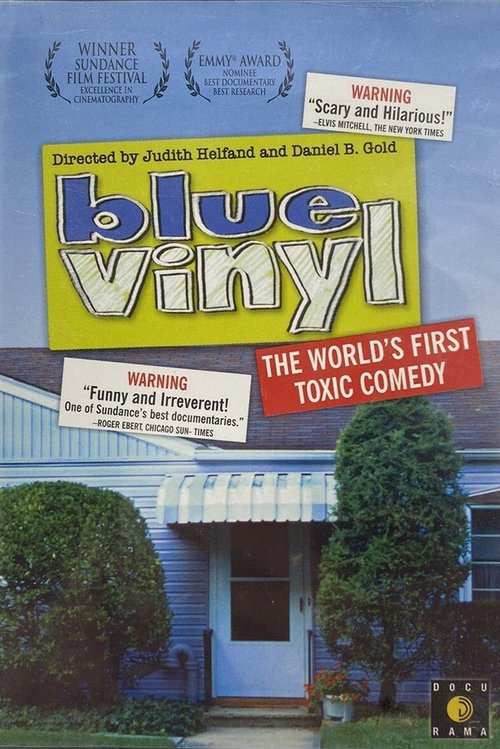
With humor, chutzpah and a piece of vinyl siding firmly in hand, Peabody Award-winning filmmaker Judith Helfand and co-director and award-winning cinematographer Daniel B. Gold set out in search of the truth about polyvinyl chloride (PVC), America's most popular plastic. From Long Island to Louisiana to Italy, they unearth the facts about PVC and its effects on human health and the environment.
With building collapses happening around the country, activists band together to confront the real estate developers and hold them accountable for the construction destruction, lives they have destroyed, and deaths they have caused.
Historic construction footage, photos, and newsreels help illustrate Grand Coulee Dam's construction, engineering challenges, and regional impact including power and irrigation. Produced by the Bureau of Reclamation and shown at the dam's Visitor Center.
Documentary made as part of the exhibition “Materiais de Construção” (FCG, 1998). The exhibition's curator, Jorge Molder, and the participating artists, Markus Raetz and Pieter Laurens Mol, are interviewed. Topics such as the artists' biography and the works presented are covered. Includes images from the exhibition (CAM Gallery and Hall).
For more than 120 years, Mohawk ironworkers have raised America’s modern cityscapes. They are called 'sky walkers' because they walk fearlessly atop steel beams just a foot wide, high above the city. In this nuanced portrait of modern Native Americans' double lives, Jerry McDonald Thundercloud and his colleague Sky shuttle between the hard-drinking Brooklyn lodging houses they call home during the week and their rural reservation, a grueling drive six hours north, where a family weekend awaits. While the men are away working, their wives often struggle to keep their children away from the illegal temptations of an economically deprived area.
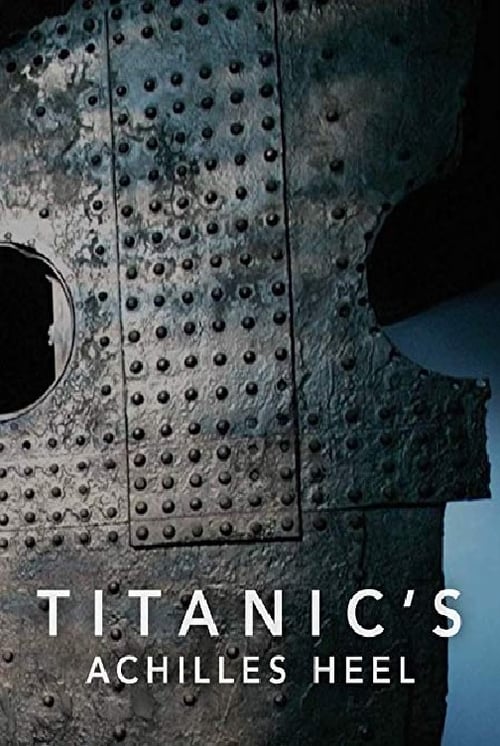
An expedition looks into whether Titanic's hull had a construction design flaw that caused her to break apart. Featuring advanced CGI technology, archive documents and photographs, as well as footage from the modern-day History(R) expeditions, "Titanic's Achilles Heel" is a remarkable journey into the ongoing legacy of a ship that continues to capture the world's attention.
Chronicling the reconstruction of the World Trade Center and restoration of the New York City skyline, with a focus on the construction workers who made it happen. Thirteen cameras placed throughout the site document eight years of progress with stunning time-lapse imagery, and shadow workers every step of the way as they turn a pile of ashes into a towering testament to imagination and resilience.
Every city has its secrets, but it is probably inside houses, behind their silent walls, where they are most intense and human. The Alabado House was built in 1671 as part of Quito’s colonial Old City, surviving centuries of earthquakes, poverty and decay. Over the past five years, dozens of manual laborers have been working to restore it. But its miraculous beauty conceals a long and tragic history. For it was the oppressed indigenous masses who built the Old City, the largest in Latin America.
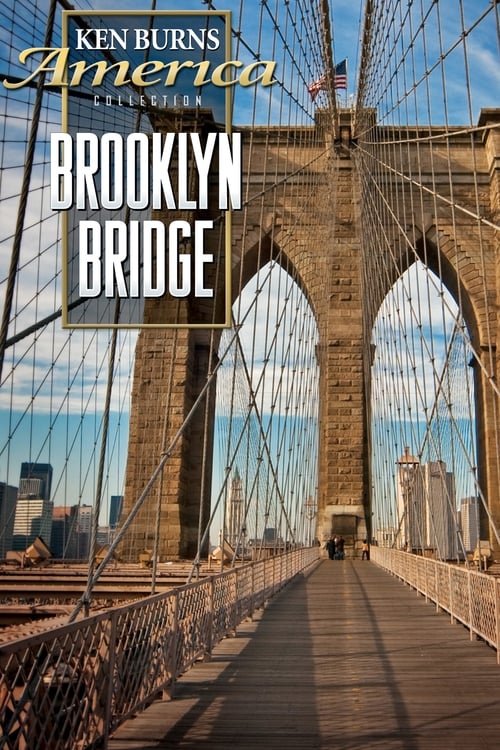
Today it's a symbol of strength and vitality. 135 years ago, it was a source of controversy. This documentary examines the great problems and ingenious solutions that marked the construction of the Brooklyn Bridge. From conception to construction, it traces the bridge's transformation from a spectacular feat of heroic engineering to an honored symbol in American culture.
The Heroes of the Massacre River is a powerful documentary that chronicles the stories of the pioneers behind the construction of the historic Canal of Ouanaminthe, a project that united Haitians across the nation and the diaspora. This film celebrates the groundbreaking efforts of key figures, centering on Dr. Bertrhude Albert, Dr. Naismy-Mary Fleurant, architect Wideline Pierre, economist Etzer Emile as well as dedicated canal workers Milourie Sylfrard, Theodore Johnson and Joseph Pressoir — all guided by the investigative journey of Max Angie Clervil. It also serves as a commentary on the complexity of colonialism and borders, tracing the role that the Massacre River continues to play in the history of Ayiti.
This remarkable new documentary explores the story behind one of the most iconic images of the twentieth century: the 1932 photograph of workmen taking their lunch while perched on a girder high above New York City.
The award winner Japanese architect Toyo Ito designed the International Baroque Museum in Puebla, Mexico. He is well known for his majestic buildings in Europe and Asia that rise with nature inspired geometry and complex shapes that could belong in a fantasy. Nobody knew how to build this project until a team of Mexican constructors accepted the challenge after two years of nobody stepping up to it. But there was a catch. They only had 27 weeks to build something comparable to the Guggenheim in NYC. This is the story of that team who tested the Mexican genius to solve a complex puzzle told by the men and women who made it. On time. On a budget. Against all odds.