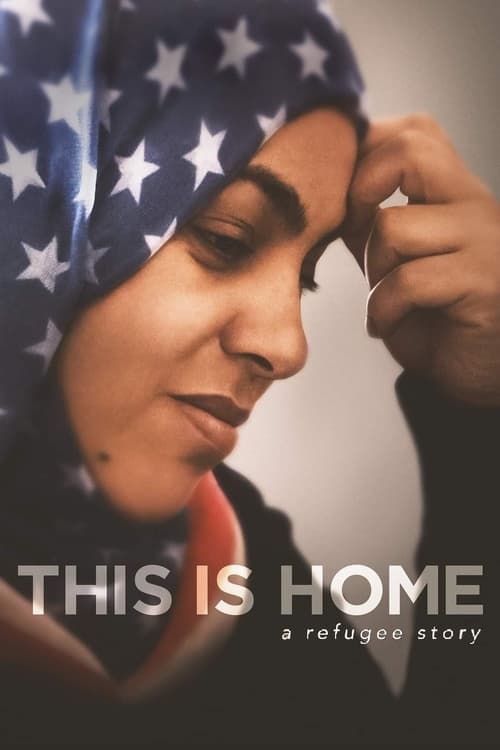
This feature documentary follows three newly arrived people in Canada and their experiences with the Canadian Refugee process. As claims are assessed and paperwork is double checked, we begin to examine exactly who can be considered a refugee.
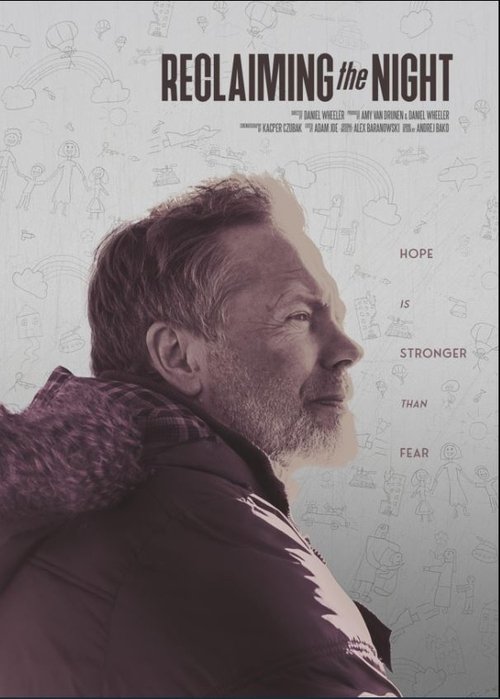
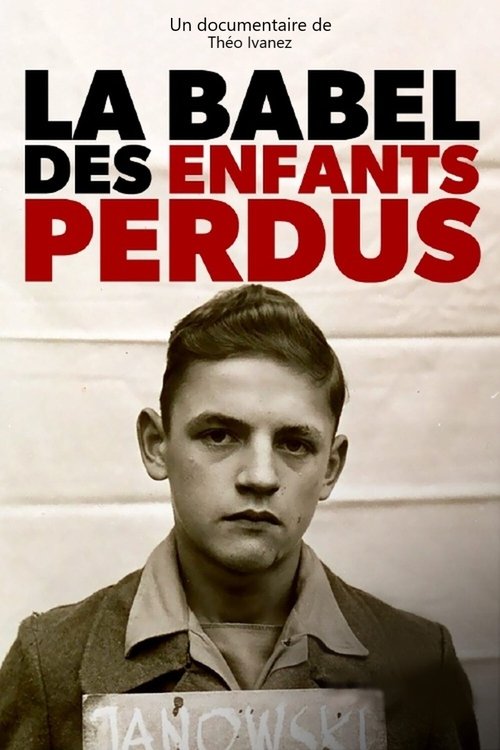
In the aftermath of war, an extraordinary professor brings hope to children haunted by trauma-induced nightmares.
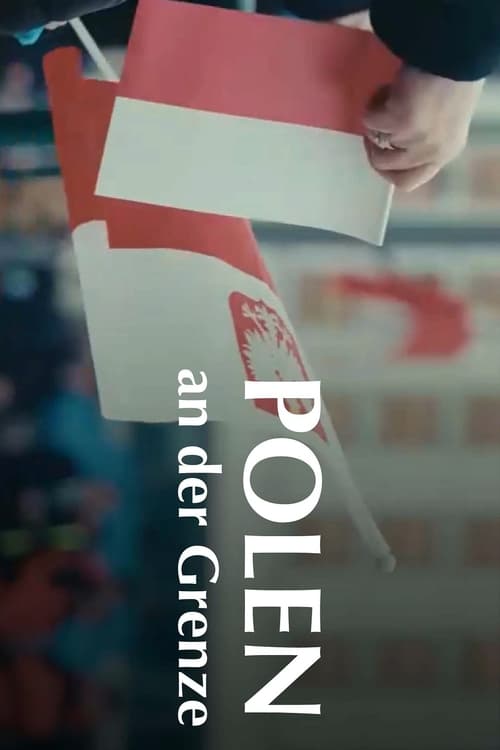
In the run-up to parliamentary elections in mid-October, Polish filmmaker Marcin Wierzchowski travelled across his country to gauge the atmosphere in a society that is more divided than ever.
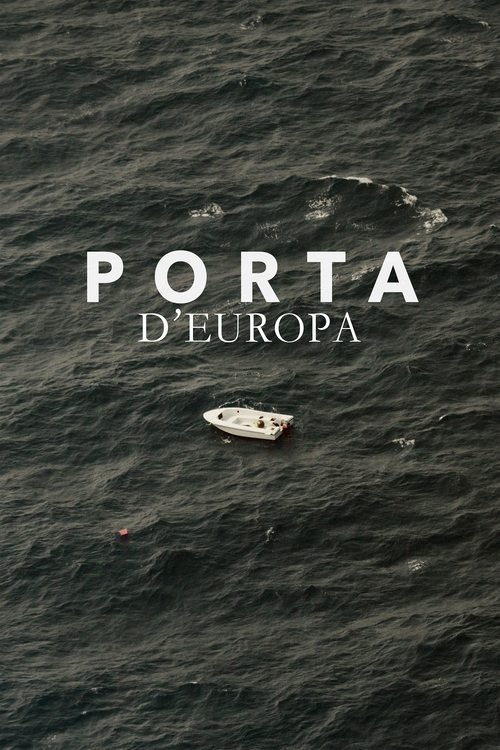
A migrant boat has been stranded in the Mediterranean Sea for 30 hours. As authorities ignore calls for help, the Sea-Watch Crew, an NGO, launches an urgent search.
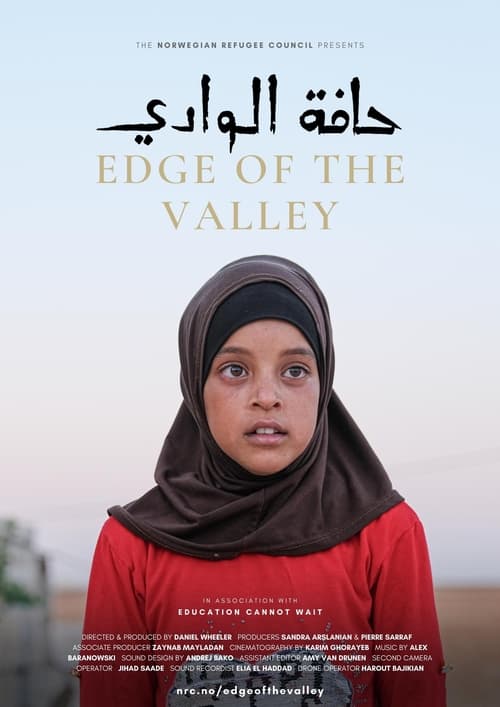
A nine-year-old Syrian refugee girl contemplates her increasingly bleak future after being forced to drop out of school in the midst of Lebanon’s unprecedented economic collapse and battle with Covid-19.
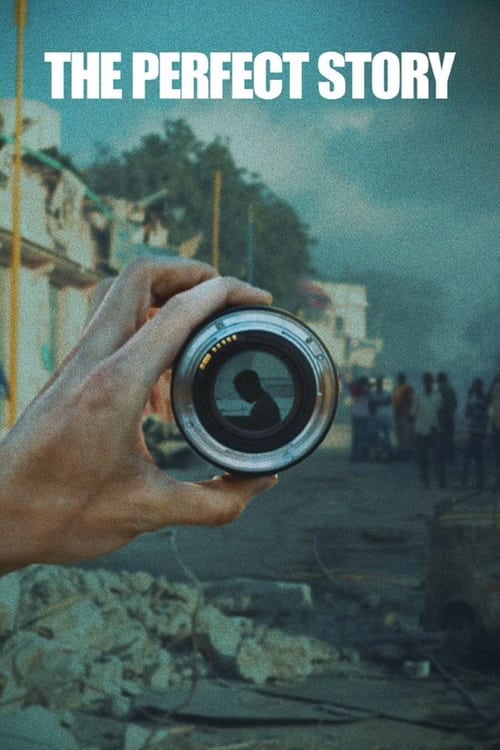
The Perfect Story offers a riveting, intimate look at the ethical and moral challenges sparked by the relationship between a foreign correspondent and a young Somali refugee. By revealing the boundaries of journalism and filmmaking, the film questions what stories are told, why, and who gets to tell them.
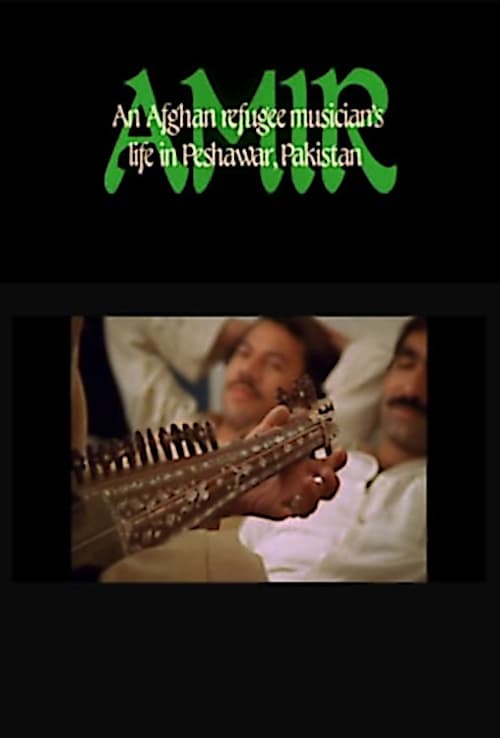
Amir, shot during the height of the Afghan civil war in the 1980s, investigates and portrays the life of Afghan refugees living in and around the city of Peshawar in northern Pakistan through the experiences of the musician Amir. The aspirations of Afghan refugees are expressed through their political songs dealing with the civil war in Afghanistan, with exile, with Afghan nationalism and with the Islamic revolution. In highly charged and tragic circumstances, music can be used in very direct ways, both to promote solidarity and as an agent of catharsis.
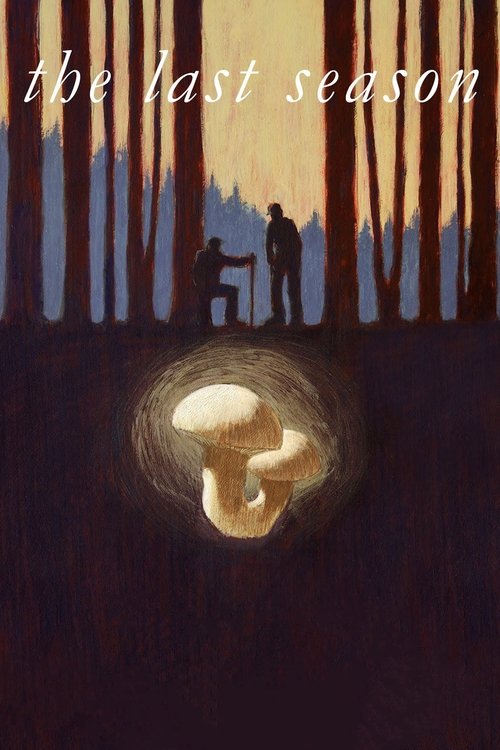
In search of the lucrative matsutake mushroom, two former soldiers discover the means to gradually heal their wounds of war. Roger, a self-described 'fall-down drunk' and sniper in Vietnam, and Kouy, a Cambodian refugee who fought the Khmer Rouge, bonded in the bustling tent-city known as Mushroom Camp, which pops up each autumn in the Oregon woods. Their friendship became an adoptive family; according to a Cambodian custom, if you lose your family like Kouy, you must rebuilt it anew. Now, however, this new family could be lost. Roger's health is declining and trauma flashbacks rack his mind; Kouy gently aids his family before the snow falls and the hunting season ends, signaling his time to leave.
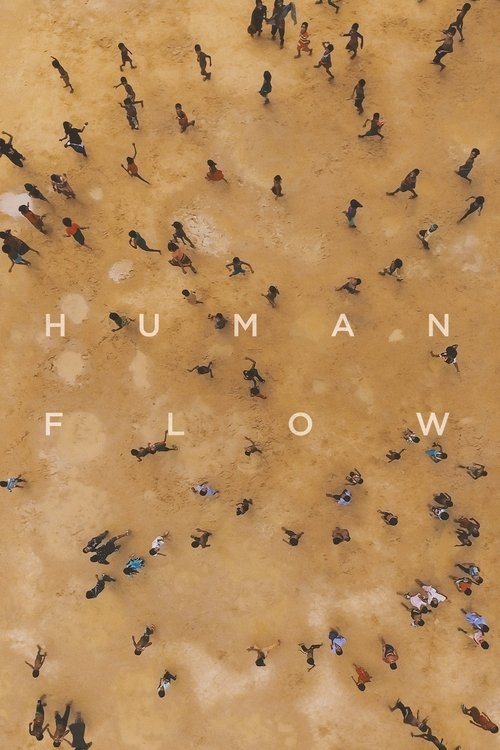
More than 65 million people around the world have been forced from their homes to escape famine, climate change and war, the greatest displacement since World War II. Filmmaker Ai Weiwei examines the staggering scale of the refugee crisis and its profoundly personal human impact. Over the course of one year in 23 countries, Weiwei follows a chain of urgent human stories that stretch across the globe, including Afghanistan, France, Greece, Germany and Iraq.
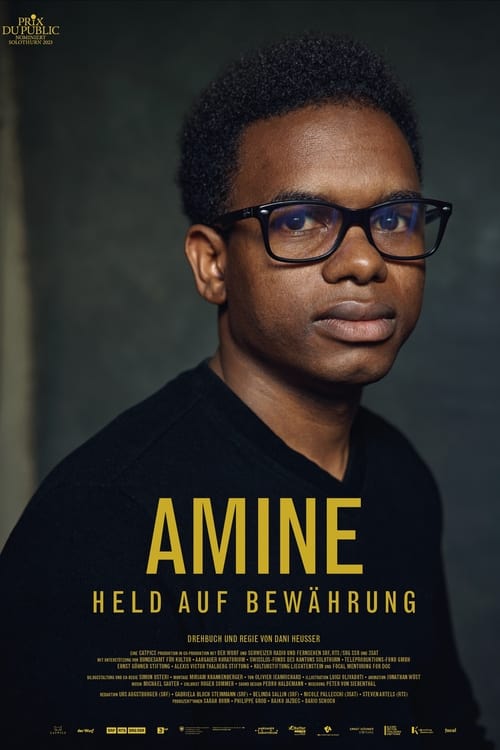
Amine Diare Conde fled from Guinea to Europe at the age of fifteen. His voluntary work makes the 22-year-old the best-known asylum seeker in Switzerland.
Something from there is a short film on the substance of our original lands. Weaving between the voices of the artist’s parents, one a refugee and the other not, the film is personal, yet evokes a shared Palestinian experience.
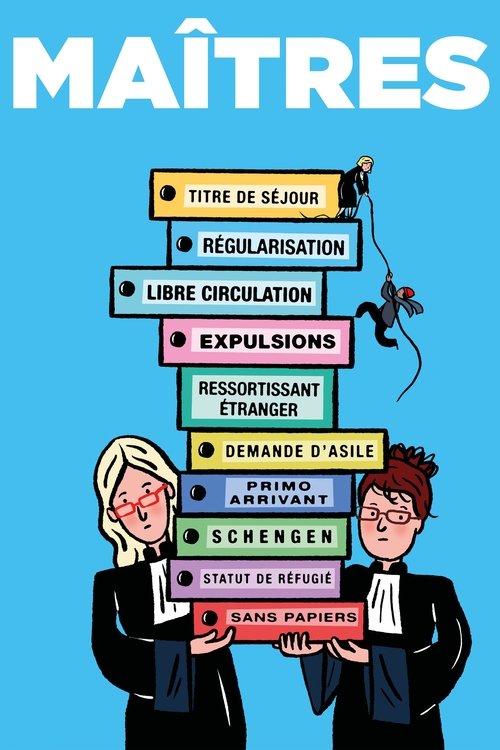
A Sense of Justice, immerses us In a law firm in this same city. There, we can find Christine Mengus and Nohra Boukara, specialized in the rights of foreigners, supported by Audrey Scarinoff and their co-workers.. Stories from their sad, appalling or tragicomic cases alternate with their daily legal work. And as we hear snatches of consultations involving illegal entry or departure, deportation orders, the right to reside or medical assistance, we become witnesses to predictable tragedies, to the administrative or social precariousness induced by such predicaments, and to whole lives depending on court rulings.
Via Dolorosa captures director’s journey in reconnecting with Vietnamese homeless persons whom she filmed for another short film two years ago. While she accompanied a man in his final days, Jo searched within herself to resolve the original sin of the documentary filmmaker as a bystander to the suffering of others.
The lives of four Syrian families, resettled in Baltimore and under a deadline to become self-sufficient in eight months.
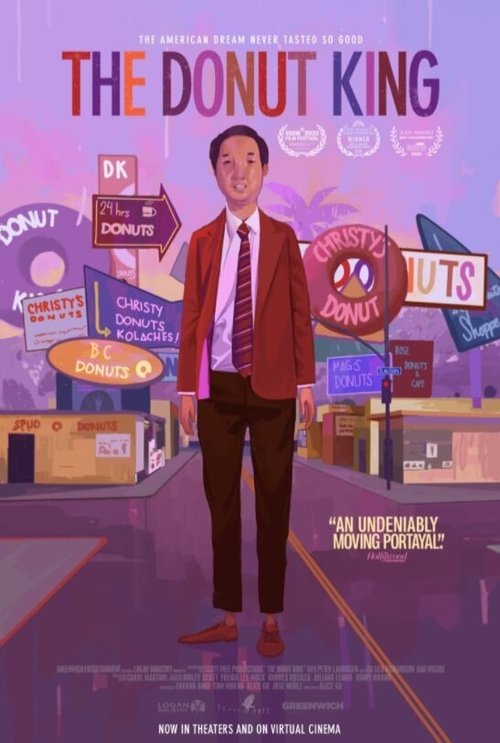
Cambodian refugee Ted Ngoy builds a multi-million dollar empire by baking America's favourite pastry: the doughnut.
Flora and Louise met in Yaoundé (Cameroon). They fell in love and ever since then have never left each other's side. By pushing open the door of the nonprofit housing them, I discovered the story behind their refugee status and the reasons behind their exile.
A courageous pastor uses his underground network to rescue and aid North Korean families as they risk their lives to embrace freedom.
Poetry is everywhere, even in the refugee camps where absolute misery reigns. In front of old plastic advertising posters on which are drawn in giant format the big icons of luxury and consumerism that make up their shelters, refugee children stand like kings. Symbols of life at the heart of war, fragility, and death, these children are shown by Jocelyne Saab as precious notes of hope in the heart of a dehumanized world. One Dollar a Day was filmed in the Syrian refugee camps of the Bekaa plain, Lebanon in 2015, with text by Etel Adnan.
Fadil is an Iraqi refugee who works as a telephone interpreter. From his attic room he translates calls between refugees and government agencies. At the start of every contact, he says: ‘I am your interpreter, I am impartial and will not interfere with this conversation.’ Even though Fadil lives in the Netherlands with his family, he knows people who still reside in war zones. How does it affect him when the witnessing of these conversations confront him with various dilemmas and let him relive his own past?