As the Dead Sea shrinks, engineers prepare a daring solution: connect it with the Red Sea by way of a massive desalination plant. If it works, it could stabilise the lake and ease regional tensions.
Jay O. Sanders
as
Hend Ayoub
Shaddad Attili
Full step-by-step LSD Synthesis steps
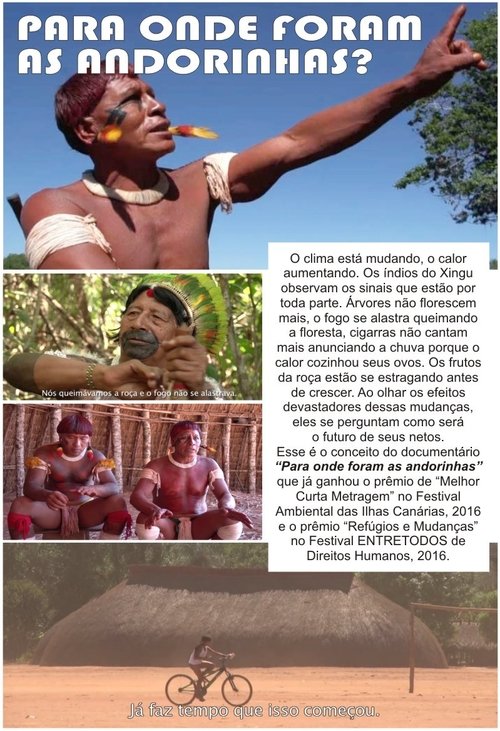
The climate is changing, and the Indigenous peoples of the Xingu Indigenous Park, in Mato Grosso, Brazil, are reading the signs everywhere. Trees no longer bloom when they should, fires spread through the forest, the cicadas that once announced the rains have fallen silent, and crops spoil before they ripen. The swallows that used to herald the rainy season no longer appear in the sky. Surrounded by decades of deforestation for soy, corn and cattle, the Xingu peoples look at these devastating changes and wonder what kind of future awaits their grandchildren.
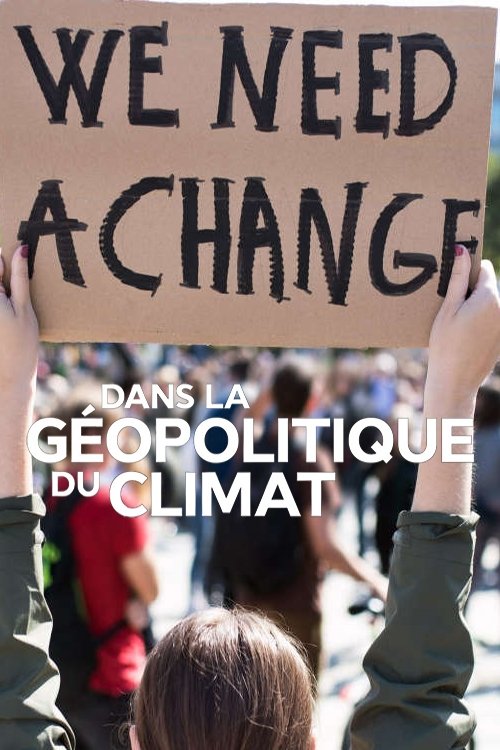
In 200,000 years of existence, man has upset the balance on which the Earth had lived for 4 billion years. Global warming, resource depletion, species extinction: man has endangered his own home. But it is too late to be pessimistic: humanity has barely ten years left to reverse the trend, become aware of its excessive exploitation of the Earth's riches, and change its consumption pattern.
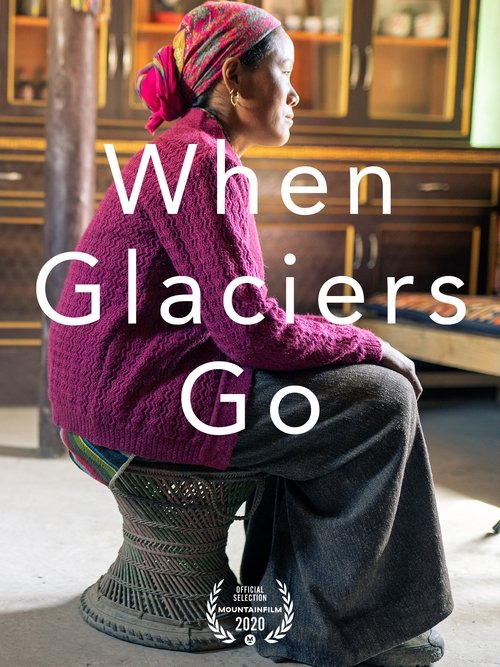
A diminishing water supply is driving people from their land in a remote region of Nepal. The younger generation of the Gurung family adapts by commuting from their ancestral home, where subsistence depends on grazing goats and cows, to a village that has a commercial apple orchard, fed by irrigation. “We cannot give up cultivating our fields,” a elderly man explains. “The apple farm is not going to be able to feed us easily.” The older generation believes that water shortages stem from road building and bulldozing, upsetting the natural order, a young man explains. Both generations fly prayer flags, beseeching water.
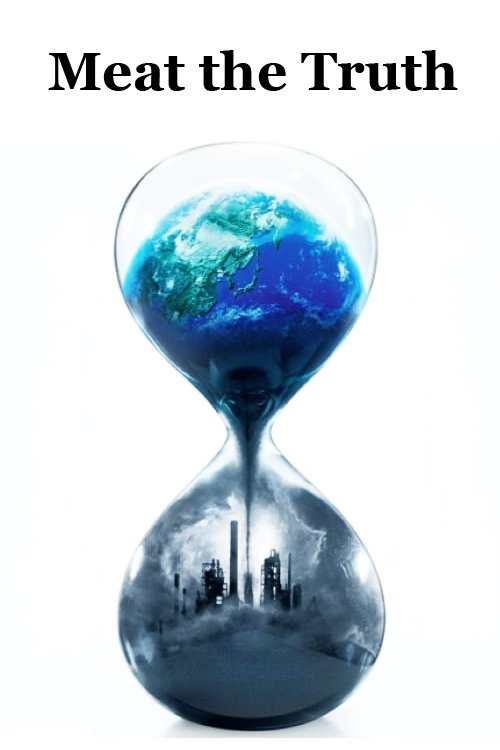
Meat the Truth is a high-profile documentary which forms an addendum to earlier films on climate change. Although such films have succeeded in drawing public attention to the issue of global warming, they have repeatedly ignored one of the most important causes of climate change: the intensive livestock production. Meat the Truth draws attention to this by demonstrating that livestock farming generates more greenhouse gas emissions worldwide than all cars, lorries, trains, boats and planes added together.
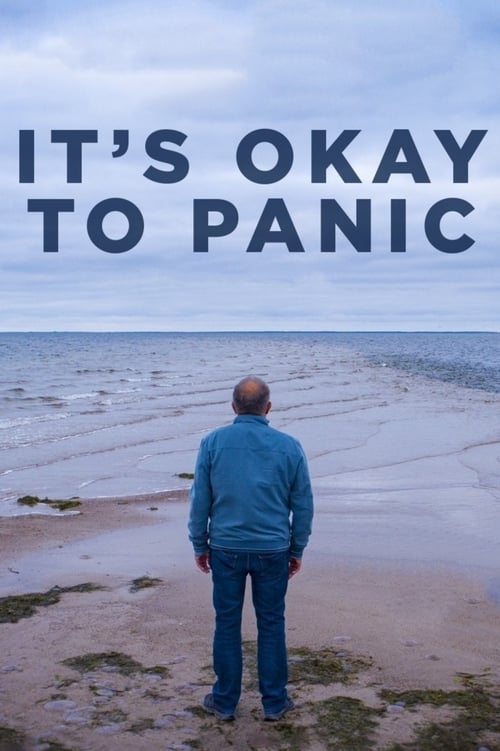
A nostalgic portrait of Professor Szymon Malinowski, a 62-year-old atmospheric physicist at the University of Warsaw who worries that climate change may cause human civilisation to collapse in the coming decades.
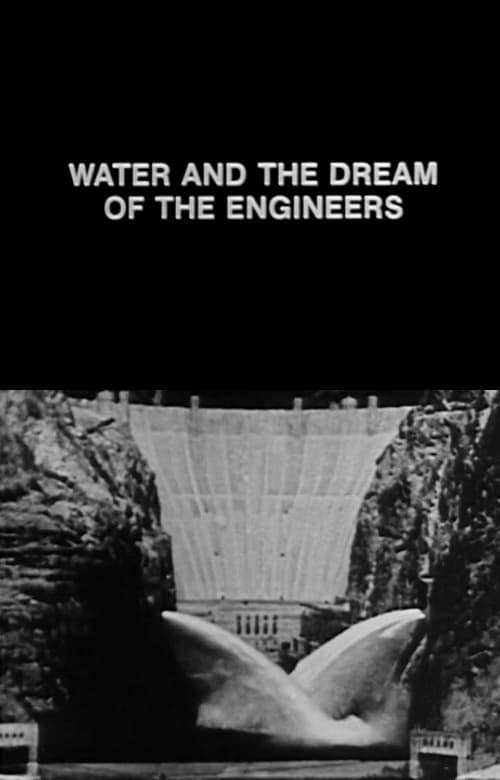
Documentary where rich social history frames a spirited debate on the development of water infrastructure throughout the USA.
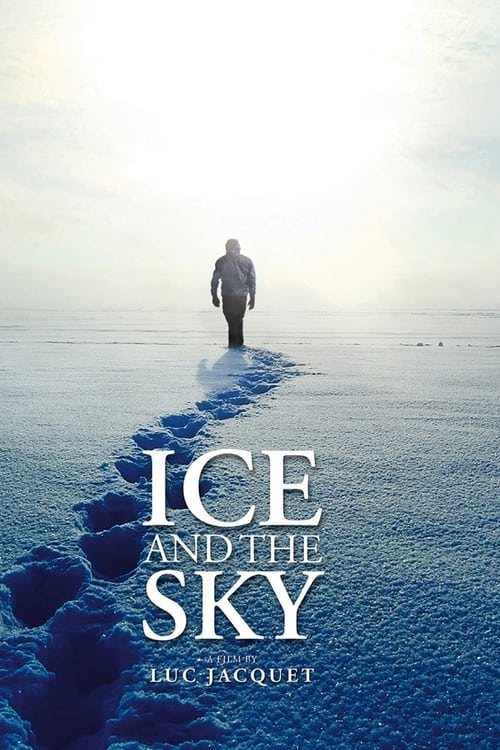
Documentary about the work of Claude Lorius, who began studying Antarctic ice in 1957, and, in 1965, was the first scientist to be concerned about global warming.
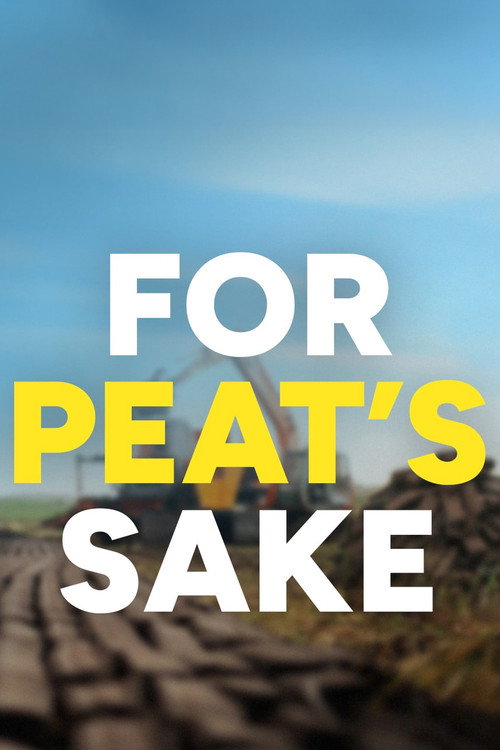
The vital role turf has played in Ireland, and the battle that ensued when the EU tried to stop Irish people cutting turf.
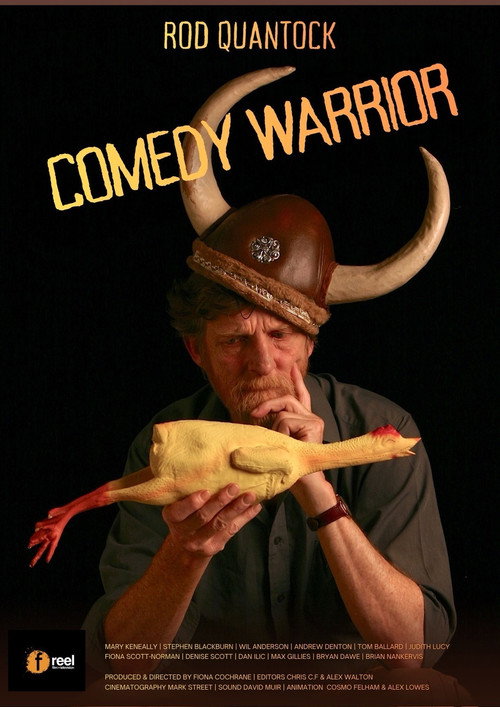
This feature documentary charts Rod Quantock’s five-decade career and his tireless efforts to communicate the perils of neoliberalism and the urgency of climate change through humour. His journey illustrates the building of the thriving comedy landscape we take for granted today, showcasing a man who has remained steadfast in his pursuit of truth in an hilarious fashion.
Wilder than Wild reveals how fire suppression and climate change have exposed Western forests to large, high intensity wildfires, while greenhouse gases released from these fires contribute to global warming. This vicious cycle jeopardizes our forests and affects us all with extreme weather and more wildfires, some of which are now entering highly populated wildland-urban areas.
Five times, Earth has faced apocalyptic events that swept nearly all life from the face of the planet. What did these prehistoric creatures look like? What catastrophes caused their disappearance? And how did our distant ancestors survive and give rise to the world we know today?
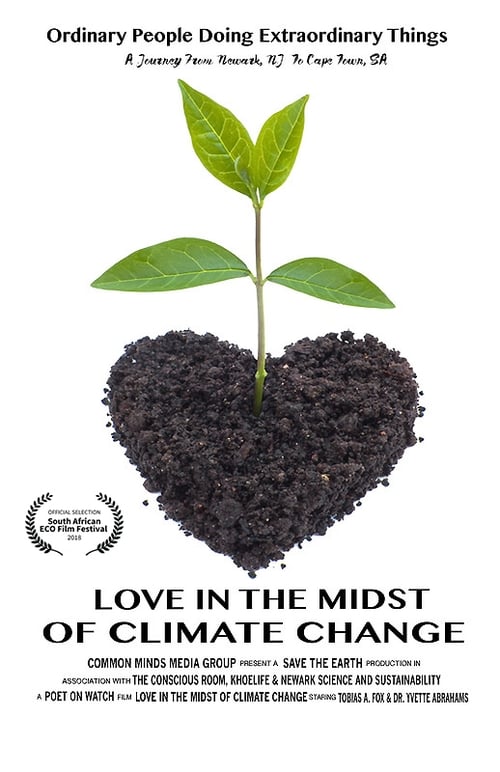
Love In The Midst Of Climate Change is a documentary that highlights ordinary people doing extraordinary things to survive and lead decent lives in the teeth of adverse circumstances. This short will highlight Khoelife Soap Farm which is located on a smallholding in Gordon’s Bay, a seaside village just outside Cape Town, South Africa. Khoelife oils and soap gifts to the world are cooked on solar power and biogas, rooted in indigenous knowledge, vegan-friendly, not tested on animals and handmade in South Africa. This Is Khoelife mission to saving the ecosystem we all share.
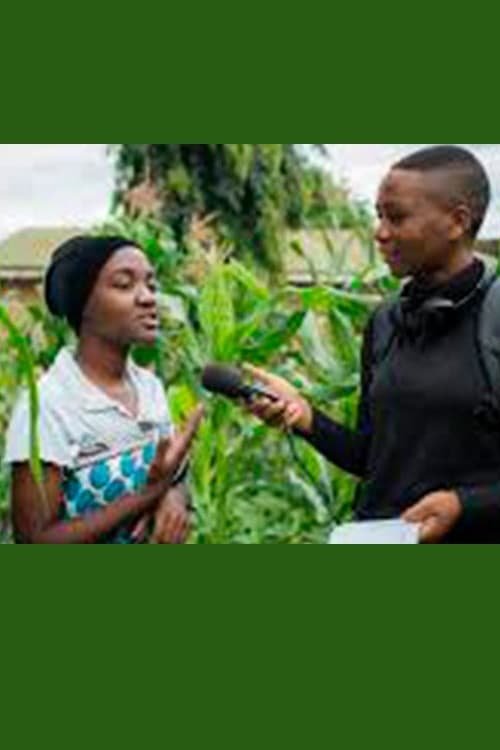
In partnership with the MasterCard Foundation and local partner Mwanza Youth and Children Network, the young reporters produce and broadcast radio shows that illustrate how farming can lead to individual prosperity and country-wide economic growth and teach the business and finance skills necessary to manage these small agricultural enterprises.