70 years after a body is found floating in a Sydney river, middle aged Jewish doctor Jack learns his father, a Holocaust survivor, is responsible for the unsolved murder of an alleged Nazi and sets out on a quest to find the truth.
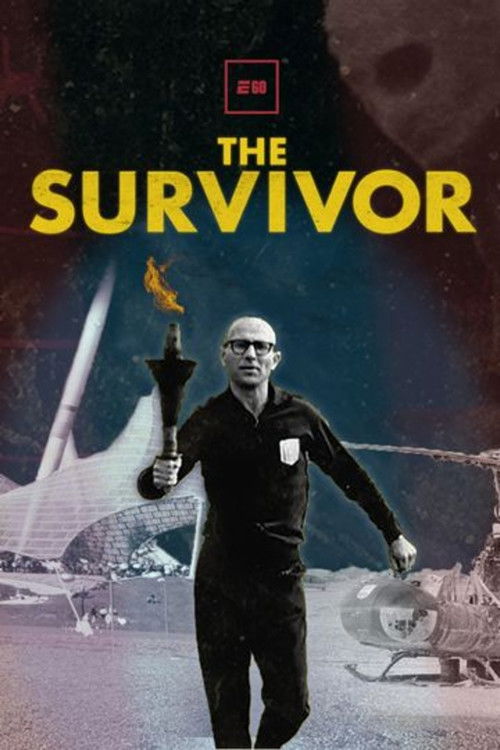
A powerful and emotional new episode of ESPN E60 will look back 50 years to one of the darkest moments in sports history – the Munich Massacre, when Palestinian terrorists murdered 11 Israeli sportsmen at the 1972 Summer Olympics. E60 will tell the story of one Israeli athlete, now 86, who survived, just as he had survived World War II and the Holocaust when he was a child.
A cellar. A forgotten amphora. The ashes of a woman. Her granddaughter, daughter-in-law and son characterise her, entwining their memories and experiences. They reflect about filial love, gender and isolation through her overbearing nature.
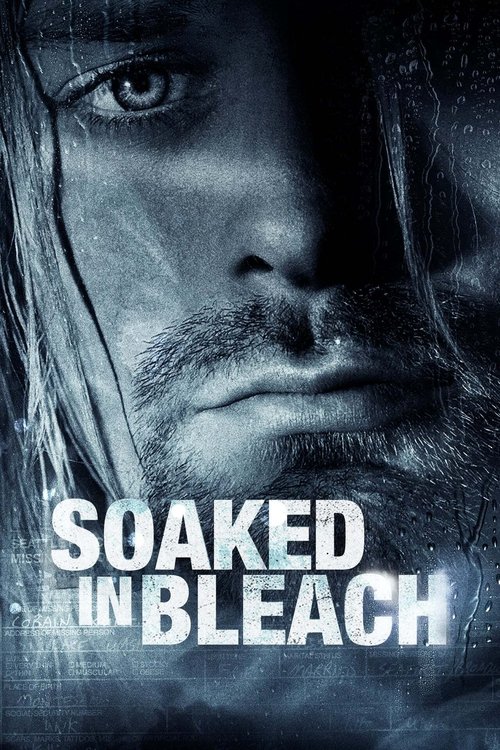
Twenty years ago, Kurt Cobain was found dead of an apparent gunshot wound to the head. The world was told it was a suicide, but evidence would lead many people to believe it might be otherwise. The film investigates the possibilities that exist that Kurt Cobain's death might not have been a suicide, that the Seattle Police Department rushed their verdict, and the global media perpetuated lies and misinformation fed to them by Courtney Love that created the belief in many that Cobain killed himself—but when revealed to be lies—lead many to now question what happened.
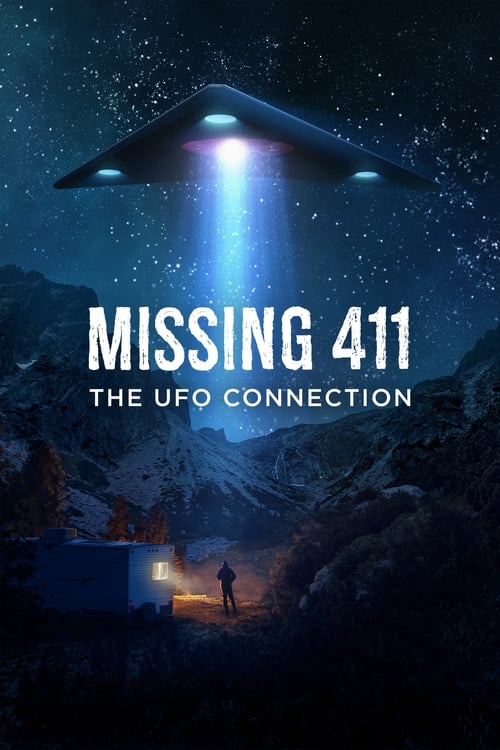
In Missing 411: The UFO Connection, David Paulides continues the story of people who vanish in the wild without a trace. In his third documentary, David reveals the first evidence documenting a link between UFOs and missing people.
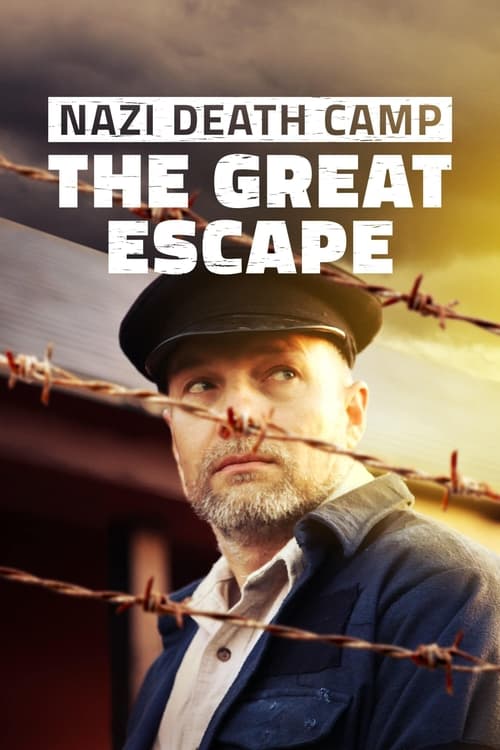
The secret Nazi death camp at Sobibor was created solely for the mass extermination of Jews. But on the 14th October 1943, in one of the biggest and most successful prison revolts of WWII, the inmates fought back.
In a contemplative coming of age portrait, PINBALL follows Yosef, a spirited athlete, in Louisville, Kentucky as he dives into the memories of his journey from Iraq to America and what it means to chase his dreams in the shadow of a war that displaced his family from their Iraqi homeland.
The mocumentary about famous clockmaker Dragan Saldziev in Skopje.
A short documentary about a man, his legacy and his impact on the world.
A calling inhabits the blank pages, unfolding a secret writing of hers. The unseen written traces seep from the murmuring land, pushing through fragmented voices to become new forms, beings made material. Framed as a dialogue with my grandmother, this film explores an alternative form of personal writing by Chinese women in political shifts, absent and abundant. The 'blank' becomes an image, carrying a search for agency; of land transformed and of women unheard. By breaking down linguistic structures, the film opens a space for imagining, reading, and performing, allowing for emergence.
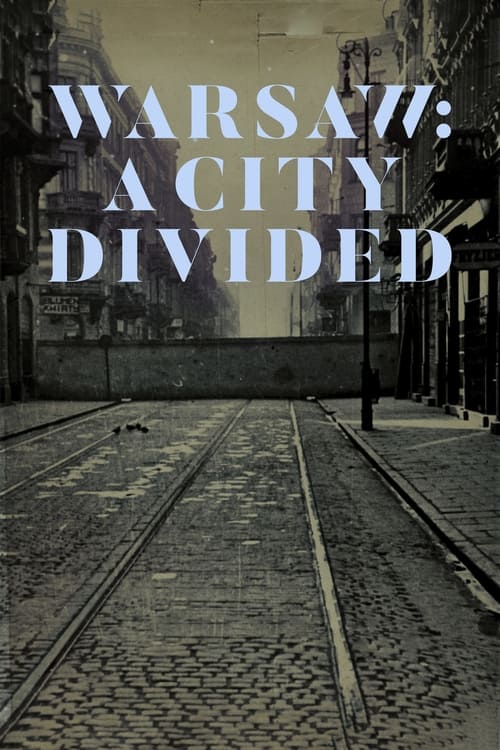
The history of the Warsaw Ghetto (1940-43) as seen from both sides of the wall, its legacy and its memory: new light on a tragic era of division, destruction and mass murder thanks to the testimony of survivors and the discovery of a ten-minute film shot by Polish amateur filmmaker Alfons Ziółkowski in 1941.
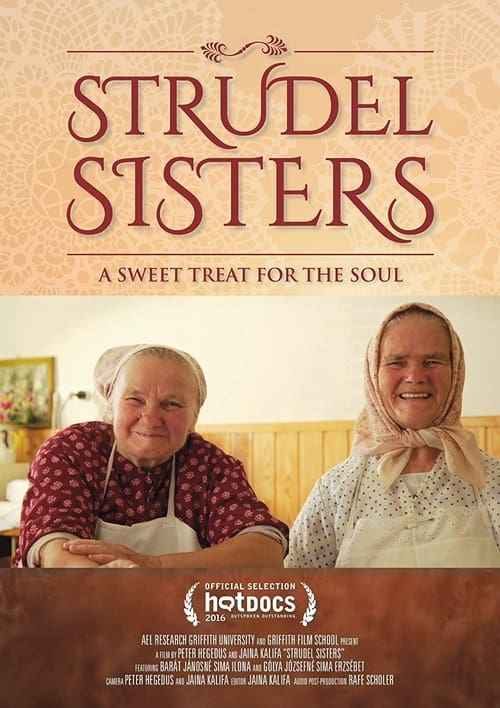
Two elderly sisters share the delicate art of making traditional Hungarian strudel and reveal a deeply personal family story about their mother, who taught them everything they know.
Two men, the hint of a sofa corner and a pile of letters. Using minimalist means, the film tells the story of two brothers caught between exile in a foreign country and resistance in the underground. It takes us back to the time when the revolution seized power in Iran and tells of life between the fronts. Daniel Asadi Faezi sketches the story of his father and his brothers - based on correspondence that has lain in the cellar for 30 years.
Danny Berish’s grandparents met at a nudist camp in 1949. In an effort to understand his grandparents’ radical lifestyle, he meets and mingles with members of Van Tan, Canada’s oldest naturist club.
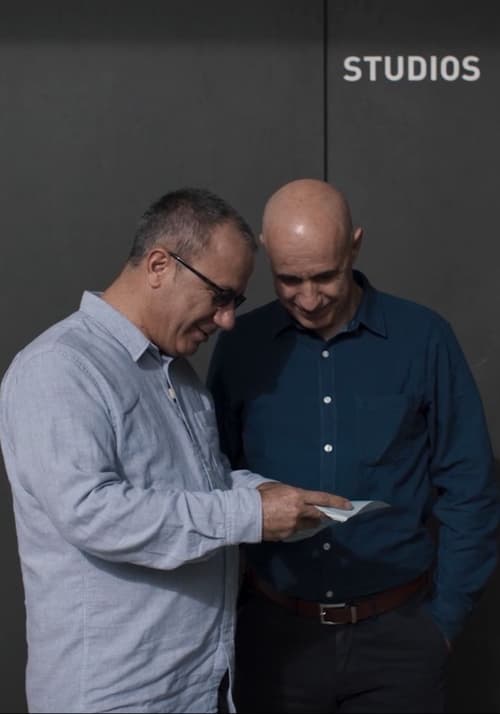
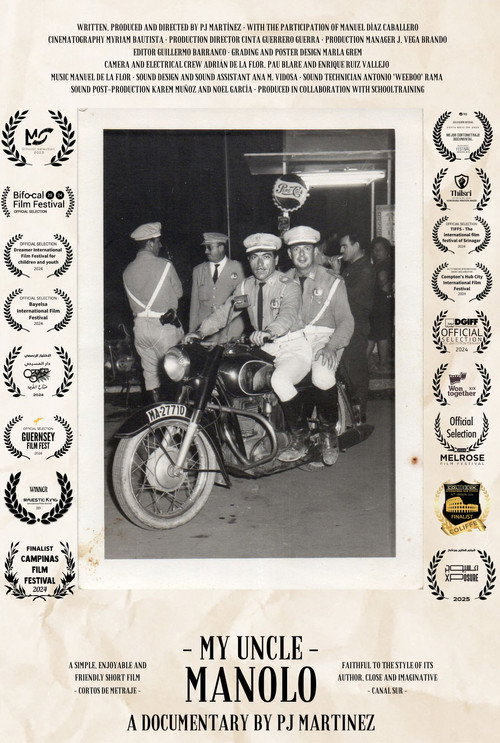
Focused on the experiences of Manuel "Manolo" Díaz Caballero, who was a local police officer in Malaga for more than 30 years, his memories of those years are the subject of this documentary.