This video examines the grizzly bear, one of nature's greatest predators. It is part of a multi-volume Time Warner series that markets the ferocious, killing aspects of various wild animals.
William Hootkins
as Narrator
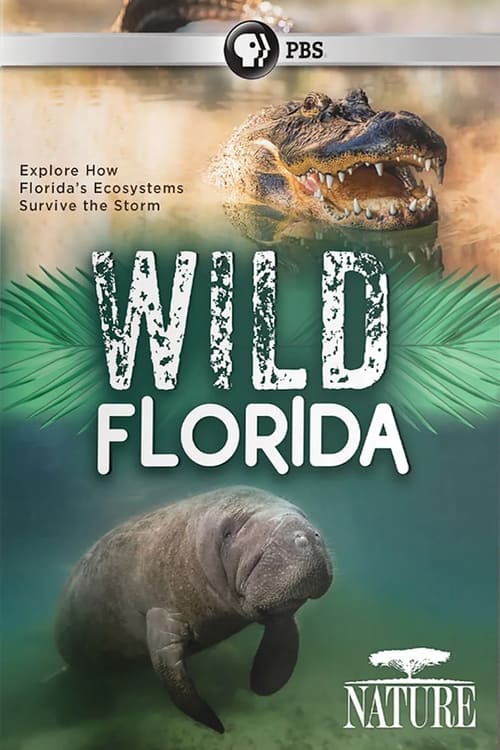
Florida is home to beaches, coral reefs, pine forests and the famous Everglades wetland, but a growing human population and abandoned exotic pets like pythons are threatening this wild paradise. Can Florida’s ecosystems continue to weather the storm?
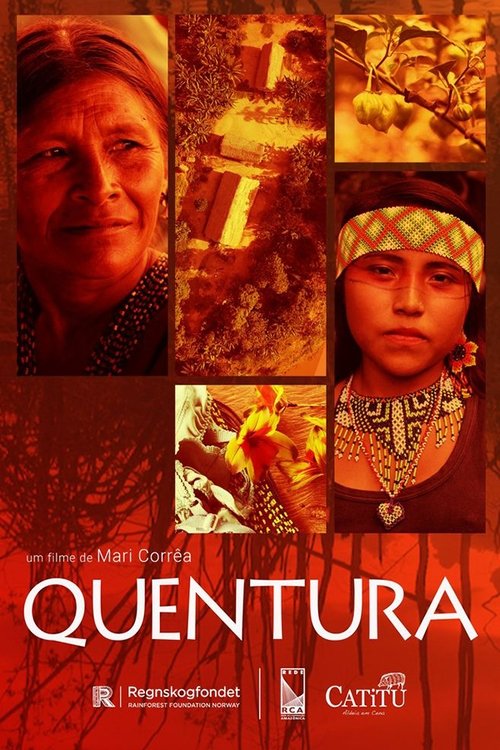
Too hot! The spawning fish do not come at the right time and the pepper plants end up dying in this heat. "This is a very different weather that not even the spirits can understand." From their gardens, homes, and backyards, the indigenous women of the Amazon involve us in their vast universe of knowledge while they observe the impacts of climate change in their ways of life.
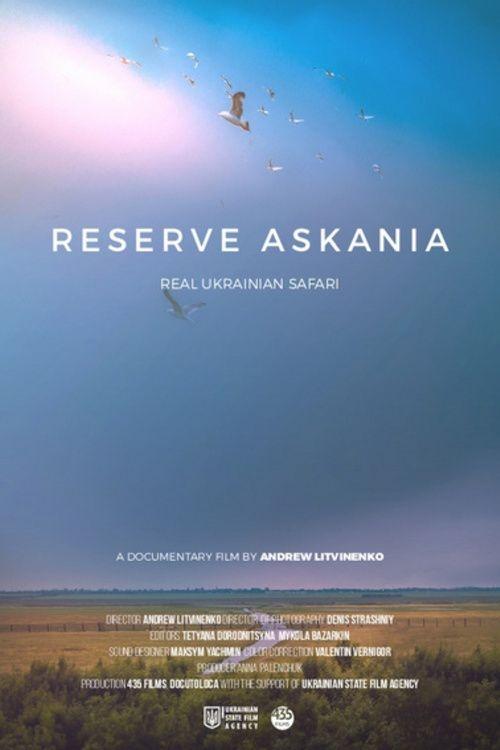
Askania-Nova is the largest steppe wildlife sanctuary in Europe. It is located in south part of Ukraine, not far from Crimea peninsula. In order to underline this unique beauty we created a documentary musical film about life of animals and people in wildlife sanctuary of Askania-Nova. The movie reveals stories of a three protagonists, whose destinies were entangled because of wildlife sanctuary.
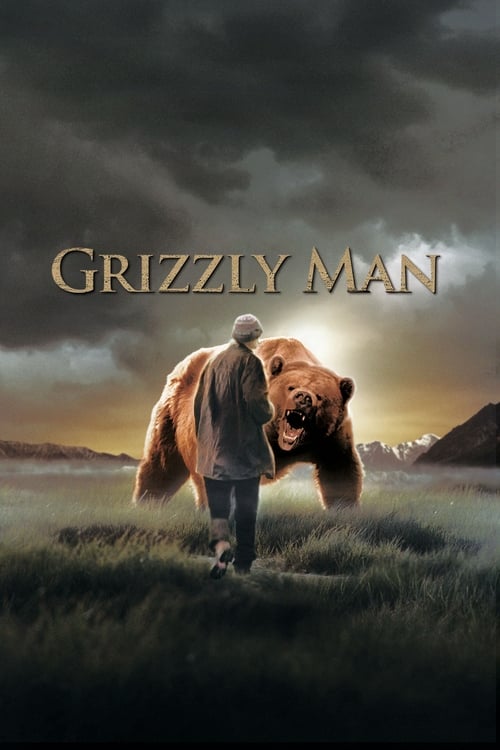
Follows the story of "Grizzly Man" Timothy Treadwell and what the thirteen summers in a National Park in Alaska were like in his attempt to protect the grizzly bears. The film is full of unique images and a look into the spirit of a man who sacrificed himself for nature.
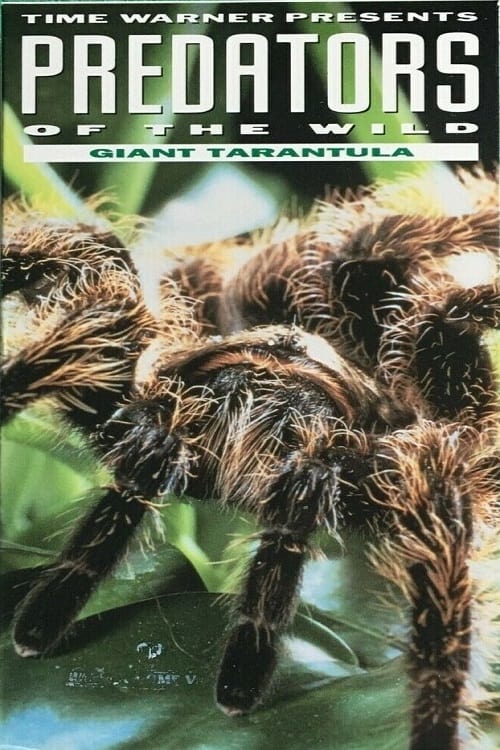
The secrets of the maligned and misunderstood tarantula are brought to light in the Discovery Channel's Predators of the Wild series portrait of the Giant Tarantula. The film presents an intimate look at the largest and most venomous spider species in the world. Shot on location, viewers observe the tarantula close-up as it waits in its 3-foot burrow until its prey of insects, frogs, snakes, birds and rodents come along. Footage also captures the tarantula's deadly mating ritual.
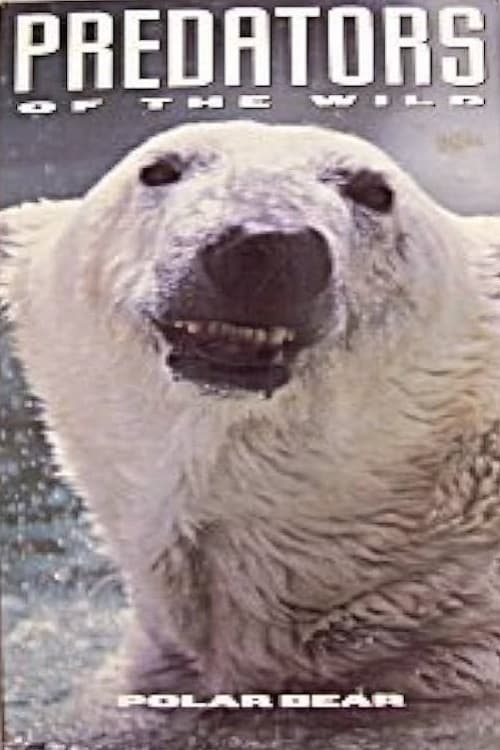
Polar bear… immensely powerful, ferociously cunning, lethally equipped for devastating exploitation of its frozen realm. Legendary for its endurance, hunting prowess and awesome strength, it is the largest and most formidable land predator of the planet’s most brutally unforgiving environment. Venture into the trackless Arctic wastes to witness the uncanny survival strategies developed by this magnificent creature – tactics honed to a killing edge during 250,000 years of adaptation to its icy kingdom. See why the largest of these fearsome bears, weighing more than two full-grown lions, stands as the undisputed predatory monarch of a pristine, unconquered land where man still ventures at his peril.
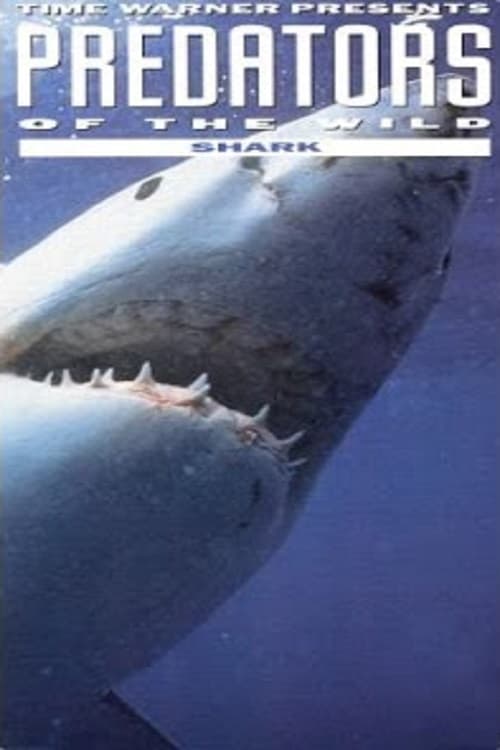
From the Discovery Channel comes the animal series Predators of the Wild. Shot on location, footage provides viewers an up-close look at some of the planet's most notorious beasts. The episode Sharks transports viewers to the undersea domain of these fearsome carnivorous creatures. See great whites, makos, and hammerheads and learn why they do what they do. Informative as well as entertaining, this video also addresses serious conservation and animal preservation issues.
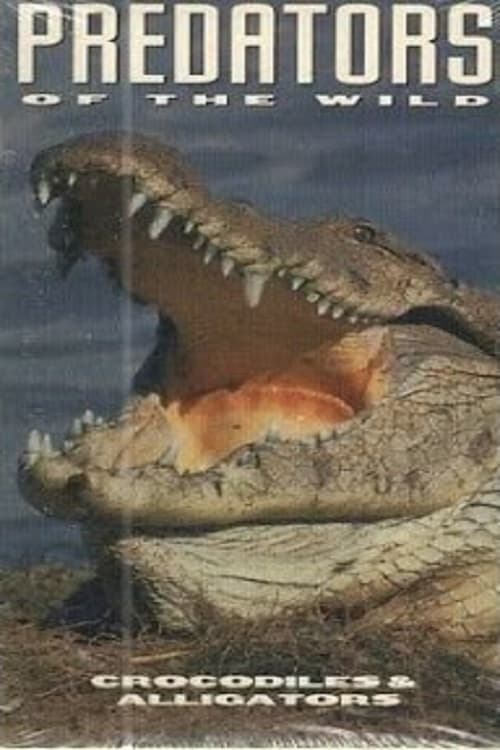
Crocodiles and alligators... gaping, saw-toothed jaws, muscular, bone-crushing tails, a Jurassic vision of armoured, flesh-eating horror. Lurking beneath the murky surface, eyes and nostrils are barely visible as the oblivious victim ventures one step too near. A sudden explosion of lunging, scaled fury, a hopeless, panicked struggle... a silent, watery death. Crocodiles and alligators reign as the supreme predators in rivers and coastal areas around the globe. With a carnivorous heritage extending back to the age of dinosaurs, these primordial relics are worthy successors to the "terrible lizards" they so closely resemble.
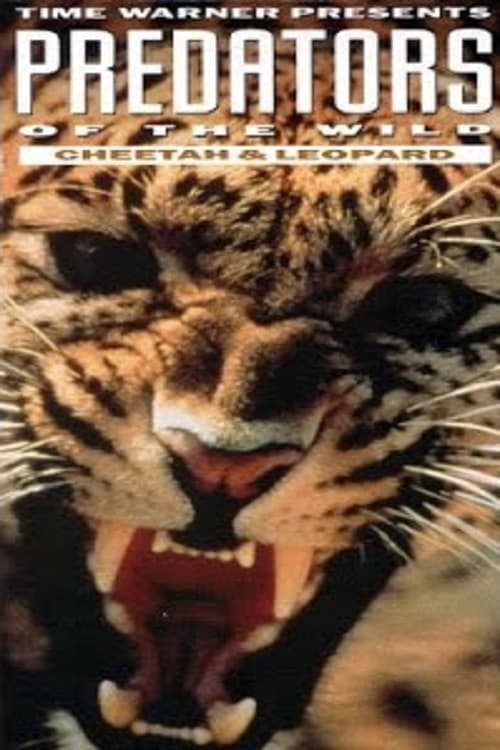
Cheetah and Leopard... no animal can match the intensity of their power and grace. On the horizon, the next victim draws near, crouched in the grass, senses honed, an explosive rush, claws extend and then the final clamp of fangs in a jugular embrace. Discover what separates these predators from all others. The cheetah, the ultimate tactician, single minded in its abandon for the lightning-fast gazelle. And the leopard, an invincible opportunist lying in wait for the unwary. Both driven by pure instinct and the constant pressure to kill.
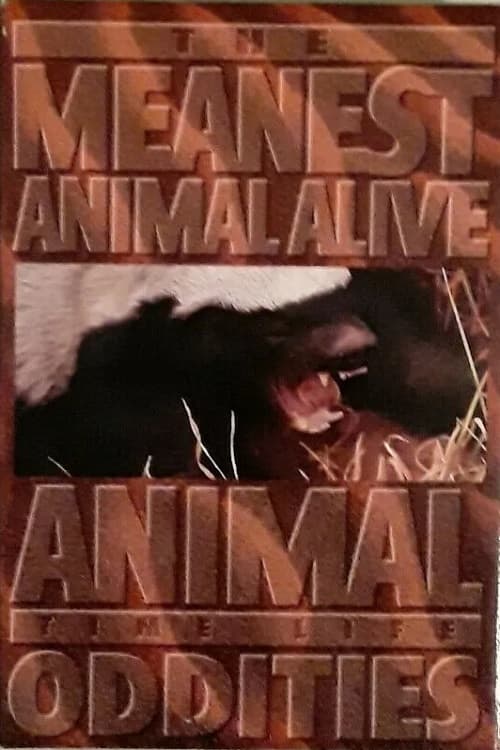
Shows the killer instinct in action in an African honey badger, a savage, relentless predator which will attack any animal, seemingly for pure sport.
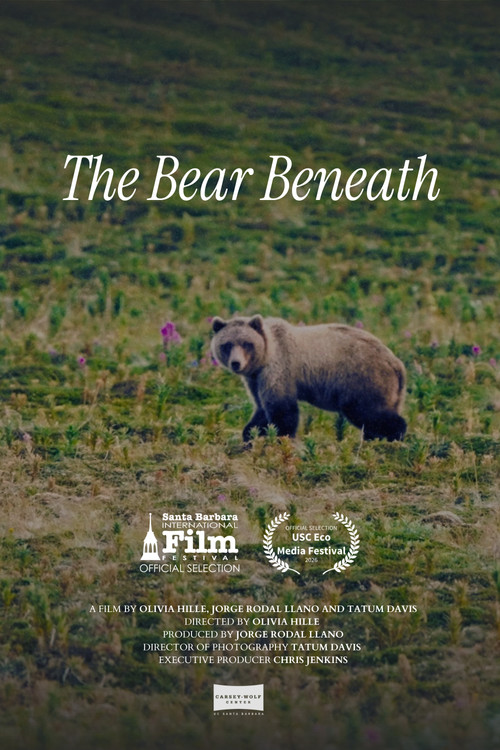
Once hunted to extinction, the California Grizzly survives only as a symbol, frozen on the state flag, waving over the land it once roamed. A century later, will California bring back its lost icon or leave it in myth?
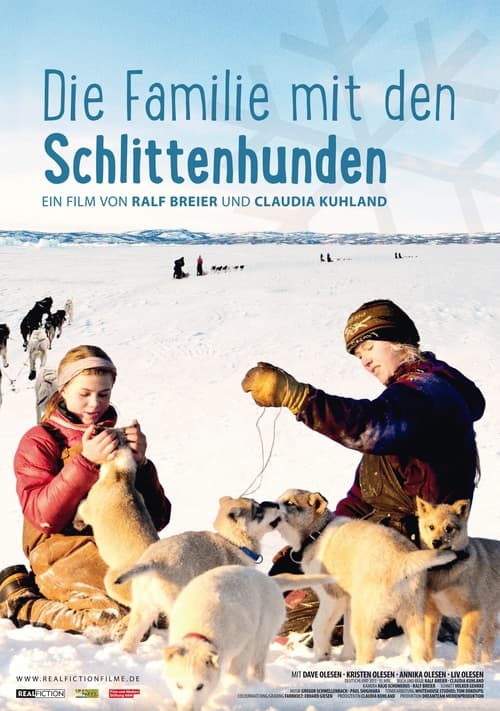
Out of love for Huskies, nature and cold winters Dave and Kristen Olesen moved from Minnesota to the North West Territories in Canada 25 years ago to create their own little universe on the magnificent East arm of Great Slave Lake. With their two daughters Annika 15 and Liv 12 and their 37 dogs, the Olesens enjoy a unique lifestyle in the wide open wilderness far away from civilization. One winter they all leave their self-built homestead with ten dogs on a two and a half thousand mile family expedition allowing Annika to run the Junior Iditarod in Alaska. As unexpected obstacles all along the trip culminate in three heavily injured dogs the whole endeavor is at risk. Optimism, love and loyalty prevail on this exciting epic family voyage.
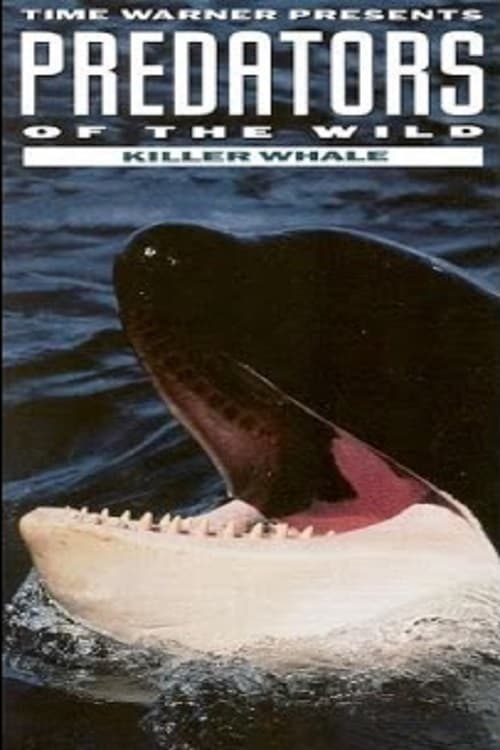
This video examines the killer whale, one of nature's greatest predators. It is part of a multi-volume Time Warner series that markets the ferocious, killing aspects of various wild animals.
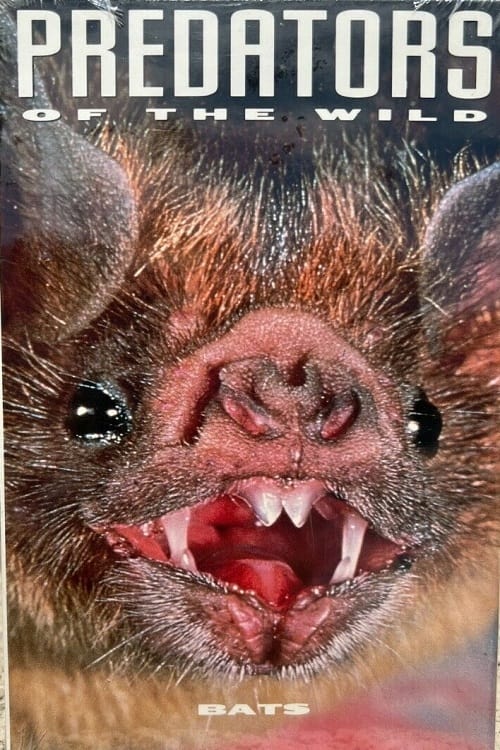
Fascinating footage of swooping bats, their remarkable habits and habitats, and close-up looks at their interesting yet eerie faces are featured in this documentary, volume seven of the Predators of the Wild series. Most bats eat insects, which may not always come to mind when one thinks of predators and prey -- although the fact that a swarm of bats can eat 30,000 pounds of insects in one night is staggering. Bats make up almost one-fourth of all of the mammals in the world, but only three species of bats are "true vampires" who rely on the blood of other animals for sustenance.
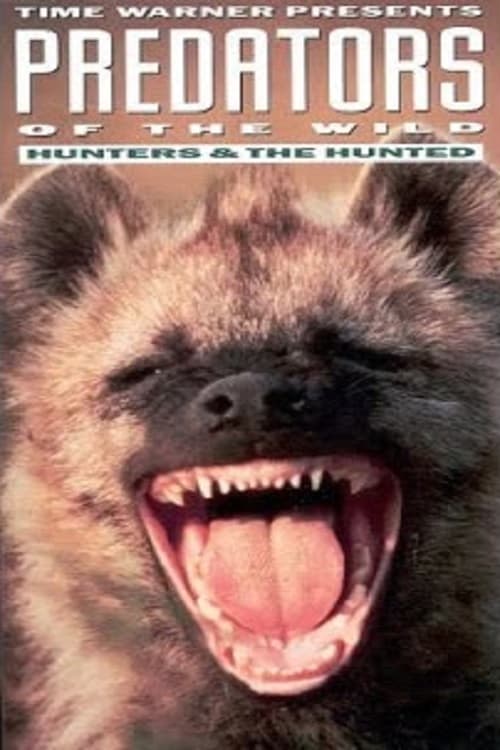
Shot in Africa, this video is a documentation of the behavioral patterns and territories of an assortment of carnivores and their prey. The program is part of a multi-volume Time Warner series that markets the ferocious, killing aspects of various wild animals.
Andrew Richter shares odd celebrity encounters from his years of working in hotels.
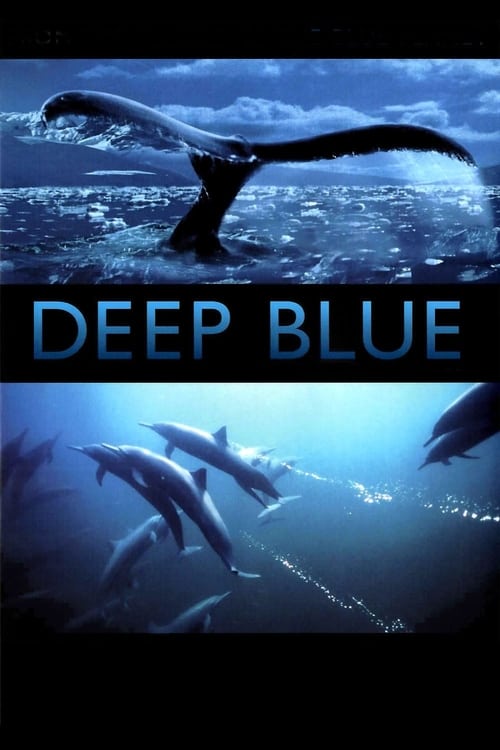
Deep Blue is a major documentary feature film shot by the BBC Natural History Unit. An epic cinematic rollercoaster ride for all ages, Deep Blue uses amazing footage to tell us the story of our oceans and the life they support.
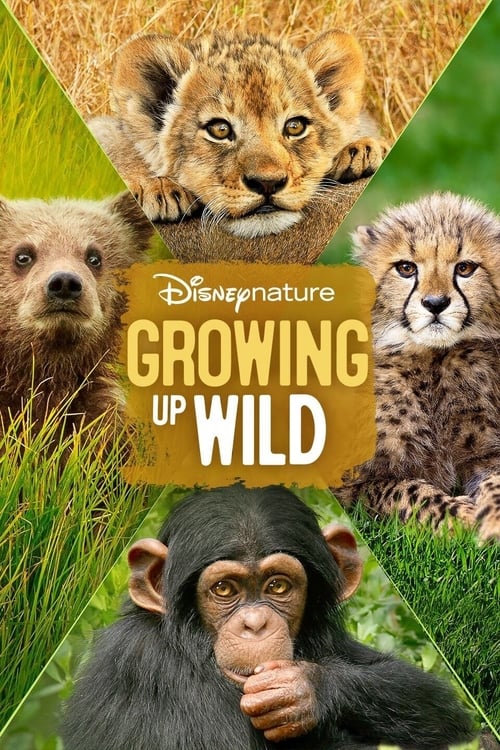
Life is an adventure - especially for a newborn animal who has so much to learn. "Growing Up Wild" takes audiences to the wildest corners of the planet to tell the tales of five courageous animals as they tackle the very first challenges of their young lives. With a little guidance from sage family members, each must figure out how and where to find food, while learning to recognize the very real threat of danger. From their first steps of exploring their world to their final steps into independence, "Growing Up Wild" reveals the triumphs and setbacks of five young lives in which instinct, parental lessons, and trial & error ultimately define their destinies. Featuring the stunning imagery and iconic storytelling that makes Disneynature's big-screen adventures an inspiring movie-going experience, "Growing Up Wild", brings home a special look at how similar and different these young lives can be. - Written by (C) 2016 Disney Enterprises
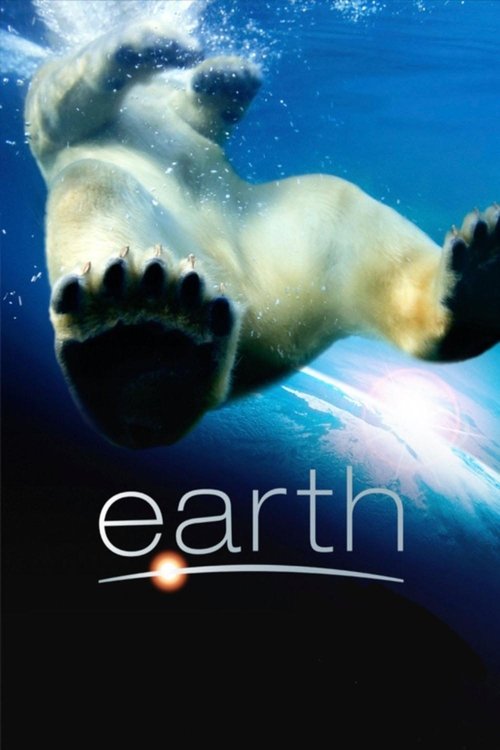
An epic story of adventure, starring some of the most magnificent and courageous creatures alive, awaits you in EARTH. Disneynature brings you a remarkable story of three animal families on a journey across our planet – polar bears, elephants and humpback whales.
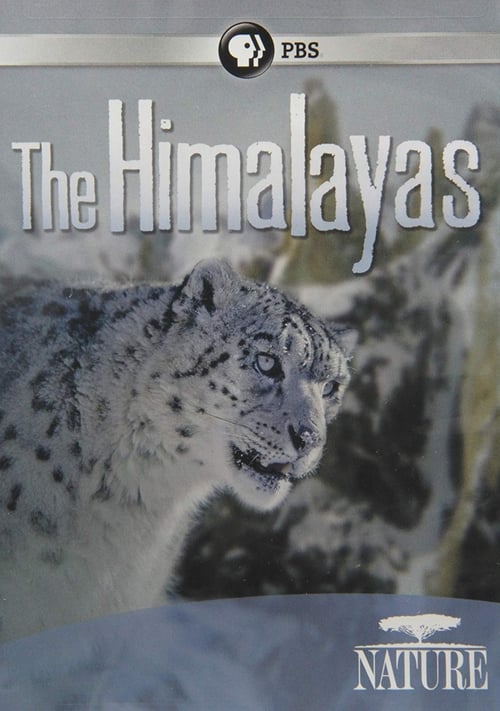
The highest mountain range in the world, the Himalayan range is far reaching, spanning thousands of miles, and holds within it an exceptionally diverse ecology. Coniferous and subtropical forests, wetlands, and montane grasslands are as much a part of this world as the inhospitable, frozen mountaintops that tower above. The word Himalaya is Sanskrit for abode of snow, fitting for a stretch of land that houses the world’s largest non polar ice masses. Extensive glacial networks feed Asia's major rivers including the Ganges, Indus, and Brahmaputra. More than a billion people rely on these glacier-fed water sources for drinking water and agriculture. The Himalayas are not only a remarkable expanse of natural beauty. They're also crucial for our survival.