This video examines the killer whale, one of nature's greatest predators. It is part of a multi-volume Time Warner series that markets the ferocious, killing aspects of various wild animals.
William Hootkins
as Narrator
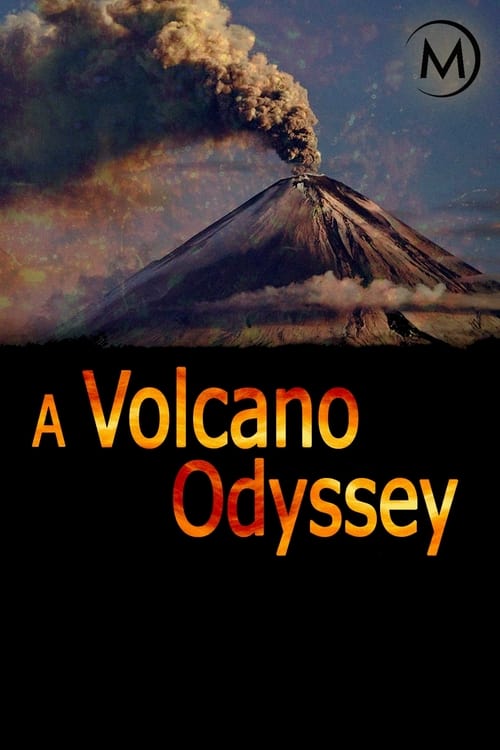
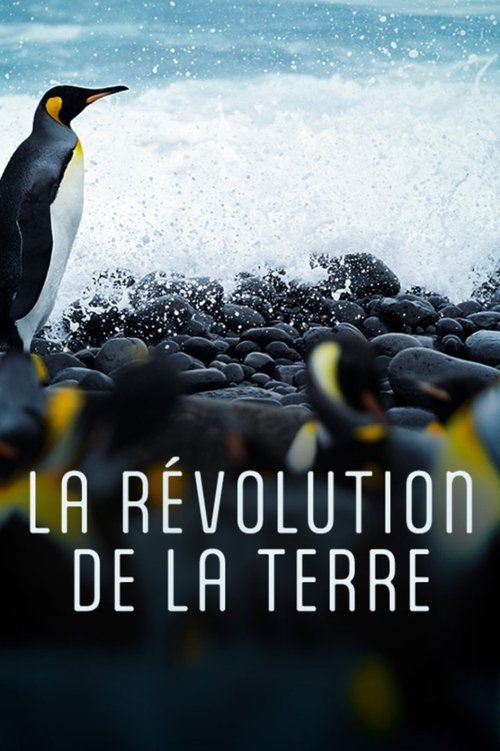
The epic story of the life of a volcano, capable of both causing the extinction of all things and helping the evolution of species, over 60 million years.
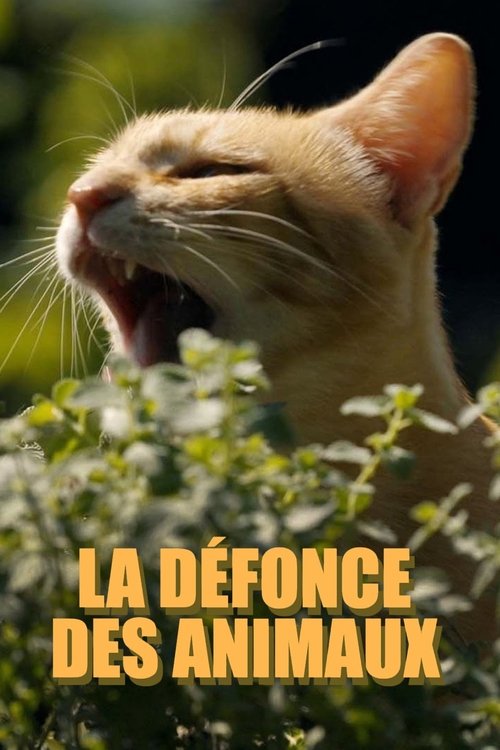
Humans today are masters at consuming hallucinogenic substances, whether as stimulants or narcotics. But our feathered, furry, and scaly companions also sometimes get intoxicated. Animals have been consuming plants, fruits, and mushrooms that sometimes get them high for much longer than we humans have.
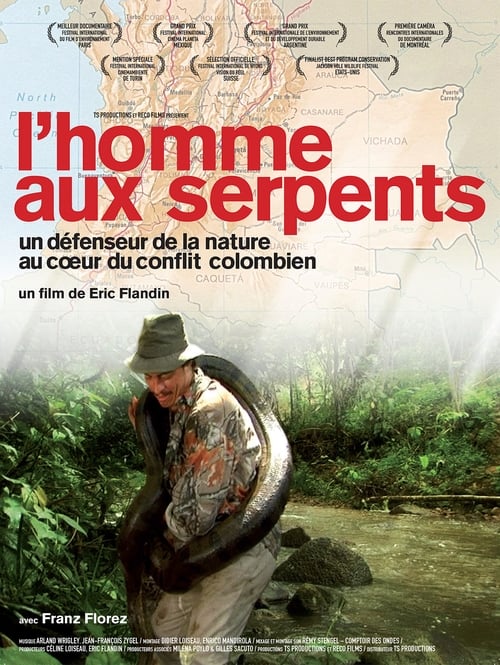
It is with an old bus an about thirty snakes that Franz Florez struggles for the preservation of nature in Colombia, one of the most environmentally diverse country in the world. His snakes are his pass to enter the deep jungle, where guerrillas fight the regular army and where narco-traffickers meet coca growers. Facing the threat of the industrial exploitation of these preserved areas, he tries to gather support among the population, including the armed actors.
Dive into a world of ice and freezing waters to discover a little-known yet iconic marine mammal, the Beluga. Today, this fascinating white Whale that lives in Arctic and sub-Arctic waters is once again in decline, especially in the St. Lawrence River. Is it due to the loss of sea ice? The growth of ocean shipping? Noise? Contamination? Genetics? Alongside world-renowned researchers, this documentary in 4K takes us on a major scientific quest that sheds new light on Beluga populations which are fighting for their survival. Over four seasons, we share the daily life of an international group of scientists who study this extraordinary species in its native habitat to better comprehend their existence and understand why they are endangered.
In an increasingly technologically advanced world, only the bravest dare to live life in a simpler way. In this masterpiece, Carlos, better known as "Legendboy", documents his thrilling journey from his quarters to his friends' house, recounting all the ups and downs and unique moments along the way. Special commentary by "Morais".
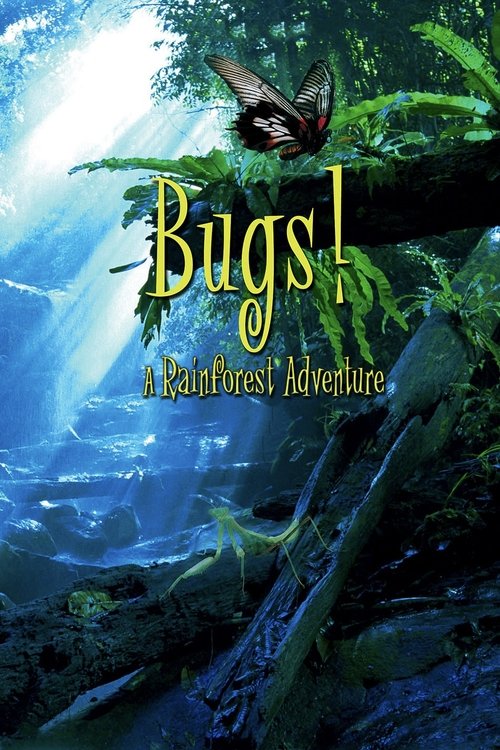
Explore the extraordinary hidden world of insects, where a leaf weighs more than a car, rain drops feel like exploding hand grenades and a blade of grass soars like a skyscraper. Shot on location in the Borneo rainforest, Bugs! brings the beautiful and dangerous universe of its tiny stars up close and personal with cutting-edge technology that magnifies them up to 250,000 times their normal size.
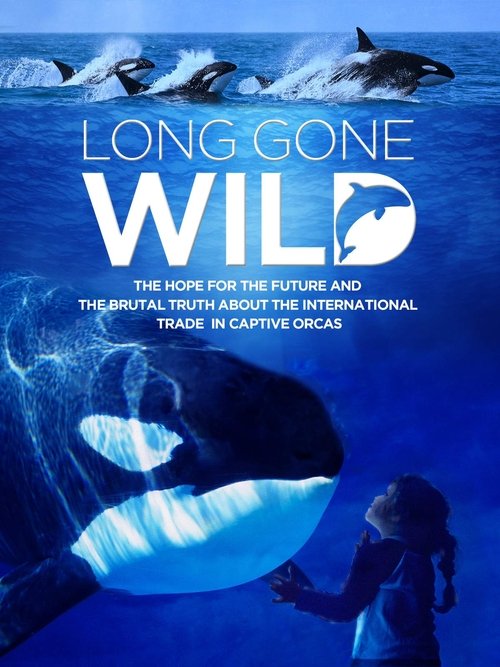
Long Gone Wild focuses on the plight of captive orcas, picking up where the acclaimed documentary Blackfish left off while telling a uniquely new and different story...
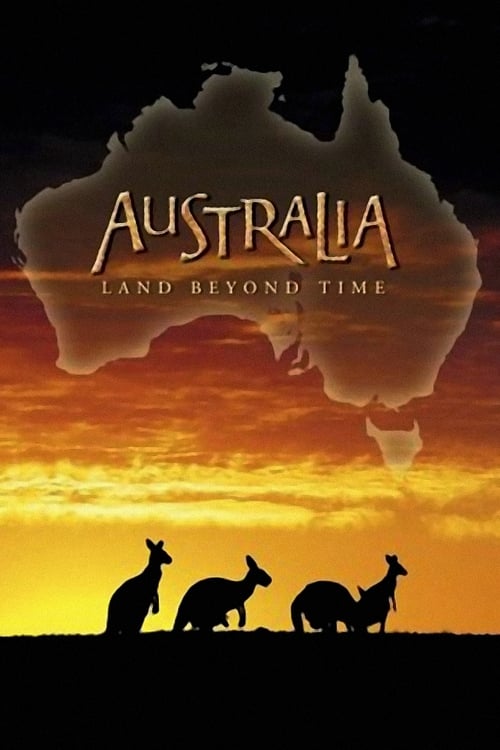
Australia: Land Beyond Time takes viewers on a breathtaking journey back in time to witness the birth and evolution of a mysterious land that harbors remnants of Earth's earliest life and many of it's strangest creatures that exist nowhere else on the planet.
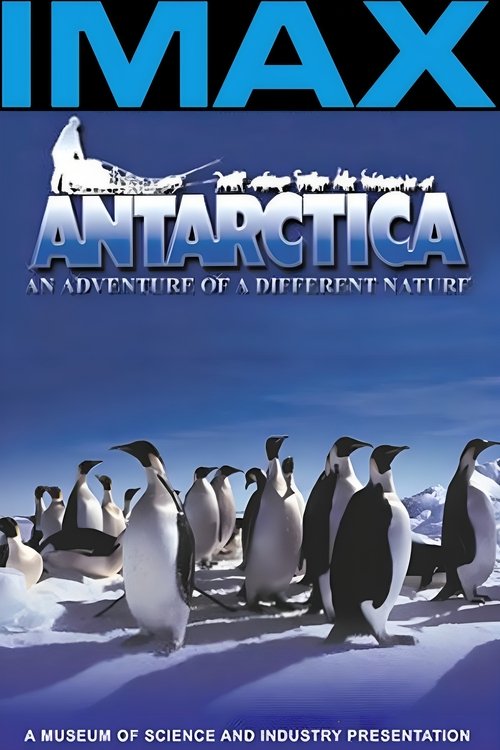
This large format film explores the last great wilderness on earth. It takes you to the coldest, driest, windiest continent, Antarctica. The film explores the life in Antarctica, both for the animals that live their and the scientist that work there.
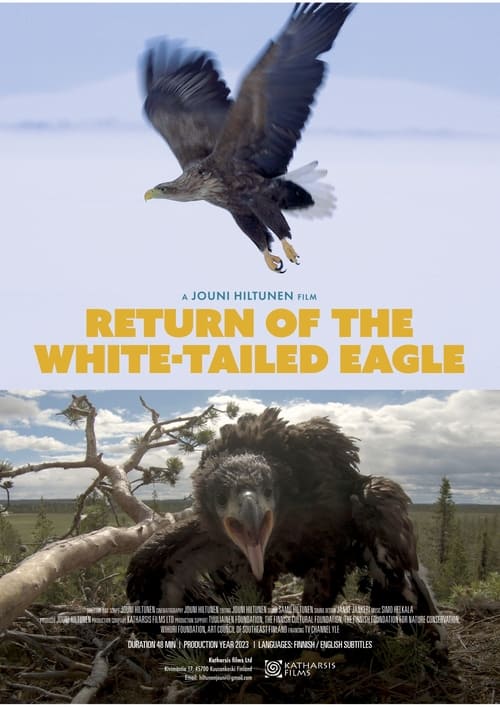
The documentary Merikotkan paluu (Return of the white-tailed eagle), tells the tale of the past and the present of the white-tailed eagle. The second protagonist of the film is the human - the animal that can be blamed for the eagles’ distress but also credited for its rescue.
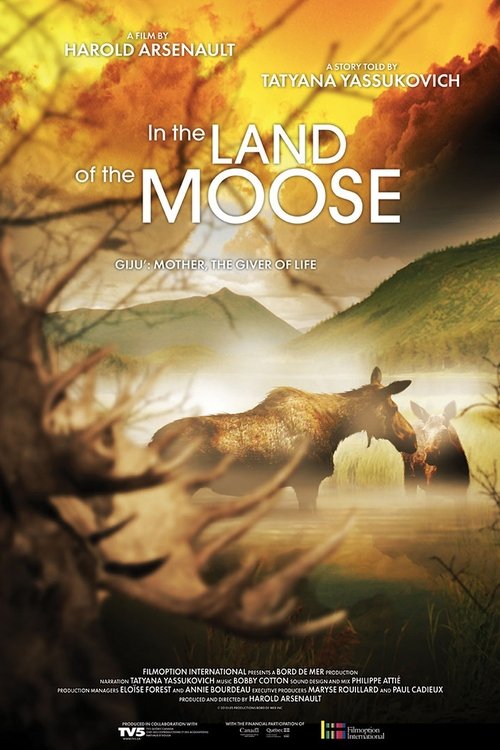
A mother moose’s journey through nature’s eternal cycles.
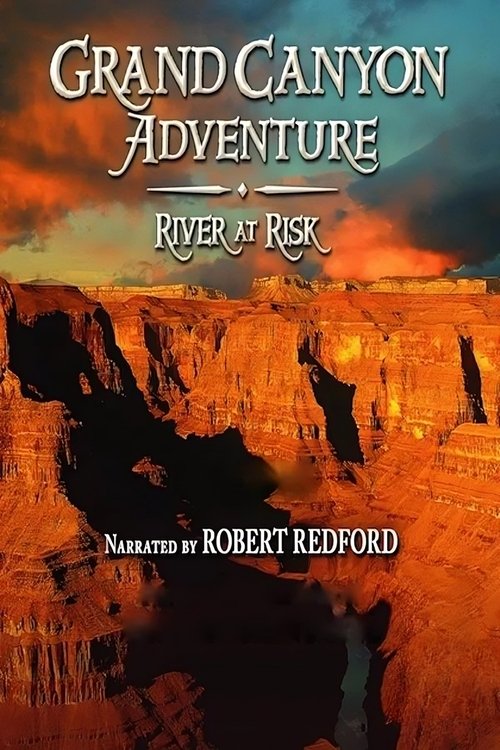
A documentary about a 15-day river-rafting trip on the Colorado River aimed at highlighting water conservation issues.
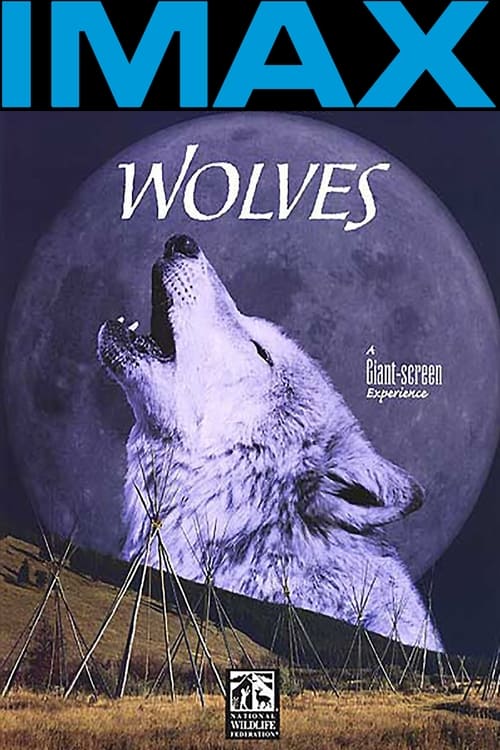
A look at the great wolf debate with comments and views from people on both sides. It also contains footage of Natives dressing up & doing tribal dances. The link between wolves, bison, and Native Americans; as well as white man's reasoning behind their determination to eliminate bison and wolves from the landscape.
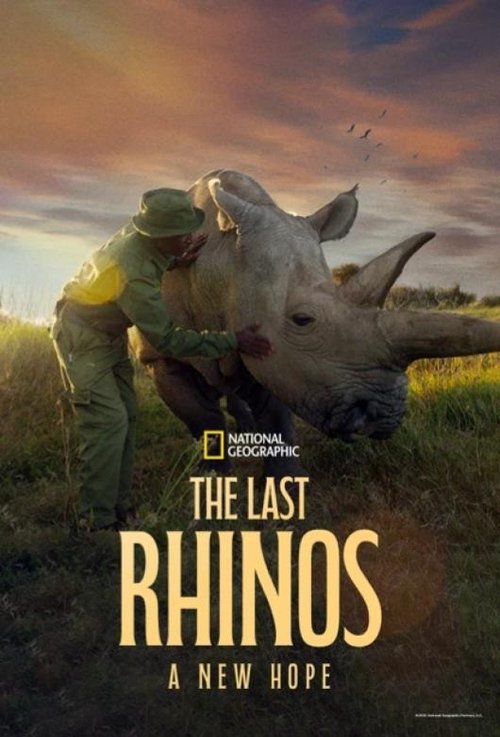
Photographer Ami Vitale follows a global effort to save the northern white rhinoceros from extinction. With only two surviving females, a team of scientists races to create the world’s first surrogate rhino pregnancy. The fate of the species now rests in the hands of the teams who are devoted to saving it in this hopeful, urgent film
National Geographic wildlife filmmaker Bertie Gregory takes audiences on an adventure to iconic South Georgia Island. Sailing through the roughest ocean on the planet in a 50-foot boat, his team's target is the sub-Antarctic island, known for its breathtaking scenery and high concentration of wildlife. It's a life of extremes for Antarctic fur seals. Bulls fight to the death for breeding rights, while seal moms work to raise their adorable pups.
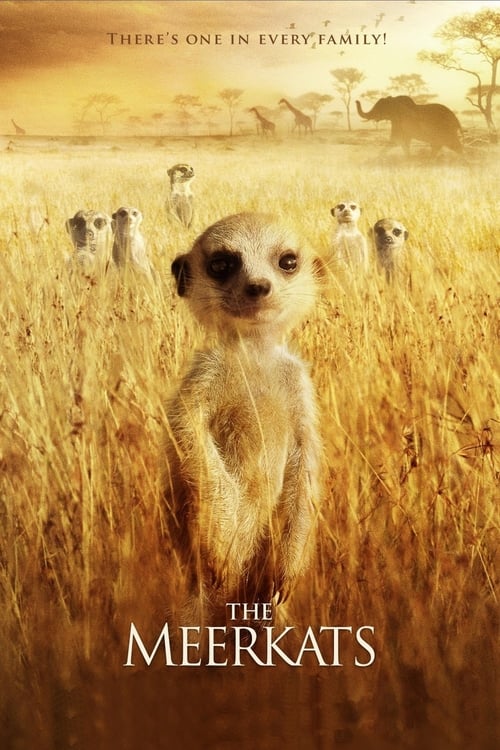
A coming of age story following a young meerkat pup, Kolo, growing up in the Kalahari desert; and an inspiring look at how one family's connection to each other and their surroundings is a model of resilience and fortitude for us all. Shot using ground-breaking techniques, this dramatised documentary is a one-of-a-kind presentation from The Weinstein Company and the BBC, featuring narration by Paul Newman.
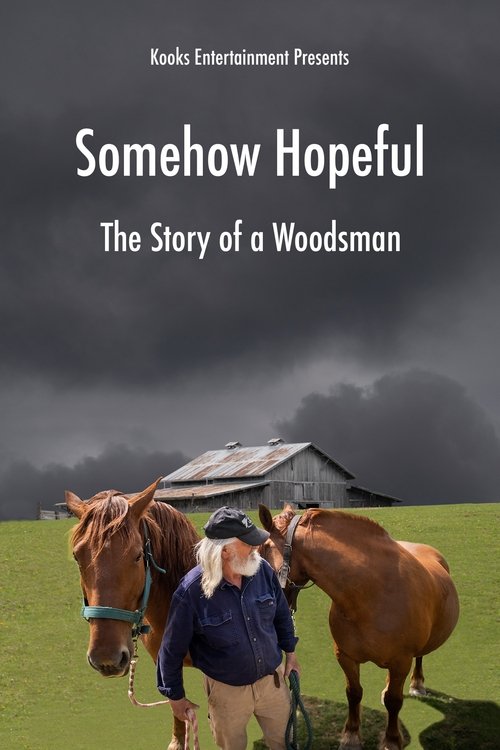
When fighting for necessary change, rejection of the status quo is a worthy rebellion. SOMEHOW HOPEFUL is the story of Jason Rutledge, a woodsman dedicating his life to proven methods of protecting our most vital life-giving asset - a healthy, diverse forest. The woodsman's ally in the fight to restore our environment has been mankind's most reliable partner for thousands of years, the powerful draft horse. Jason, and those like him, are poets, craftsmen, artists, farmers and educators doing the real work to make our planet whole again. While the woodsman's critics say he's stuck in the past, Jason believes he is in the future.
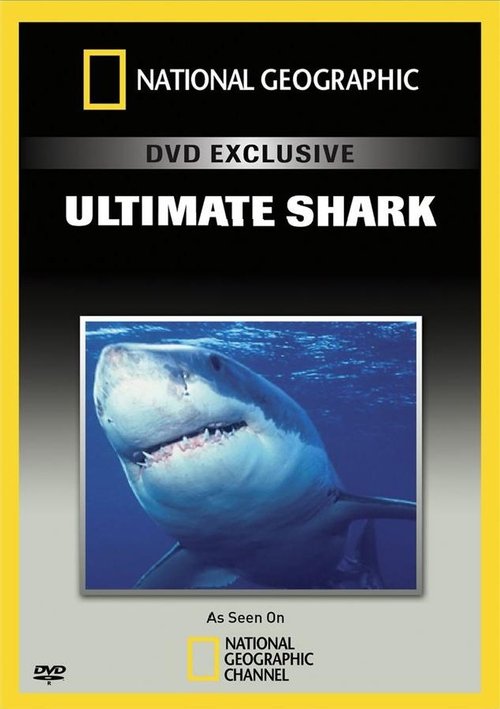
See the world's first MRI scan of a great white shark as Ultimate Shark reveals the extreme engineering and predatory abilities of one of nature's most near perfect predators. Hear firsthand accounts of people who survived harrowing encounters, including a surfer who was bitten on the arm and leg, towed by the surfboard ankle strap and miraculously escaped only with minor injuries. National Geographic demystifies the true motives and power behind their behavior.