Filmmaker Stephen Hosier takes a journey with Richard Csanyi, his childhood friend, as he investigates the life and death of his twin brother Attila, who was found dead on a rooftop in 2020.
Richard Csanyi
as self
Crownsville Hospital: From Lunacy to Legacy is a feature-length documentary film highlighting the history of the Crownsville State Mental Hospital in Crownsville, MD.
This Traveltalk series short visit to the province of Ontario begins in Ottawa, Canada's capital, then proceeds to Algonquin Park, Toronto, and Niagara Falls.
After many years of life marked by PTSD, men and women veterans of the wars in Vietnam, Afghanistan, and Iraq travel to the Peruvian Amazon to participate in shamanic ceremonies to heal their traumas.
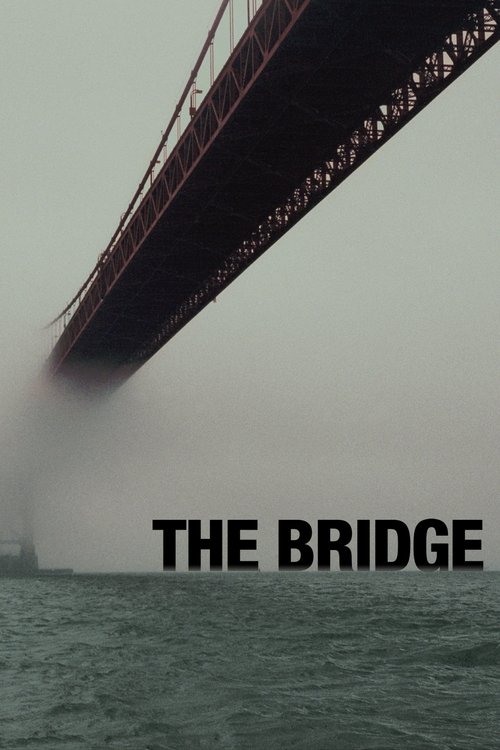
The Bridge is a controversial documentary that shows people jumping to their death from the Golden Gate Bridge in San Francisco - the world's most popular suicide destination. Interviews with the victims' loved ones describe their lives and mental health.
This film recreates the true story of Tom Sukanen, an eccentric Finnish immigrant who homesteaded in Saskatchewan in the 1920s and 1930s. Sukanen spent ten years building and moving overland a huge iron ship that was to carry him back to his native Finland. The ship never reached water.
After Dontre Hamilton, a black, unarmed man diagnosed with schizophrenia, was shot 14 times and killed by police in Milwaukee, his family embarks on a quest for answers, justice and reform as the investigation unfolds.
As a 10-year-old “Mengele Twin,” Eva Kor suffered some of the worst of the Holocaust. At 50, she launched the biggest manhunt in history. Now in her 80s, she circles the globe to promote the lesson her journey has taught: Healing through forgiveness.
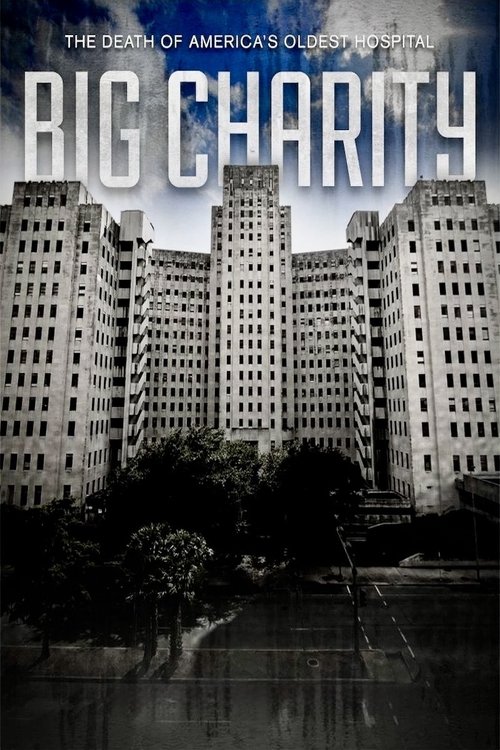
A documentary about the corrupt health care system in The United States whose main goal is to make profit even if it means losing people’s lives. "The more people you deny health insurance, the more money we make" is the business model for health care providers in America.
This documentary celebrates one of Britain’s greatest actors, Dame Judi Dench, and looks back over her remarkable 60-year career.
The Pine Ridge Indian Reservation has declared a “State of Emergency”, after an outbreak of youth suicides has devastated the community. Due to a lack of Federal assistance, residents have taken prevention efforts into their own hands. A tenacious Oglala Lakota elder takes charge, rallying the community to get involved, while empowering a resilient young group of suicide survivors to band together to help raise awareness.
In this documentary, Alex trusts his twin, Marcus, to tell him about his past after he loses his memory. But Marcus is hiding a dark family secret.
In his first HBO comedy special, Gary Gulman offers candid reflections on his struggles with depression through stand-up and short documentary interludes. While speaking to issues of mental health, Gulman also offers his observations on a number of topics, including his admiration for Millennial attitudes toward bullying, the intersection of masculinity and sports, and how his mother's voice is always in his head.
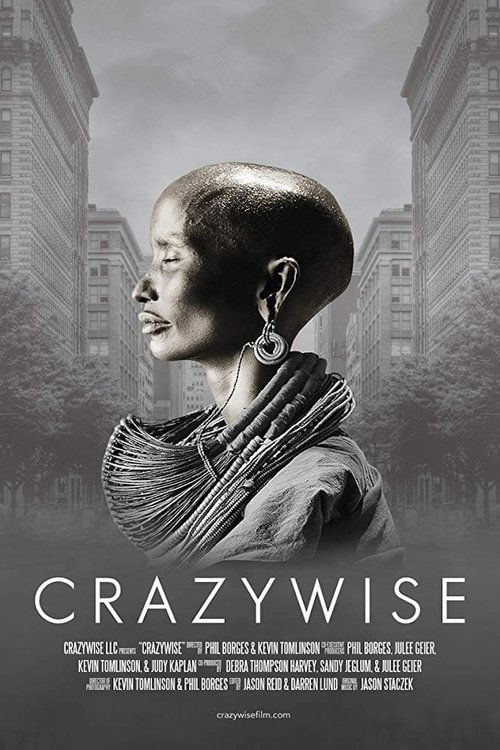
Western culture treats mental disorders primarily through biomedical psychiatry, but filmmakers Phil Borges and Kevin Tomlinson reveal a growing movement of professionals and survivors who are forging alternative treatments that focus on recovery and turning mental “illness” into a positive transformative experience.
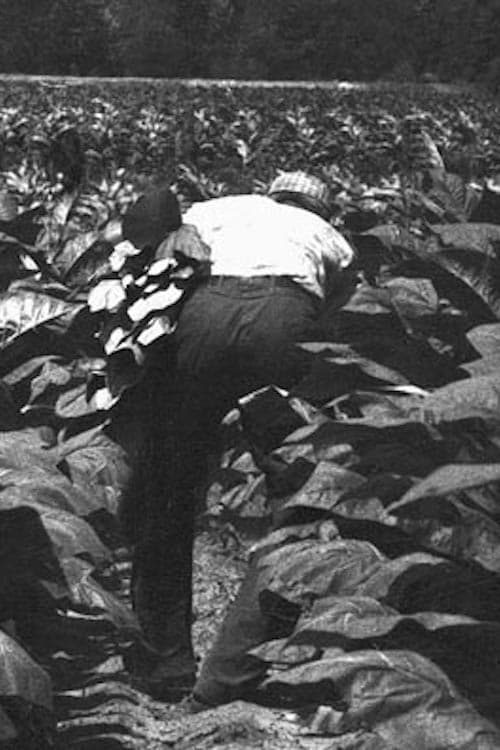
Here is a graphic picture of the tobacco harvest in southwestern Ontario. At the end of July, transient field workers move in for a brief bonanza when the plant is ripe. The tobacco harvesters call it "the back-breaking leaf."
A feature documentary about Kansas City, as its people tell us how they got through the pandemic and look back at what they lost.
The documentary follows one woman's quest to overcome anxiety, depression, and opioid addiction through the use of psychedelic medicines.
Reclaiming what was once stolen from him, a man journeys back to the place of his childhood nearly 80 years after his world came crashing down.
The Richardson Olmsted Campus, a former psychiatric center and National Historic Landmark, is seeing new life as it undergoes restoration and adaptation to a modern use.
Segregation, abandonment, and the meaning of home are discussed by the people that lived in, worked at, and crusaded for one of the largest and oldest Intellectual and Developmental Disability Institutions in the United States. The facility, in its closing, challenged society's perception of those with intellectual disabilities and ultimately fought for better rights.