Truncated Utopia tells the story of Luisa Rendón Martell, a republican activist who was retaliated against in the province of Cádiz during the civil war and Franco's regime.
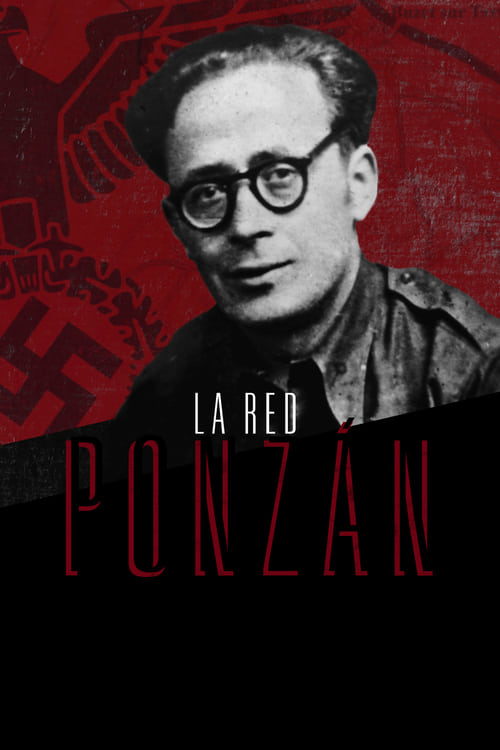
During the Spanish Civil War (1936-1939) and the Second World War (1939-1945), around three thousand people managed to elude their pursuers, and probably also avoided being killed, thanks to the heroic and very efficient efforts of the Ponzán Team, a brave group of people — mountain guides, forgers, safe house keepers and many others —, led by Francisco Ponzán Vidal, who managed to save their lives, both on one side and the other of the border between Spain and France.
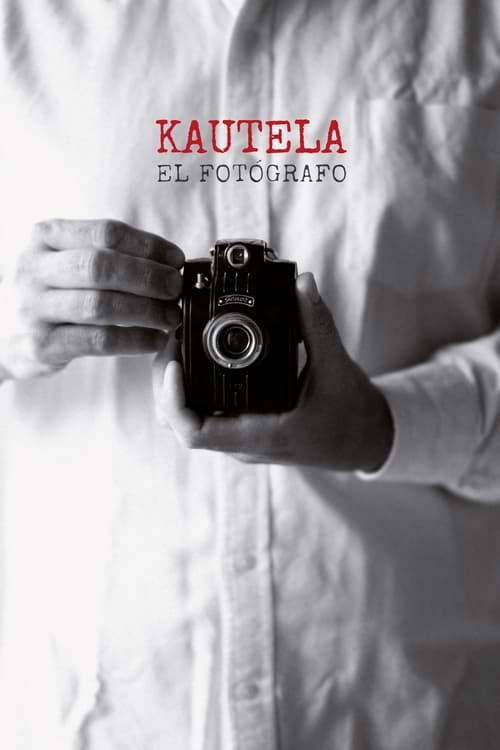
After the discovery of a suitcase hidden in the family home of Francisco Martínez Gascón, known as Kautela, a photojournalist who lived through the Spanish Civil War from the perspective of the rebel side, his granddaughter decides to carry out an investigation into his life and work.
A definitive review of the long and arduous journey of the works of Spanish Artistic Heritage during the Spanish Civil War. The filmmakers travel the tortuous way back from Madrid to Geneva, passing through Valencia and Figueres, interviewing the protagonists of that unrepeatable feat.
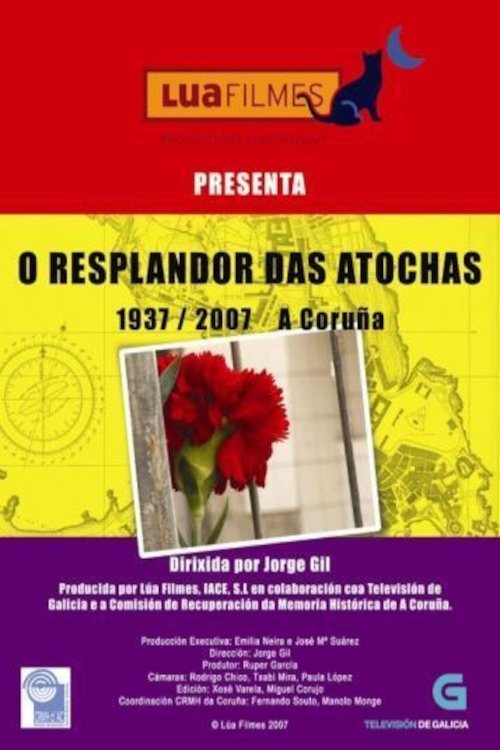
The memory of a defeat, a barbarism: the destruction at the dawn of the civil war of people who fought for freedom, a group of anarchists from A Coruña located in the Atochas area. Through valuable witnesses and historical images a reconstruction of a metaphorical episode in the history of the country. This projection is made in collaboration with its author and the Commission for the Recovery of Historical Memory.
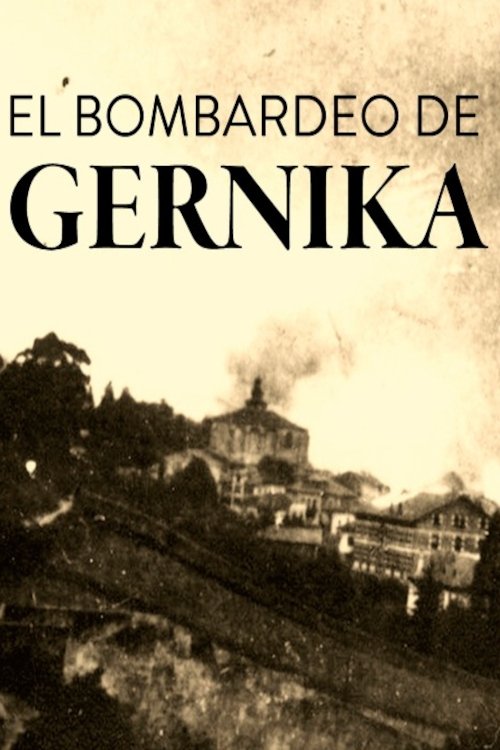
Documentary about the bombing of Gernika carried out by Nazi aviation in support of Franco's troops. Contains testimonies from survivors and unpublished color images.
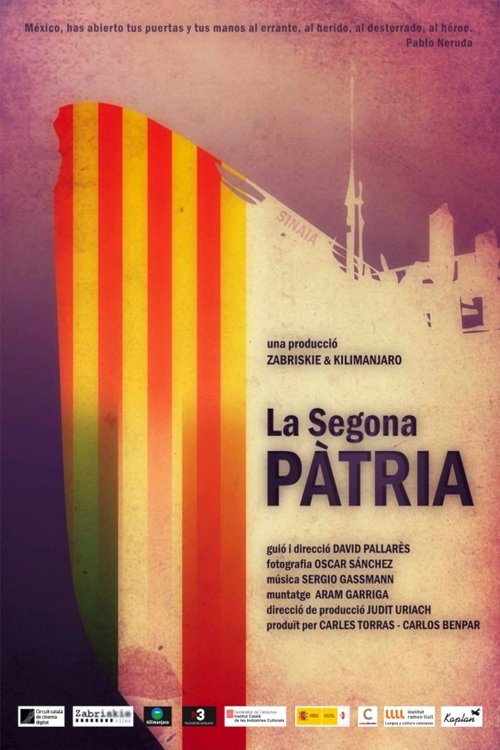
The victory of the fascist army in the Spanish civil war caused a mass exodus of republicans who had to take refuge wherever they could. Mexico, led by its president, Lázaro Cárdenas, was the only country that openly supported the republican cause and opened its doors to thousands of Catalans who found their second homeland in that land. This documentary aims to be a tribute to all the exiles and the people who welcomed them. "Mexico, you have opened your doors and your hands to the wanderer, the wounded, the exiled, the hero..." Pablo Neruda.
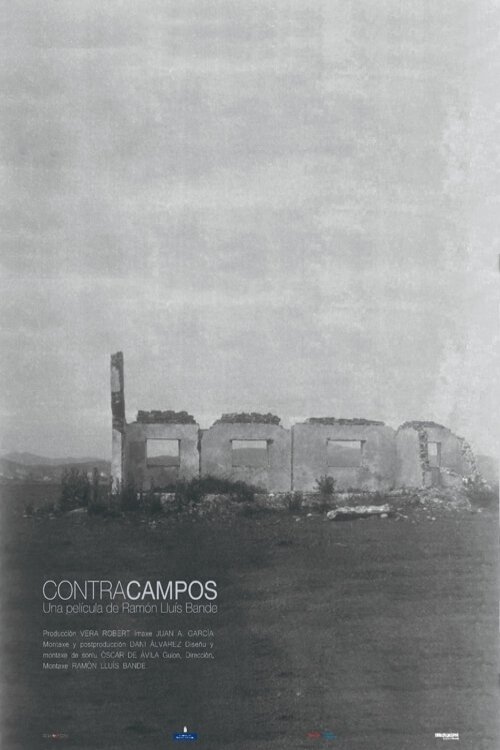
Contracampos is the attempt to (re)build a landscape. A recreational area and a shooting range in the west of Asturies, which, between 1937 and 1943, housed a Francoist concentration camp through which thousands of Republicans passed – firstly militiamen, later guerrillas and their relatives. Sharing a leisurely observation with the viewer, the film intends to resignify that space, giving it back its political meaning. But it is not a question of showing –of filming– the invisible, but rather of showing what is missing in what exists today. What was and is no longer, not even in people's memories.
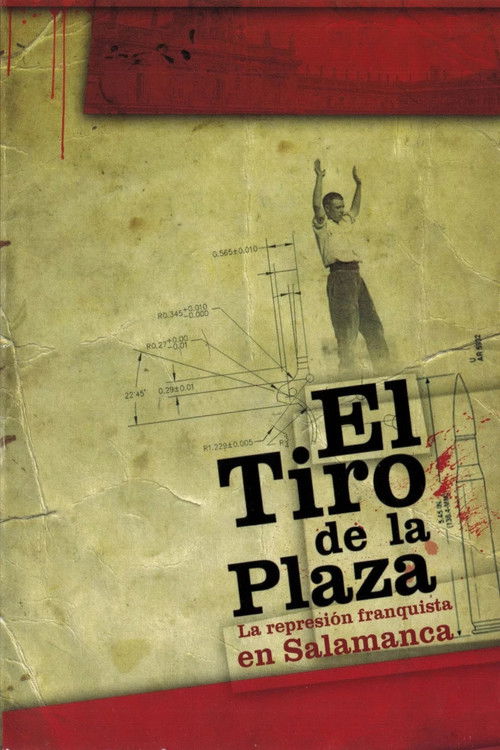
Documentary that narrates a key moment in our history: the Franco coup d'état, the cruel repression that was carried out and the attempts at resistance in the Charra province. Many people are convinced that Salamanca surrendered with open arms to the coup plotters; However, nothing could be further from the truth. In Salamanca there was repression and there were attempts at resistance; There were arrests and there were tortures, there were shootings and there were disappearances. In Salamanca there was also harsh repression that manifested itself in all its forms.
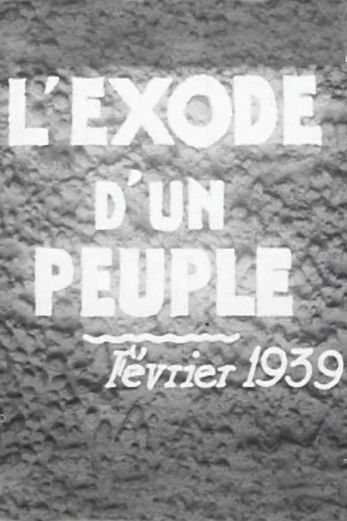
At the start of 1939 an exodus of nearly 500,000 Spanish Republicans, soldiers and civilians together, fleeing Franco's troops crossed the border to France. Louis Llech, a Perpignan based shopkeeper and enlightened amateur cineaste, owned a 16mm camera. Together with his friend Isambert, he filmed this extraordinary migration. Fascinated by the military aspect of this Retirada, he favoured shots of parades, of crowds, like those showing military equipment. He nonetheless also showed civilian distress, without insisting on its picturesque aspects, focussing more on images of the uninterrupted flow of refugees.
The military uprising of 1936 tried to eradicate all traces of the social transformation that had brought the Republic. There were villages like Guímara, in the Valley of Fornela (León), whose almost unanimous support to the Republic supposed a hard and systematic repression. This isolated village, of about 85 neighbors, suffered one of the most painful forms of punishment: deportation of adults to concentration camps, separating them from their minor children. In this documentary it is told the chronicle of this terrible repression that sought to subdue and subjugate the population through fear, trying to destroy family ties, solidarity networks between the people and personal and collective subsistence economy. The memory of lullabies from their mothers was the echo that reached their children from the forced exile who lived their elders.
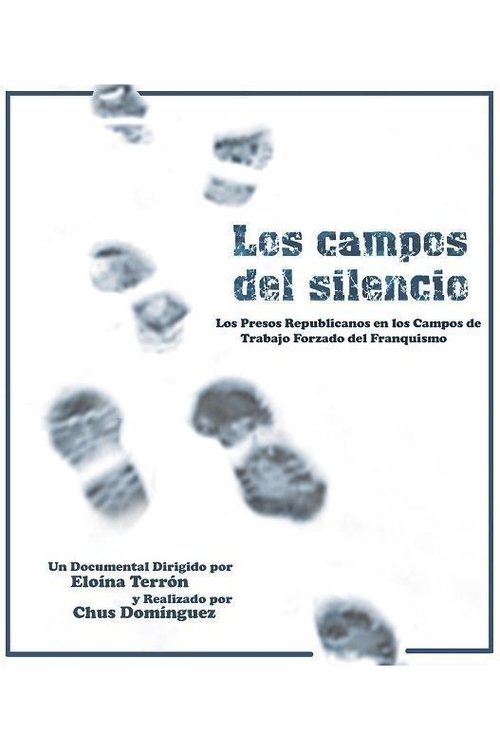
Who made the dams of the Ebro, Entrepeñas, Barrios de Luna and many others? Who rebuilt towns and cities like Belchite, Brunete, Oviedo, Teruel... among many other populations? Who built from airports such as Sondica or Labacolla to municipal stadiums like those of Valladolid and Palencia, to prisions like Carabanchel or Cordoba? Republicans who were prisoners condemned to work as slaves, whose only "crime" had been to defend the democratically elected legality. This documentary tries to recover the memory of these events focusing on the battalion of Republican prisoners of Fabero del Bierzo. It investigates the mechanisms of social construction of silence, fear and forgetfulness that even today can be felt where the events occurred and where the descendants of many of those prisoners still live.
A guy invites us to join him in his investigation about what happened in his town, Moaña, during the Spanish Civil War. In an imaginary journey in time, he moves to the town as it should be in July 18 of 1936.
Documentary about the anarchist general Antonio Ortiz.
Narration of one of the most lacerating events in the history of this municipality in the Sierra de Cádiz: the murder of 15 neighbors, without trial or formation of any cause. Some of these victims had fled in September 1936 but ended up returning to the municipality, probably in February 1937. It was on that date that the town's Falangists arrested them and executed them, and not as previously thought in the summer of 1936. Several survivors and relatives of those massacres narrate what the arrests of the women and the shootings were like. They also talk about the exhumation of the bodies of these 15 women, where for many years family and friends have brought flowers.
Félix Costa, an anarchist militant who has lived in exile since the end of the Civil War, discovers that the Administration has left him for dead and decides to return to Spain. As he tours the place where they say he was shot dead, he reflects on the validity of his struggle and the fact that he has fallen into oblivion.
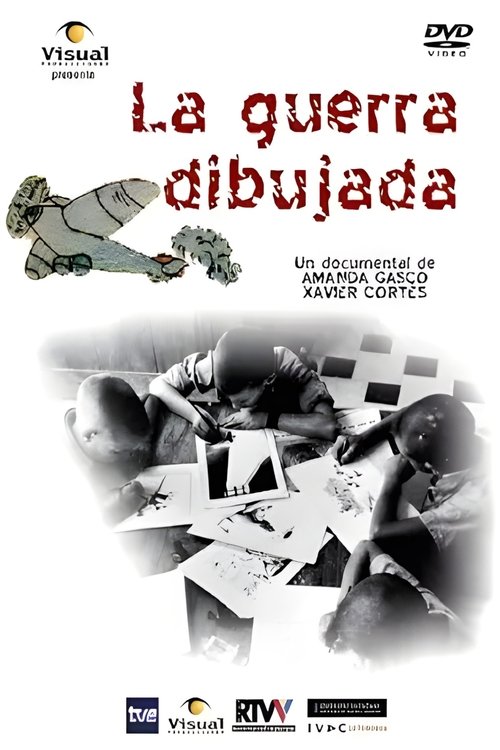
This documentary is a vision of the Spanish civil war seen by the children of that time: sometimes as a game and other times as a dangerous adventure. A mixture of fascination and fear that was captured forever in the form of drawings.