Documentary about the bombing of Gernika carried out by Nazi aviation in support of Franco's troops. Contains testimonies from survivors and unpublished color images.
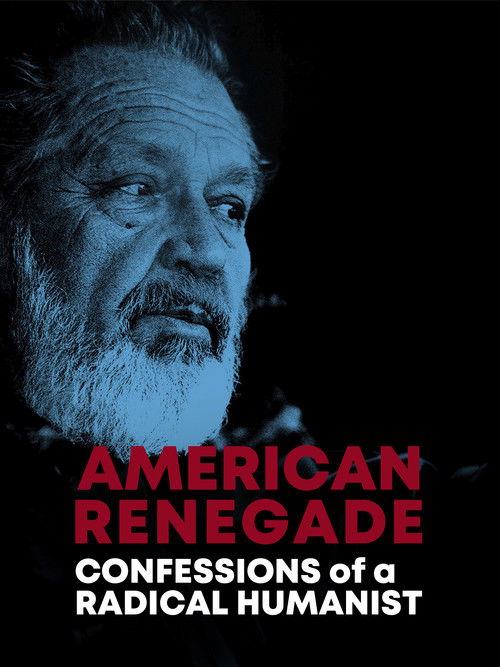
Activist, lover, visionary, renegade - For 75 years, Abe Osheroff fought on the front lines of social activism - from the battlefields of the Spanish Civil War to the killing fields of Nicaragua; from the witch hunts of McCarthy to the sharecroppers of Mississippi to streets all across the United States, Osheroff put his life on the line to keep justice alive. Through the unflinching lens of this documentary feature, this master storyteller takes us on an insightful journey inside the defining conflicts of 20th Century activism with irreverent humor and unwavering commitment to a lifetime of engagement. Osheroff's confessions strike a resounding chord in today's world with a singular voice that never stopped chanting "yes we can!"
Most people knew Abe Osheroff as an activist. For most of his 92 years - from the frontlines of the Spanish Civil War to the picket lines of the U.S. labor movement, from the struggles for civil rights in Mississippi to his work for human rights in Nicaragua - Osheroff threw himself into the fray with rare energy and enthusiasm. In this riveting and inspiring new film, Osheroff reflects on the meaning of his activism, exploring the ideas that animated his actions and sharing wisdom built up over a lifetime of commitment to the "radical humanism" that defined his politics and philosophy.
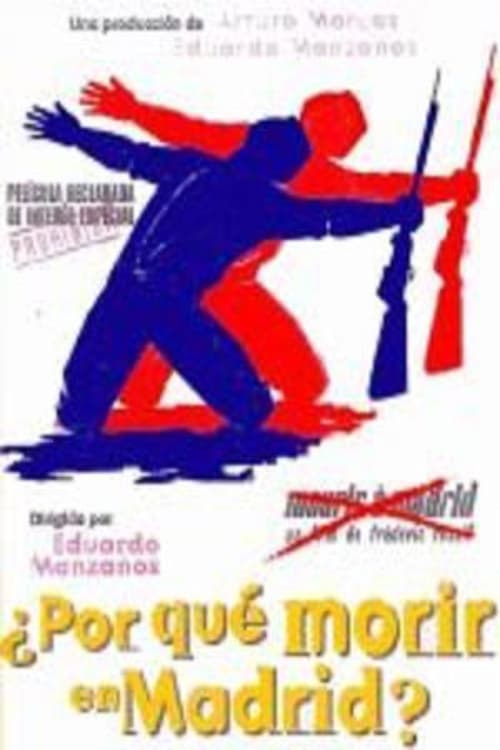
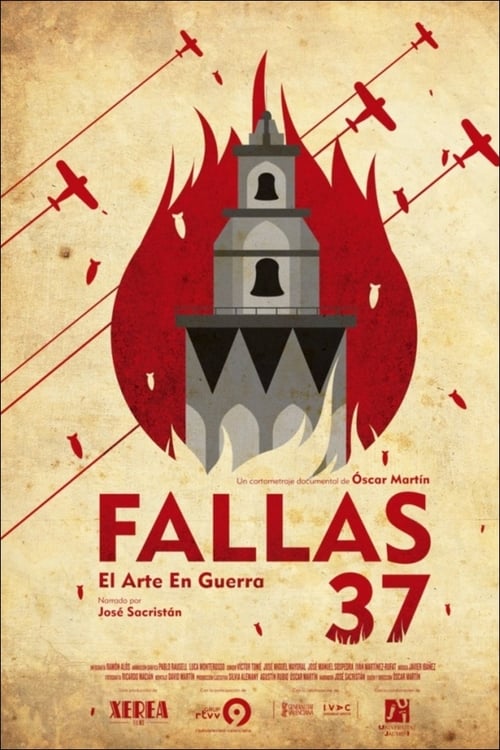
In November 1936, a few months since the beginning of the Spanish Civil War, the government of the Second Republic moves to Valencia. In this situation, several Valencian artists and intellectuals decide to build four fallas — satirical plasterboard sculptures created to be burnt — to mock fascism.
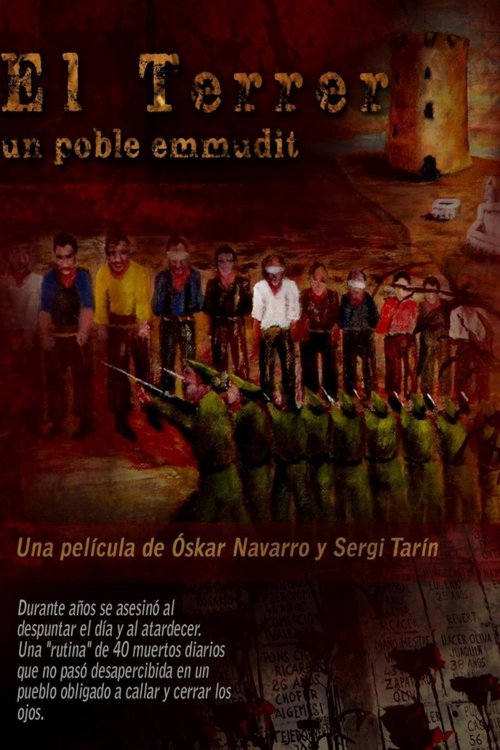
Between 1939 and 1956, the Franco regime shot more than 2,000 republicans in Paterna. They were years of terror, of silence, of arbitrariness, of planned and systematic elimination of any progressive vestige. The documentary portrays the collective effort of the people of Paterna to recover the memory and dignity of those who died defending democracy. Shown through the point of view of those protagonists who were silenced and those voices condemned to oblivion.
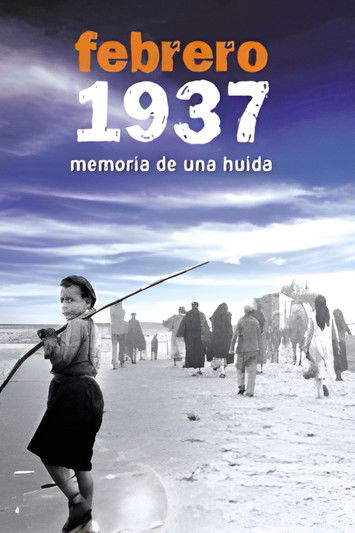
The documentary captures one of the most silenced chapters of the Civil War in Malaga. In fact, barely a line appears about this massive exodus in the history books. However, despite the passage and silence of seven decades, that event remained very much alive within numerous Malaga families.
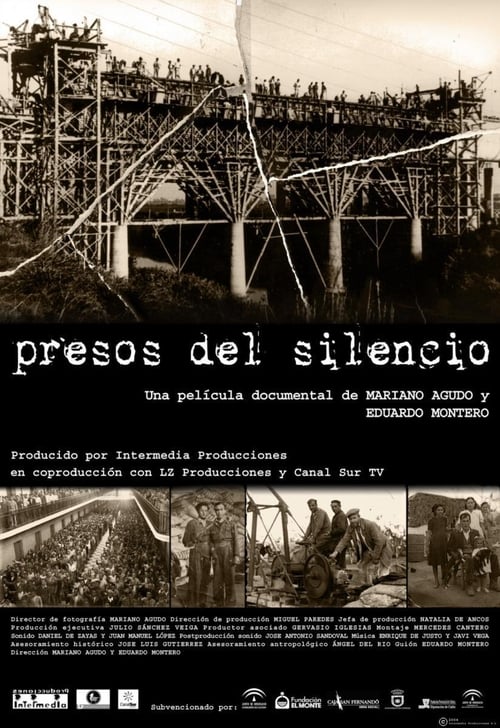
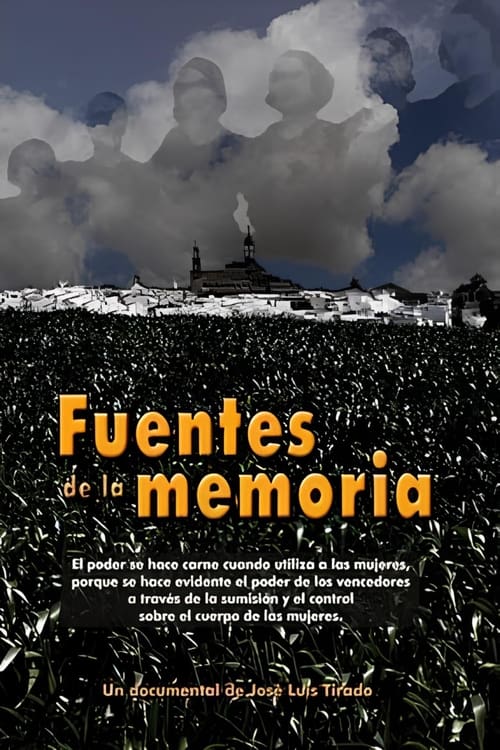
t narrates the repression suffered by the local population of Fuentes de Andalucía after the military coup of 1936.
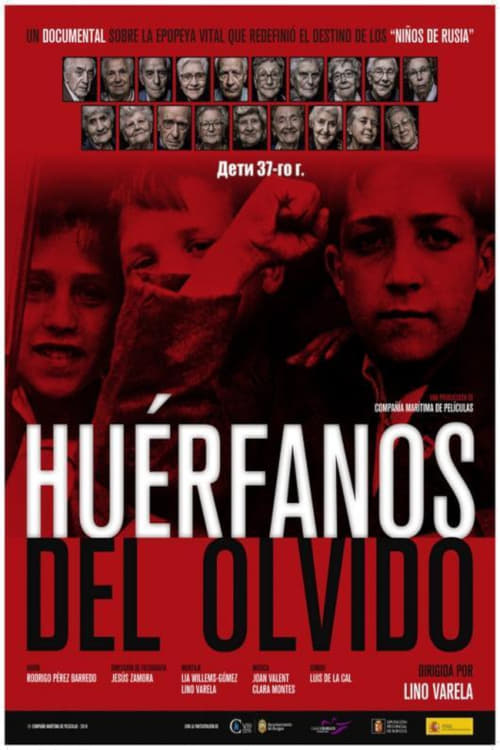
Between 1937 and 1938, during the Spanish Civil War, thousands of minors were evacuated by their own families from the Republican zone to the Soviet Union to prevent them from perishing in the indiscriminate bombings that the rebel army directed against the civilian population. Taking advantage of the 80th anniversary of this epic, a team went to Russia to record the testimonies of some of those “childrens of war.”
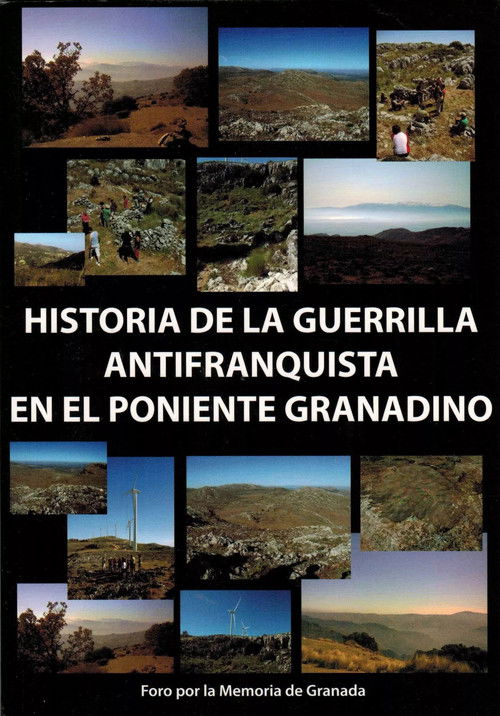
History of the anti-fascist guerrilla resistance in Granada.
Goazen gudari danok is a documentary that recounts the battle of San Miguel and its importance for the creation of the Basque Government.
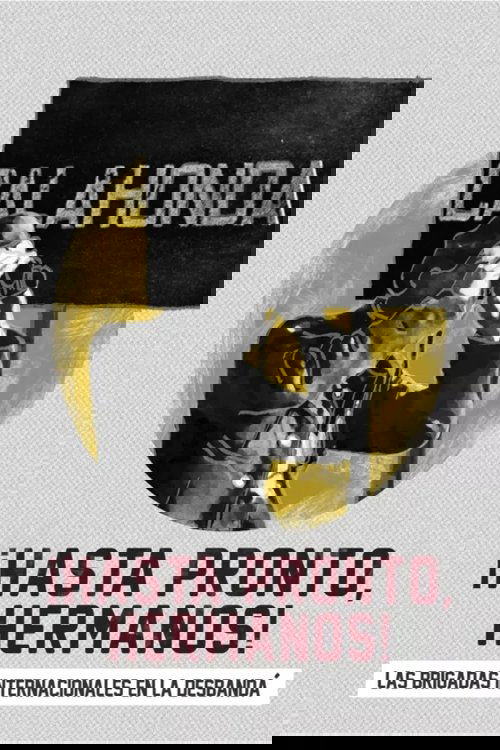
Documentary about the participation of the International Brigades in February 1937 in containing the advance of the rebel troops after the fall of Malaga.
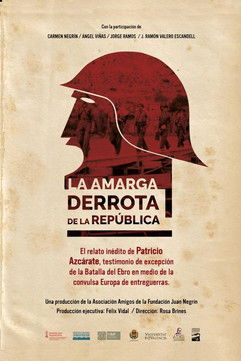
The film, which shows the Battle of the Ebro and the last days of the Spanish Civil War, is an unpublished story by Patricio Azcárate (London, 1920- Alicante, 2018), son of the ambassador of the Second Republic in London, Pablo de Azcárate. Patricio Azcárate participated as a volunteer in the Ebro where, due to his knowledge of languages, he was assigned to the General Staff and served as a translator with the brigade members.
Documentary about the battle of Guadalajara which took place in March 1937 during the Spanish Civil War and was the last major victory of the Republican Army.
Documentary about the last days, death and subsequent search for the remains of Federico García Lorca.
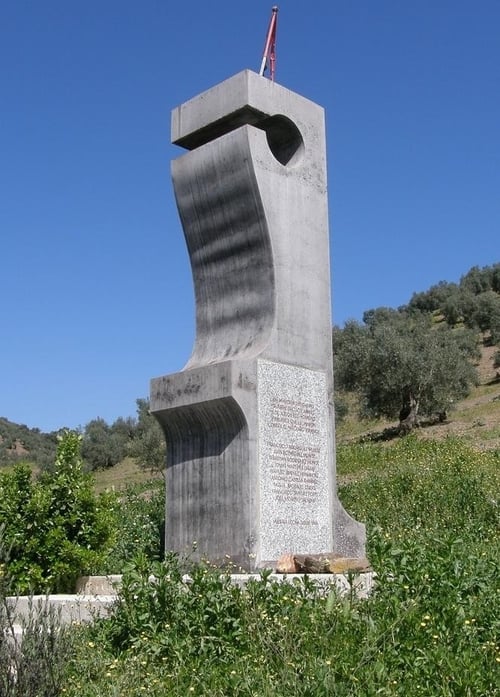
Documentary filmed between September 2012 and March 2013. It tells the story of a valley in the mountains that extends through the north of the provinces of Cádiz and Málaga, the last Republican bastion in the area when Franco's troops already occupied all of them. the nearby regions. La Sauceda was bombed and the town destroyed forever by the air force and four columns of Franco's army. The survivors were locked up in the Marrufo farmhouse, in the municipality of Jerez de la Frontera, where five or six people were shot every day. With the testimonies of the interviewees, everything that happened in those months from the summer of 1936 to the winter of 1937 is reconstructed and the work carried out by the Forum and the Association since 2011 to locate the mass graves is also narrated, in which in the summer of In 2012, the bodies of 28 people were exhumed.