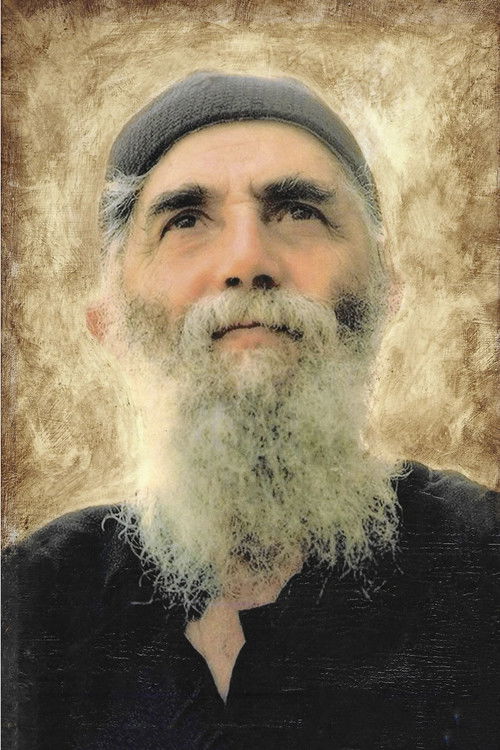
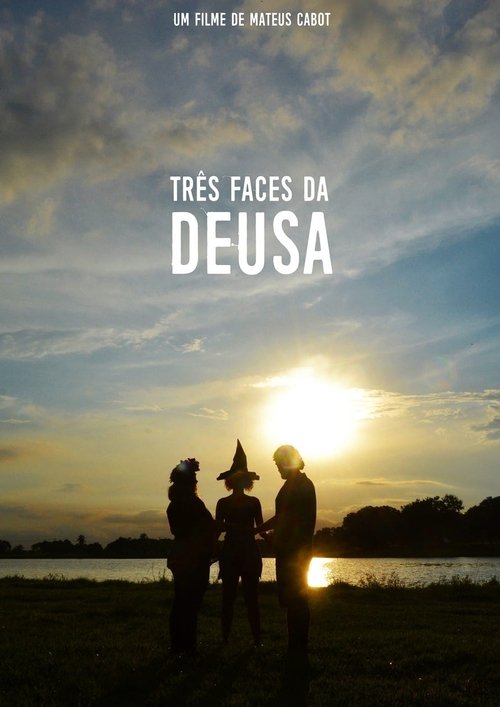
The last true rebellion is death to the world. To be crucified to the world and the world to us.
Gabriel Urgebadze
as Himself (Orthodox Christian Saint)
Jack Wilmot
as Narrator (voice)
A short documentary on the practice of Zar in Sudan.
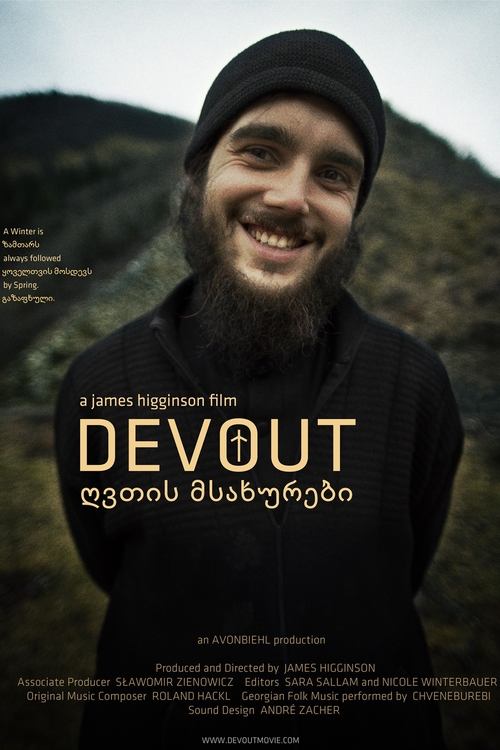
The plot of the film unfolds in the ancient monastery of Dokhiar on the west coast of Mount Athos, on the Aegean peninsula. This peninsula is given to the exclusive use of the monks of Eastern Christianity. Images of nature are woven into a virtually uninterrupted series of work and prayer, lining up in the rhythmic interrelation of man and nature. The central figure of the film was the monastery’s elder, Hegumen Gregory, whose long-term experience of spiritual nourishment rewarded him with a deep understanding of the human soul and her desire to return to the state characteristic of Adam’s human nature before the fall.
Writer-actor Aaron Davidman embodies seventeen different characters in and around the sacred city of Jerusalem as he takes us on an eye-opening journey into the heart of the Israeli-Palestinian story. Exploring universal questions of identity and human connection, the film is about one man's effort to embrace a multiplicity of conflicting viewpoints, chronicling a brave exploration of the complex humanity at the heart of one of the world's most troubling conflicts.
“A Case for Love” is a heartfelt yet personally challenging movie inspired by the teachings and writings of Bishop Michael Curry, most well-known for his passionate sermon about “The Power of Love” at the royal wedding of Prince Harry and Meghan Markle. This documentary examines whether or not love–specifically unselfish love–is the solution to the extreme societal and political divide facing the U.S.
DEVOUT reveals an archaic utopia, a timeless spiritual sphere that is as beautiful and harsh as the mountain terrain of the Caucasus, tempting but unforgiving, a riddle like God and faith as mysterious as the human condition.
An intimate portrait, in his own words, of the Indian writer Salman Rushdie, author of The Satanic Verses (1988), thirty years after the fatwa uttered by the Iranian Ayatollah Khomeini: his youth in multicultural Bombay, his life in England, his many years of forced hiding, his thoughts on President Trump's United States of America.
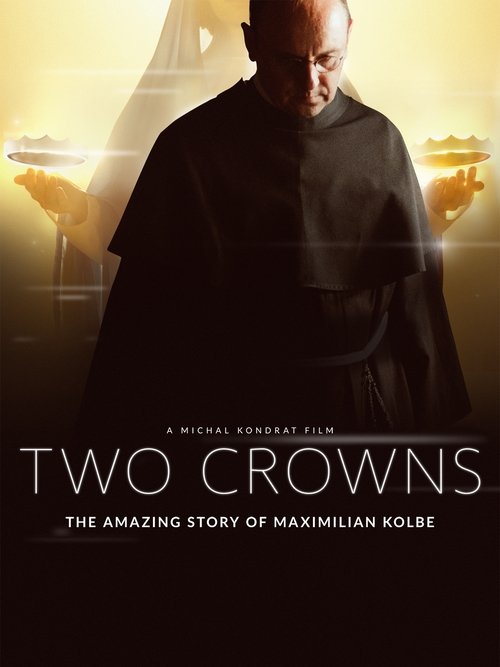
Recreation of facts and stories of both experts and people who met Maximilian Kolbe and were shocked by his words and actions.
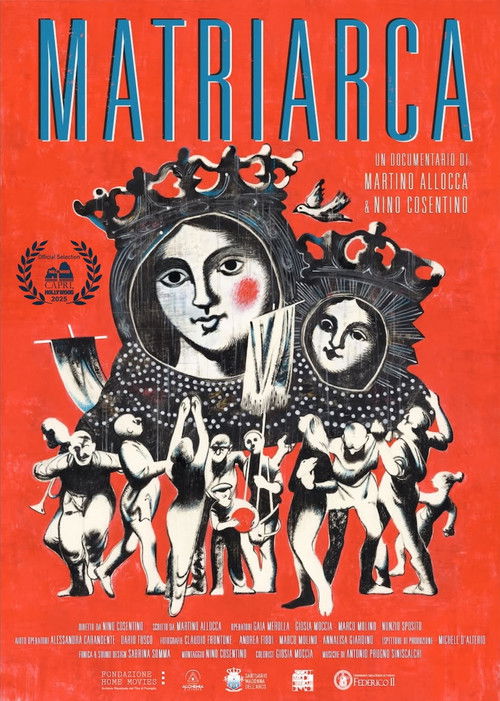
The cult of the Madonna dell'Arco dates back to the 1400s, when a young believer, after losing a game of pallamaglio, threw a ball in anger at a portrait of the Madonna under a Roman arch. The Madonna began to bleed. The crowd wanted to punish the boy for his wicked deed. The Count of Sarno decided to have him hanged from a tree. A few hours later, the tree withered. This is the myth that has always accompanied the oldest Marian cult in Campania (Italy).
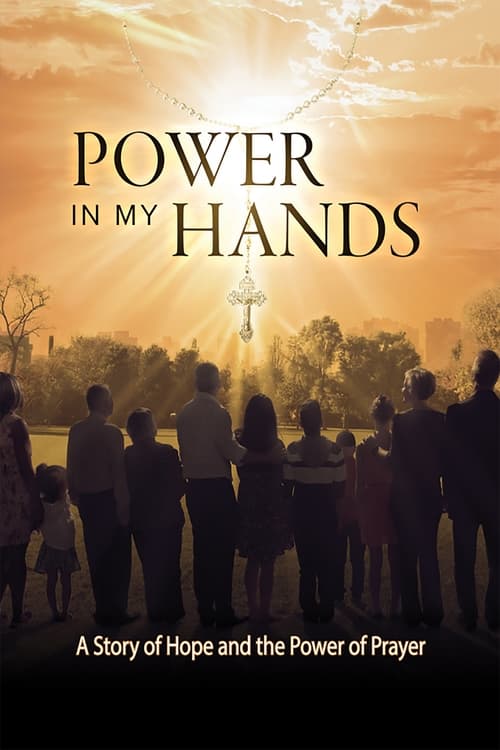
This is a film about the power of the Rosary, a Catholic Prayer. The film depicts personal stories about how the rosary has affected their lives.
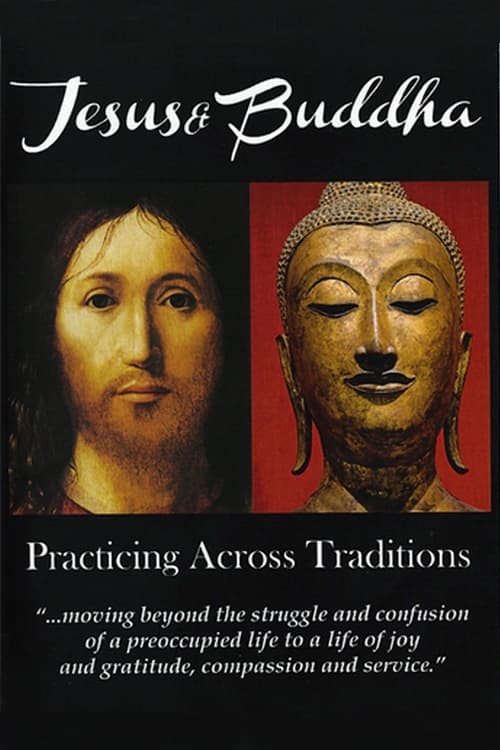
Three leading figures in today's Buddhist-Christian dialogue share their personal journeys in the new documentary Jesus and Buddha: Practicing Across Traditions. We learn how following the path of the Buddha has informed and deepened their understanding of who Jesus was and what he taught. Their experience and insight bring these two liberating archetypes alive in a way that can help guide us through our own confusion and struggle toward lives filled with joy and gratitude, compassion and service.
A documentary that brings together voices of clergy and laypeople who question the Church and society about the meaning of faith today—touching on the body, emotions, sexuality, and relationships—finding in the city the concrete, everyday place where faith is embodied. The documentary explores the beauty of contrast through life testimonies that foster listening and dialogue, opening a space where people feel welcomed and can be reborn. A collective reflection on the incarnate love of the Gospel, the beauty of relationships, and the complexity of a Church that wants—or should want—to truly be a home for everyone.
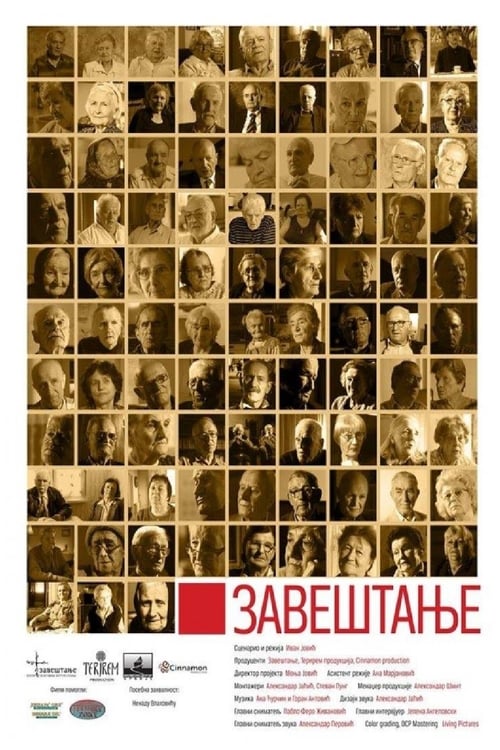
In this film the last living witnesses of the events from Second World War are telling their stories and thus transferring silenced victim’s voices to present times.
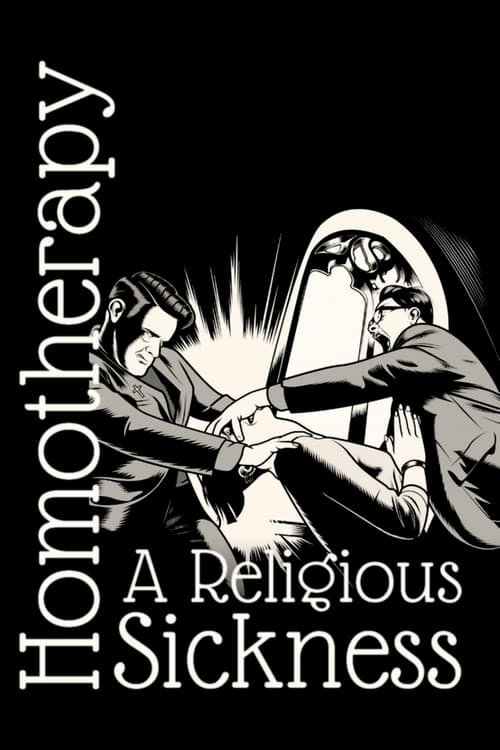
In 2019, some still consider homosexuality as a disease that needs to be cured. Focusing on movements with roots in the United States, which draw on both religion and psychiatry to justify so-called conversion therapies, an investigation into the devastating consequences of certain practices that seem to successfully avoid any control by European public authorities.
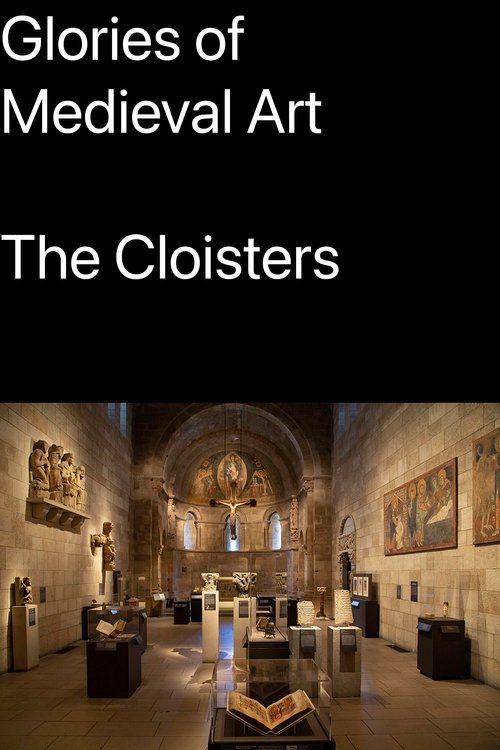
Philippe de Montebello, Director of The Metropolitan Museum of Art from 1977 to 2008, guides viewers through The Cloisters, pointing out Romanesque and Gothic architecture and artwork, beautiful tapestries, and the diverse species in the gardens. He outlines the history of the building and it's many influences and highlights significant works of art in the collection. It was produced in 1989 by The Metropolitan Museum of Art's Office of Film and Television.
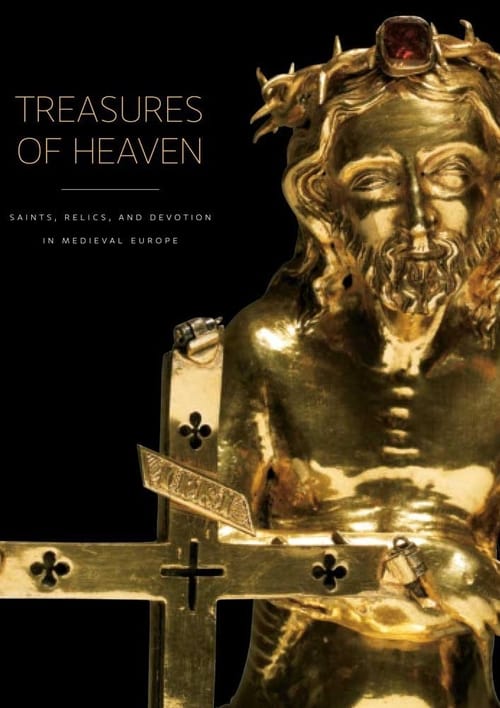
Andrew Graham-Dixon explores the ancient Christian practice of preserving holy relics and the largely forgotten art form that went with it, the reliquary. Fragments of bone or fabric placed inside a bejewelled shrine, a sculpted golden head or even a life-sized silver hand were, and still are, objects of religious devotion believed to have the power to work miracles. The documentary features interviews with art historian Sister Wendy Beckett and Neil MacGregor, director of the British Museum.
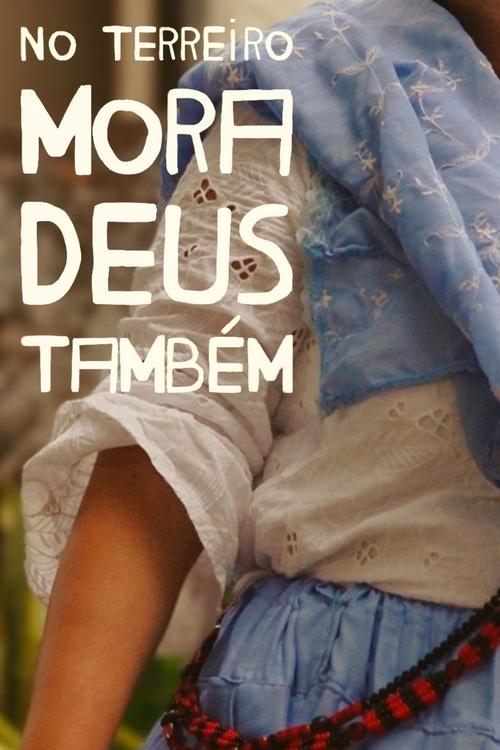
No Terreiro Mora Deus Também is a medium-length observational-participatory documentary produced by Retravo. It focuses on portraying and immersing the viewer in the cultural setting of Umbanda through interviews with workers and participants, interwoven with the full recording of the gira process. The project's aim is to demystify and break stereotypes associated with Umbanda's popular image in Brazilian culture, offering an emotional and personal perspective to bring the stories of those involved with the religion to the screen. It aligns with the general research areas of Communication: Ethics, Philosophy, and Religion, emphasizing religion (as a set of cultural systems, beliefs, and worldviews that establish symbols connecting humanity to spirituality and moral values), along with the specific research areas of narratives, memories, and identities.
This film is a portrait of unique cultural space for Spirits, Gods and People. While permanent theatres are commonly built in most cosmopolitan modern cities, Hong Kong preserves a unique theatrical architecture, a Chinese tradition that has lasted more than a century - Bamboo Theatre.