In this film the last living witnesses of the events from Second World War are telling their stories and thus transferring silenced victim’s voices to present times.
Traditions during Easter holidays in the remote village of Grešnica. The film was a research project of the newly opened Ethnological Museum to preserve the disappearing customs at least on film for future generations.
Documentary following Serbian football coach Zoran Đorđević as he helps form South Sudan's first national football team.
On 25th December 2011 the Georgian Patriarch Ilia II described his 34 year-long leadership as head of the Georgian Orthodox Church as a ‘sunny night’. Beginning in 1989, and going up to the present, the film essay Sunny Night tells of political and social events since Georgian Independence. A variety of formats and sources, disparate images and voices report on protests, recommencements, uproars and wars, and religious identity that centres around the dominant religion of the nation. In the midst of the ongoing shifts and the various state of affairs, the patriarch stands out as the only constant figure. Meanwhile the sermonised religion begins to take on radical forms, going as far as priests forming front row human-chains, leading protests of several thousand orthodox believers chasing a handful of LGBT activist throughout the streets of Tbilisi in May 2013.
The plot of the film unfolds in the ancient monastery of Dokhiar on the west coast of Mount Athos, on the Aegean peninsula. This peninsula is given to the exclusive use of the monks of Eastern Christianity. Images of nature are woven into a virtually uninterrupted series of work and prayer, lining up in the rhythmic interrelation of man and nature. The central figure of the film was the monastery’s elder, Hegumen Gregory, whose long-term experience of spiritual nourishment rewarded him with a deep understanding of the human soul and her desire to return to the state characteristic of Adam’s human nature before the fall.
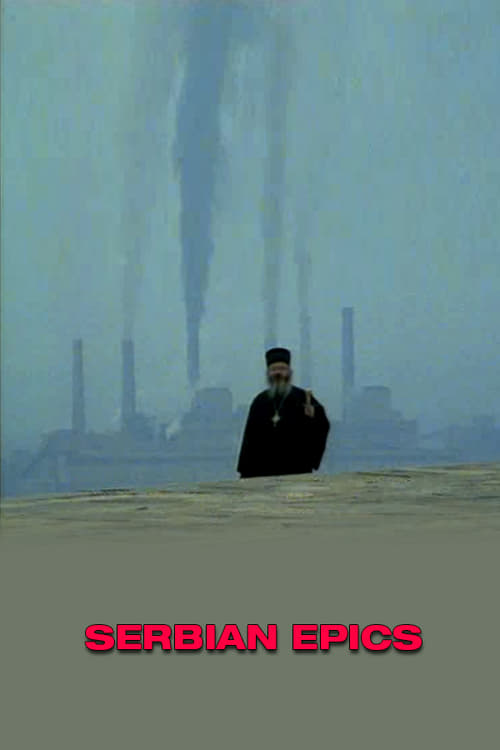
A documentary re-enactment of the last few hundred years in Serbian history.
At the beginning of Sumadijska street in the vicinity of Slavija Square on the 11th August 1913, the Serbian victorious army from the Second Balkan War led by the Crown Prince Alexander Karadjordjevic was given a huge welcome by the highest military and political authorities of Serbia and Belgrade, representatives of civil organizations and national institutions, as well as several tens of thousands of people from Belgrade, Serbia and Vojvodina.
Paul Pawlikowski's award-winning documentary on life behind Serbian lines in Bosnia. The film observes the roots of the extreme nationalism which has torn apart a country and provides a chilling examination of the dangerous power of ancient nationalist myths.
The film 3211 is a true story about Stefan Djuric, a successful musician who one day loses everything and goes to prison, where only his songs remain from his former life.
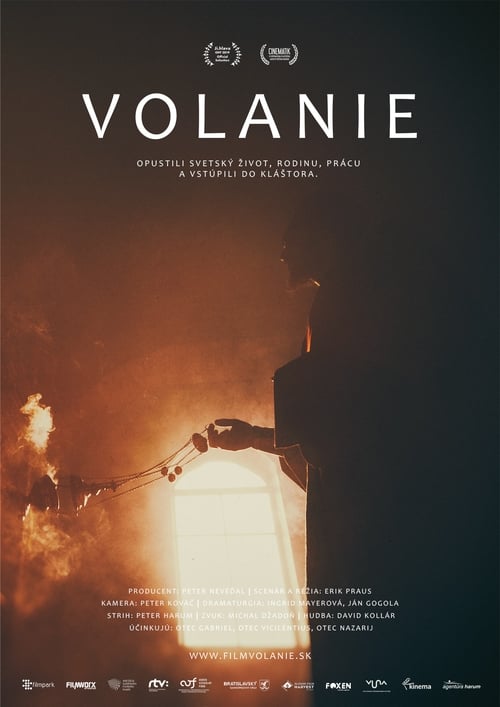
In its portraits of three monks, Erik Praus’s documentary captures the inimitable spiritual ambiance and mysticism of Pochayiv Lavra, an Eastern Orthodox monastery on a hill above the town of Pochayiv in western Ukraine’s Ternopil Oblast. Fathers Gabriel, Vicilentius and Nazarij have left their past traumas behind, finding peace, balance and their lives’ meaning at the monastery. Their stories are allegories of spiritualization and purification from human passions against the backdrop of the turbulent Ukrainian reality. Motivated by material need and spiritual desperation, the faithful flock to this place of pilgrimage in search of new strength and forgiveness. The film respectfully observes the monks’ everyday lives, while also noticing the opulent splendour of their surroundings. The road to faith is not a privilege of the chosen few; it is open to all who hear its “calling”.
This documentary was inspired by the artistic life of Serbian actress Sonja Savić. Being a wonder child, a star of Yugoslavian cinematography, a sex symbol, and urban legend of the eighties generation, a fighter against establishment, Sonja Savić had always attracted attention. Simply put, she always looked, spoke and thought differently from others, she was entirely autonomous, an authentic phenomenon of Serbian culture. In the documentary SONJA, friends and colleagues of Sonja Savić testify on many aspects of her life and work, and a special emphasis is put on Sonja’s libertarian, rebellious, Don Quixote type of nature.
The Patriarchate of Moscow and the POKROB Film Studio deliver to global Orthodoxy a documentary with a total duration of five hours on the holy life and work of Saint Paisios of Mount Athos.
Montenegro is the newest European country with a proud history, one that is being falsified for current political purposes, thus creating an alternative identity. In a nation where it possible for two brothers to claim different ethnic backgrounds despite having the same parents, everything is on the table: language, church, democracy. Can the truth set Montenegro free?
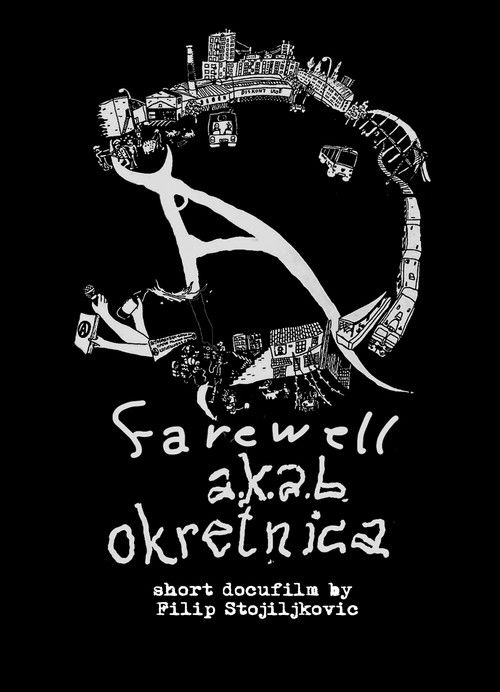
As one of Belgrade’s last DIY anti-nationalist spaces faces closure, its community gathers for a final night — a farewell that becomes a quiet act of resistance.
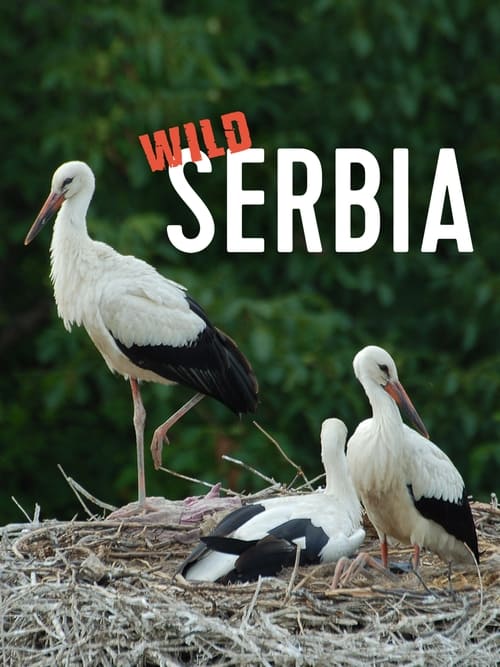
Serbia is located at the crossroads of Central and Southeast Europe, covering the southern part of the Pannonian Plain and the central Balkans. It is also one of Europe’s natural wonders, filled with a rich variety of landscapes and animals.To this day a large number of Serbian people live in close communion with nature, proud of the storks’ nests in the villages, the ancient species of livestock that have been preserved and the vultures that return to make their home here. In many places people are pleased to see bears, lynx and wolves, and even jackals are at home in the forests of Serbia. This documentary presents Serbia's breath-taking, picturesque regions and unique wildlife on a journey to the most beautiful and wildest areas of the Balkan Peninsula.
The last true rebellion is death to the world. To be crucified to the world and the world to us.
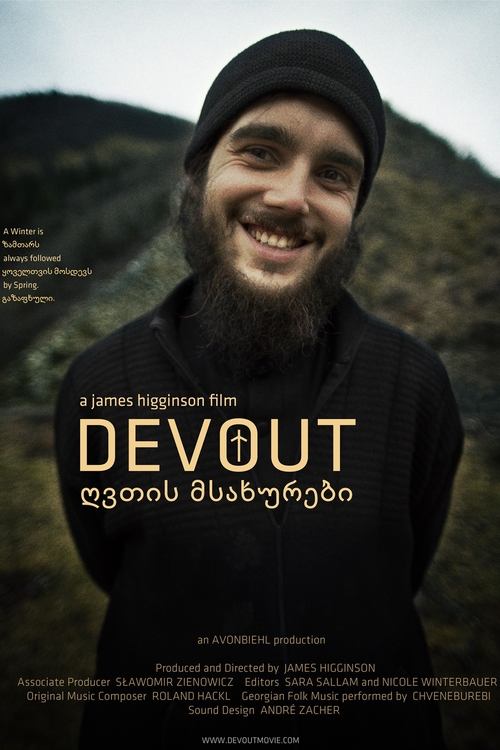
DEVOUT reveals an archaic utopia, a timeless spiritual sphere that is as beautiful and harsh as the mountain terrain of the Caucasus, tempting but unforgiving, a riddle like God and faith as mysterious as the human condition.