An experimental intake of Ojore Nuru Lutalo as he recounts the 22 years he spent in political isolation, and the flourishing comradery he built with prison abolitionist, Bonnie Kerness, whose work supported him and other prisoners.
Ojore Lutalo
as Self
Today, you're more likely to go to prison in the United States than anywhere else in the world. So in the unfortunate case it should happen to you - this is the Survivors Guide to Prison.
A documentary about the life of a female inmate named Ria Megawati, often called IOT. Once known as the most problematic prisoner in Bandung Women’s Prison, she has since transformed into a better version of herself by immersing in artistic practices such as painting, batik-making, and songwriting. Art ultimately becomes her way out of a dark past, and a vessel for expressing emotions long kept inside.
Emperors of Nothing is an unprecedented immersion within Forest, a prison in Brussels notorious for its inhumane incarceration conditions, bearing witness to how the human spirit resists or submits to this harsh world. Deeply personal and candid moments shared with inmates and wardens alike, those who have forfeited or devoted their lives to prison, expose universal truths of what it means to be "behind bars".
This documentary, which features Sergei Parajanov’s heartbreaking letters from prison, explores creativity among inmates and the art born in conditions designed to destroy all traces of selfhood.
Annika talks In an open-hearted interview about the trip to Sweden, the long fight to be free and her feelings about the crime that has come to mark her life.
One decade after THE FARM: ANGOLA, USA (Oscar nominated 1999; two-time Emmy winner 1999), we go back inside Louisiana's maximum security penitentiary, to catch up with our characters' lives. While the theme of THE FARM was "to err is human, to forgive divine", we now delve more deeply and find hope for "reconciliation and release". Angola is America's oldest and largest prison, with 5,000 inmates, most of whom have received life -, or death-, sentences for violent crimes, and will never leave Angola. THE FARM continues to provide extraordinary opportunities for learning through storytelling.
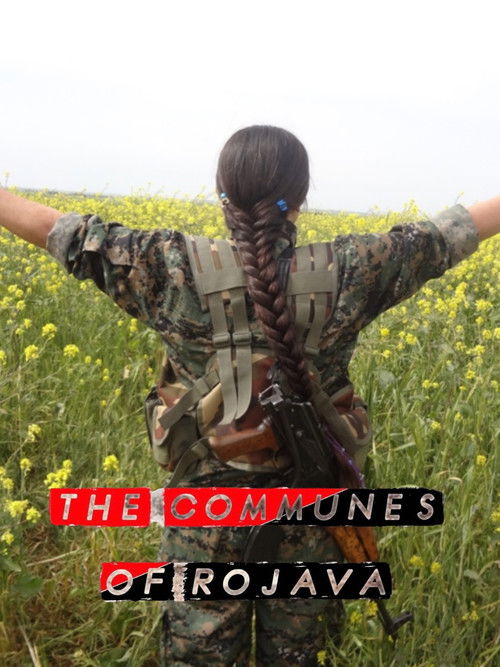
Six years later sequel of "The Communes of Rojava" (2018), made in the face of some of the most dire attacks yet faced by the pluralist, women-led, radically democratic project in North and East Syria. Though deeply inspired by the Rojava Revolution, this film is not about the Kurdish and Syrian Revolutions’ influence for an activist in America.
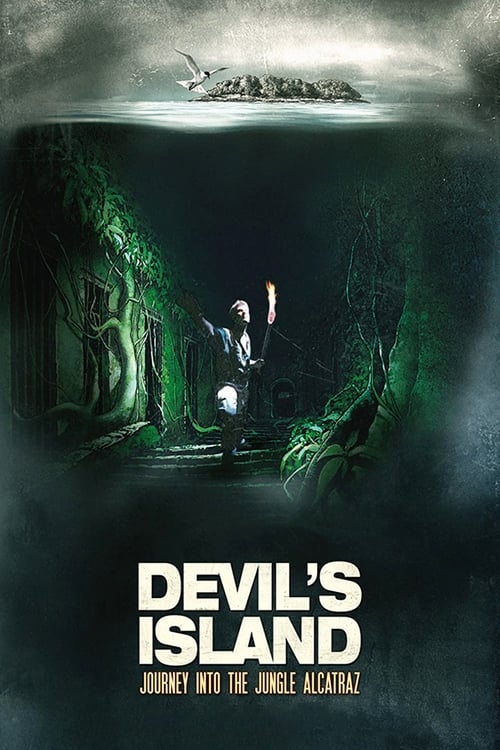
Imagine the prison of Alcatraz, only 10 times worse, built on tropical, hellish and deadly islands, lost to the rest of the world. Three tiny castaway islands rise away from the coast of French Guyana, in South America: The Devil's Islands. Now buried under an impenetrable jungle, lay the lost remains of what had been for a hundred years the most storied convict prison in history. There, while most of the prisoners faded into oblivion, a few became legends. Some because they were innocent, as in the scandalous Dreyfus Affair, some because they somehow escaped the islands of nightmare, as did the "butterfly", Henry Charrière, immortalized by Steve McQueen in Papillon. Now 50 years after the prison doors slammed shut for the last time, we explore what's left of the Devil's Islands' unbelievably dark and oppressive realm.
Botanical gardens in Bombay plus the highly decorative Jain Temple in Calcutta.
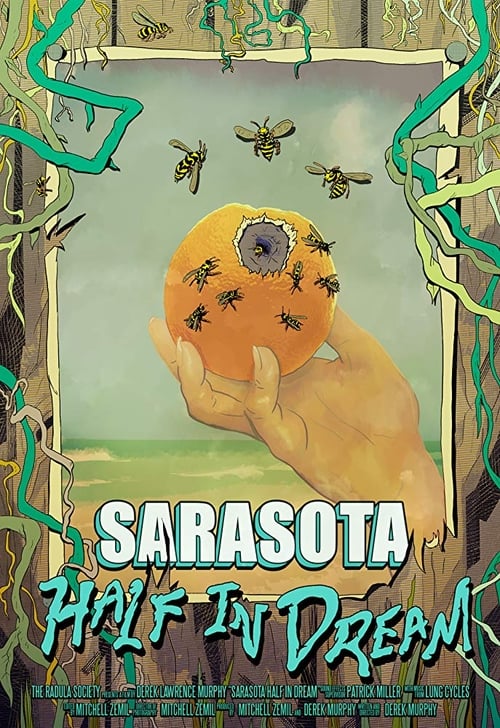
An experimental documentary about dead turtles, crab swarms, decaying tennis courts, and microscopic histories. The filmmakers shot their explorations into the abandoned golf courses, factories, and resorts of Sarasota, Florida and spoke to local youths who are using them for new and strange purposes. What would the Surrealists and Situationists think of a suburban, subtropical tourist town? What goes on in a storage unit in the dead of night? What is the afterlife of a decommissioned train car? What ghosts haunt a ruined hotel? What is the life cycle of a city? When will waters wash it all away?
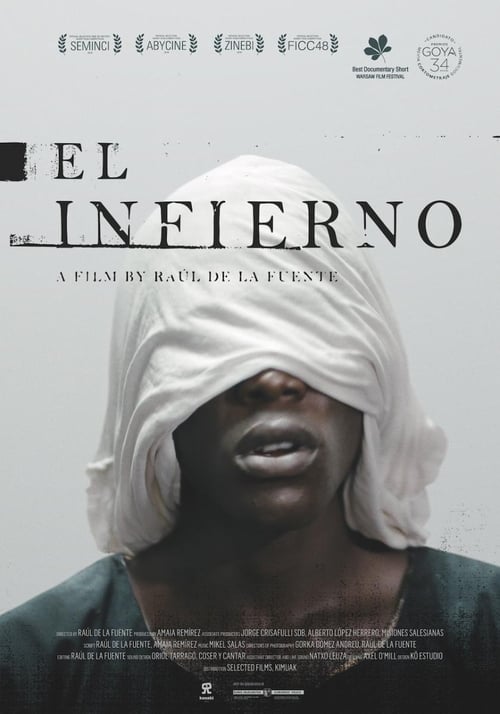
Chennu committed his first crime when he was 15 years old: being a street kid. And he entered hell: Pademba Road. The adult prison in Freetown. In hell, Mr. Sillah is in charge, and there is no hope. Chennu got out after four years. Now he wants to go back.
At a prison in the high desert foothills of the Colorado Rocky Mountains, hard-core criminals are given 90 days to tame wild mustang horses. Most of the inmates who volunteer for the program have never trained a horse before, or even ridden one.
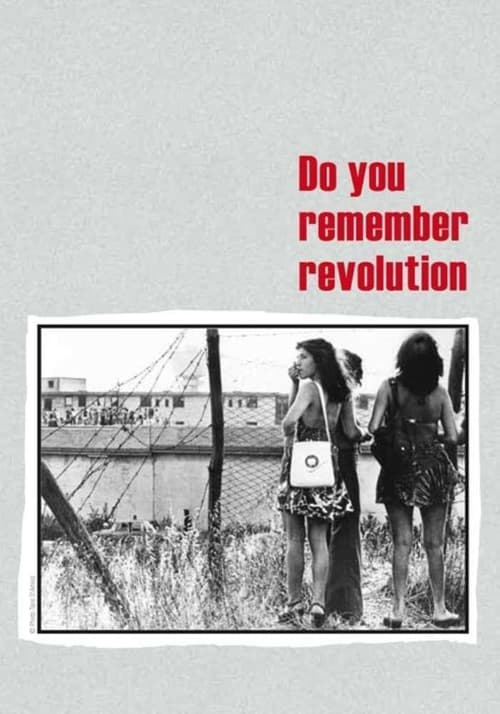
In Italy, in the mid-seventies, Adriana, Barbara, Nadia and Susanna were 20 years old when they decided to join the armed struggle and leave behind their social life and their families in order to make the revolution the center and the aim of their existence. Today they have returned after many years in prison, and they try, each one of them, to recount their own experiences. They speak about the political reasons which initially sustained them, the conflicts, the doubts, and the moments of being torn apart which market out their lives as women caught up in the vortex of war. A course of events which ended in the condemnation of the armed struggle and the pain of the lives that were destroyed – their victims’ lives and their own.
A convicted felon builds a feminist movement from behind bars at an all-male prison in Soledad, California.
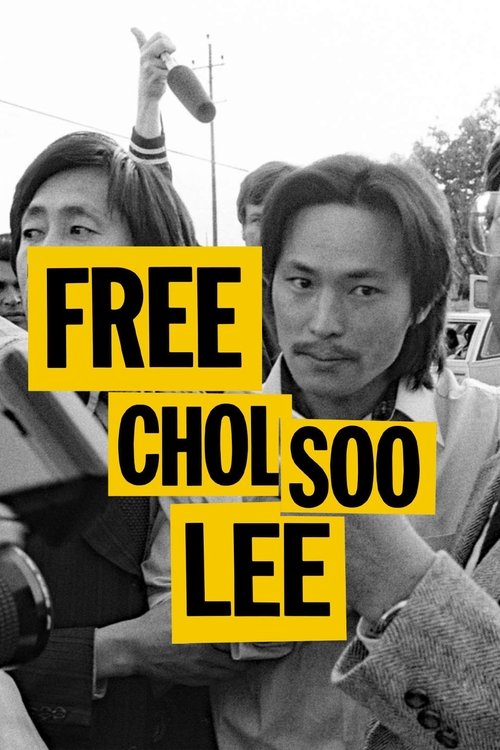
On June 3, 1973, a man was murdered in a busy intersection of San Francisco’s Chinatown as part of an ongoing gang war. Chol Soo Lee, a 20-year-old Korean immigrant who had previous run-ins with the law, was arrested and convicted based on flimsy evidence and the eyewitness accounts of white tourists who couldn’t distinguish between Asian features. Sentenced to life in prison, Chol Soo Lee would spend years fighting to survive behind bars before journalist K.W. Lee took an interest in his case. The intrepid reporter’s investigation would galvanize a first-of-its-kind pan-Asian American grassroots movement to fight for Chol Soo Lee’s freedom, ultimately inspiring a new generation of social justice activists.
After the end of his 12-year sentence for attempted murder, anarchist activist and war veteran Kenzo Okazaki lays out his vision of an ideal world.