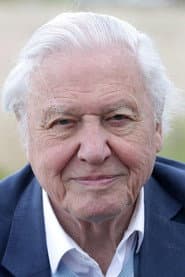
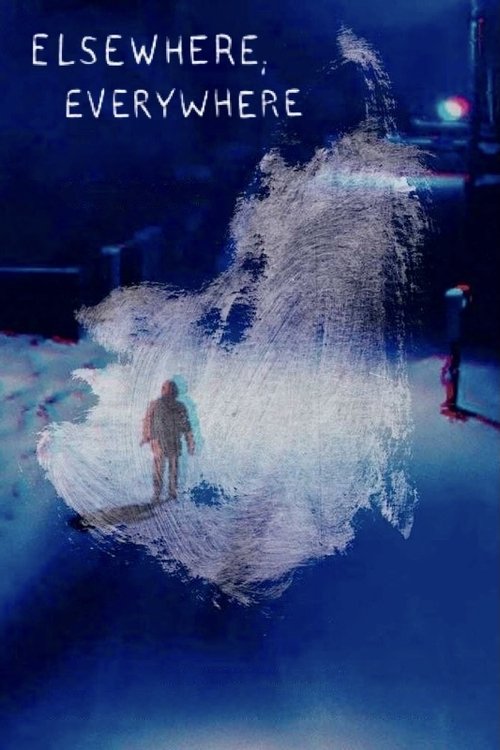
Follows Anna Williams, an Oriental carpet repairer from New Zealand, on a pilgrimage to Iran, where she stays with the Qashqai, and then to London where she meets Sir David Attenborough to talk about the Qashqai and their traditionally woven rugs.
Anna Williams
as Self
David Attenborough
This documentary was written with passion and love for cinema, and on the other hand, he blamed her. Our fictional character for this documentary talks about her passion for cinema and how it affected her life and recounts the decades that passed on the cinema one after the other.
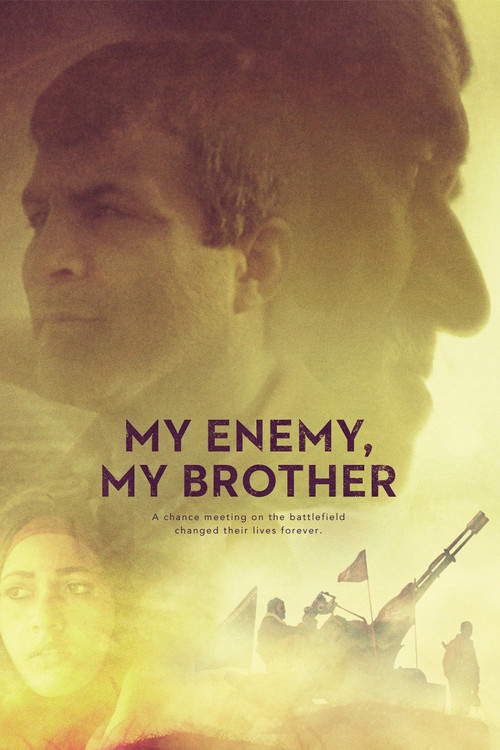
The eight-year Iran-Iraq War was one of the most brutal conflicts to devastate the region in the 20th century. Zahed was 13 years old when he enrolled in the Iranian army. Najah was 18 when he was conscripted into the Iraqi army, and he fought against Zahed in the Battle of Khorramshahr. Fast forward 25 years, a chance encounter in Vancouver between these two former enemies turns into a deep and mutually supportive friendship. Expanded from the 2015 short film by the same name.
Today, Iran's aggressive posture and rogue nuclear weapons program are straining the patience and nerve of the international community. With Iranian fighters, funds, and strategic weapons flooding into the Middle East, significant war appears inevitable. Meanwhile, something surprising is taking place inside this controversial country. Muslim-background Iranians are leading a quiet but mass exodus out of Islam and bowing their knees to the Jewish Messiah—with kindled affection toward the Jewish people. The Iranian awakening is a rapidly reproducing discipleship movement that owns no property, no buildings, has no budget, no 501c3 status, and is predominantly led by women. THIS IS THEIR STORY.
Fanizadeh documentary is about the famous actor of Iranian cinema Parviz Fanizadeh. This documentary film deals with his life and works. This documentary is based on the talks of characters from theater and cinema who worked directly with him. Among them there are Taghvai, Mehrjoui, Golestan, Kimiaiee, Nosrat Karimi, Behrouz vosoughi, Pari Saberi, etc.
A documentary featuring interviews with teachers and officials on the profession of teaching and what it means to them.
Iran, January 16th, 1979. Shah Mohammad Reza Pahlavi flees after being overthrown. Ayatollah Khomeini returns to Tehran and proclaims the Islamic Republic on April 1st, 1979. In the same year, Saddam Hussein seizes power in Iraq and, after several border skirmishes, attacks Iran on September 22nd, 1980, initiating a cruel war that will last eight years. Since its outbreak, correspondent Saeid Sadeghi documented it from its beginning to its bitter end.
On June 20, 2009, Neda Agha-Soltan was shot and killed on the streets of Tehran during the turmoil that followed the Iranian presidential contest. Within hours, images of her dying moments, captured on cell phones, appeared on computer screens across the world, focusing the world's attention on mass protests against the rigged elections in Iran. Featuring previously unseen footage of Neda with friend and family, as well as exclusive video of her recorded the day she died, "For Neda" debuts just before the anniversary of her death.
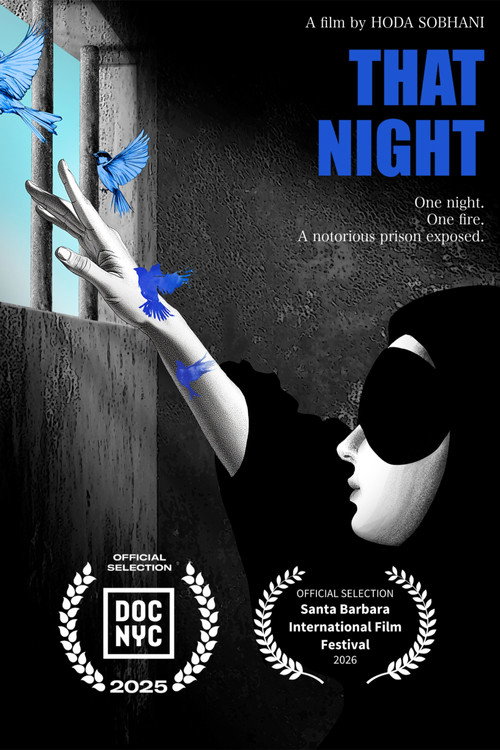
Told through striking animation, one woman’s powerful account of surviving a fire in Tehran’s Evin prison captures resistance; an urgent, creative act rooted in the Iranian Woman! Life! Freedom! movement.
Deng Xiaoping's economic and political opening in China. Margaret Thatcher's extreme economic measures in the United Kingdom. Ayatollah Khomeini's Islamic Revolution in Iran. Pope John Paul II's visit to Poland. Saddam Hussein's rise to power in Iraq. The Soviet invasion of Afghanistan. The nuclear accident at the Harrisburg power plant and the birth of ecological activism. The year 1979, the beginning of the future.
In Iran, since the 1979 Islamic revolution, women are no longer allowed to sing in public as soloists - at least in front of men. Defying censorship and taboos, the young composer Sara Najafi is determined to organize an official concert for solo female singers. In order to support their fight, Sara and her friends invite three French female singers, Elise Caron, Jeanne Cherhal and Emel Mathlouthi, to join them in Tehran and collaborate on their musical project, re-opening a musical bridge between Europe and Iran. Are they going to succeed and finally be gathered in Tehran, sing together, on stage and without restrictions, and to open a door towards a new freedom of women in Iran ?
DIVORCE IRANIAN STYLE unfolds inside an Iranian divorce court, providing a subtle and intimate look at the lives of women in a country stereotypically associated with fanaticism and oppression. Astute and beautifully observed, the film reveals the ingenuity and humour with which Iranian women negotiate the restrictions of their society.
Case history of an Iranian patient bitten by a rabid wolf.
A harrased dog is found by animal helpers near a small village in Iran, they take him to the shelter and cure his disease but soon they find out Attila the dog suffers from an infected leg. As the helpers don't want his leg to be cut off They manage to send Attila to the USA via an unbelievable story.
After seven years in prison, a female student in Tehran is hanged for murder. She had acted in self-defence against a rapist. For a pardon, she would have had to retract her testimony. This moving film reopens the case.
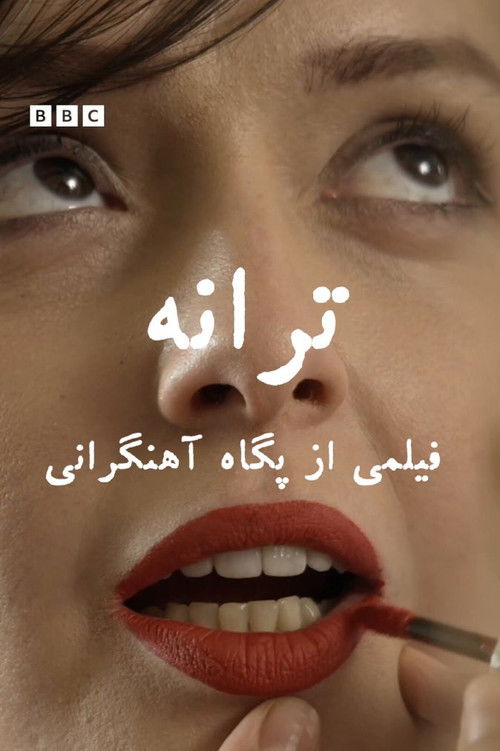
Nearly three years have passed since the "Woman, Life, Freedom" protests in Iran. Many who took part in the 2022 (1401) demonstrations paid a heavy price: some were killed, many were permanently injured, others were sentenced to long prison terms, and many lost their jobs. Among the well-known figures who supported the protests was Taraneh Alidoosti, one of Iran’s most prominent film actresses. After she posted an unveiled photo of herself and later protested the execution of Mohsen Shekari, she was imprisoned. Following her release, she became ill and remained out of the public eye for some time. Alidoosti has also been banned from acting in cinema. For the first time, in the documentary Taraneh, produced by Pegah Ahangarani, Alidoosti speaks about her decision to join the protest movement after the killing of Mahsa Amini. She talks about the day she was arrested at home in front of her little daughter and about the loss of her skin due to an autoimmune disease.