Told through striking animation, one woman’s powerful account of surviving a fire in Tehran’s Evin prison captures resistance; an urgent, creative act rooted in the Iranian Woman! Life! Freedom! movement.
Neda Naji
as Narrator
This film from Bill Moyers is the first documentary to focus exclusively on people formerly detained in New York City’s notorious Rikers Island Jail. They tell their compelling stories direct to the camera, revealing the violent arc of the Rikers experience – from the trauma of entry to extortion and control by inmates, to oppressive corrections officers, violence and solitary confinement.
A documentary featuring interviews with teachers and officials on the profession of teaching and what it means to them.
After five years studying in Paris, Arash has not adjusted to life there and has decided to return to Iran to live. Hoping to change his mind, his two friends Hossein and Ashkan convince him to take a last trip through France.
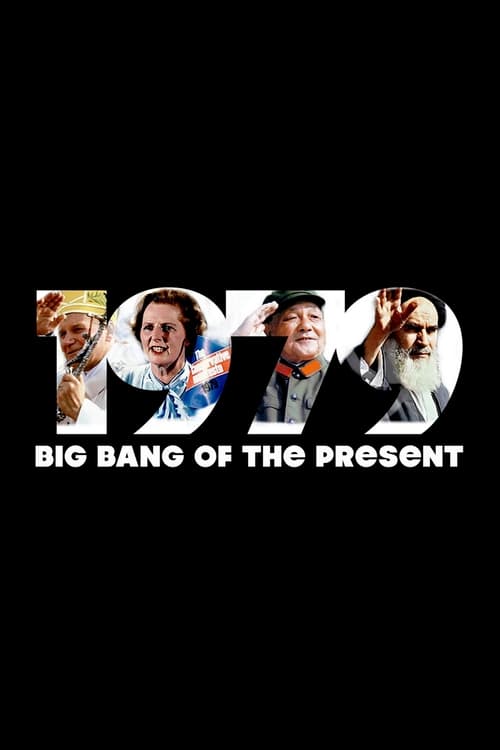
Deng Xiaoping's economic and political opening in China. Margaret Thatcher's extreme economic measures in the United Kingdom. Ayatollah Khomeini's Islamic Revolution in Iran. Pope John Paul II's visit to Poland. Saddam Hussein's rise to power in Iraq. The Soviet invasion of Afghanistan. The nuclear accident at the Harrisburg power plant and the birth of ecological activism. The year 1979, the beginning of the future.
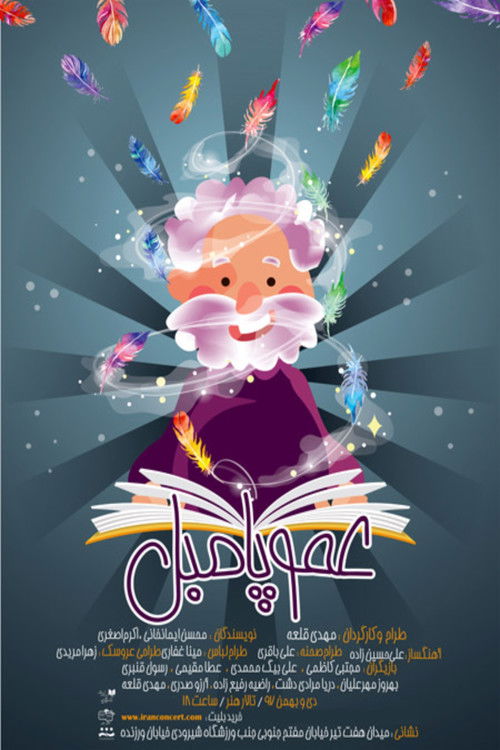
The story is about a doll named Amo Pumble who teaches children how to live in society by reading a magic book to children.
Two men, the hint of a sofa corner and a pile of letters. Using minimalist means, the film tells the story of two brothers caught between exile in a foreign country and resistance in the underground. It takes us back to the time when the revolution seized power in Iran and tells of life between the fronts. Daniel Asadi Faezi sketches the story of his father and his brothers - based on correspondence that has lain in the cellar for 30 years.
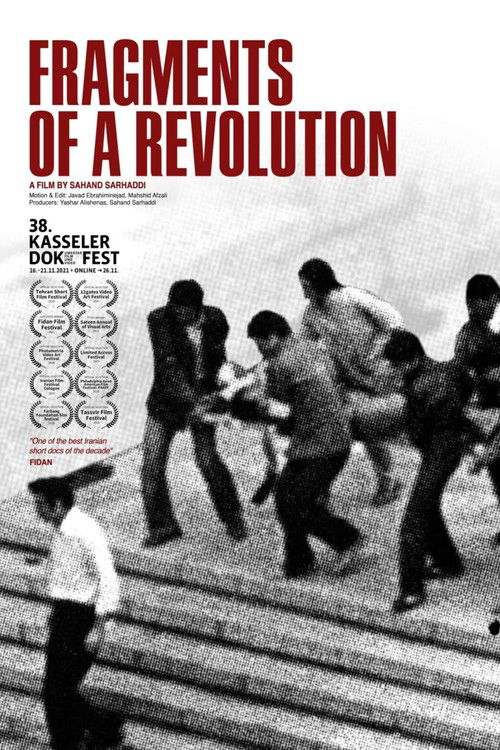
"Slaughter" is an experimental short film that delves into the archival and historical footage of the Iranian Revolution in 1979, depicting a symbolic narrative surrounding the ritualistic act of animal sacrifice, known as "Besmel." It serves as an allegorical representation of a nation's sacrifice amidst the backdrop of political transformations.
Iran, January 16th, 1979. Shah Mohammad Reza Pahlavi flees after being overthrown. Ayatollah Khomeini returns to Tehran and proclaims the Islamic Republic on April 1st, 1979. In the same year, Saddam Hussein seizes power in Iraq and, after several border skirmishes, attacks Iran on September 22nd, 1980, initiating a cruel war that will last eight years. Since its outbreak, correspondent Saeid Sadeghi documented it from its beginning to its bitter end.
A stark and graphic portrayal of the conditions that existed at the State Prison for the Criminally Insane at Bridgewater, Massachusetts, and documents the various ways the inmates are treated by the guards, social workers, and psychiatrists.
Fanizadeh documentary is about the famous actor of Iranian cinema Parviz Fanizadeh. This documentary film deals with his life and works. This documentary is based on the talks of characters from theater and cinema who worked directly with him. Among them there are Taghvai, Mehrjoui, Golestan, Kimiaiee, Nosrat Karimi, Behrouz vosoughi, Pari Saberi, etc.
In september 2017 Samira comes from Iran to Sarajevo, BH for the first time to shoot a documentary. She tries to connect with the country and people. In order to find people who traveled from far places like her, she attempts to visit a refugee center, but all she finds are closed gates as she isn't allowed to see anyone.
Nasim is a free climber, the only woman able to open new routes in Iran. She’s facing a double mountain to climb, both physical and cultural, as her passion collides with the strict policies concerning women freedom in her country. And she has a dream: open a new route in the Alps.
On September 22, 1998, the Iranian poet Hamid Hajizadeh and his nine-year-old son Karun, whose name symbolically refers to Iran's longest river, were brutally murdered in their home in Kerman. The documentary film, based on the statements of the survivors, tries to sensitively reconstruct one of the many terrible motivated events that took place in Iran at the end of the previous century and draws us into the fateful day with the help of detailed shots of the objects in Hamid's study.
The Big Bang is a film directed by Farhad Roshanaie.
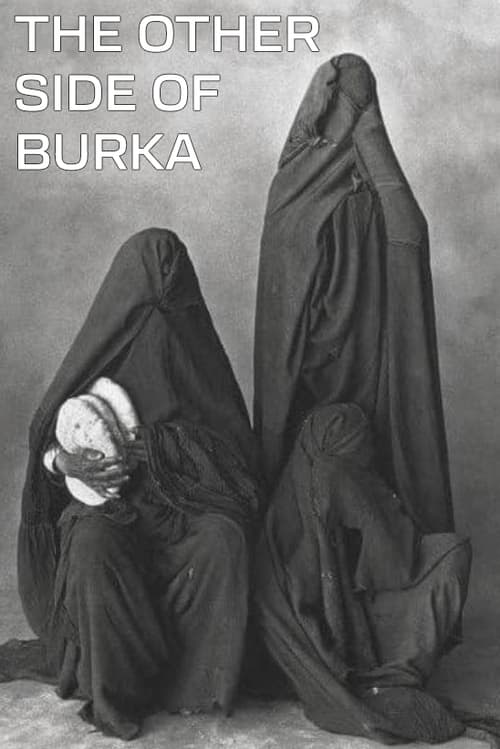
The Other Side of Burka is a 2004 Iranian documentary directed by Mehrdad Oskouei. In the southern island of Qeshm, Iran, which is a very strict region in point of tradition and African-Arabic rules, all women are under the pressure of patriarch society. Their sufferance is manifested by different mental (Zar, Possession) and physical diseases which must be only treated by Zar Ceremony. For the first time, despite the danger these women face, this film tells us the sad story of their life and shows their confection in front of the camera. It tries to be an honest mirror which reflects their sufferance and unveils their Burka to reveal their real characters.
A computer screen, images from the four corners of the world. We cross borders in one-click while another trip’s story reach us in bits, through text messages, chats, phone conversations, and an immigration office’s questionnaire. It’s the journey of Shahin, a 20-year-old Iranian boy who, fleeing his country alone, lands in Greece, then winds his way to England where he claims asylum.
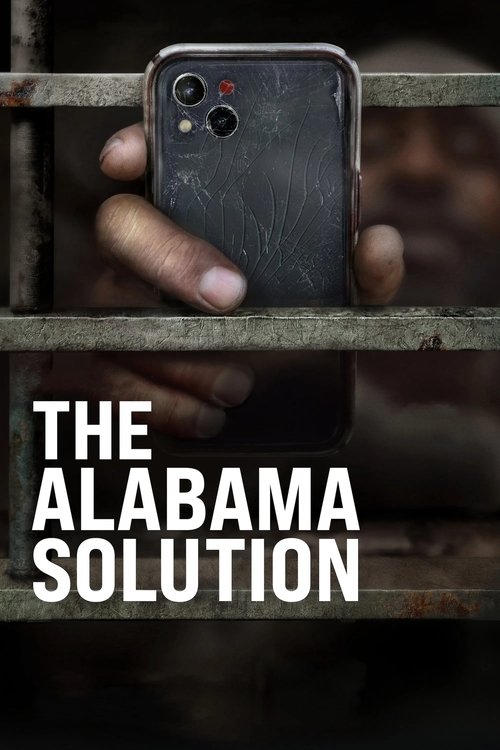
Incarcerated men defy the odds to expose a cover-up in one of America’s deadliest prison systems.
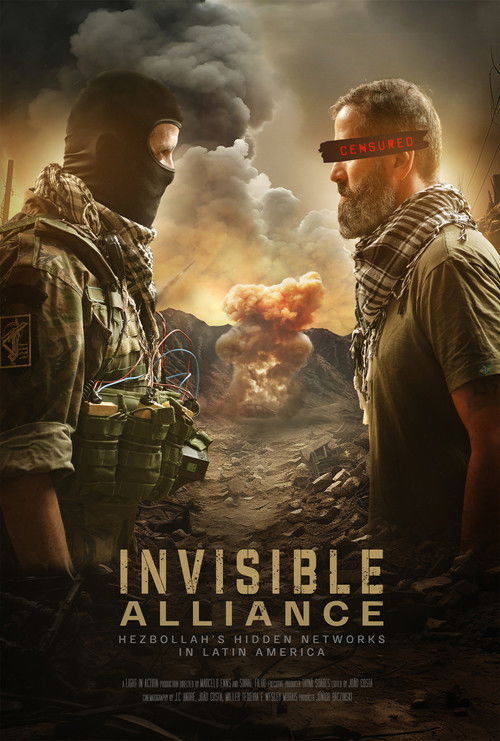
A Hezbollah suicide bomber breaks silence to reveal the inner workings of the organization and his involvement in a narcotrafficking alliance with the FARC. Discover the hidden agendas between Iran, Latin American governments and organized crime.