An innovative documentary that illustrates how weather works by performing brave, ambitious (even unlikely) experiments that show how nature transforms simple ingredients like wind, water and temperature into something spectacular and powerful.
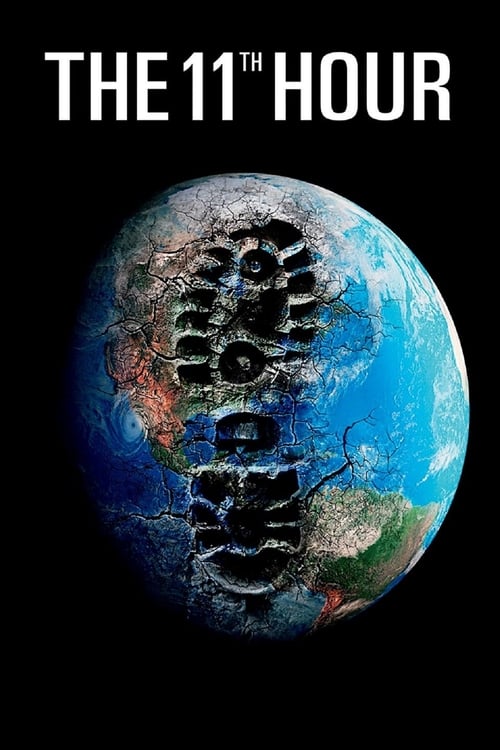
A look at the state of the global environment including visionary and practical solutions for restoring the planet's ecosystems. Featuring ongoing dialogues of experts from all over the world, including former Soviet Prime Minister Mikhail Gorbachev, renowned scientist Stephen Hawking, former head of the CIA R. James Woolse
As Cyclone Remal approached, we arrived in Debpur village of Dhankhali Upazila, Bangladesh. What struck us immediately was the stark contrast between the official warnings of impending devastation and the villagers' apparent lack of preparedness. Over the following days, amidst the unfolding chaos, we documented the lives of individuals as they grappled with the imminent threat of destruction. The film captures the overbearing anxiety that grips entire communities in the face of an approaching cyclone. Through intimate encounters, and candid interviews, we witness firsthand the resilience and fear of those directly in Remal's path. Their voices echo the overwhelming power of nature and the human spirit in adversity.
Bacteria, viruses, but also fungi, algae, pollen, and even insects: micro-organisms thrive and circulate constantly in our sky. How can so many living beings find their way into the air and circulate? How do they survive? And what influence do they have on our lives and the living world? Biodiversity, health, climate: it is only recently that scientists have begun to understand how this discreet aerial "plankton" affects our lives and our ecosystem. But despite their many virtues, some of these micro-organisms are now threatened by human activities. With the help of experts and 3D models, this scientific investigation plunges us into the heart of a still mysterious world, and reveals the diversity and fragility of the air we breathe.
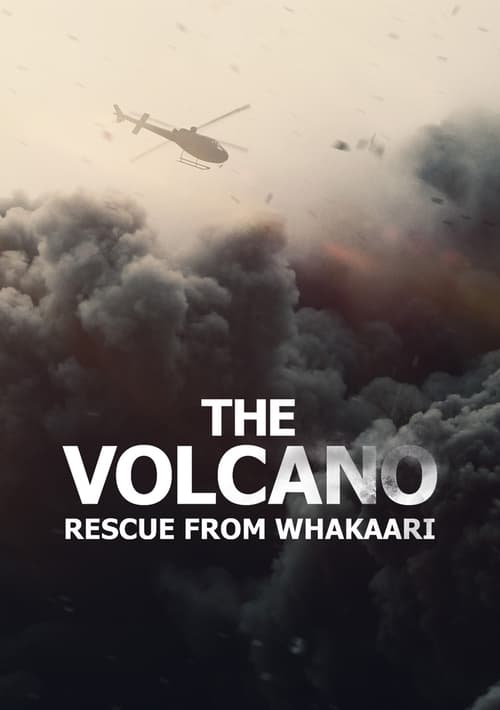
On December 9, 2019, New Zealand's most active volcano erupted, engulfing 47 day trippers in a toxic ash cloud. 21 lost their lives that day and in the following weeks. Whakaari: A Heroes' Story paints a picture of the chaos and the bravery, and the complex rescue mission to save those stranded on the island.
This video presents a look at the forces of nature in their most devastating mode: lightning storms, tornadoes, flash floods, tidal waves, and hurricanes. The film, made for The Discovery Channel, accompanies professional storm chasers as they ride into the eye of a category five hurricane to gather data and get a close-up view. There is footage of a tornado with 300-mile-per-hour winds, as well as 100-foot tidal waves hurtling towards shore at 500 miles per hour. The viewer witnesses a flash flood and hears an interview with a lightning strike survivor.
Track monsoons, hurricanes, blizzards, and tornadoes. Take a journey around the planet to experience our most extreme storms and to witness the dramatic--and often perilous--efforts of scientists in the pursuit of understanding weather.Join meteorologists in the cockpit of a P-3 weather plane as they penetrate the eye of a hurricane; and in the tense, decisive moments on the road as they focus their radar on an approaching tornado, traveling to the heart of severe storms to learn what makes weather systems tick. Experience the bumpy ride into the sudden and spectacular calm of a hurricane’s eye, or the commando-like raid to the very brink of a killer tornado, and experience one of the elemental joys of doing science: that of confronting nature head-on to divine its awesome secrets.
Jim Geiger, a retired forest ranger and amateur mountaineer, attempts to become the oldest American and first great grandfather to summit Mt. Everest, aged 68. His transformation from a weekend hiker to attempting one of the most extreme and physically demanding feats known to man is driven by a desire to prove that age is just a number. What ensued, however, forever changed Jim's life.
"Trouble the Water" takes you inside Hurricane Katrina in a way never before seen on screen. The film opens the day before the storm makes landfall--just blocks away from the French Quarter but far from the New Orleans that most tourists knew. Kimberly Rivers Roberts, an aspiring rap artist, is turning her new video camera on herself and her Ninth Ward neighbors trapped in the city. Weaving an insider's view of Katrina with a mix of verité and in-your-face filmmaking, it is a redemptive tale of self-described street hustlers who become heroes--two unforgettable people who survive the storm and then seize a chance for a new beginning.
Global warming in context. What the climate of the past tells us about the climate of the future.
Filmmaker Judith Helfand's searing investigation into the politics of “disaster” – by way of the deadly 1995 Chicago heat wave, in which 739 residents perished (mostly Black and living in the city’s poorest neighborhoods).
An investigation into our landscape's hidden fire stories and on-the-ground experiences of firefighters and residents struggling through deadly fires.
A compilation of various accidents, disasters, executions, and other acts of mayhem and human feats caught on film.
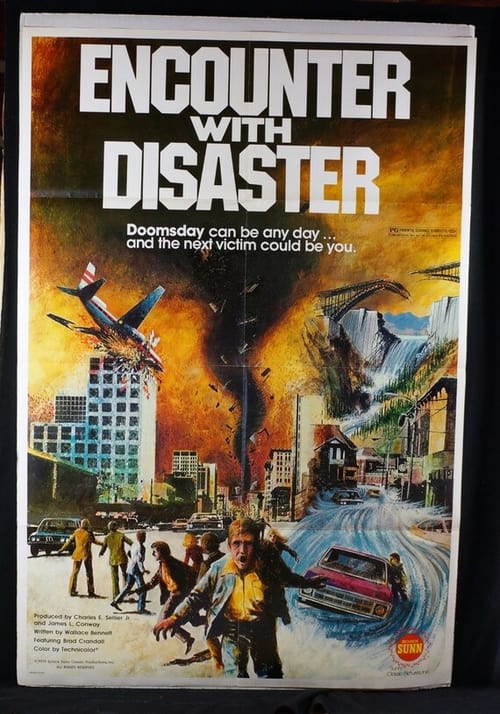
Depicts assorted natural and human disasters, including the crash of the Hindenburg (1937), earthquakes in Alaska (1964) and Long Beach (1933), the LeMans auto racing crash at which 82 people were killed (1955), Hurrican Camille (1964), the eruption of the Mt. Etna volcano (1971), a tornado (1974), the collapse of Idaho's Teton Dam (1976), the sinking of the Andrea Doria (1956) and the Texas City explosion which devastated Galveston (1947).
Starting off a kilometre high, travelling at the speed of a jet aircraft, and heading for us. It doesn't make for a good outcome. Hollywood-style graphics and real-life archive bring home an imagined near-future scenario, all based on cutting-edge science. —Trevor
A close examination of the Whakaari / White Island volcanic eruption of 2019 in which 22 lives were lost, the film viscerally recounts a day when ordinary people were called upon to do extraordinary things, placing this tragic event within the larger context of nature, resilience, and the power of our shared humanity.
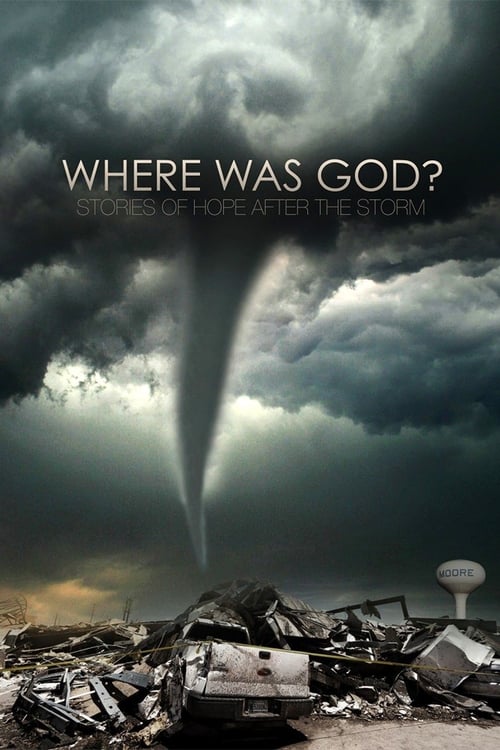
May 20, 2013––an EF5 tornado ripped through Moore, OK. The magnitude of devastation measured over eight times greater than the atomic bomb that leveled Hiroshima. As the world watched, one question continued to surface—Where Was God? This story follows several families and individuals who recount the timeline of destruction and share their experiences of the devastating and miraculous events that changed their lives forever.