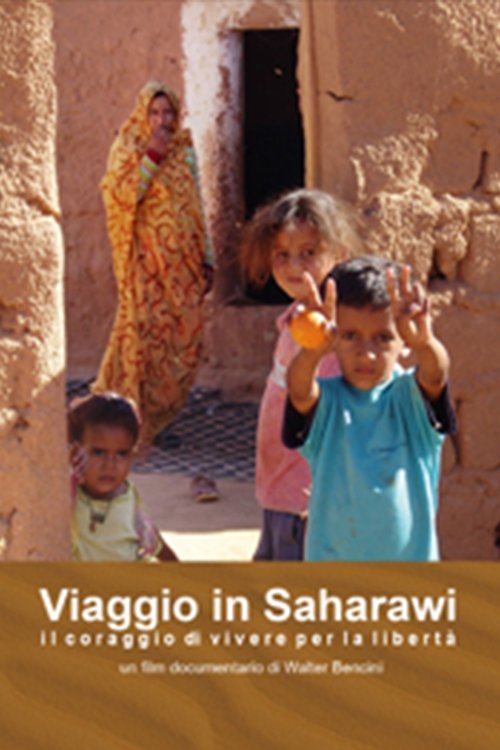
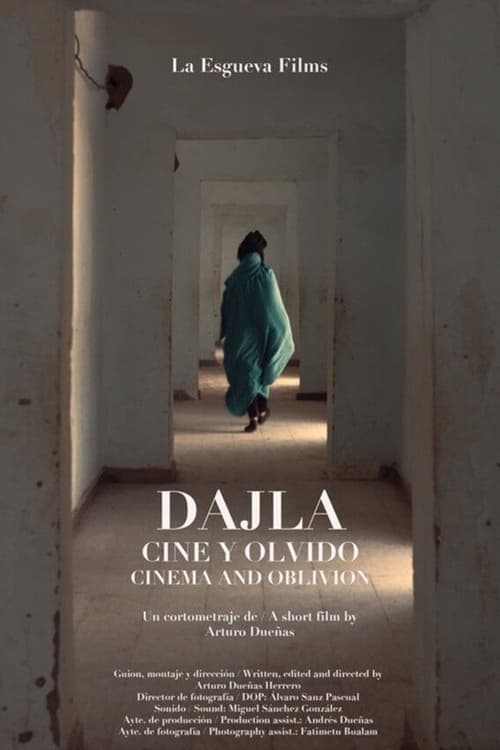
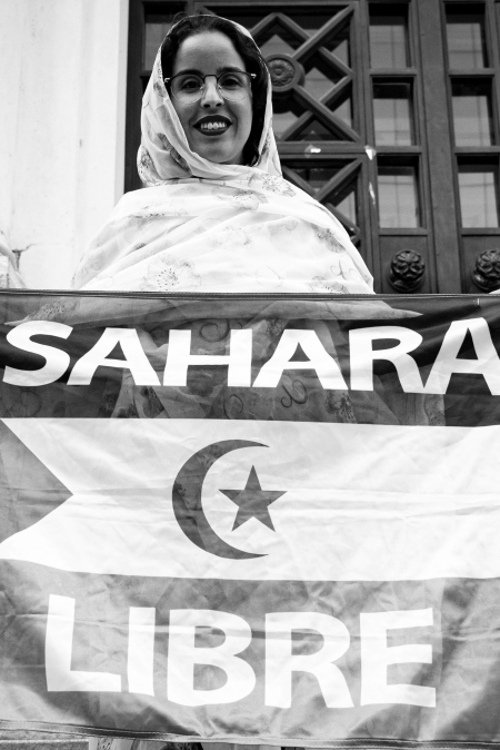
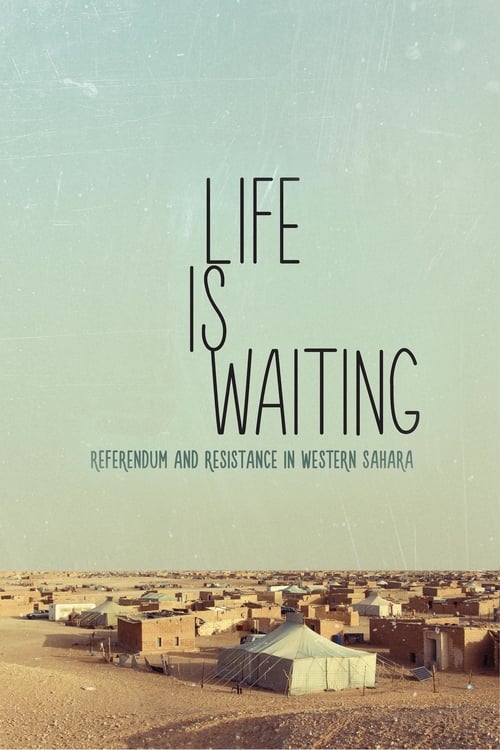
My Sahrawi family' is a report - documentary that reflects the bonds of unity between Sahrawi families and Spanish families who every summer welcome minors from refugee camps into their homes.
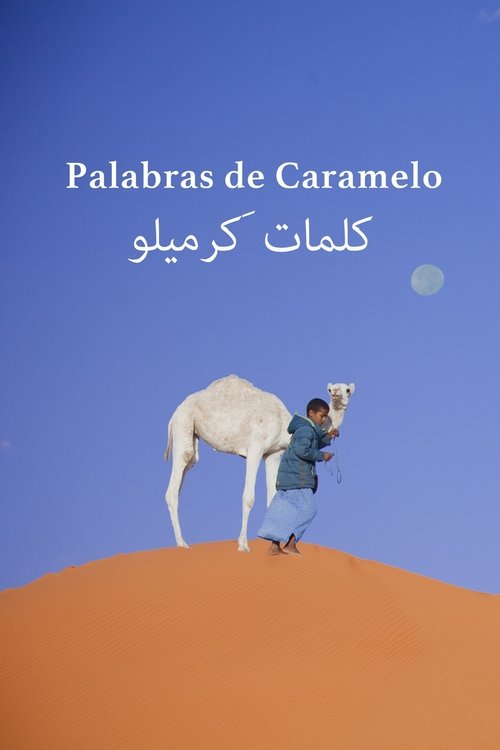
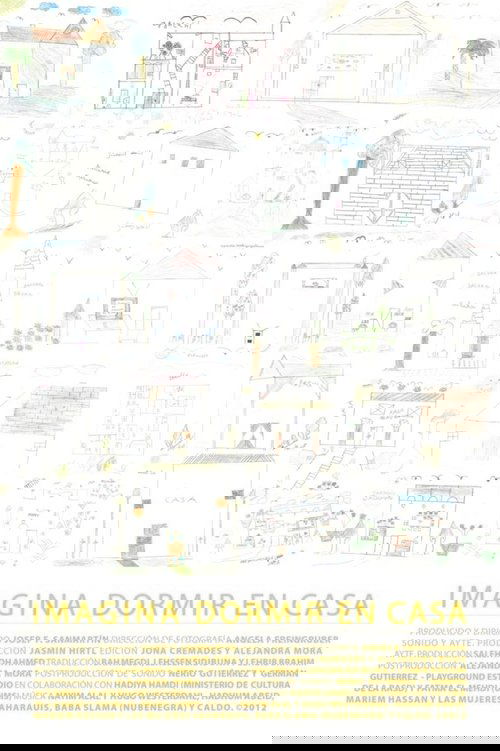
A boy has a dream of traveling to the world, especially to Paris where his uncle lives, but a wall built on his land divides his country and does not allow him to travel or cross to the other side of his land.
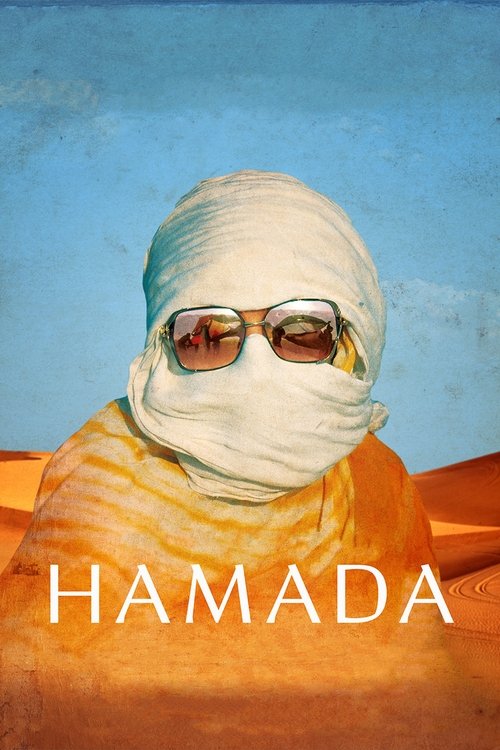
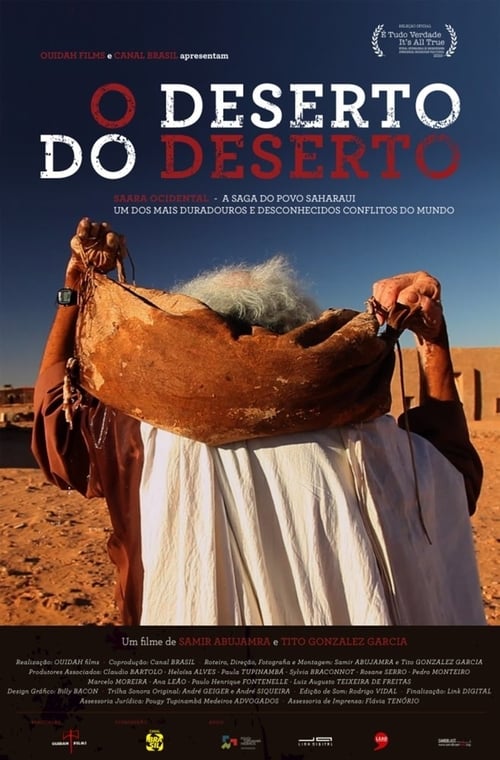
Filled with vitality, humor and unexpected situations, Hamada paints an unusual portrait of a group of young friends living in a refugee camp in the middle of nowhere. Western Sahara is known as “the last colony in Africa” and this conflict is the longest and one of the least known ongoing disputes in the continent, but the Sahrawi people refuse to become invisible.
Spanish actor Pepe Viyuela embarks on a personal journey on the trail of his grandfather Gervasio, a soldier in the Republican Army during the Spanish Civil War.
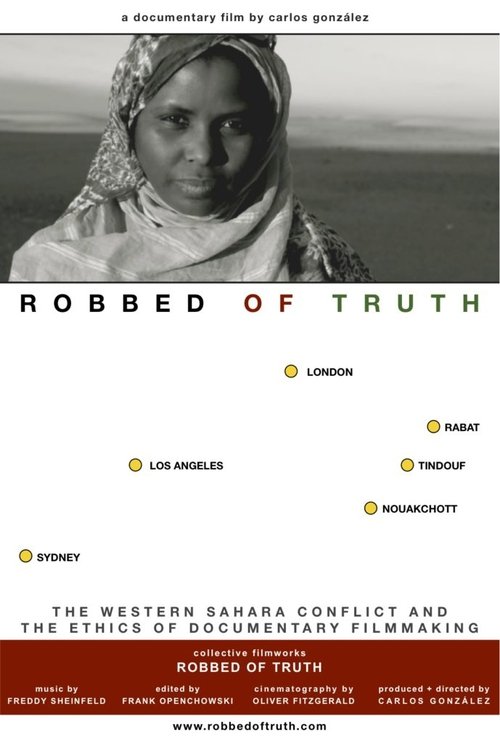
The political upheaval in North Africa is responsibility of the Western powers —especially of the United States and France— due to the exercise of a foreign policy based on practical and economic interests instead of ethical and theoretical principles, essential for their international politic strategies, which have generated a great instability that causes chaos and violence, as occurs in Western Sahara, the last African colony according to the UN, a region on the brink of war.
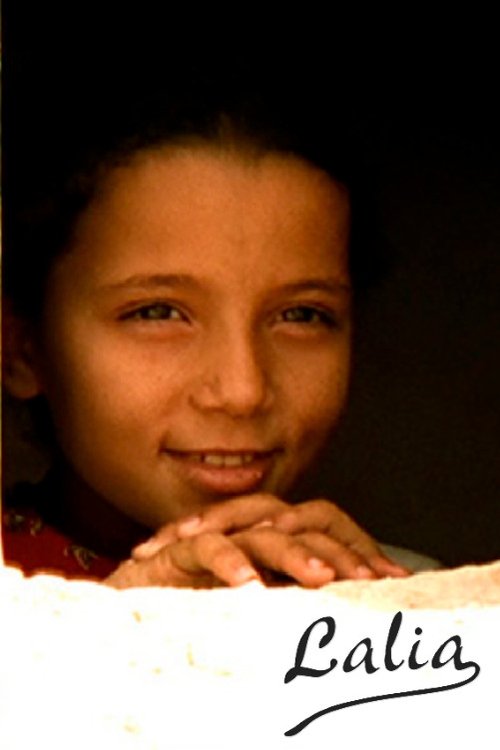
Lalia is a Saharaui girl who lives in a refugee camp in Algiers. She has only heard her grandmother and grandfather talk about her country, about the Sahara, that was taken away by Morroco. She dreams of one day seeing the ocean, seeing her real country. The reality she lives in is different... the uncertainty of the refugee camps, the political unbalance... but she is strong... and she knows that there can be change... she won't stop dreaming, and she won't stop longing..
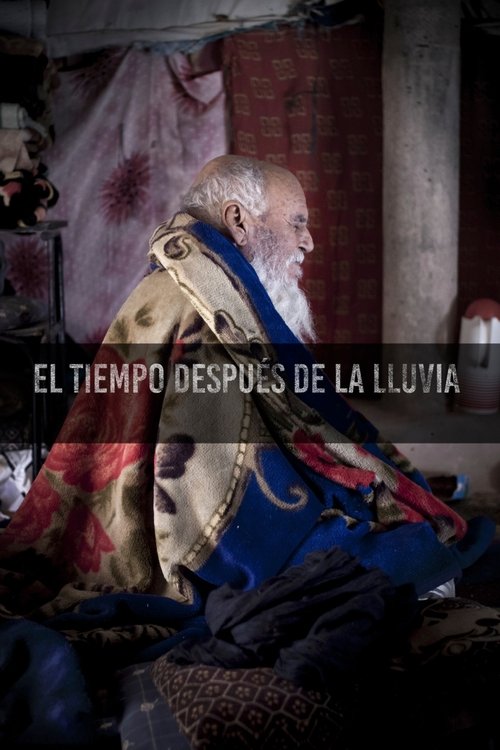
After the military occupation of Western Sahara in 1976, Moroccan government attacked the civil population with hard repression, forcing hundreds of Saharan people to “disappear” in clandestine jails. An invisible and slow death was the only horizon. However, some prisoners were able to survive after suffering their own “extinction” for more tan 10 years, ripped from their families, suffering torture, in total isolation. When they finally were released, their known world had changed radically.
The film, shot in the Saharawi refugee population camps, tells the story of a group of students from a film school who, for their final year project, decide to shoot on the Wall of Shame erected and mined by Morocco, in the middle of the current war that is being waged after the breaking of the ceasefire by the Alawite regime in November 2020.
Documentary that denounces the damages caused by the use of land mines in Western Sahara and shows the lives of those affected.
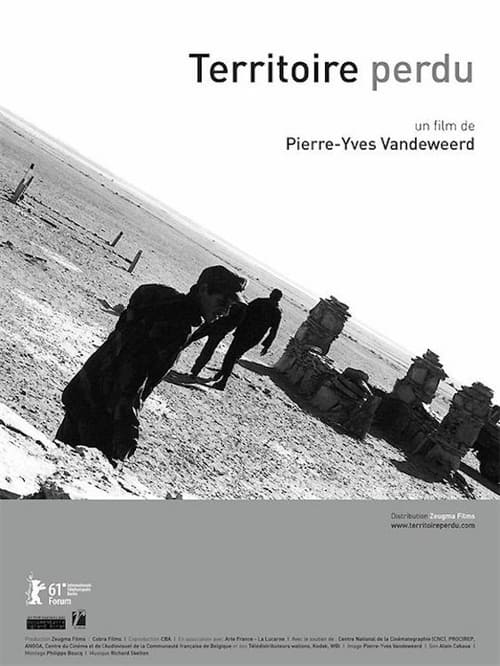
A documentary that shows the current state of territorial limbo in which the Sahrawi people live through the gaze of those who arrive and leave, those who resist, of the occupiers and the occupieds; a multifaceted view of what is behind the facts.
Women are the protagonists of this documentary. Girls and women of varied ages tell us the difficulties of living their whole lives in refuge and their desires for the future.
The film situates the viewer within a makeshift space of an animal market in Algeria. Drifting between feeding and waiting, one attunes to the bodies of goats and camels, the oldest companions of Arab men. As we move deeper into the desert, the site turns into a sacrifice zone and reveals its dark geopolitical secrets. The sensory ethnography film will invite you to question the banality of displacement, confinement and exploitation in an out-of-sight territory.
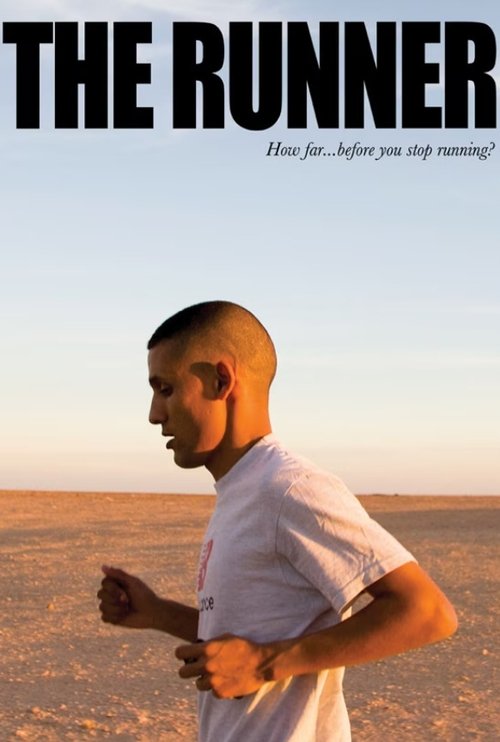
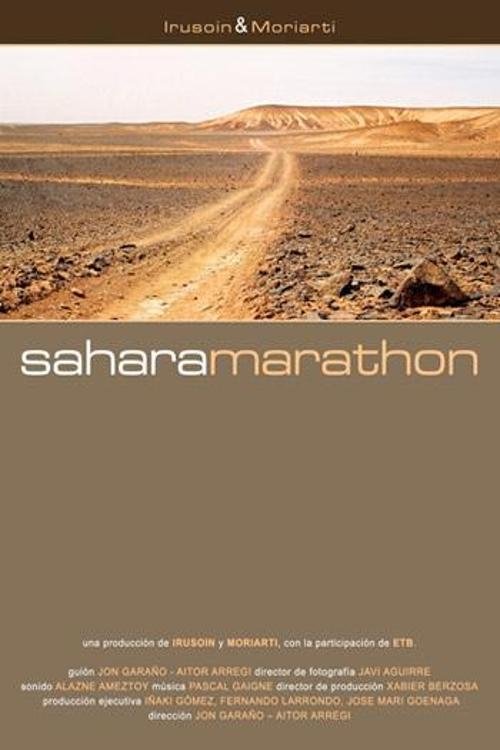
This film offers a picture of the tense situation in which the Sahrawi people have lived for more than 30 years. The yearly celebration of a marathon in the Sahrawi refugee camps serves as the central focus of the story.
The documentary gives as overview of the history of the Sahrawi people and their current situation in the refugee camps and in the liberated territories of Western Sahara. It describes how water, education, land etc. are managed.
Silence always surrounds the mine, first when it explodes and then when it eternally haunts its victims. The history of the silence of this fire hidden by Morocco in the sand of Western Sahara has left more than 4,000 victims in what is considered the largest minefield in the world. Daha and Fatimetu suffered the effect of the silence of the mines, their lives changed forever, like that of the Saharawi people who, after 14 years cleaning the desert of artifacts, the rupture of the ceasefire have left the future of the contamination of their territory.
Médicos del Mundo Sahara presents the "Hunna Raquizat Alhayat" campaign that tells the stories of 17 Saharawi refugee women with different specialties and responsibilities within the field of health. This campaign arises from the need to value their work and raise awareness around all the challenges they face in their day to day, with the aim of contributing to the construction of a fairer society for all people. Saharawi women have been and continue to be the ones who sustain the population or, in other words, they are the pillar of life.