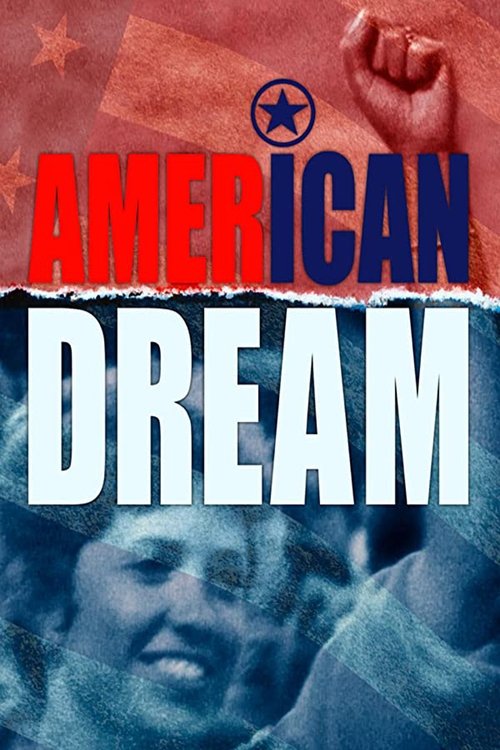
In their own words, this is the story of six women from the South Wales valleys and how they helped sustain the bitter year-long miners' strike, changing their lives forever.
Siân James
as Self
Jayne Francis-Headon
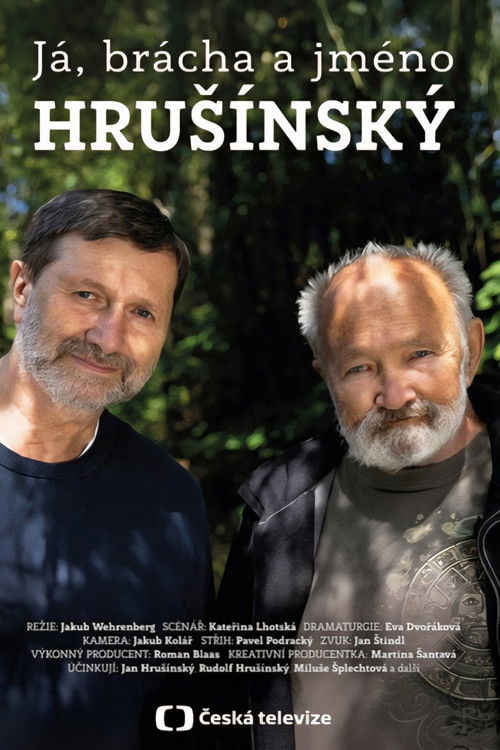
According to family legend, the name Hrušínský was born after Rudolf and Jan Hrušínský's grandfather Rudolf Böhm was caught stealing pears on a theater stage. The German name Böhm suddenly became Hruškovský and shortly after that Hrušínský. Grandfather Rudolf, later known as Rudolf Hrušínský the eldest, adopted the surname as his own and began using it in 1935. However, the history of the Hrušínský acting family goes back much further. It is therefore not surprising that the brothers Rudolf and Jan also took the same path. The documentary charts their acting beginnings alongside their father Rudolf Hrušínský Sr., from their first roles, through theater engagements at the Drama Studio in Ústí nad Labem and the Drama Club in Prague, to unforgettable film and television roles, when three generations of Hrušínskýs often met in front of the camera.
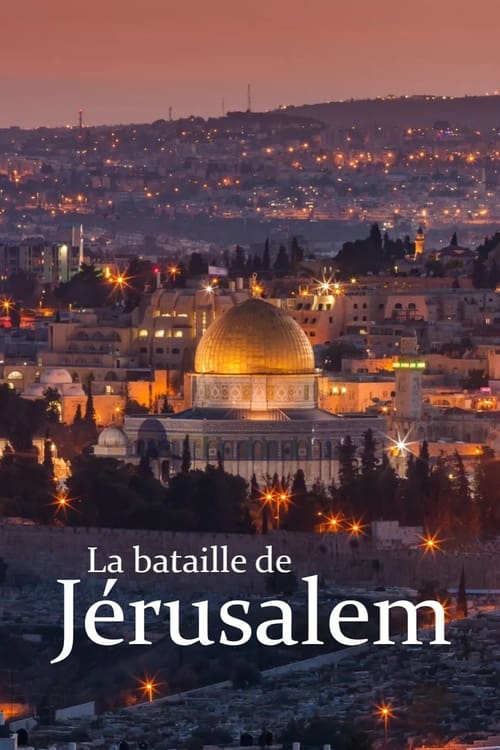
This documentary, filmed after October 7, places recent events in context and retraces the extraordinary history of this region to shed light on the present, interviewing actors and witnesses to this conflict: Islamists, Jewish nationalists, imams, rabbis, intellectuals, urban planners, soldiers, etc.
Through interspersed conversation and prose, this experimental documentary follows a poet and a neuroscientist as they explore the definition of love, what it means, and why it matters.
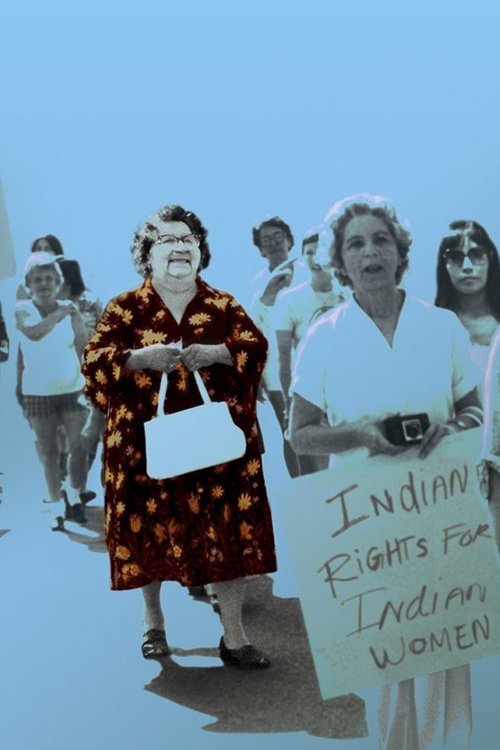
After marrying a settler, Mary Two-Axe Earley lost her legal status as a First Nations woman. Dedicating her life to activism, she campaigned to have First Nations women's rights restored and coordinated a movement that continues to this day. Kahnawake filmmaker Courtney Montour honours this inspiring leader while drawing attention to contemporary injustices that remain in this era of truth and reconciliation.
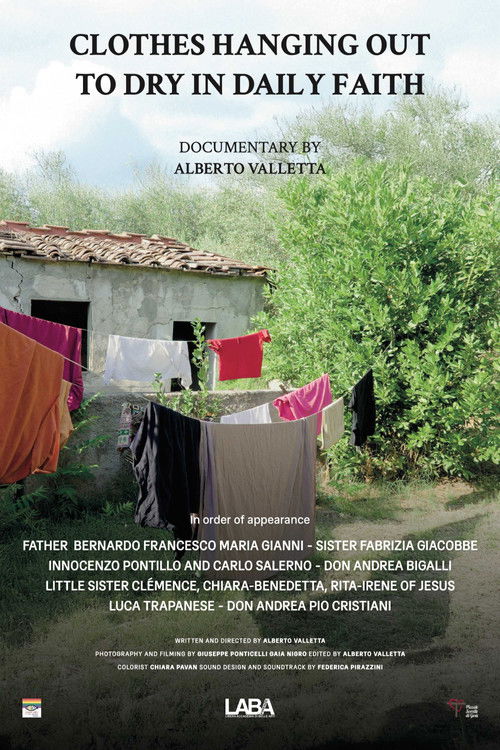
A documentary that brings together voices of clergy and laypeople who question the Church and society about the meaning of faith today—touching on the body, emotions, sexuality, and relationships—finding in the city the concrete, everyday place where faith is embodied. The documentary explores the beauty of contrast through life testimonies that foster listening and dialogue, opening a space where people feel welcomed and can be reborn. A collective reflection on the incarnate love of the Gospel, the beauty of relationships, and the complexity of a Church that wants—or should want—to truly be a home for everyone.
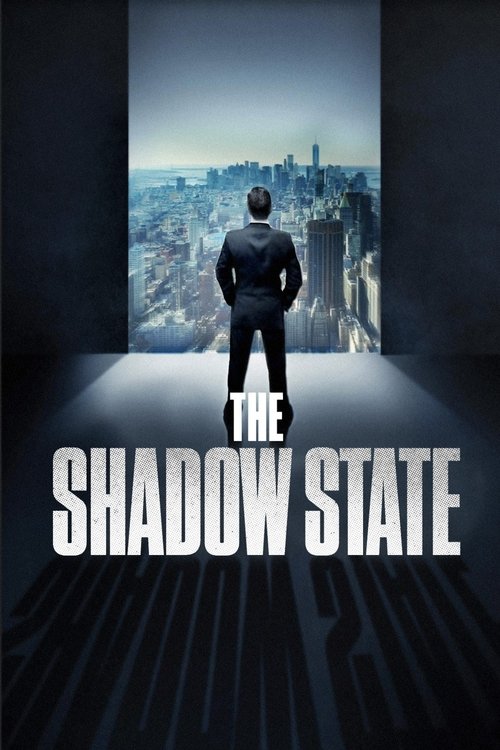
From our food, fuel, money, even freedom of speech ... who is really in control? Kevin Stocklin presents his investigation in this eye-opening documentary about ESG (Environmental Social and Governance), a new global alliance affecting everyone's way of life. As a business reporter who has written extensively on ESG issues, he uncomplicates the complicated in this Epoch Original. "The Shadow State" reveals the surprising truth behind the driving force of this global alliance, the multi-trillion dollar ESG industry which unites governments and corporations.
Ammo Baba is considered an icon that Iraqis are proud of for his illustrious football career, which benefited the Iraqi national team and generations of young athletes.
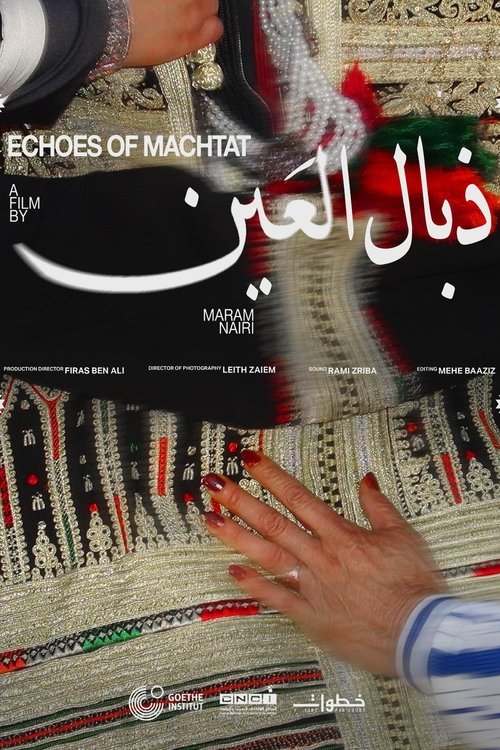
In Mahdia, Tunisia, Maram embarks on an intimate journey through the ancestral customs that have shaped her life, exploring matrimonial traditions, and highlighting the Henna, where the bewitching songs of the Machtat resound. Tracing her childhood memories, guided by Latifa and Habiba, two prominent Machtat, she uncovers the maternal essence of tradition, where the bond between mother and bride is at the heart of these intimate celebrations.
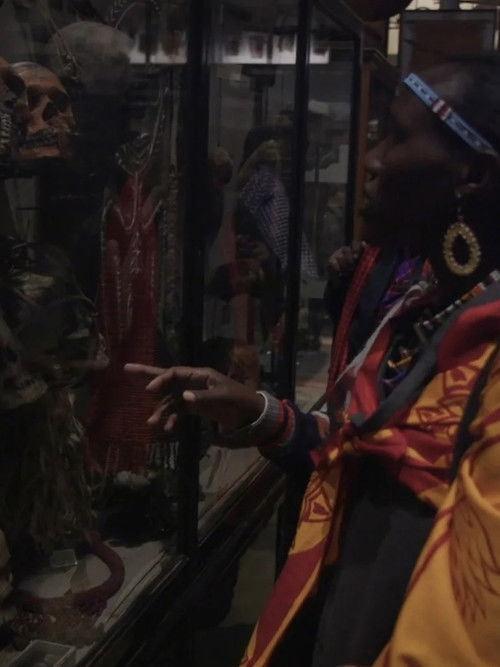
Decolonising the Curatorial Process is a forty-minute documentary which explores decolonial strategies in an academic and curatorial context. The film features academics, activists and practitioners, and contains case studies of institutions that are deploying critical, self-reflective forms of curatorial practice. The Museum of London Docklands exhibition on slavery and the sugar industry is examined as an example of how an institution can decolonise the curatorial process, utilise the work of artists in a museum context, and critically examine East London's imperial history. The Pitt Rivers museum in Oxford, who are working with Maasai activists from Kenya and Tanzania on a project centred on repatriating the museum's collection of sacred Maasai artefacts, also features in the film.
A short documentary covering the horrific events behind the Mexia Supermarket which took place in 1999.
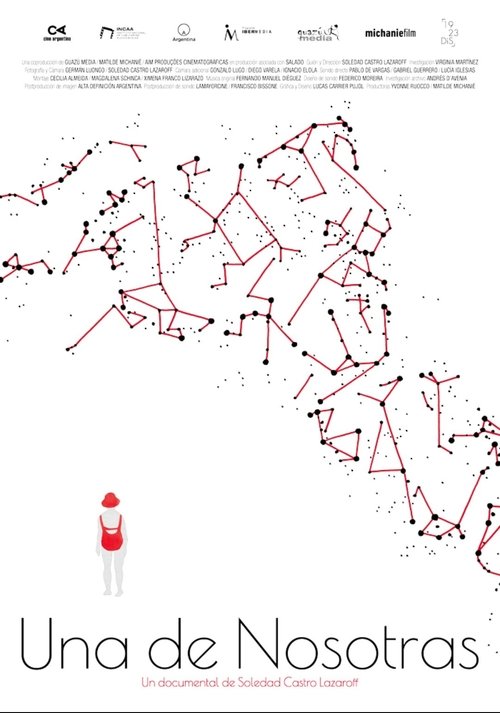
For more than forty years, Belela Herrera has dedicated her life to saving that of others. The politically persecuted, those displaced by civil wars, and the world's refugees are her concern and vocation. Her story is also that of a woman who defined herself and twisted the destiny reserved for girls of her social class: marrying to a man from high society, having a large family and a comfortable and elegant existence . And it is also the story of a female legacy that is part and consequence of the invisible resistance of thousands of women.
In New Jersey, the Good Grief community focuses on a holistic way of dealing with grief, where children can give in to rage in ‘the volcano room,' and say goodbye to a dying teddy bear patient in ‘the hospital room.' Over the course of a year, we follow the weekly meetings and get close to Kimmy, Nicky, Peter, Nora, Nolan, and Mikayla and their close companion: grief. It is sometimes heartbreaking, but also humorous, to experience the questions about life and death through their open and curious minds. Grief is high and heavy as a mountain, but it helps you understand what has happened, and that death is irreversible.
When workers at the Hormel meatpacking plant in Austin, Minnesota are asked to take a substantial pay cut in a highly profitable year, the local labor union decides to go on strike and fight for a wage they believe is fair. But as the work stoppage drags on and the strikers face losing everything, friends become enemies, families are divided and the very future of this typical mid American town is threatened.
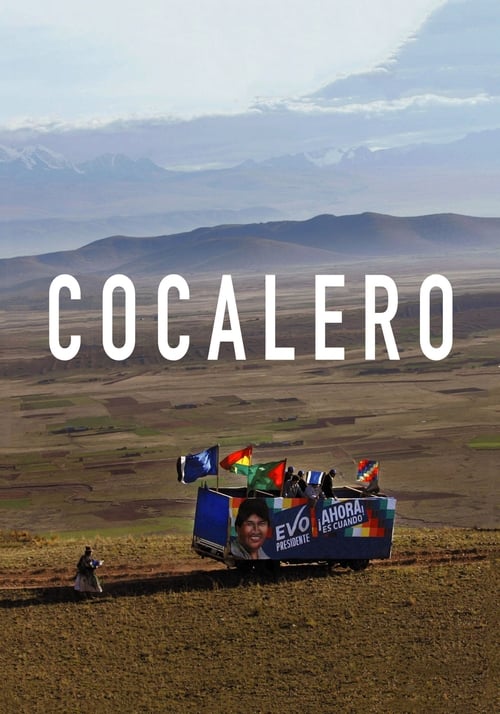
A documentary centered on the union formed by Bolivian farmers in response to their government's (which was urged by the U.S.) effort to eradicate coca crops, and the man who would come to represent them, Evo Morales.
Autobiographical documentary in which Ian Dury, fighting a battle with cancer to which he would later succumb, recalls his life and career. With contributions from painter Peter Blake and members of Dury's band, the Blockheads.
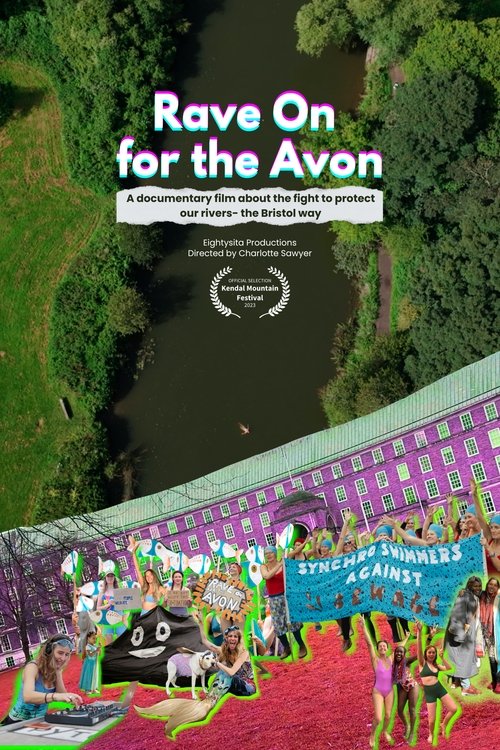
Fall in love with our Avon and the people fighting to protect it, the Bristol way! Rave On For The Avon is a feature-length documentary film that follows campaigners and river lovers through six seasons: their highs and lows, love and loss.
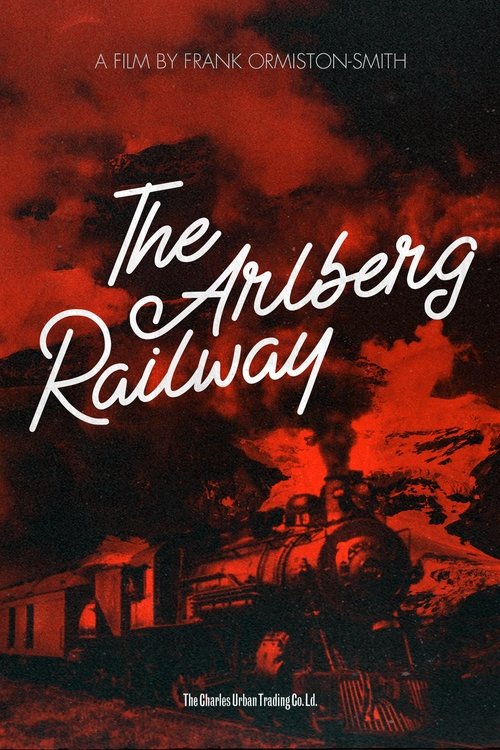
1906, produced by Charles Urban, cinematography by Frank Ormiston-Smith.
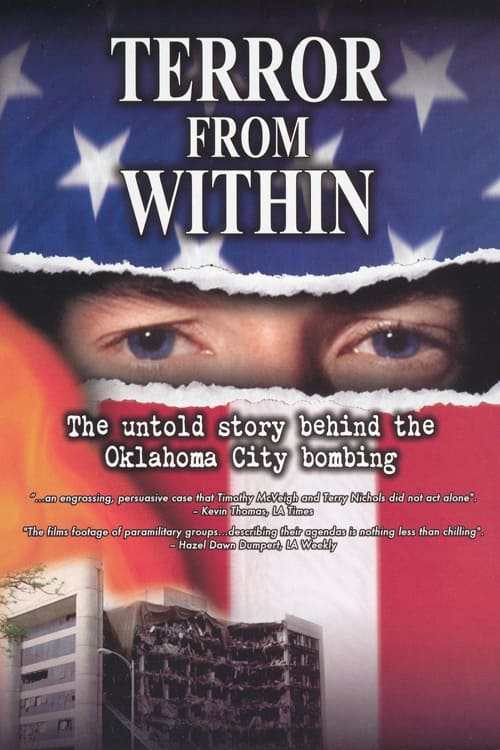
Jason Van Vleet's documentary explores how a plan to overthrow the government conceived in 1983 by home-grown extremists lead to the tragic 1995 bombing of the Alfred P. Murrah Building in Oklahoma City. Van Vleet's film includes interviews with officials who investigated the terrorist attack and a taped confession by one of the perpetrators of the bombing, and looks at domestic terror groups that are still operative years after the attack.