A documentary centered on the union formed by Bolivian farmers in response to their government's (which was urged by the U.S.) effort to eradicate coca crops, and the man who would come to represent them, Evo Morales.
Evo Morales
as Himself
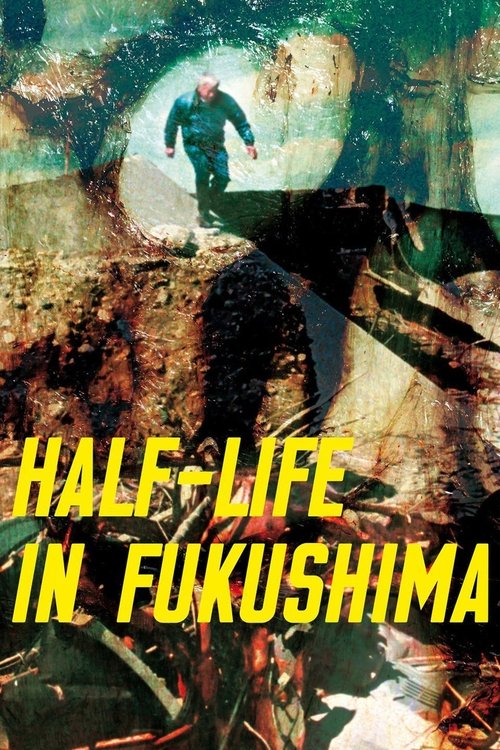
In the aftermath of the Fukushima nuclear disaster, a Japanese farmer ekes out a solitary existence within the radiation red zone.
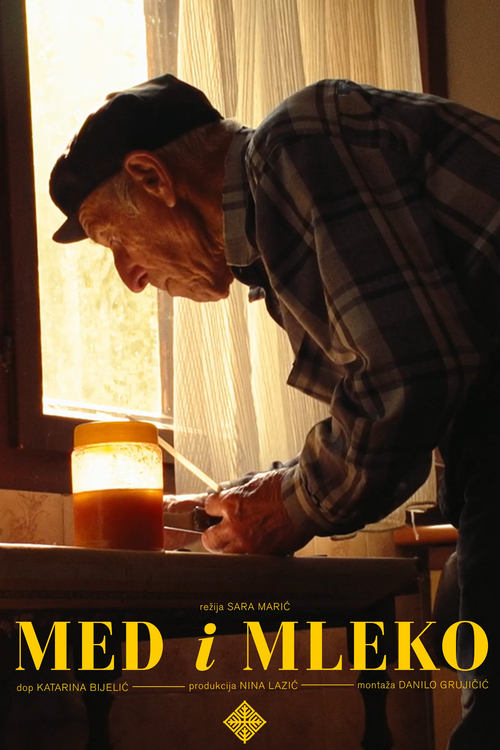
In a secluded village surrounded by forests and a river, an elderly beekeeper and a livestock farmer live alone, their lives shaped by tireless work and quiet harmony. Through one day in their hidden world, this documentary reveals the beauty and mystery of their bond with nature, far from the reach of modern life.
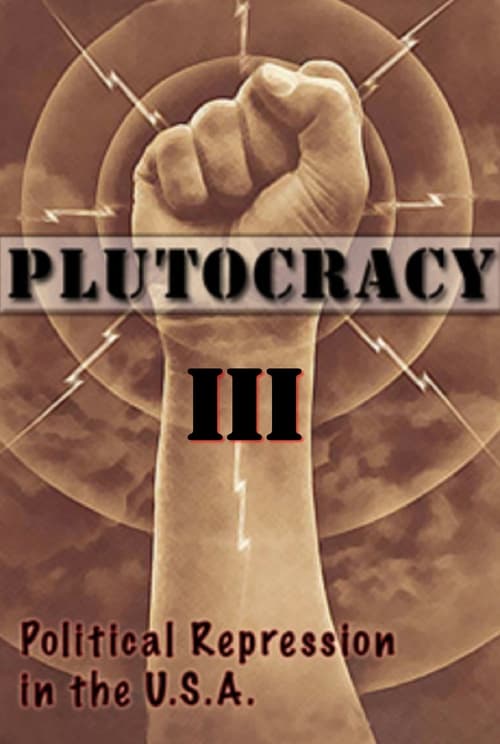
The early struggles of the working class are placed under a microscope in Plutocracy III: Class War, the latest chapter in an exceptionally well produced series which explores the origins of America's growing economic divide.
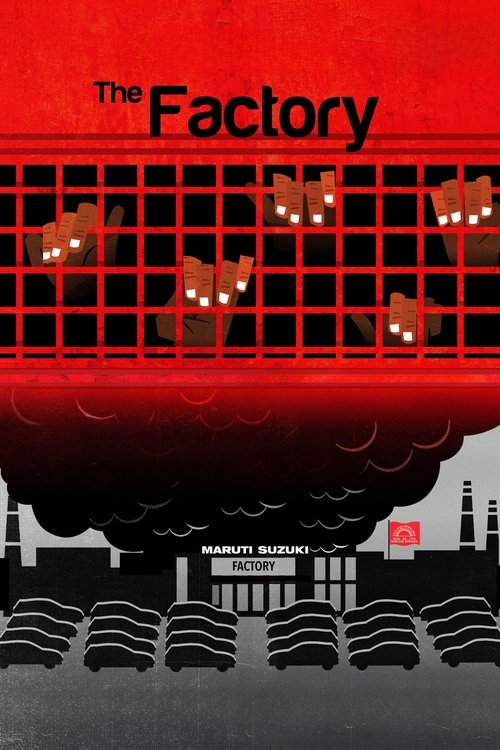
This documentary film traces the struggle of Indian auto workers of the Maruti Suzuki factory in Manesar, near Delhi, in forming a union. Investigating the underbelly of class conflict and exposing a widespread system of injustice, the film focuses on the repression faced by the workers and their criminal prosecution.
For ten years, Raymond Depardon has followed the lives of farmer living in the mountain ranges. He allows us to enter their farms with astounding naturalness. This moving film speaks, with great serenity, of our roots and of the future of the people who work on the land. This the last part of Depardon's triptych "Profils paysans" about what it is like to be a farmer today in an isolated highland area in France. "La vie moderne" examines what has become of the persons he has followed for ten years, while featuring younger people who try to farm or raise cattle or poultry, come hell or high water.
In response to the Detroit riots of 1967, where racial tensions in the city reached a breaking point, the city decided that the way to resolve these tensions would be to put more resources into employing Black people. Namely, chronically unemployed Black men who they refer to as "the hardcore." And predominantly, employing them on the line in auto assembly plants. But in the words of Lloyd Love, a young Detroiter interviewed in the film, this PBS documentary poses the question, "Do you think a job is the answer?" The film explores this question in 1968, by speaking with workers, unemployed people, union activists, students, people who implement city-run employment programs, members of DRUM (Dodge Revolutionary Union Movement), and the Detroit Industrial Mission.
Shattered Glass: A WNBPA Story dives deep into the lives beyond the court of the next generation of basketball luminaries, Jonquel Jones, Nneka Ogwumike, and Breanna Stewart, as well as WNBA legend, Sheryl Swoopes. From intense off-season routines to the intricacies of family dynamics to navigating the politics of women's sports, this documentary offers viewers a rare, all-encompassing look at the athletes as holistic individuals.
Up against one of the most powerful companies on the planet, a group of Amazon workers embark on an unprecedented campaign to unionize their warehouse in Staten Island, New York.
A documentary about teachers' strikes in Iceland in the latter half of the 20th century with a special focus on 1995.
Documentary following dockers of Liverpool sacked in a labour dispute and their supporters’ group, Women of the Waterfront, as they receive support from around the world and seek solidarity at the TUC conference.
An explosion in one of the largest chemical plants in Europe, the Petrochemical complex in Tarragona, triggers the labour struggle of a group of workers who demand what is fair for everyone.
Thousands of ducks, one farmer, and an ultimate goal to produce chemical-free rice. Against all odds, a determined farmer in Thailand trained ducks to be ‘rice protectors.’ Together, they joined hands (and wings) in the pursuit of sustainable farming. Amusing, adorable, yet informative, viewers will fall in love watching man and ducks, teacher and students, work together to keep our food safe from harmful chemicals.
Out of Office is the story of a scrappy group of office workers in Wisconsin who managed to pull off a major victory for workers’ rights. Upon their contract’s expiration, the workers activated their dormant union and fought back against their employer - a massive financial services provider making record profits. Their fight dragged out for over 600 days and included the first strike in the company’s almost 100-year history, which was the largest labor action in Wisconsin for over ten years. A rank-and-file member of the union documented the entire struggle, and the documentary includes emotional interviews with key members of the fight.
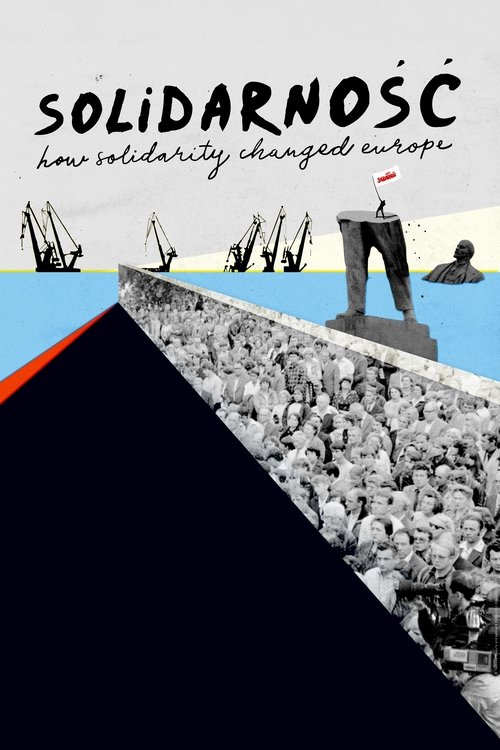
Gdańsk, Poland, September 1980. Lech Wałęsa and other Lenin shipyard workers found Solidarność (Solidarity), the first independent trade union behind the Iron Curtain. The long and hard battle to bring down communist dictatorship has begun.
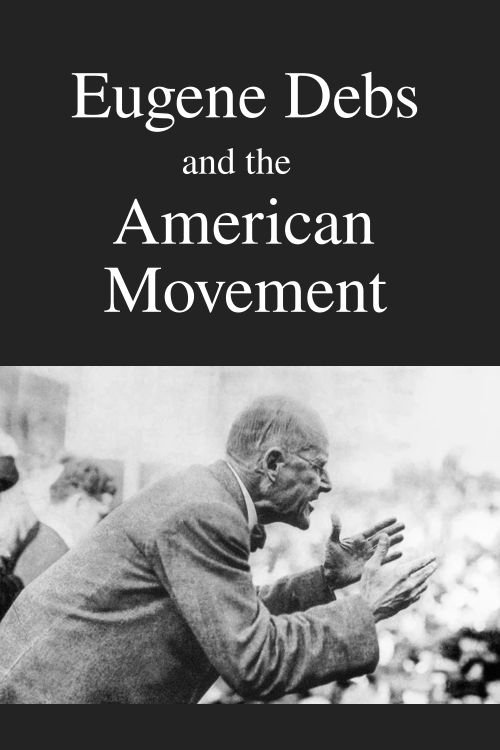
Eugene Debs & the American Movement is an educational video that documents fifty years of long-suppressed history. Using extensively researched photographs, drawings and newsreel footage, it tells a story of the bloody strikes and brutal government reaction to the American workers' attempts to organize. This film is movingly narrated in Deb's own words, read from his speeches and writings, by his friend and comrade, Shubert Sebree.
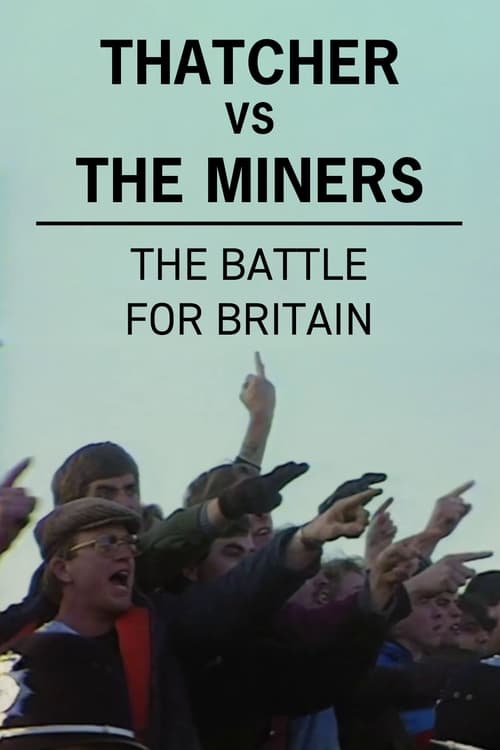
On the 5th of March 1985, a crowd gathered in a South Yorkshire pit village to watch a sight none of them had seen in a year. The villagers, many of them in tears, cheered and clapped as the men of Grimethorpe Colliery marched back to work accompanied by the village’s world-famous brass band. The miners and their families had endured months of hardship. It had all been for nothing. The miners had lost the strike called on March 6th 1984. They would lose a lot more in the years to come. But was it a good thing for the country that the miners lost their last battle?
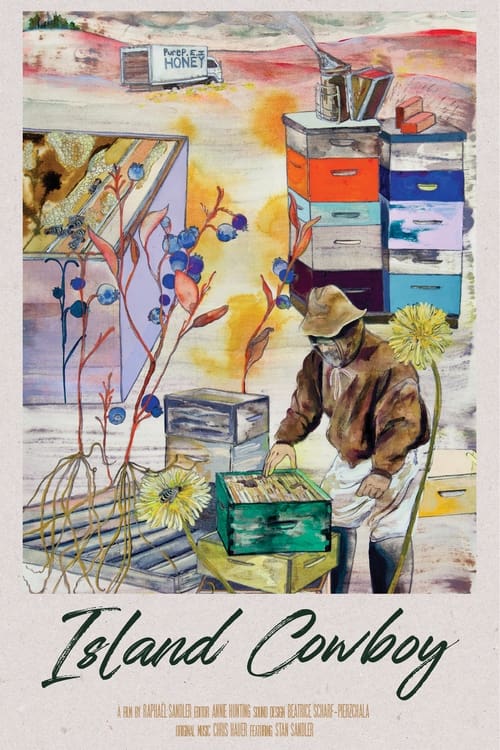
Island Cowboy follows a Canadian beekeeper on Prince Edward Island during one of his last years of work. At the age of 68, Stan Sandler would like to retire, but impending threats to his island home's ecosystem threaten the future of the bees, and the health of the environment. The relationship between a beekeeper’s labour and the economy of the island’s blueberry crop is explored through a season of beekeeping, as we get an intimate look at Stan and the "bee cowboys".