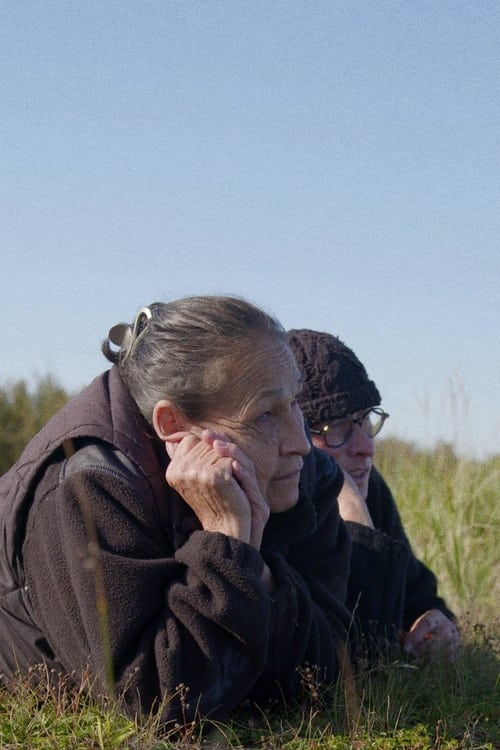
Performance and conversation with husband-and-wife poets Donald Hall and Jane Kenyon at a New Jersey festival, in their Wilmot, NH hometown and their Eagle Pond farmhouse.
Jane Kenyon
as Self
Donald Hall
Bill Moyers
as
Diego Velásquez, painter of kings and commoners, master of the off-frame and mise-en-abyme, stands at the heart of a cinematic journey that challenges conventions. From the hypnotic depth of Las Meninas to the dizzying layers of meaning in The Spinners, The Vélasquez Mystery seeks to unravel a troubling question: how does this artist, admired by geniuses such as Manet and Dalí, remain so often on the margins of collective memory? Guided by the symbolic thread of water, a metaphor for movement and reflection, the film traverses centuries and continents, boldly blending historical narratives, contemporary interpretations, and reflections on the universal legacy of an unmatched master.
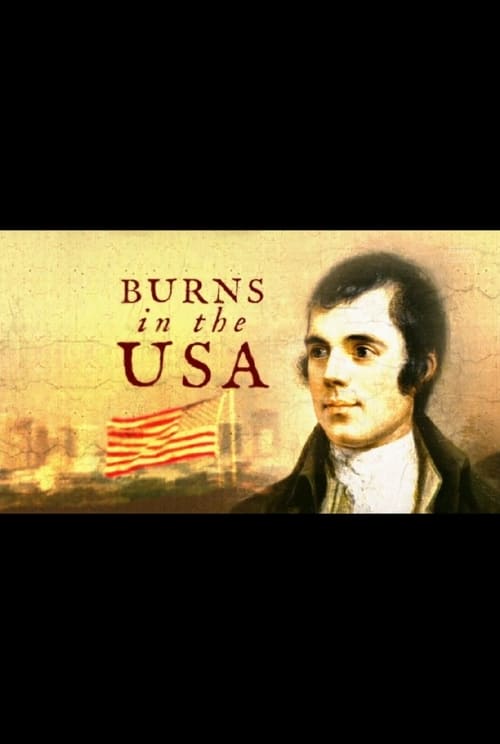
Robert Burns was well aware of the revolution taking place across the Atlantic as he grew up. The poet was inspired. And America was to be inspired by him. From Abraham Lincoln to Frederick Douglass, and Walt Whitman to Bob Dylan, some of the most significant figures in American politics and culture have cited Burns as an influence.
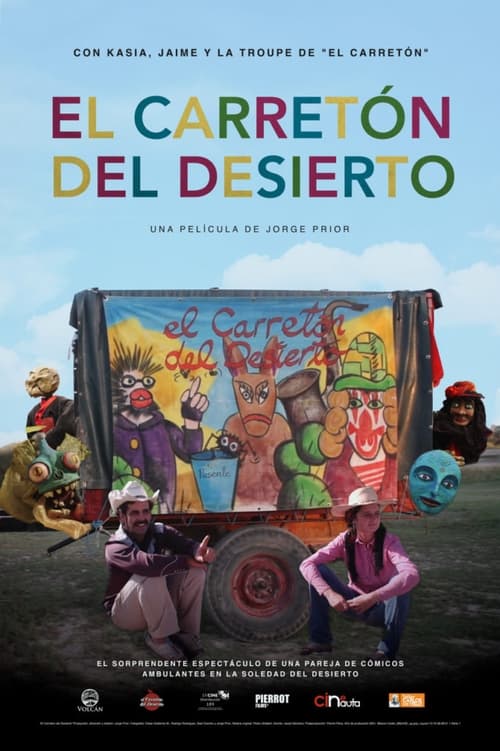
A couple of artists travels through the Mexico desert to present their puppet show.
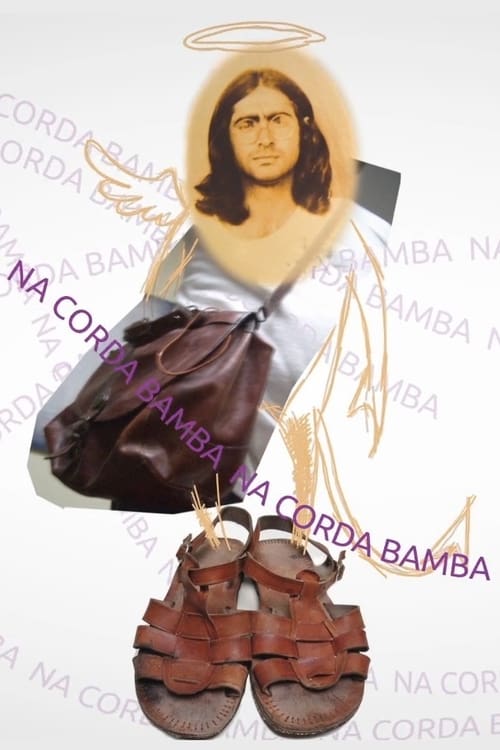
Cacaso, a Brazilian poet, lived in Rio de Janeiro. Born Antonio Carlos de Brito (1944-1987) he was one of the leaders of the marginal poetry movement. Cacaso filled notebooks not only with poems but reflections, drawings and collages. He also became a lyricist and partner of celebrated songwriters such as Tom Jobim, Edu Lobo, Toninho Horta, João Donato and Sivuca.
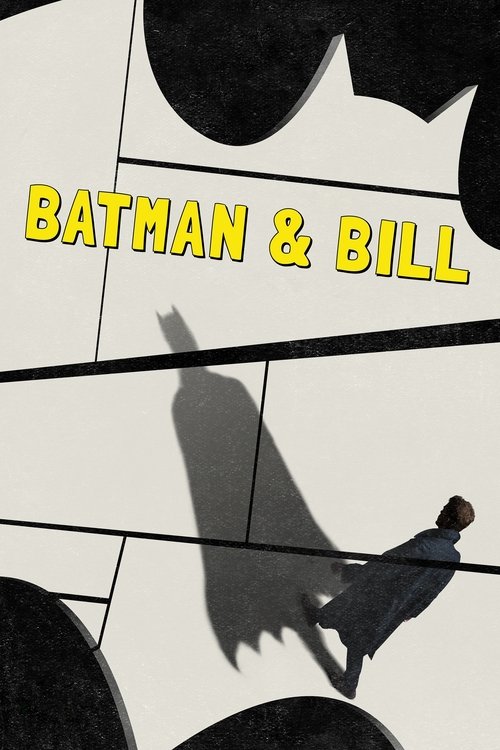
Everyone thinks that Bob Kane created Batman, but that’s not the whole truth. One author makes it his crusade to make it known that Bill Finger, a struggling writer, actually helped invent the iconic superhero, from concept to costume to the very character we all know and love. Bruce Wayne may be Batman’s secret identity, but his creator was always a true mystery.
Solentime (2020), directed by Carlos Henríquez Consalvi and Camilo Henríquez, revisits the memory of poet-priest Ernesto Cardenal and the Christian community he founded in the Solentiname archipelago, where art, faith, and revolutionary consciousness converged. The film reconstructs a failed 1973 documentary project, when a young Consalvi traveled from Venezuela to film Cardenal with a 16mm Bolex, only to discover the footage was ruined. Nearly five decades later, during the COVID-19 lockdown and after Cardenal’s death, father and son assemble photographs, archival images, and sound to evoke that encounter and the fragile persistence of memory, turning loss, decay, and time into the material of the film itself.
A young city girl explores the idea of beauty with her uncle Michel, a retired farmer from the Beauce region. An amusing and touching encounter between two visions of art and the world.
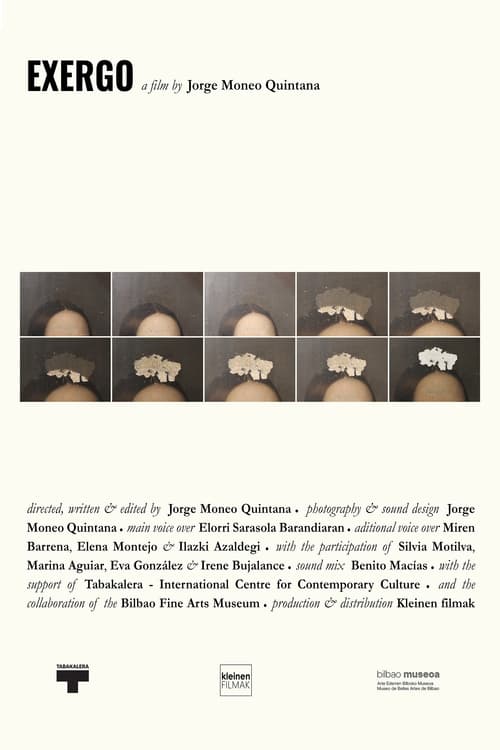
Departing from peripheral details of some paintings of the Bilbao Fine Arts Museum, a female narrator unravels several stories related to the economic, social and psychological conditions of past and current artists.
The Hurricane Maria represented a historic event for the island of Puerto Rico. The Puerto Rican spirit at the helm of this natural disaster was shattered beyond repair. And from the rumble the Puerto Rican spirit will be reborn again. Omar Iloy makes a desperate call to the wounded spirit of the island, a call for hope and help.
At the crossroads of Black literary consciousness and political struggle, the ideas of Claude McKay, Jamaican poet and novelist, laid the foundations for major literary movements, including Négritude. Proudly wandering, both bohemian and politically committed, a chameleon with a magnetic personality, he traveled across the globe: New York’s literary scene, Parisian aristocracy, Communist intelligentsia in Russia, and Black diasporas in the port of Marseille. Using archival materials and texts read in voice-over by Gaël Faye and Manon Azem, the film traces McKay’s journey as he crosses paths with major figures of his time, from George Bernard Shaw to W.E.B. Du Bois, Trotski, and many others.
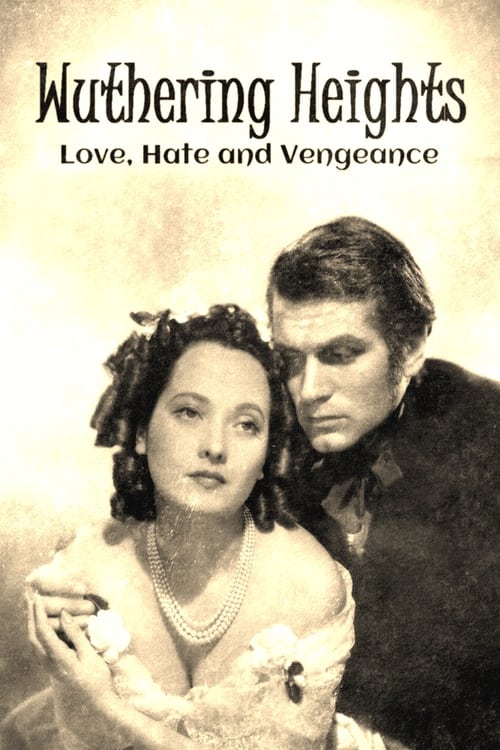
In 1847, British writer Emily Brontë (1818-48), perhaps the most enigmatic of the three Brontë sisters, published her novel Wuthering Heights, a dark romance set in the desolation of the moors, a unique work of early Victorian literature that stunned contemporary critics.
Filmed on location in Montana and Washington State, this 1976 biography of poet and teacher Richard Hugo features readings of some of his most famous poems as well as interviews with his family and friends.
The memory of the poet Vicente Aleixandre remains silent at No. 3 Velintonia Street. Home of a Nobel Prize in Literature 1977, it also recalls the joy of Lorca and other members of Generation´27, the pain of civil war and post-war, and became a meeting point for most writers in 20th century Spanish Literature, now is abandoned and for sale. This documentary recreates its story and spirit.