A high-speed view of Paris via train-track; Zooming down the Seine by boat. Chomette's first film, Games of Reflections and Speed, traverses tunnels and elevated railways to produce a disarming rhythm.
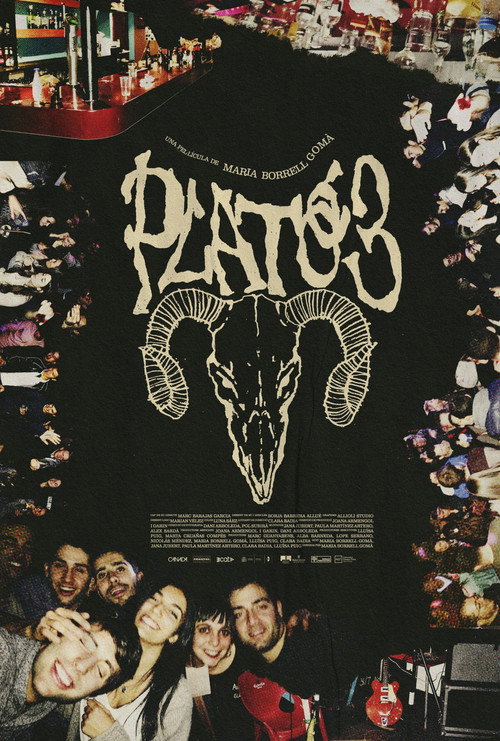
In a corner of a border town in the Lleida plains, there once stood a pub called Plató 3. Years after its closure, a group of young people decides to meet in an old fruit cooperative to rehearse a play about the best nights of their lives. What they do not know is that, in those nights, there were old shadows they must reunite with.
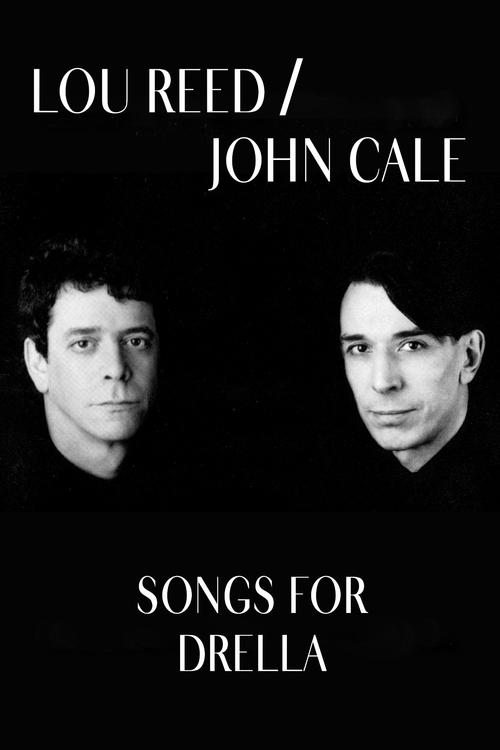
Songs for Drella is a concept album by Lou Reed and John Cale, both formerly of The Velvet Underground, and is dedicated to the memory of Andy Warhol, their mentor, who had died unexpectedly in 1987. Drella was a nickname for Warhol coined by Warhol Superstar Ondine, a contraction of Dracula and Cinderella, used by Warhol's crowd. The song cycle focuses on Warhol's interpersonal relations and experiences, with songs falling roughly into three categories: Warhol's first-person perspective (which makes up the vast majority of the album), third-person narratives chronicling events and affairs, and first-person commentaries on Warhol by Reed and Cale themselves. The songs on the album are, to some extent, in chronological order.
Filmed in 1896 by Alexandre Promio for the Lumière company, this short actuality presents one of the earliest traveling shots in cinema. With the camera mounted on a gondola, the film glides along Venice’s Grand Canal, capturing passing gondolas, bustling waterfront activity, and the city’s iconic architecture from a moving perspective. This simple yet groundbreaking technique introduced audiences to a new way of experiencing motion on screen.
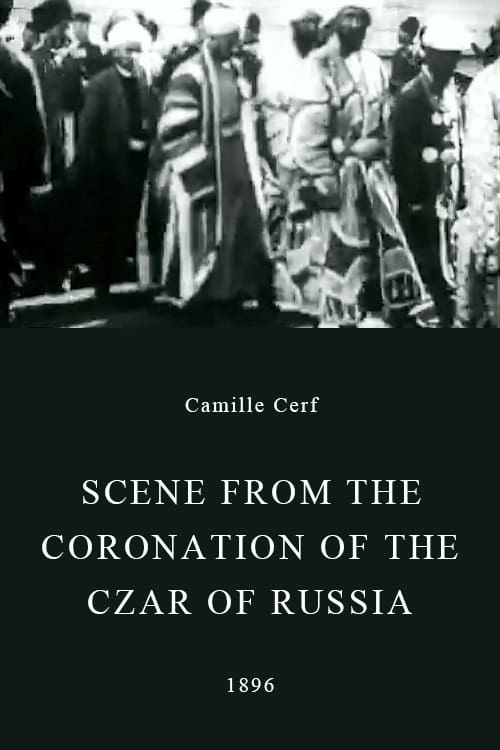
100 seconds-long six-scene footage consisting of selected coronation ceremonies of the Russian Tsar (Emperor) Nicholas II. Shows distinguished guests entering a carriage, parade of troops and carriages, Nicholas II and his wife empress Alexandra Feodorovna descending the Kremlin Red Staircase, procession of the newly crowned Emperor and his wife under the baldacchino, guests from the Asian parts of the Russian Empire.
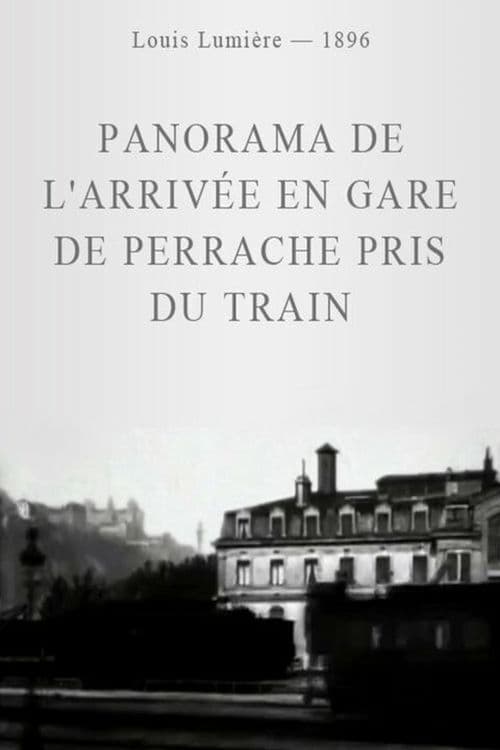
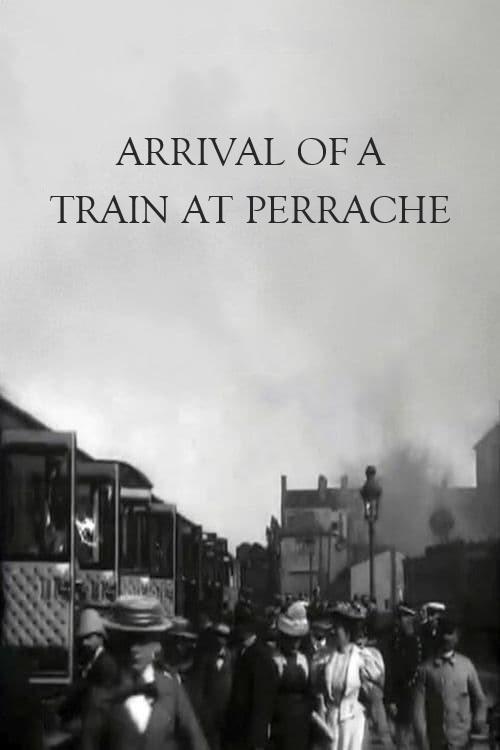
A train arrives at Perrache station. We see the view from aboard the train.
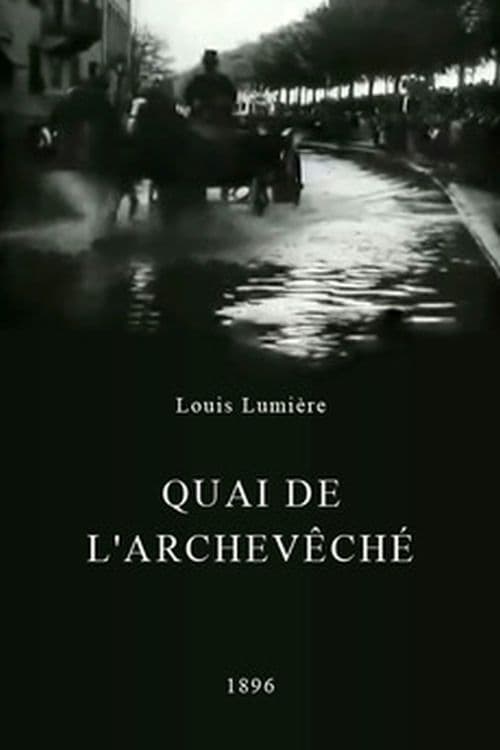
The floods of the Saône river during the first week of November, 1896.
A trains arrives at Perrache station and people disembark.
Considered a remake of Lumière's La Voltige from 1895.
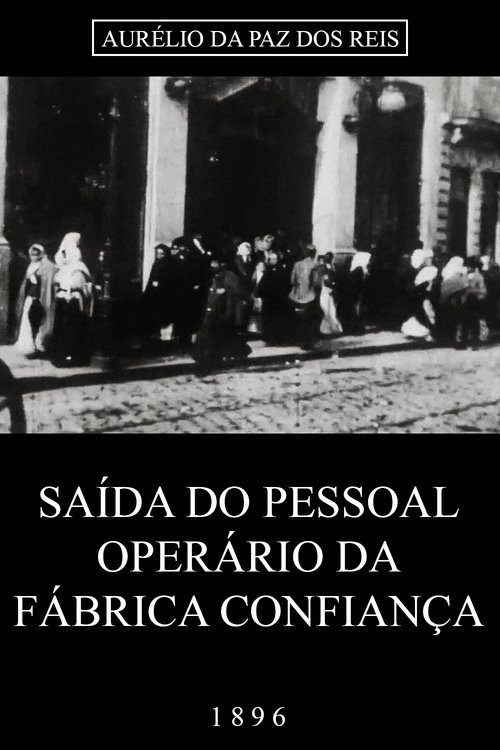
A large number of workers, mostly young women, leave by the front door of their work place at lunch time. The building has an impressive colonnaded facade, and is located at 181, Santa Catarine St., Porto - one of the city's main streets. A passengers' horse cart crosses from right to left of the screen, and a few seconds after an ox cart carrying merchandise crosses in the opposite direction. All the while, workers keep leaving the factory, giving a sense of a large work force.
A Berlin street scene.
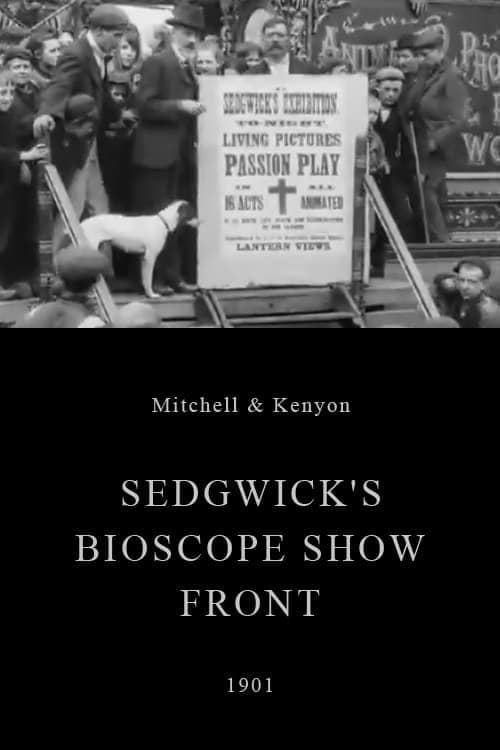
Outside a fairground cinematograph in Edwardian Lancashire.
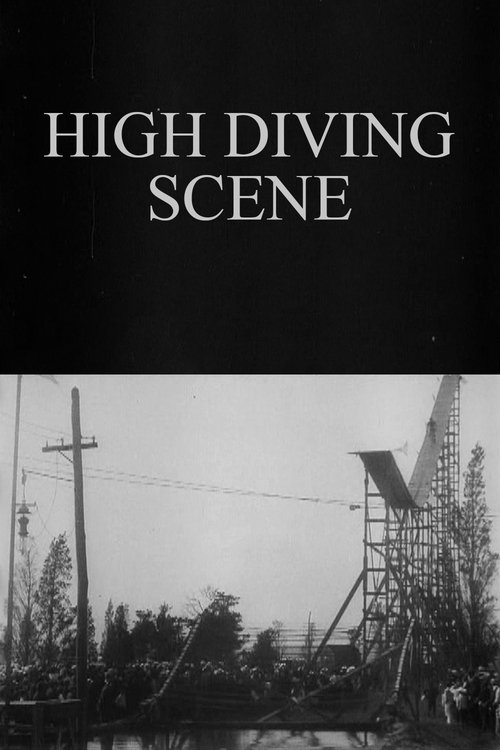
A daredevil rides his bicycle down a ramp and attempts to land in a pool of water as a crowd of spectators watches.
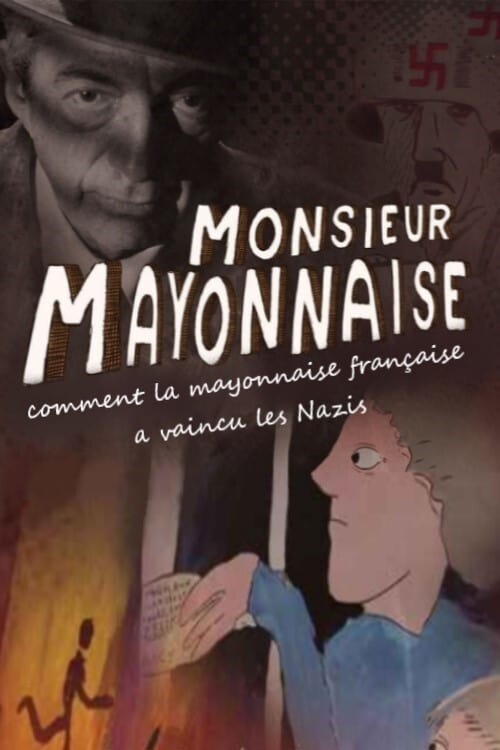
Artist and filmmaker Philippe Mora (Mad Dog Morgan; The Howling II; Swastika) is producing a graphic novel about his late father, Georges, widely known in Melbourne as a beloved contemporary art patron and owner of bohemian eateries Mirka Café, Café Balzac and the Tolarno Restaurant and Galleries. Less known, however, is Georges' astonishing history as part of the French resistance during World War II, his friendship with renowned mime Marcel Marceau (Philippe's godfather), and how together they saved thousands of Jewish lives with a fiendishly simple trick involving baguettes and mayonnaise.