“Leaving” follows a day in the life of two refugee women while listening to their story of fleeing war torn Congo. Juxtaposing daily life with their voices we are shown what they fought for and what they left behind.
$avy investigates the historical, cultural, and societal norms around women and money.
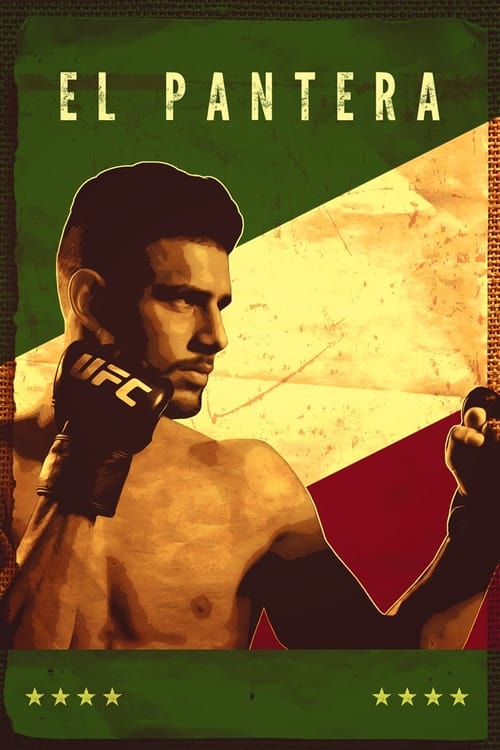
El Pantera is a documentary film that chronicles the rise of Mexican UFC star Yair Rodriguez as he strives to become the first ever Mexican born UFC champion.
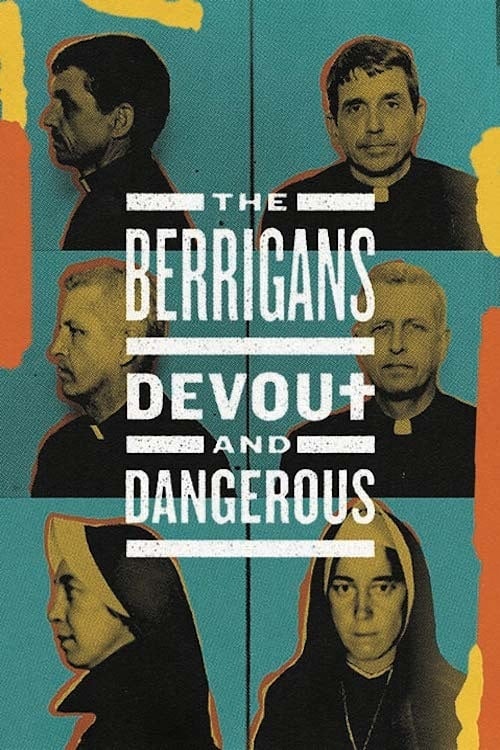
The Berrigan Brothers, Daniel and Philip were Catholic priests dedicated to non violent resistance of the violent policies of the United States government. They rose to prominence as outspoken opponents of the Vietnam War.
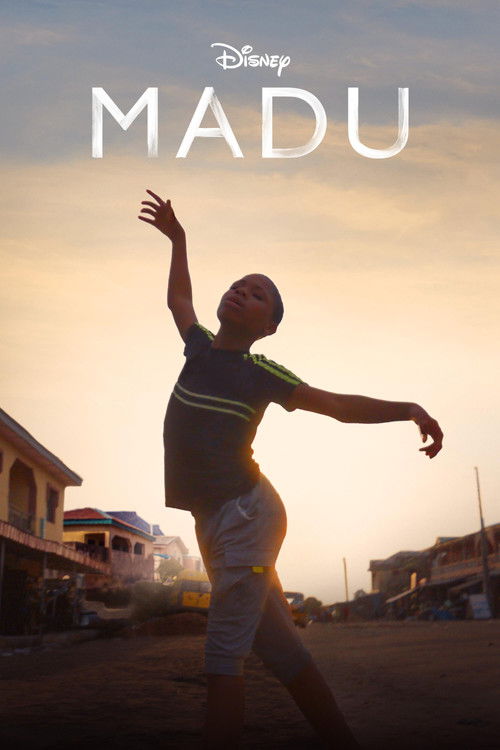
From practicing barefoot on the streets of Lagos to performing on stage in England, twelve year old Anthony Madu leaves his home in Nigeria to study at one of the most prestigious ballet schools in the world. Anthony, who had barely left his neighborhood in Lagos, finds himself thrust into a new world where his wildest dream is suddenly within reach. His journey is a story of extraordinary obstacles, courage, growth, and ultimately, his search for belonging.
A documentary film about trading security and stability for passion. A surprising number of small businesses and niche restaurants originate and thrive in the small college town of Provo, Utah. A senior capstone project at Brigham Young University.
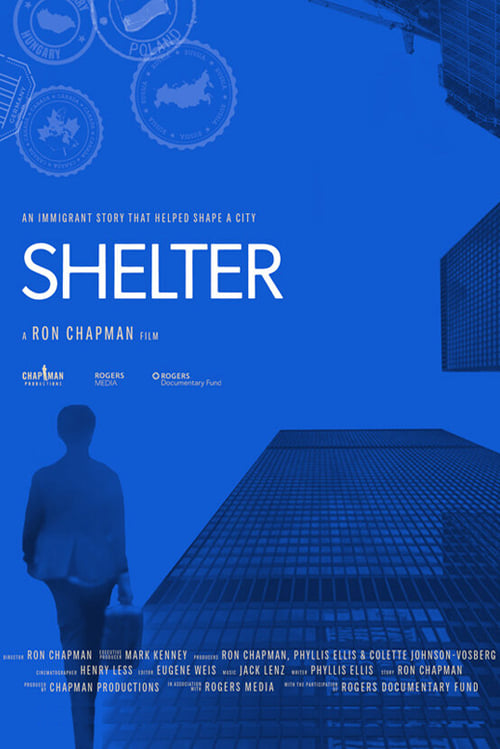
Fleeing religious persecution, resilient Jewish immigrants arrive in Toronto and begin building affordable, quality housing in a growing metropolis.
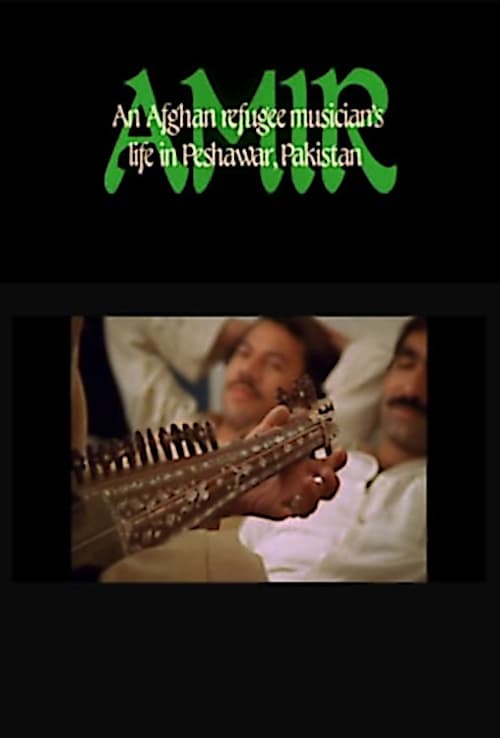
Amir, shot during the height of the Afghan civil war in the 1980s, investigates and portrays the life of Afghan refugees living in and around the city of Peshawar in northern Pakistan through the experiences of the musician Amir. The aspirations of Afghan refugees are expressed through their political songs dealing with the civil war in Afghanistan, with exile, with Afghan nationalism and with the Islamic revolution. In highly charged and tragic circumstances, music can be used in very direct ways, both to promote solidarity and as an agent of catharsis.
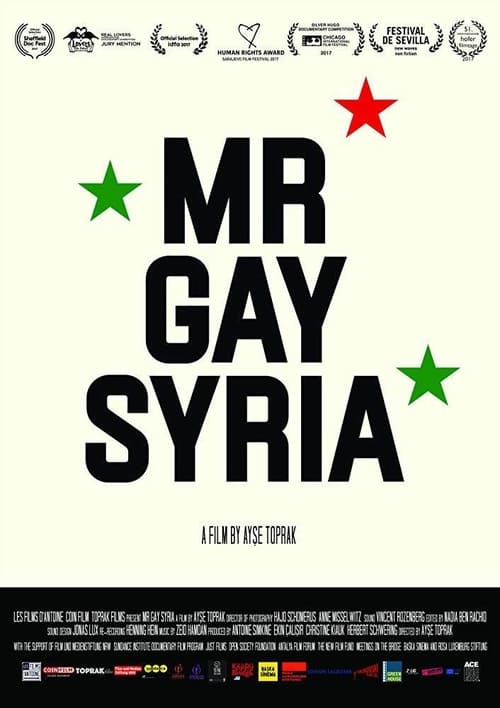
In focusing his attention on the competitors of Mr Gay Syria, director Ayse Toprak shatters the one-dimensional meaning of “refugee”. Using the pageant as a means of escape from political persecution, the organiser Mahmoud — already given asylum in Berlin — hopes to offer the winner a chance to travel as well as bring international attention to the life-threatening situations faced by LGBT Syrians.
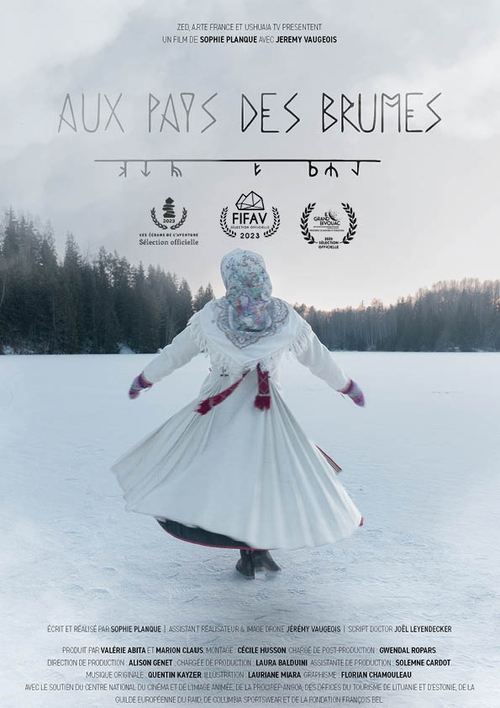
Does Europe also have its own animistic heritage, like Pachamama in South America and Shinto in Japan? If so, which one? In the Misty Lands, i.e. Estonia, Latvia and Lithuania, a sacred fire is lit on the winter solstice to celebrate the return of the sun and ancient beliefs that have been forgotten in the rest of Europe for thousands of years. Sophie Planque and Jérémy Vaugeois decided to take a journey on bicycles to experience the Baltic winter and meet the people who keep their ancestral culture alive. A unique heritage that reinforces a deep relationship with nature.
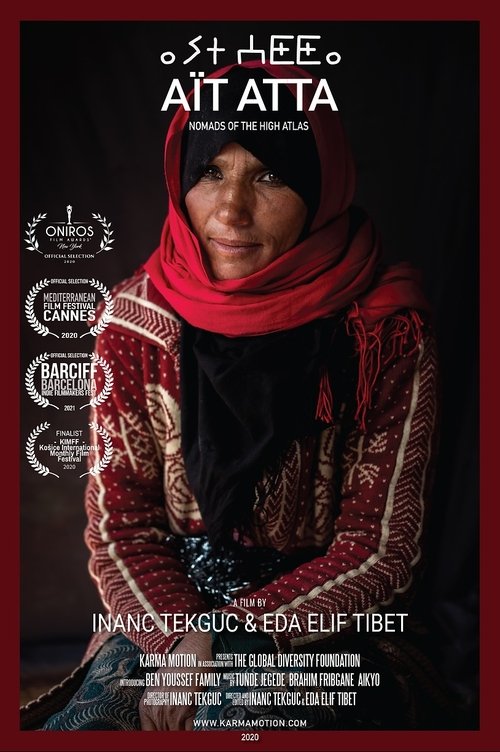
The Aït Atta tribe of the High Atlas mountain range in Morocco preserves their ancestral right of access to the agdal, a communal land management system that dates back hundreds of years. The film follows Ben Youssef family’s arduous transhumance journey from the desert-like landscape of Nkob to the green pastures of Agdal Igourdane, throughout uneven terrain of steep climbs and descents of these High Atlas mountains. They migrate each summer with their 800 goats, donkeys, mules, camels and dogs, as they embark on this formidable journey on foot.
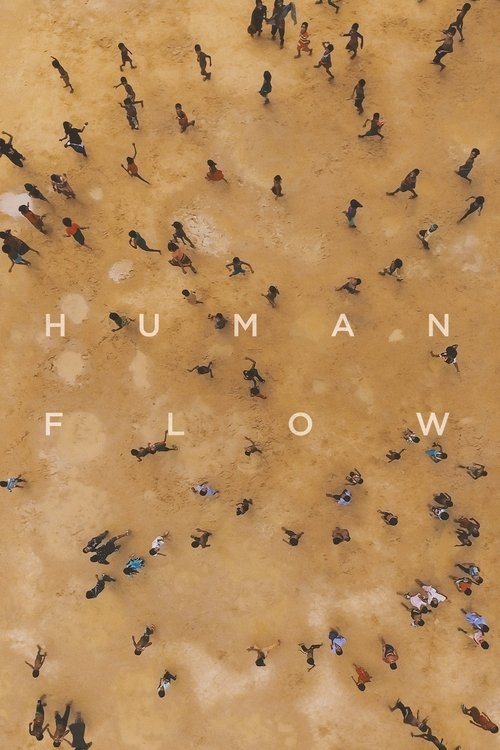
More than 65 million people around the world have been forced from their homes to escape famine, climate change and war, the greatest displacement since World War II. Filmmaker Ai Weiwei examines the staggering scale of the refugee crisis and its profoundly personal human impact. Over the course of one year in 23 countries, Weiwei follows a chain of urgent human stories that stretch across the globe, including Afghanistan, France, Greece, Germany and Iraq.
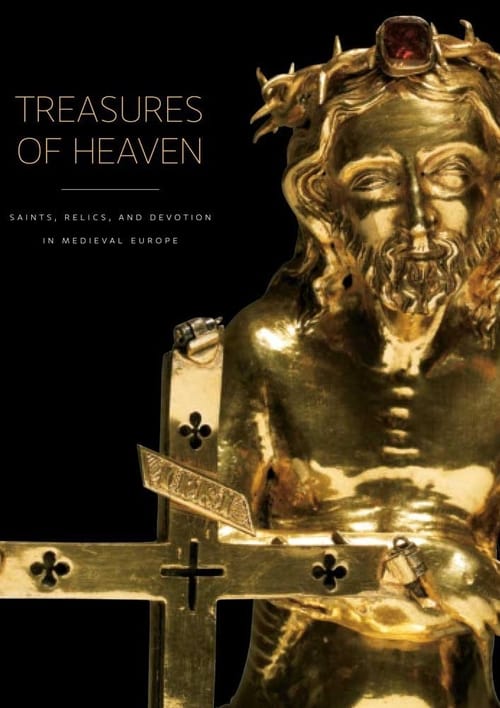
Andrew Graham-Dixon explores the ancient Christian practice of preserving holy relics and the largely forgotten art form that went with it, the reliquary. Fragments of bone or fabric placed inside a bejewelled shrine, a sculpted golden head or even a life-sized silver hand were, and still are, objects of religious devotion believed to have the power to work miracles. The documentary features interviews with art historian Sister Wendy Beckett and Neil MacGregor, director of the British Museum.
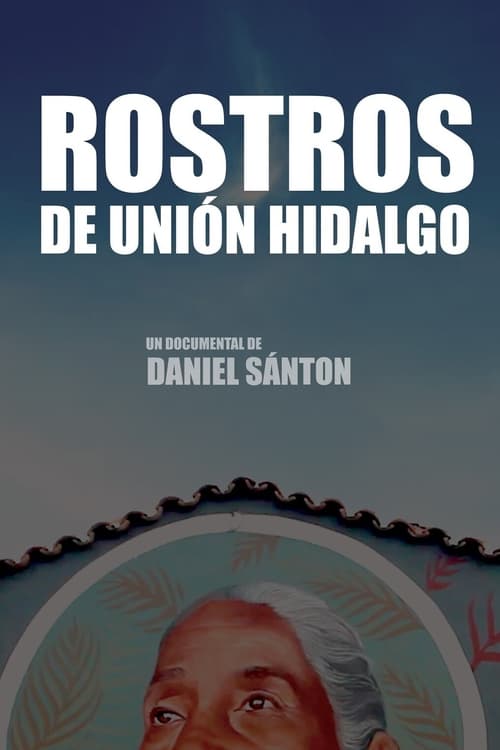
In Unión Hidalgo, Oaxaca, México, there is a group of people who pay homage to living characters in the community through urban murals, generating an identity that is reflected on the walls of traditional houses.
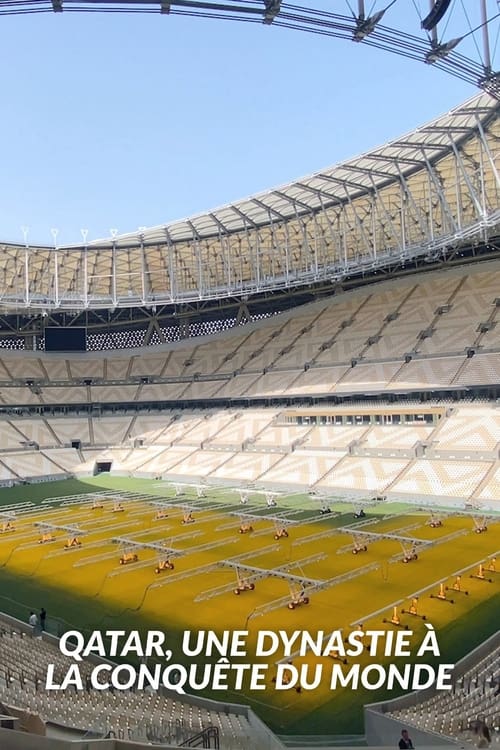
For three decades now, Qatar, this small desert kingdom, has not stopped being talked about; because of its financial power and the secrecy that surrounds it, the royal family that runs it fascinates as much as it frightens.
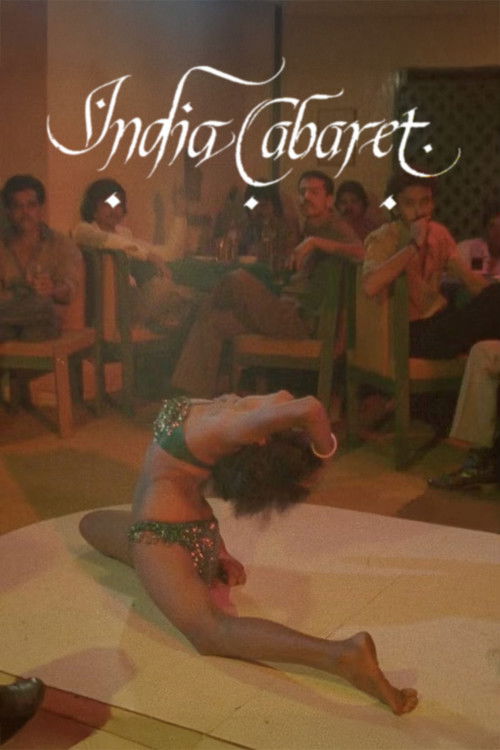
An exploration of the 'respectable' and 'immoral' stereotypes of women in Indian society told from the point of view of two striptease dancers in a Bombay cabaret.
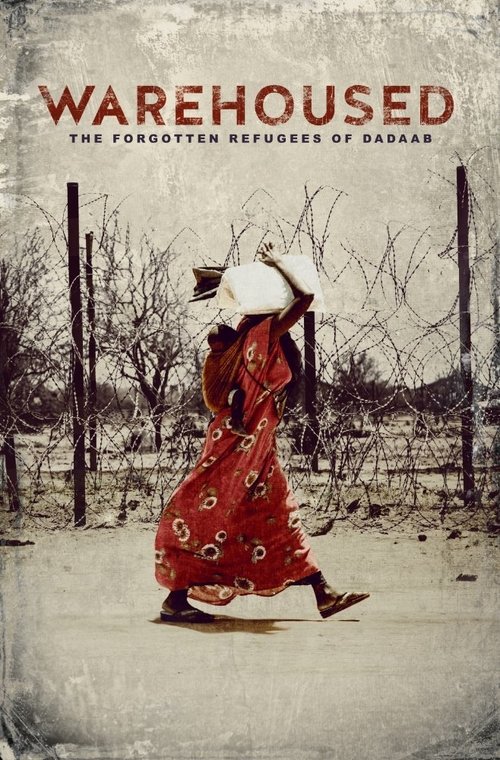
An estimated 12 million people live in refugee camps worldwide and only 0.1% are resettled, repatriated, or integrated into normal society each year. The feature-length documentary.
The story of five lesbian and gay seniors in the Northwest Florida region as they navigate coming out, identity, politics, and the challenges and victories inherent in the gay experience. The film weaves together interviews with fictionalized interludes of magical realism that capture their feelings and experiences.