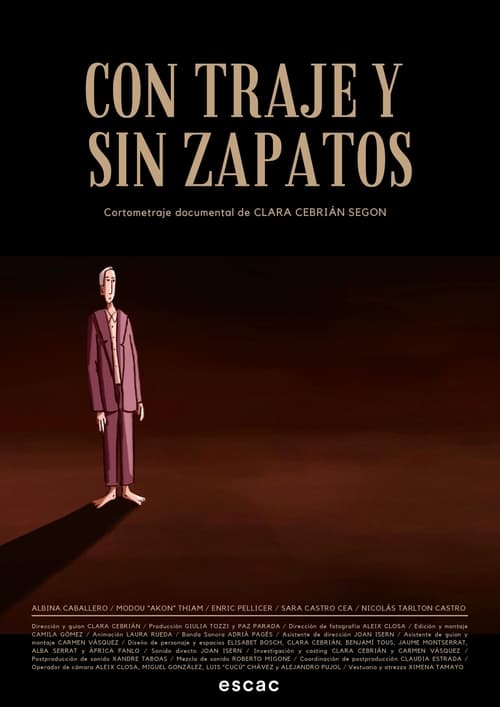
After collecting multiple records related to a painful family tragedy, Victor dives into the archive in search of answers about what really happened on January 26, 1983
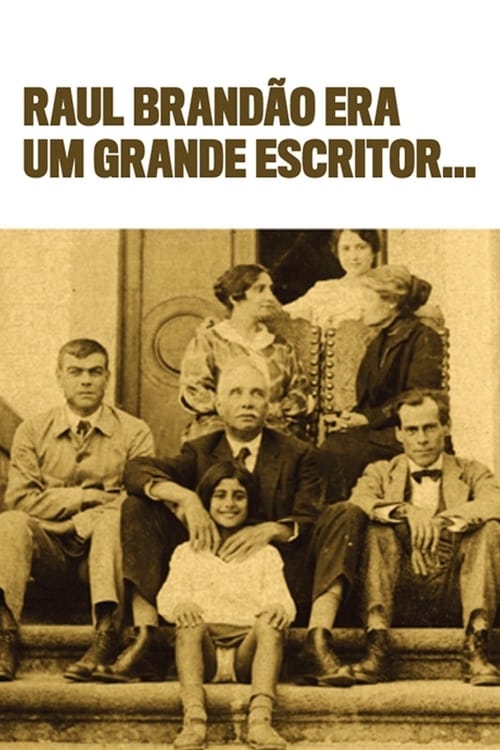
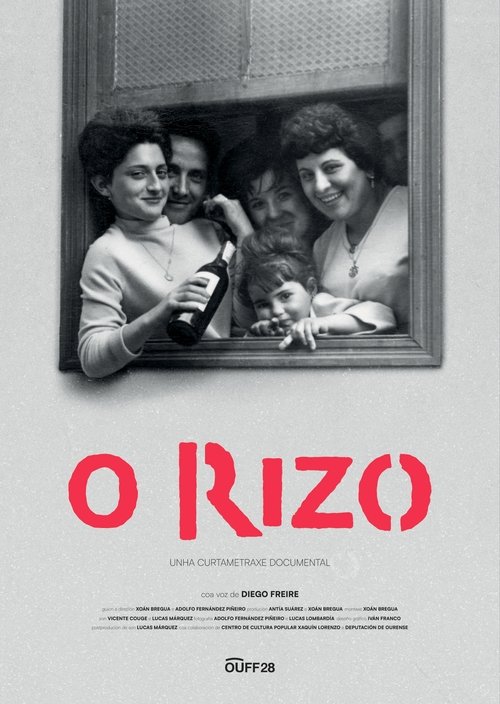
This film is an attempt to disclose if Raul Brandão has left any trace, in Nespereira, Gumarães.
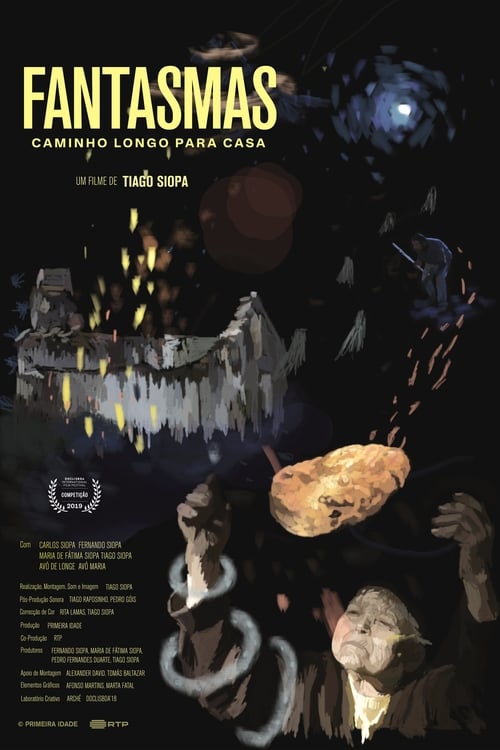
After a spell cast by Grandma Faraway, the oldest son of a small family encounters the ghost of his late Grandma Maria still living in her old house, and they chat as they used to.
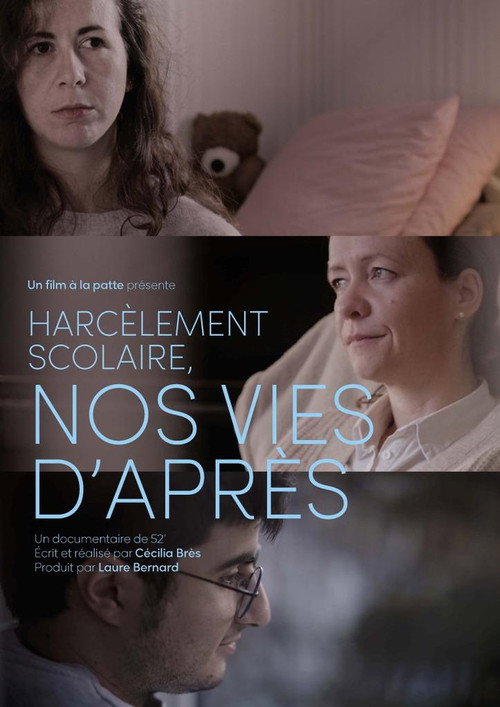
What if we changed viewpoints? "Bullying, our lives after" highlights the suffering of adults who were once bullied pupils. Ten, twenty or thirty years later, trauma is still present. Following Nathalie, Laurine and Samuel, this movie shows the long-term implications of bullying, pointing out a real failure of the educational institution and a major public health issue.
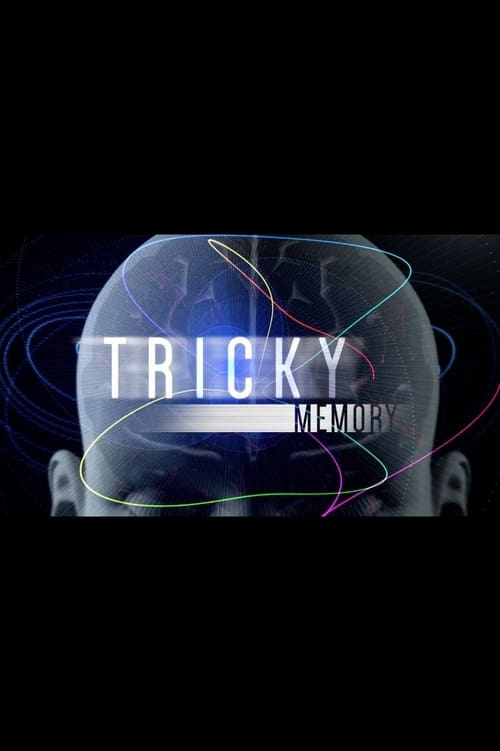
The lastest neuroscience discoveries show surprising results: false memories, distortion, modification, déjà vus. Our memory is affected in many ways, and deceives us every day. The very fact of recalling souvenirs modifies them. The everyday consequences are manyfold. To what extent can we rely on our souvenirs? How much credit can we give them during trials? Even more shocking, scientists have proved to be able to manipulate our memory: creating artificial souvenirs, deleting, emphasizing or restoring them on demand.
Can you remember what you were doing on 15th March 2003? Or what the weather was like on 30th May 2007? Twenty-year-old British student Aurelien can. He is one of a handful of people in the world baffling scientists with their ability to recall an incredible amount of their lives. This remarkable documentary explores the recently discovered phenomenon known as superior autobiographical memory.
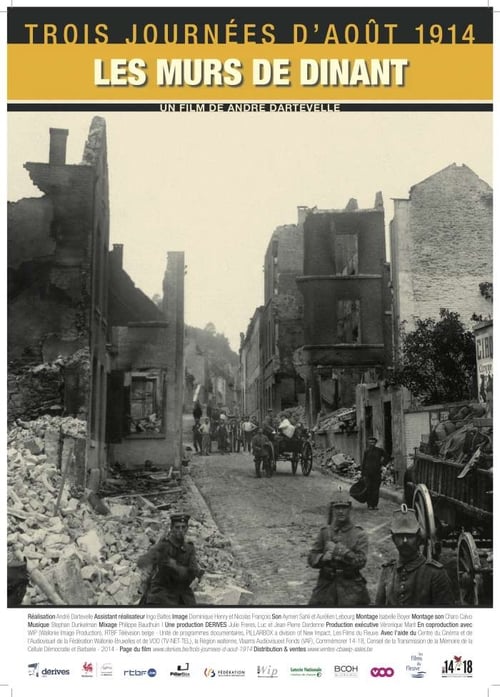
Documentary on the atrocities the germans committed at the start of WW I in Dinant.
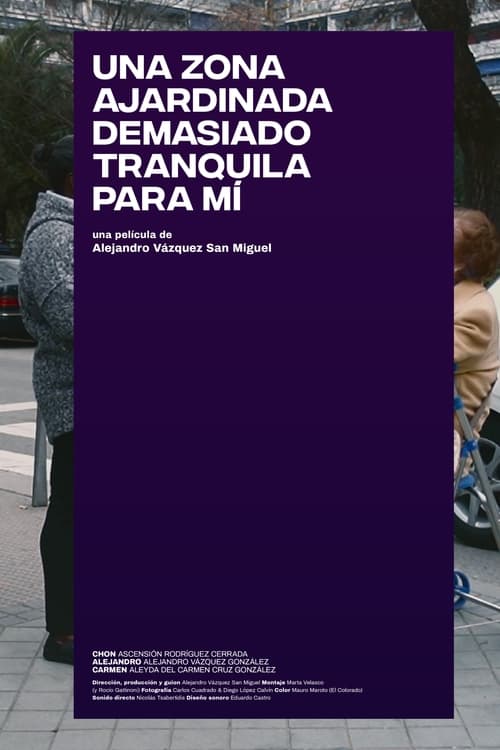
Memory prevents rest and a woman about to die takes advantage of cinema to tell her story (inseparable from that of Franco’s Spain) and to say goodbye. A terrace as a border and a song that crosses time. At home, nothing is always—and everything is still—in the present and defunct now. A home movie of ghosts, a generous gesture of intimacy and solidarity that not witnesses two people at the end of their long lives, but also reveals the weight of history and of the 20th century, which is always present today.
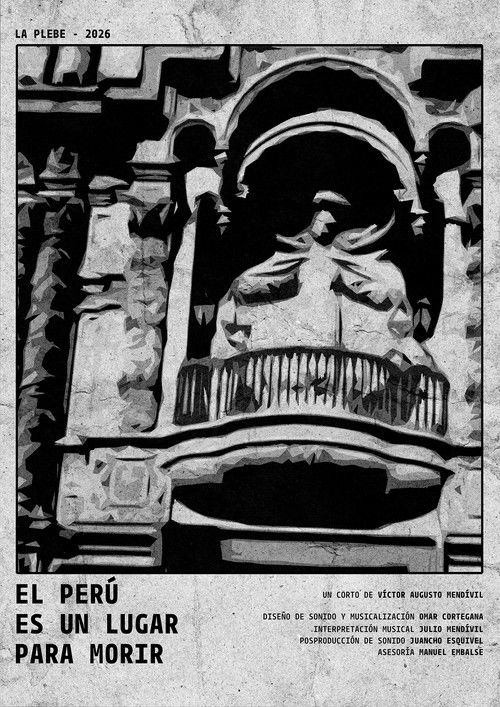
Using footage filmed in Peru in 1950 by a foreigner, Víctor writes a letter to his son to question the country he will inherit: among heartbeats and ruins, he searches for a hope that still endures amid disillusionment.
January 2011 : the revolution bursts in Tunisia, my father’s country. The Tunisian people scream in a rage and I, here in Paris, can feel their revolt vibrating in my heart.
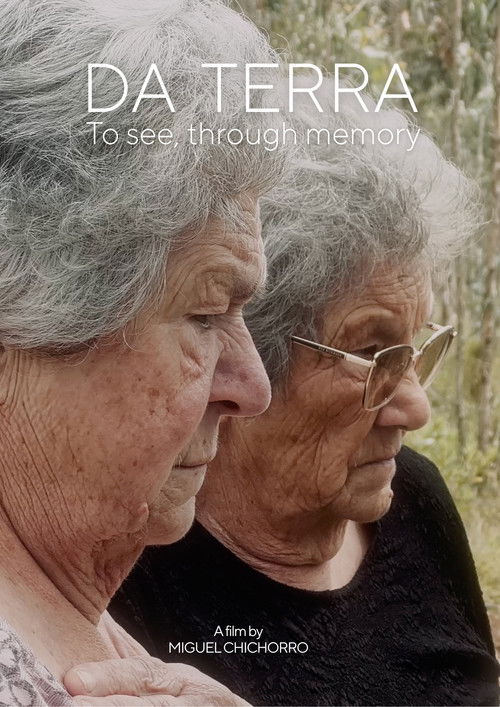
Emília Pedro e Fernanda Jorge revisit childhood memories to identify over 70 land parcels inherited from their father. As physical traces fade, memory and oral tradition become the only way to 'see' what is no longer visible.
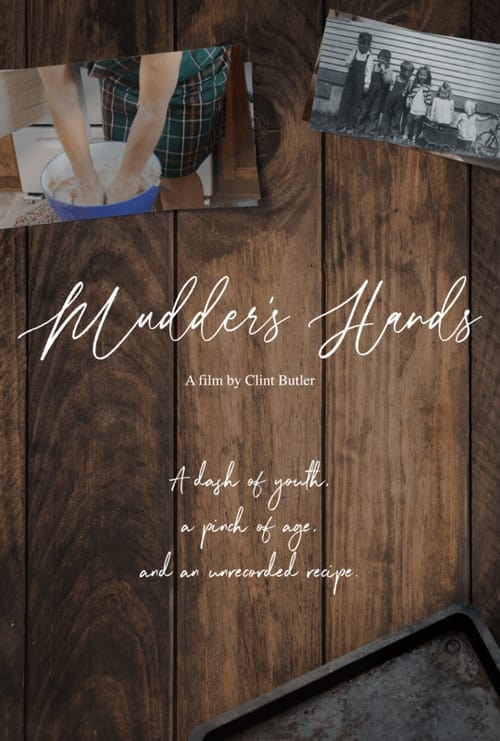
A dash of youth, a pinch of age, and an unrecorded recipe: Mudder's Hands is a charming documentary conversation about arthritis, centered around the tradition of baking Newfoundland raisin bread.
A documentary about the sea and memory. Its movement is its form. Its strength.
Jonathan Stavleu explores, in a stream-of-consciousness video essay, the relationship people have with water and what happens when access to it is taken away. For this work, he examines anecdotal histories he has heard from Estonians, as well as stories from his own family history in the Netherlands, weaving them together into a journal-like narrative.
Three men from the past cross into the present to reveal the invisible marks of Brazilian history. Between memory, fantasy, and poetry, The Secret Life of My Three Men proposes a reckoning with the violence that shaped us and the possibility of another future.
This film is a poetic composition of recorded history and non-recorded memory. Filmmaker Rea Tajiri’s family was among the 120,000 Japanese and Japanese Americans who were imprisoned in internment camps after the attack on Pearl Harbor. And like so many who were in the camps, Tajiri’s family wrapped their memories of that experience in a shroud of silence and forgetting. This film raises questions about collective history – questions that prompt Tajiri to daringly re-imagine and re-create what has been stolen and what has been lost.