Kees suffers from Parkinson's disease. This puts pressure on his relationship with his beloved Carmen. If a cure is not forthcoming, an almost inhuman, devilish dilemma presents itself.
Kees Rijninks
as Self
Carmen Cobos
Filmmaker Jonathan Caouette's documentary on growing up with his schizophrenic mother -- a mixture of snapshots, Super-8, answering machine messages, video diaries, early short films, and more -- culled from 19 years of his life.
Ricardo, Natalia's father, suffers from Parkinson's disease; in that condition he stopped producing Dopamine. Surviving a very strong family crisis, Natalia told them her sexual orientation. She does not understand why after being left-wing militants and fighting for equality and freedom, they could not accept her choice.
Jack is a vegan activist. His father is a slaughterhouse worker. After years of avoiding the subject, Jack sets out to confront the unspoken tension between them.
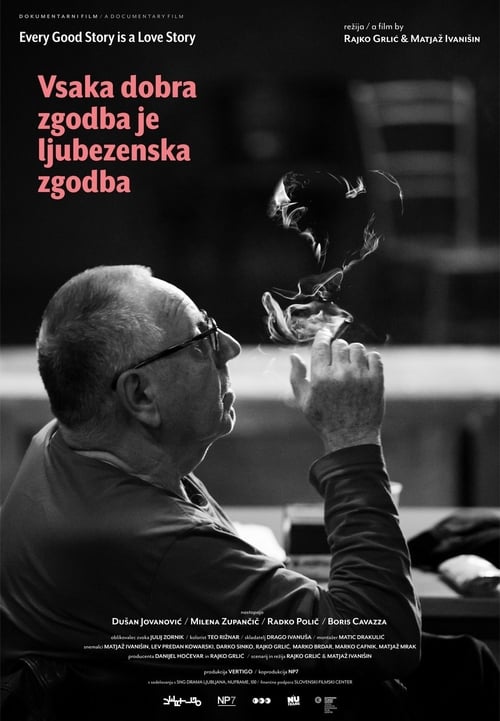
A film about a theatre performance and four very notable people behind it: writer and director D. Jovanović, actress M. Zupančič and actors R. Polič and B. Cavazza. This is a story of a love triangle and of a multi-layered, entirely overt intertwining of protagonists’ public artistic personas and their personal lives. The film documents a 4-month process of the making of a theatre piece from the first rehearsal to the opening night, at the same time uncovering the intimate lives of the artists and telling a universal story of the relationship between the real and the imagined, a story of personal and public perceptions of art.
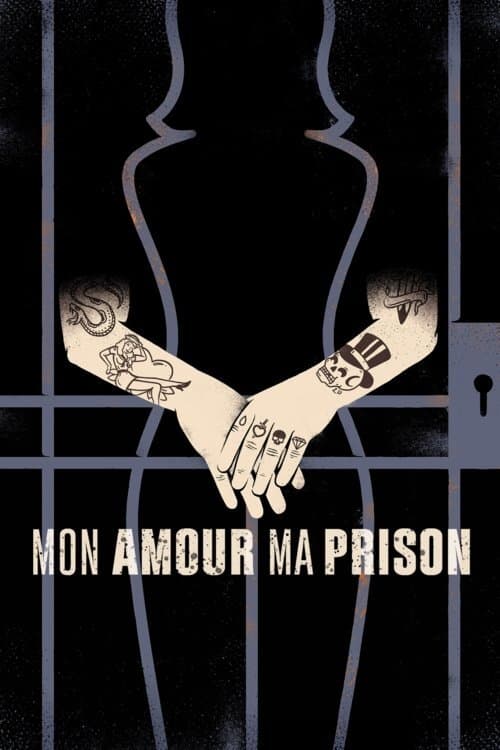
Every year, hundreds of women develop relationships with prisoners. They fall under the charms of killers, petty criminals, rapists and crooks. Most only share a few letters, but some make it all the way to the altar. It is hard to understand what these women expect from a relationship with a convict with a long prison sentence. This documentary takes a look at their lives and the reasons that make them pursue a relationship with a criminal.
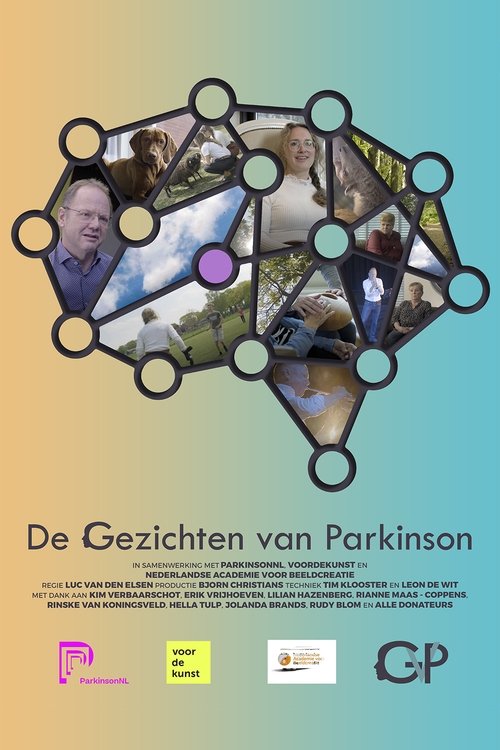
The Faces of Parkinson shows the people who suffer from Parkinson's disease and the impact it made on their life and people around and close to them. As it also asks the question how one continues to stay positive with such a destructive disease.
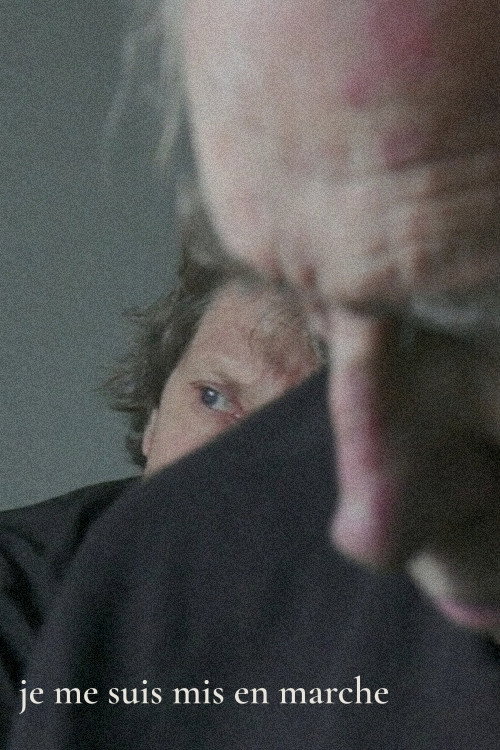
In the 1980s, writer, poet, radio personality and football enthusiast Franck Venaille is diagnosed with Parkinson's disease. He decides to travel the length of the Scheldt river, to dip his hands in its source, and brings back the long epic poem La Descente de l'Escaut. Today, the disease has progressed, but Venaille still spends much of his time working in the study where he wrote the text. Je me suis en marche is both a road movie weaving together the poem, Venaille now and during his journey, and a documentary adaptation of the epic odyssey of a sick man retracing a river across 450 kilometres.
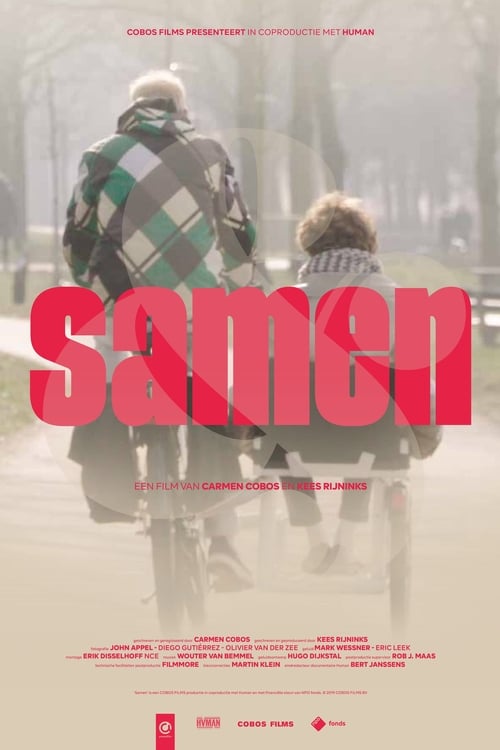
When producer Kees Rijninks, the husband of filmmaker Carmen Cobos, is diagnosed with Parkinson's disease, their world is falling apart. Yet after months of sadness, anger and denial, it appears that they have sufficient resilience to find a new balance in their lives. In TOGETHER they follow for a year a group of incurably ill patients, their partners and their neurologist to find an answer to the question how people deal with the knowledge that they are incurably ill. Do they find the resilience to give their lives a positive meaning in hopeless circumstances?
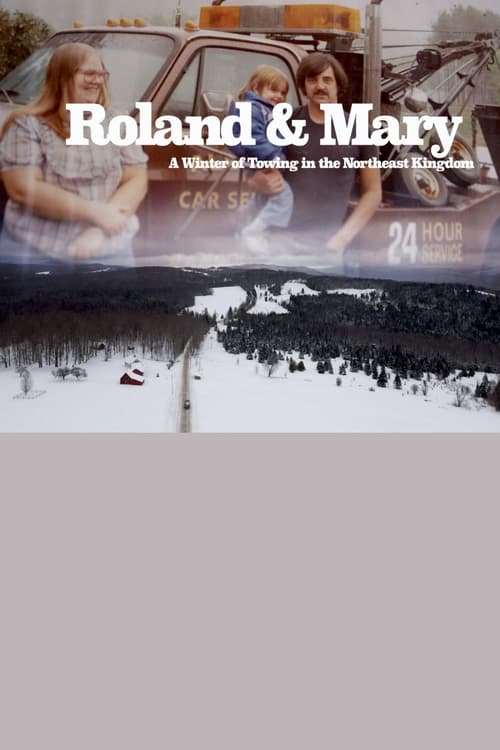
The couple behind a legendary Vermont towing company reflect on their career and relationship.
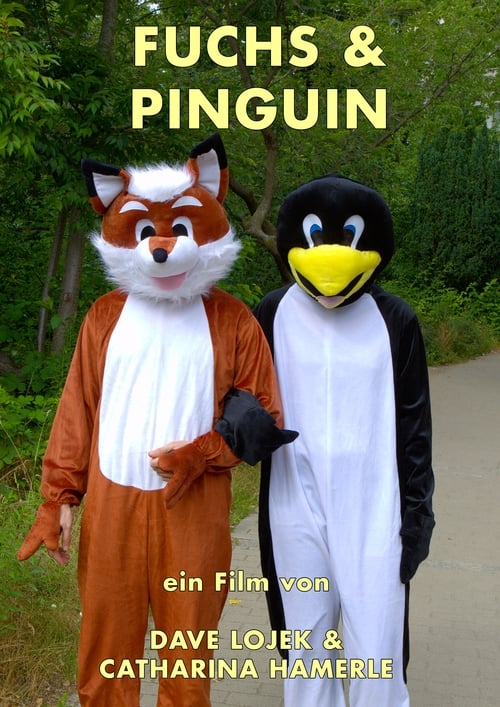
How do German couples communicate in private? What are they arguing about? Is the way to a man’s heart really through his stomach? This docu-fictional hybrid production discusses such questions with the help of authentic interview snippets that were edited under the staged plot. We get an insight into the life of an animal couple, who experience typical everyday situations on behalf of us humans. At first, our fox is emotionally contained, while the penguin lady may get wild as hell. With a wink, the filmmakers hold up a mirror to the audience in the cinema.
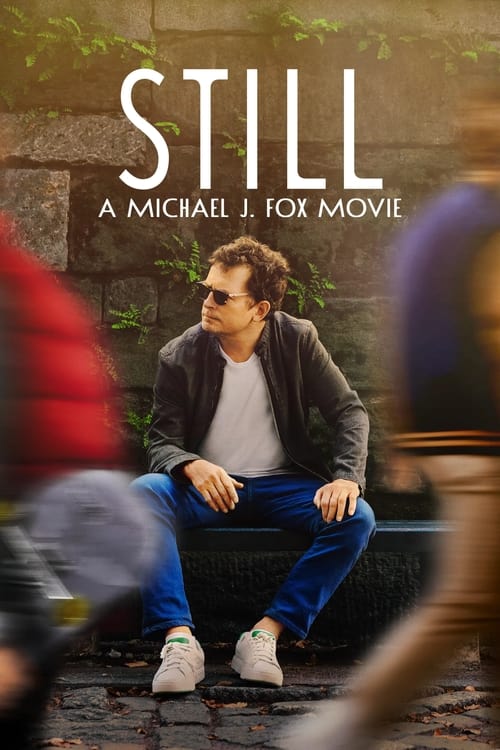
A short kid from a Canadian army base becomes the international pop culture darling of the 1980s—only to find the course of his life altered by a stunning diagnosis. What happens when an incurable optimist confronts an incurable disease?
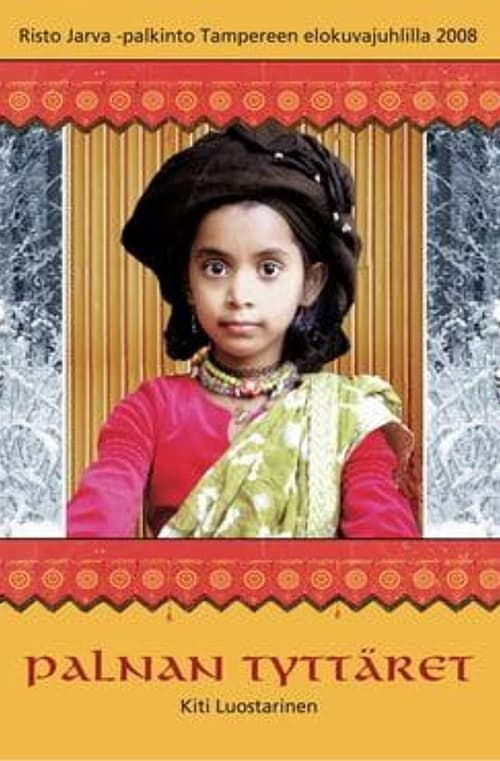
A film about memory, identity and the overwhelming power of love. One-year-old Devi was found starving at a railway station in Delhi. The police took her to Palna, an orphanage, where she lived for a year. When Devi learned to talk she often wanted to talk about Amma, her first mother. In the film, the 6-year-old Devi journeys to her own past, as her family adopts another daughter from Palna, a baby sister for Devi.
Award-winning French writer Christine Angot goes on a business trip to Strasbourg where her father lived before dying several years ago. It is the city where she met him for the first time at the age of 13, and where he sexually abused her over the following years. His wife and children still live there. Angot takes a camera and knocks on the doors of her family to push them to clarify their attitudes to her father’s crime that stretched over so many years. A cinematographic journey that challenges social norms and family perspectives in dealing with incest.
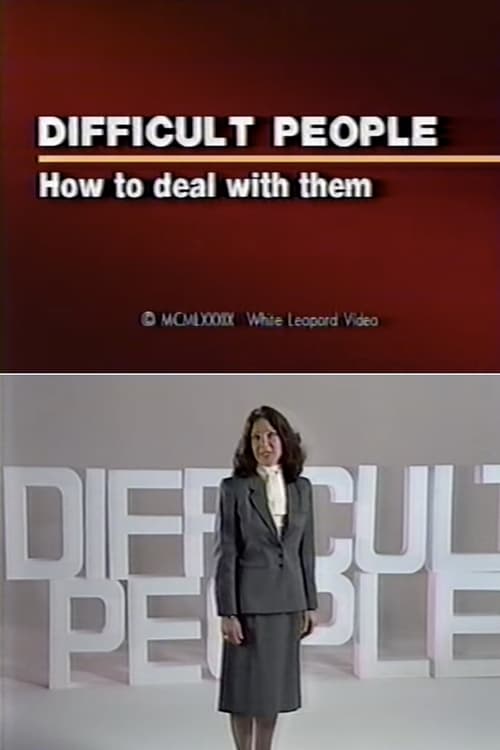
An overview on different difficult personality types and how to deal with them in personal and professional settings.
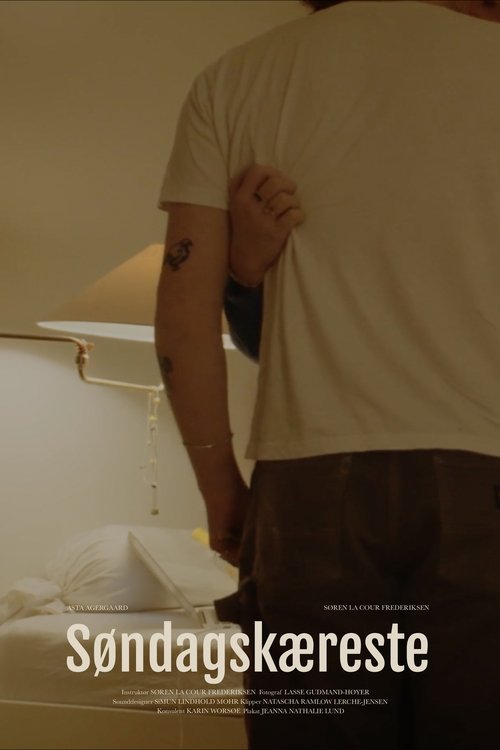
Asta and Søren are not a couple. They're not friends with benefits either, and they’re definitely not pen pals with benefits. So, at the end of the day, what are they? With a single camera setup, the viewer is given access to a private space.