Amélie Triboulard
as Vaso
Maximiliano Reyes
as Patinador/Patineta
Francisco Romero Valenzuela
as Camarógrafo
Vicente Tasso
as Claqueta
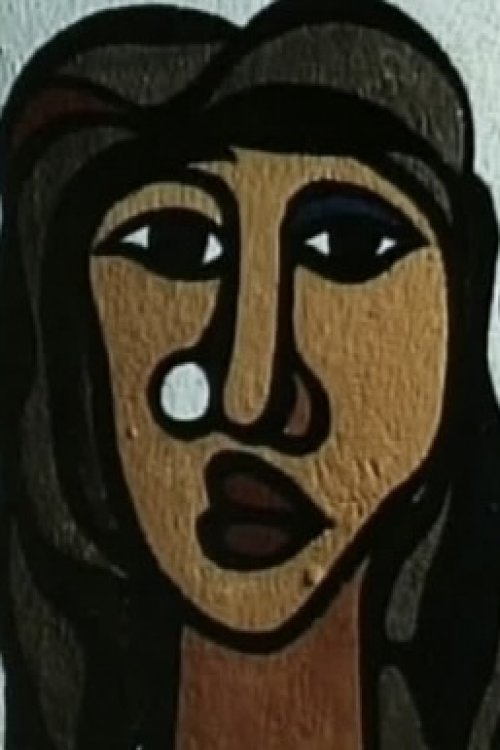
This short animation collage uncovers the financial backing of the Chilean Junta bosses by the US. Screened at the 1976 Oberhausen Int. Film Festival.
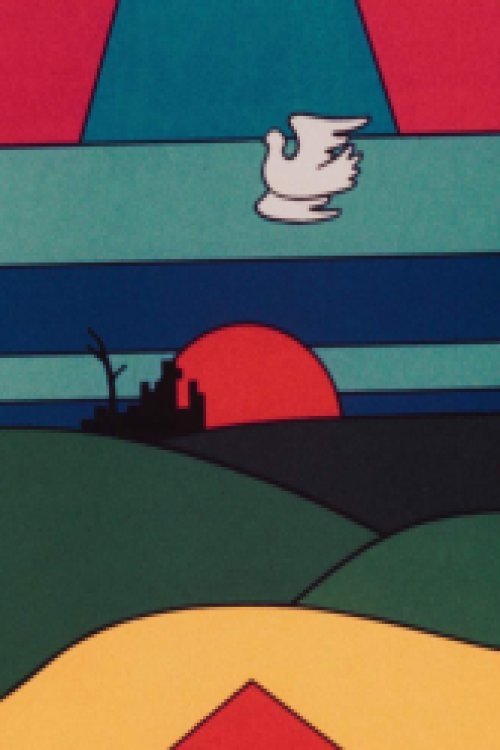
Artists in exile make visible the solidarity with Chile in the wake of 11 September 1973: a celebration of colours and shapes in opposition to the dictatorship.
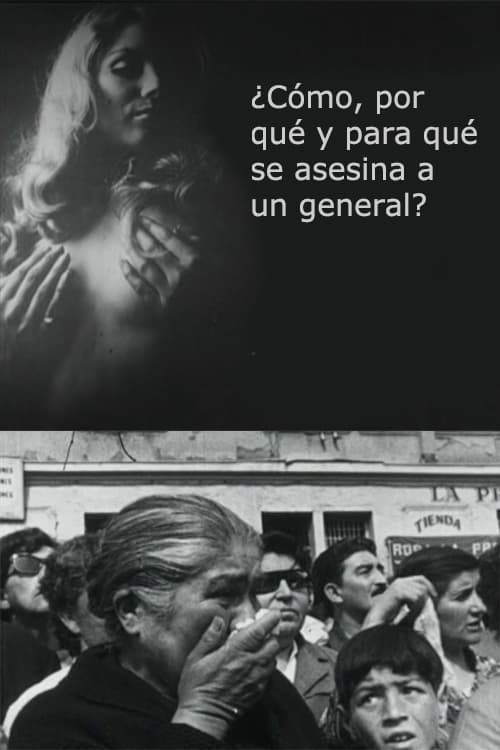
Documentary short about the death of Chilean general René Schneider by the CIA, following the election of Salvador Allende as president of the nation.
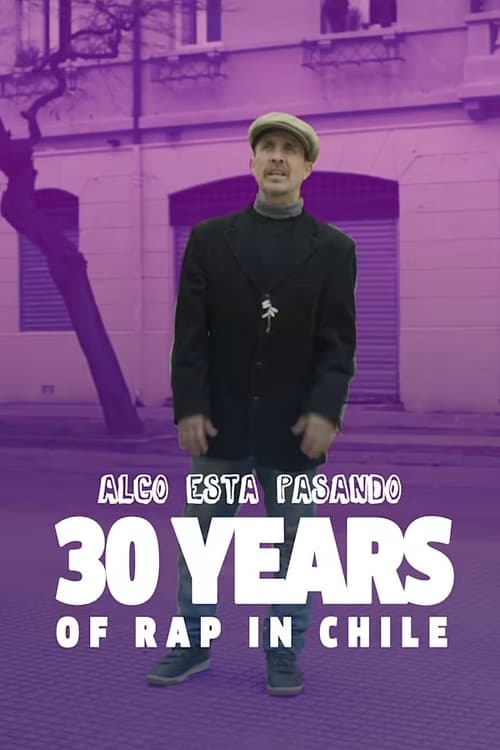
1988 marked the year in which the debut album of the Chilean band De Kiruza - Oficial was released, where the single "Algo está pasando" stood out, the first Chilean rap recording.
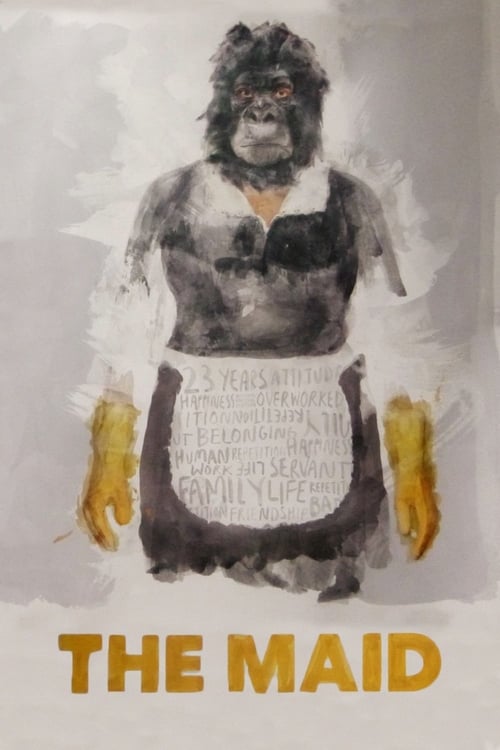
Raquel has been the live-in housekeeper for a kind, reasonably wealthy family for half her life, and the joyless repetition of the job has begun to take its toll. Increasingly dependent on painkillers, Raquel resorts to pranks and childish avoidance to antagonize the family’s college-age daughter and a procession of new servants, all in the hopes of protecting her precarious power within the home. Her antics successfully push everyone away, until new maid Lucy actually pushes back.
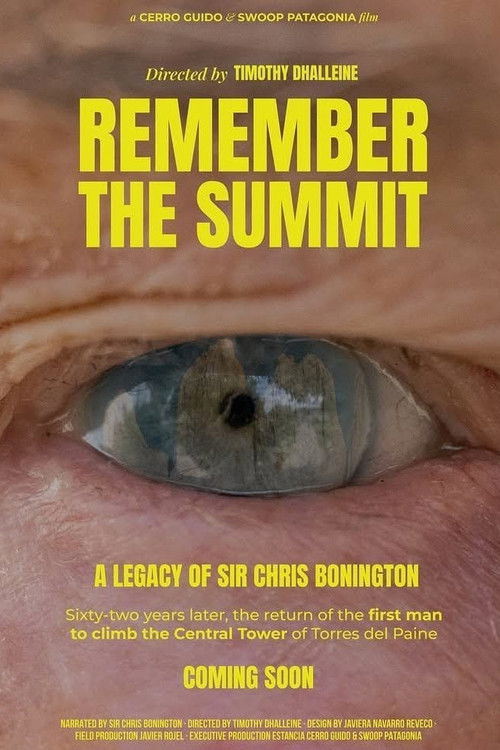
Sir Chris Bonington’s return to Torres del Paine, 62 years after the first ascent of the Central Tower. At 91 years old, and while living with Alzheimer’s disease, the documentary accompanies Bonington in a profoundly human return: an attempt to reconnect with memories that time has erased, but that the Patagonian landscape still seems to guard. During the filming, Chris once again set foot on the territory of Estancia Cerro Guido, closing a circle between past and present, between the epic of mountaineering and the fragility of memory.
Images of Argentinian companies and factories in the first light of day, seen from the inside of a car, while the director reads out documents in voiceover that reveals the collusion of the same concerns in the military dictatorship’s terror.
When everyone is supposed to be celebrating the arrival of a new year, the Chilean director Cristobal Valenzuela takes to the streets of Santiago to give voice to another facet, less colorful and festive, undoubtedly invisible, of this eve. Lonely pedestrians who roam the streets of the city inhabit the frame of a handheld camera that allows them to express themselves. Comments of hopelessness and tiredness, contrasting with the sky lit by fireworks, give us a glimpse to that other social image.
Report on the town of San Pedro which exists in the middle of the desert and at over 2,430 meters above sea level. It also deals with the work of priest Gustavo Le Paige and the museum he helped develop.
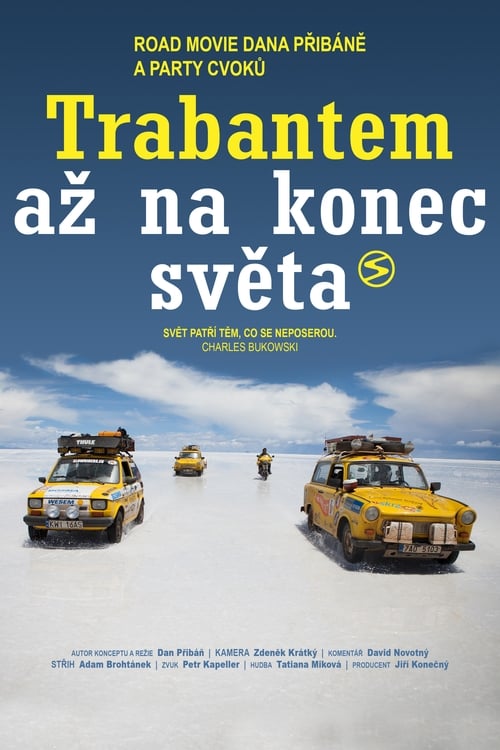
The third installment in Dan Přibáň's series of travel documentaries describes the author's journey with his friends across South America in vehicles that are often notorious but cult in their own way. The charming dynamics of the group on screen are further enhanced by the high-quality craftsmanship.
During a protest, French priest André Jarlan was shot and killed on September 4, 1984, in the La Victoria neighborhood of Santiago. The residents arrived on foot to the Cathedral demanding justice, also offering a testimony of love and solidarity with their pastor. In parallel, the documentary tells the story of the 1957 occupation that gave rise to the town. It also reveals the strong organization of the residents, essential in addressing the economic hardship and repression suffered by one of the main popular bastions of opposition to the military dictatorship. Pierre Dubois, the parish priest of La Victoria, played a leading role in the attempt to stop the violence against the residents of the town. In recognition of his work, he was granted Chilean nationality in 2001.
When a retiring assassin realizes that he is the target of a hit, he winds up back in the game going head to head with a gang of younger, ruthless killers.
A documentary on the rise and fall of Project Cybersyn, an attempt at a computer-managed centralized economy undertaken in Chile during the presidency of Salvador Allende.
A Chilean woman, Teresa, comes into a firmly structured and isolated mountain community of Croatian shepherds in the early 20th century, claiming to be the widow of their émigré brother. Her arrival changes the dynamics between the members of the community and brings unrest, but also inspiration for other women.
A political activist is convinced that her guest is a man who once tortured her for the government.
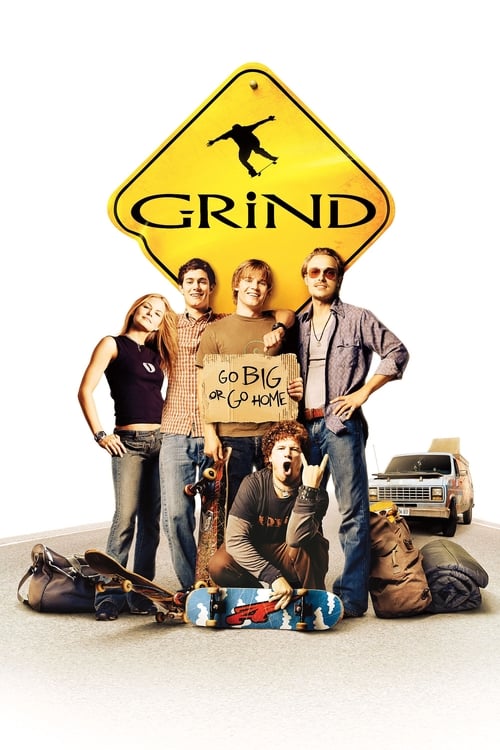
Four skaters follow their idol on his summer tour in an attempt to get noticed, get sponsored, and become stars themselves.
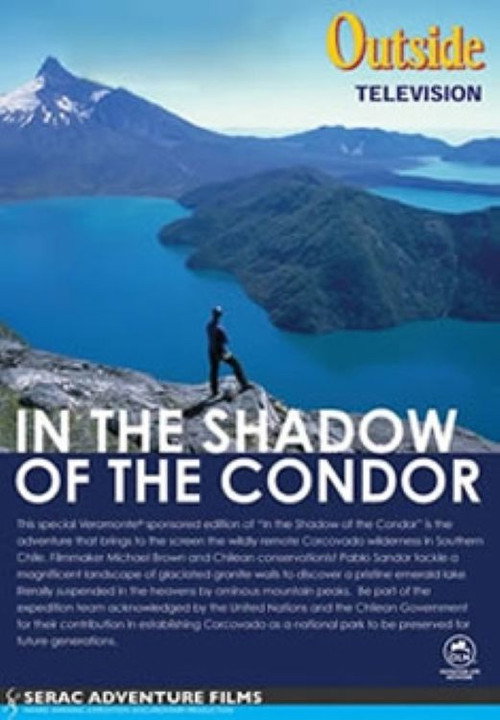
In the Shadow of the Condor documents an expedition in January of 2002 into the spectacular pristine Corcovado wilderness in Southern Chile.
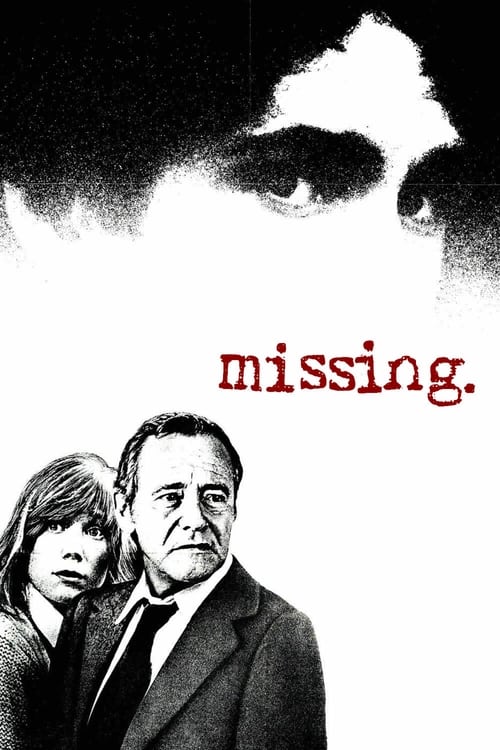
Based on the real-life experiences of Ed Horman. A conservative American businessman travels to Chile to investigate the sudden disappearance of his son after a military takeover. Accompanied by his son's wife he uncovers a trail of cover-ups that implicate the US State department which supports the dictatorship.