Cecillie Østerby Rasmussen
as Cecillie Østerby Rasmussen
Óli Jákup Johannessen
as Óli Jákup Johannessen
Viktor Örn Ingvarsson
as Viktor Örn Ingvarsson
Magnus Valls-Sjøstrand
as Magnus Valls-Sjøstrand
Mille Weng Andersson
as Mille Weng Andersson
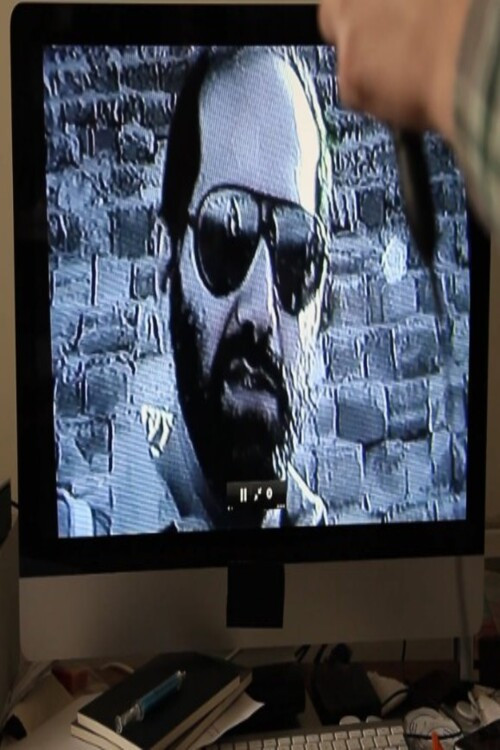
After the making of my previous film (PLAY DEAD!), some unfinished business remained on my desktop. Home movies and various body horror films from my childhood cluttered my computer screen. Part medical treatise, part self-anamnesis, and a mashup tinged with nostalgia, this video essay returns the images emanating from my computer screen to the everyday gaze of a diabetic.
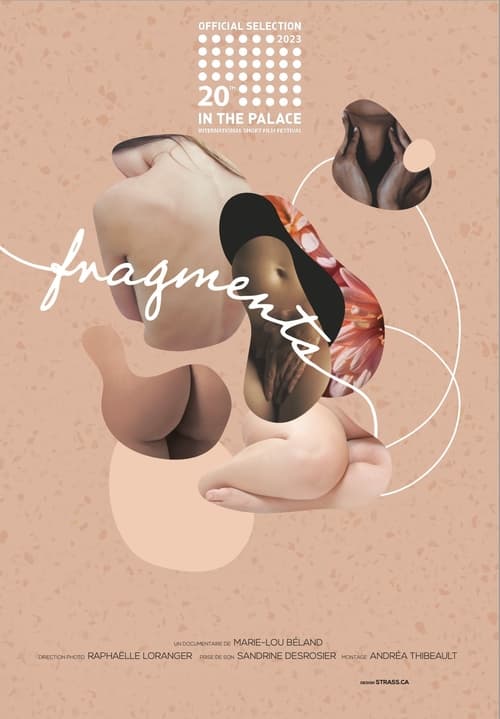
Women’s voices rise to deliver testimonies of victims of sexual violence. By reconstructing a story with these fragments of experience, a societal portrait is painted throughout the documentary. Like a mosaic, the pieces stick together to build a unique story that could belong to any human.
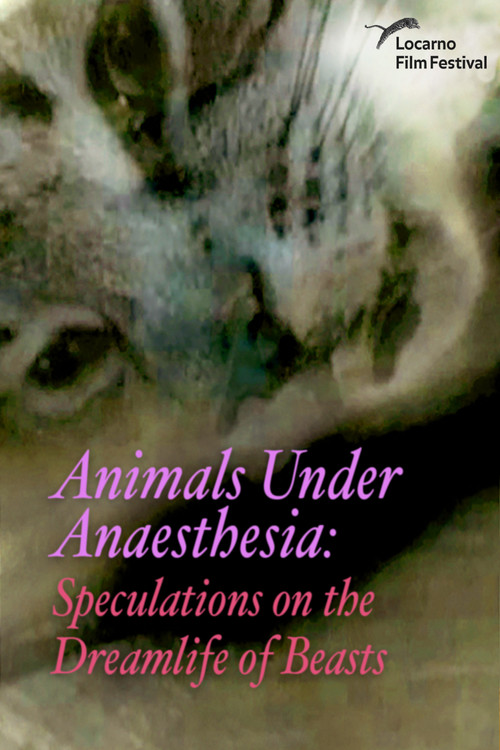
Part lyrical document, part farce, Animals Under Anaesthesia: Speculations On the Dreamlife of Beasts explores the imaginary unconscious minds of animals. Images of sex, death and the natural world are made manifest in the murky and disquieting dreams of a dog, a cat, a pig and a rabbit.
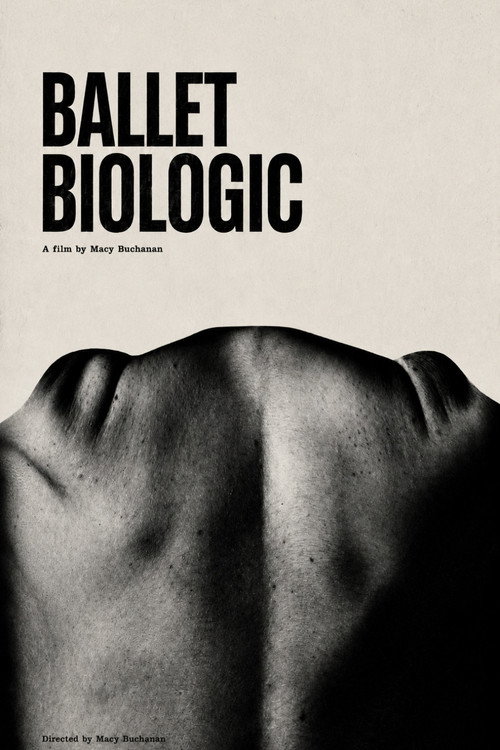
Inspired by Ballet Mécanique, Ballet Biologic is an experimental triptych exploring the body through movement, physical painting and spoken testimony. Made alongside three physical paintings and exhibited at LJMU’s Umwelt exhibition at Bridewell Studios in Liverpool, the project turns vulnerability into rhythm, image and reclamation.
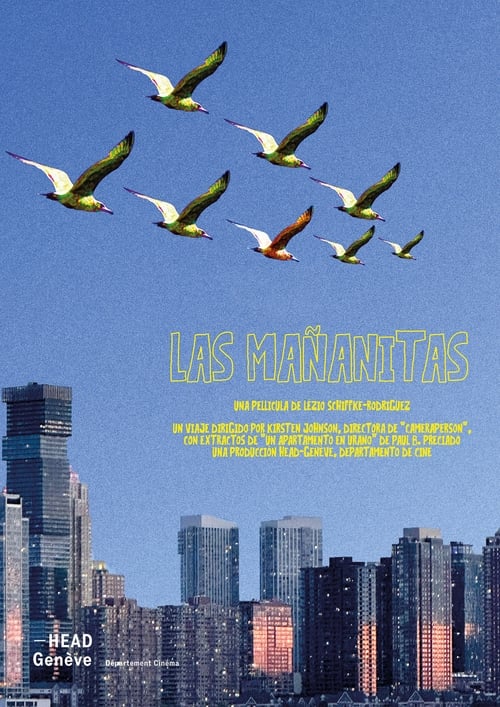
Writing a letter to Paul B. Preciado, trans philosopher and filmmaker, as one would write to a friend. Undertake a healing process as a queer child growing up in a Spanish evangelical family. From Lausanne to New York, Lézio Schiffke-Rodriguez follows in the footsteps of revolutions that invite us to redefine our vision of binary bodies.
Five portraits of artists discuss narratives that reflect how queer and trans creatives understand themselves, their histories, and their representation in relation to environment and landscape, created with care-led practices of audiovisual archive remixes, interviews and collaborative performances. These interventions weave through each artist’s practice in photography, spoken word, performance, sculpture and music, moving towards an expansive language of BODY(s) and LAND(s).
"Barriers" is a documentary in which three women over 60 and a group of young women participate in a game that exposes the prejudices surrounding sexuality in later life. Through these letters, the young women ask the older women about their intimate lives. This creates a space that sheds light on both the taboos and the discomfort that persist around the topic. A space open to silence and deep conversations. At the same time, we discover the stories that characterize these social figures.
A festival of digestion on many scales, from planetary to microbial.
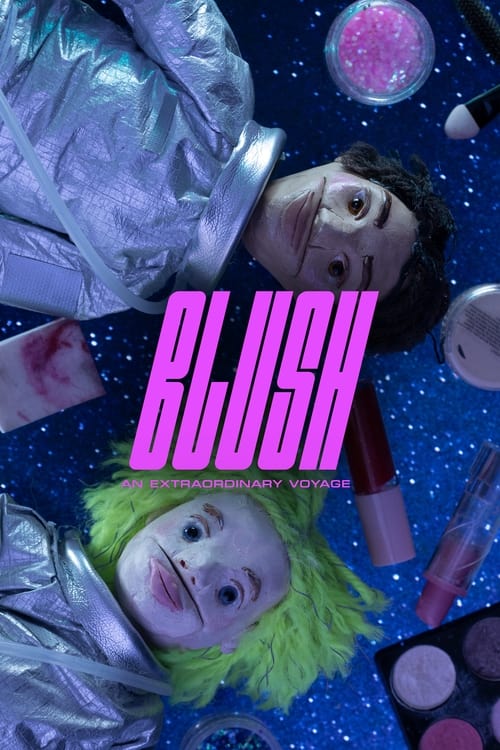
For 18-year-old Finnish–Kosovan Fatu, a simple visit to the grocery store feels as nerve-racking as a lunar expedition: for the first time in his life, he’s wearing makeup in public. Luckily his best friend Rai, a young woman on the spectrum of autism, is there to ferociously support him through the voyage.
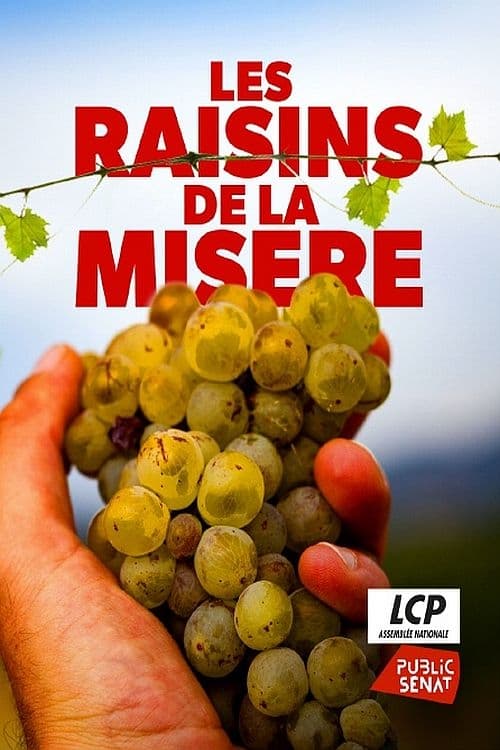
Famous worldwide for its great wines, the Bordeaux region represents French excellence. But this idyllic postcard also has its dark side. The workers in the vineyards are working in increasingly precarious conditions, to the point of putting their health at risk. A handful of them are resisting this fate.
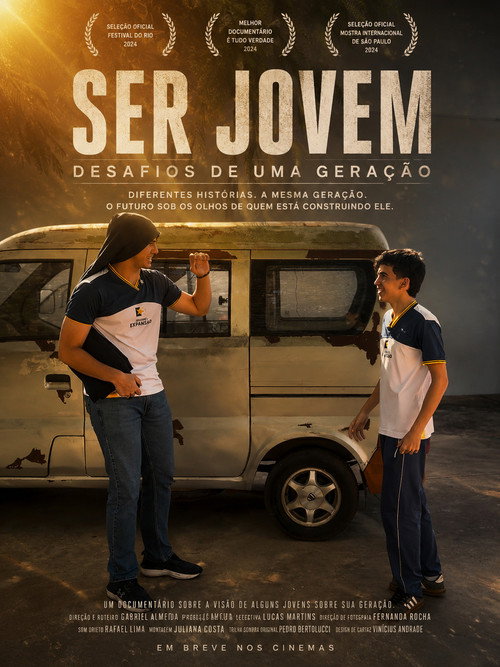
A documentary about the vision of a group of young people for the current generation
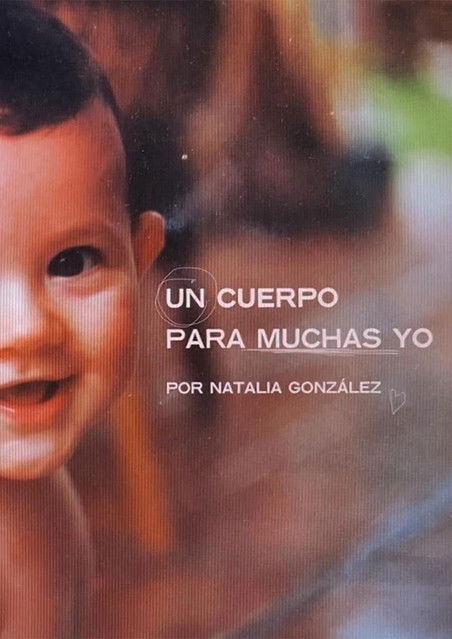
Losing control of my body due to dysphoria and what society has taught me is the greatest loss I’ve ever experienced. A silent loss, a discreet theft. Now I sit in front of it, trying to seduce it, listen to it, feel it, look at it, touch it, move it, live it. I discover that this mutating body houses all my versions.
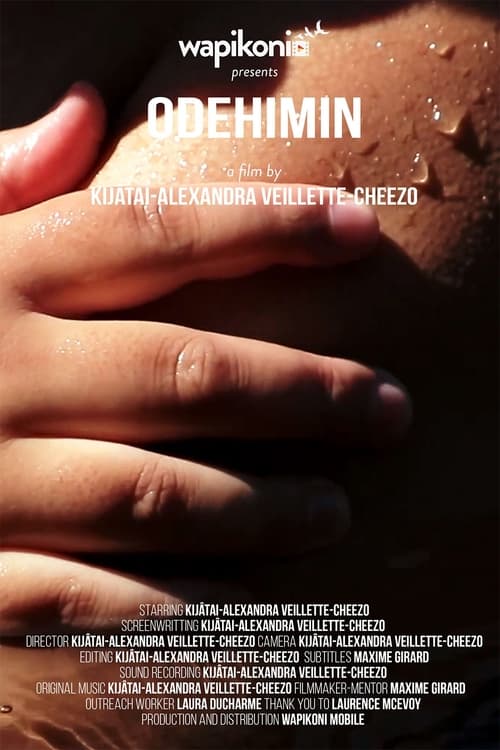
A lyrical film ode to the odehimin or heart berry. A two-spirit Anishnaabe person finds themself in a dark place with their body. They undertake a healing journey, stating aloud their intentions and reconnecting with the land and the water for strength. As they get more in touch with their body and the beings around them, we begin to see them heal.
The Body Machine is a landmark special on the human body that shows us just how much, how many, how large, how strong, how fast - just how amazing the body really is. Utilizing impressive large-scale real-life stunts, CGI and strong character stories, the show makes the staggering scale of the inner workings of the body tangible. We will show you how far our blood travels in just one day - an astounding 19, 000 km - from Quebec City to Buenos Aires and back. You will see all the cranial fluid you produce in your lifetime laid out in front of you - all 26,280 pint glasses worth. And in just one day you will take 23,000 breaths - enough air to fill 7,714 helium balloons. You will see all this and much more.
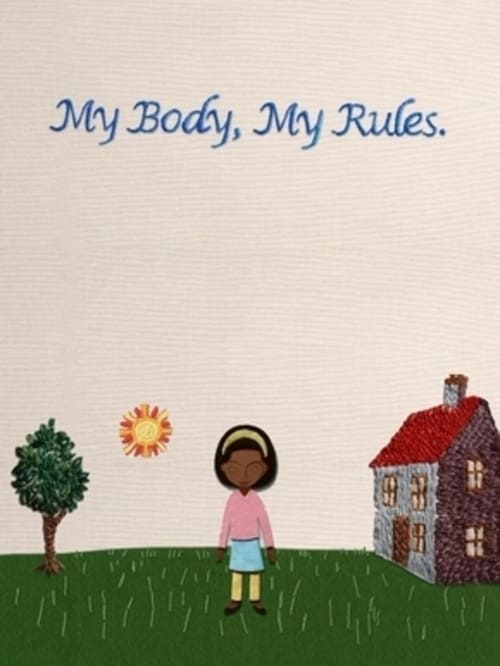
Far from the dictates of current female beauty, MBMR focuses on these other bodies, those who take up space, those that stain, biters, those who devour, those who enjoy as they wish, those age and those who are self-transformed, those who are free and wild. Eight people will reveal the magic,cruel, sensuel, powerful relationship they have with their own bodies.The adventure of the film is multiple: the objective is to give voice and images to women whose body or sexuality is seen as non-standard, unseen or without speaking. The film will highlight possible resistance through an intimate portrait gallery, collective experimentations, tantra, exchange of fluids and knowledge, rituals… A strong political and feminist manifest about body politics, female sexuality and its representation, as well as about diversity and various forms of sexual desire.
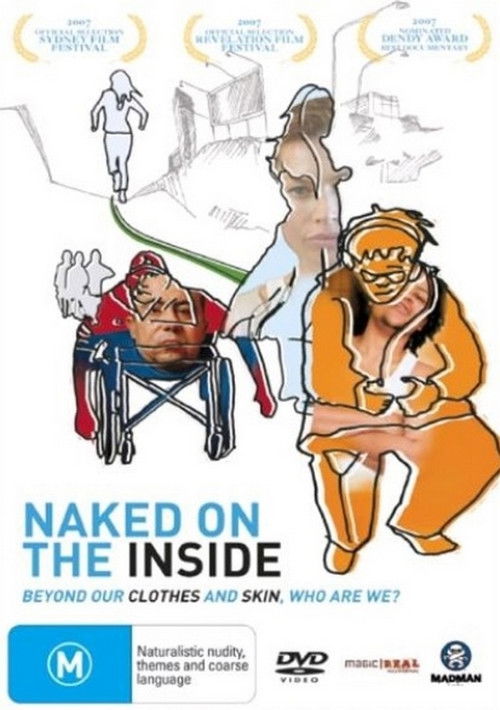
Six extra-ordinary people from around the world reveal their bodies and share their secrets in a unique experiment in search of their inner selves.
Citizens across Europe who used to belong to the lower middle class have fallen into poverty. An in-depth investigation into the precariat, a new social class of financially insecure citizens who, although they are employed, find it very difficult to make ends meet.