In a region where the native language is often overlooked, a young Bundelkhandi rapper works tirelessly on his first album. As he faces financial struggles and a lack of resources, the question remains: will he be able to make it and at what cost?
FPC Ank
as
Chris Marker and François Reichenbach document the massive anti–Vietnam War protest held in Washington, D.C., on October 21, 1967, where more than 100,000 demonstrators gathered at the Lincoln Memorial before marching on the Pentagon. Filmed amid the crowd, the short captures the tension, idealism, and growing radicalism of the American peace movement.
Exploring the art of Armenian portraitist Hakob Hovnatanyan, Parajanov revives the culture of Tbilisi of the 19th century.
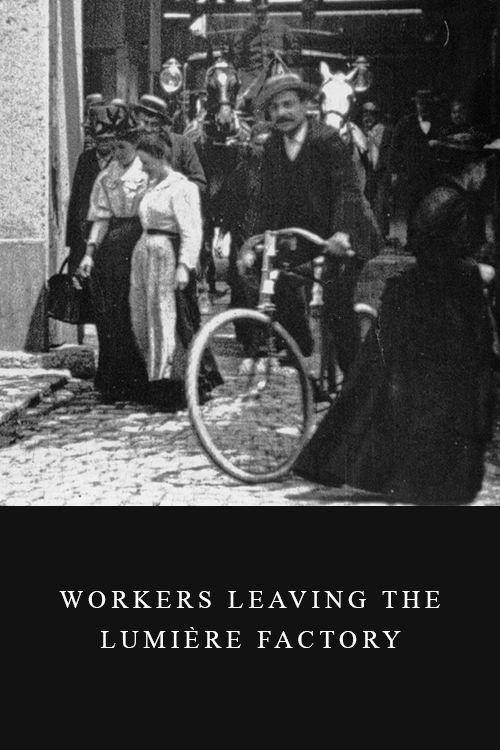
Working men and women leave through the main gate of the Lumière factory in Lyon, France. Filmed on 22 March 1895, it is often referred to as the first real motion picture ever made, although Louis Le Prince's 1888 Roundhay Garden Scene pre-dated it by seven years. Three separate versions of this film exist, which differ from one another in numerous ways. The first version features a carriage drawn by one horse, while in the second version the carriage is drawn by two horses, and there is no carriage at all in the third version. The clothing style is also different between the three versions, demonstrating the different seasons in which each was filmed. This film was made in the 35 mm format with an aspect ratio of 1.33:1, and at a speed of 16 frames per second. At that rate, the 17 meters of film length provided a duration of 46 seconds, holding a total of 800 frames.
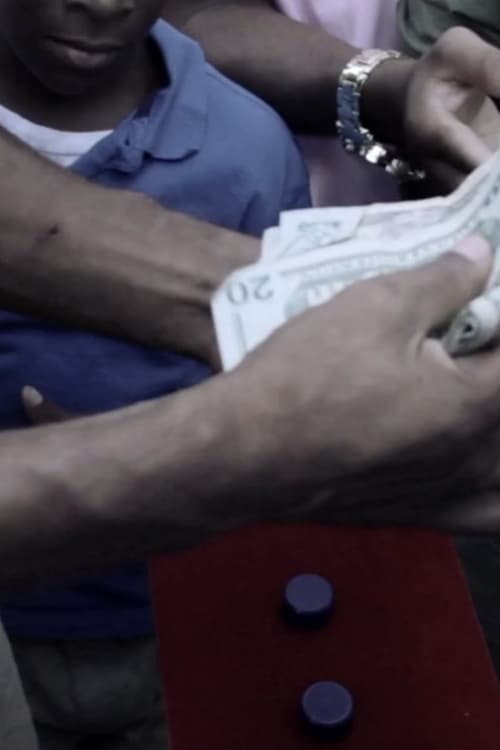
Kevin Jerome Everson's single-take film of a street hustler's sleight-of-hand game takes its place in a rowdy crowd of onlookers. The camera stays focused on the man's fleet fingers while the audio is glued to his gift of gab: "Keep your eyes on that little red dot if you want to win cold cash money on the spot." Every bit the performer, the hustler makes us wonder whether the film itself might be a kind of shell game (with the seemingly raw immediacy of the shot concealing its artistic intentionality). - Max Goldberg
One of several Kevin Jerome Everson pieces regarding African-American rodeo riders, SECOND PLACE brings us inside the big show. The jerkily pixilated view of a bucking bull offers an aesthetic equivalent of the cowboy's wild ride while the film's silence lends an unexpected repose to the contest. Whether anticipating a bull's blasting out of the gate or watching an old hand stretch out his back, Everson's camera is ever-attentive to the action at the edge of the frame. - Max Goldberg
Radiating the radical simplicity of a Lumière actuality, THE MAYBERRY PRACTICE CALF shows an African-American cowboy roping a hunk of tire again and again. "Calf roping is a discipline," Kevin Jerome Everson told an interviewer. "People practice it, they know the language of it and they know how to do it." Everson's camera evinces a comparable degree of discipline, with a single long take functioning as a montage through the serial repetition of the cowboy's action. We may wonder if we're watching a loop but gradually our eyes are drawn to small variations. Practice makes perfect. - Max Goldberg
A film about a young woman's future plans in Munich, Germany. MUNCHEN, RAPHAELA (also known as RAPHAELA RING MUNCHEN) is part of Mike Plante's Lunchfilm series of commissioned shorts (made for the cost of a lunch between Plante and filmmaker Kevin Jerome Everson).
An ascetic walks through the narrow streets of a village every morning while his family is still asleep. In his semi-somnolent state he dreams about the history of the village mixing up myths, folklore and facts.
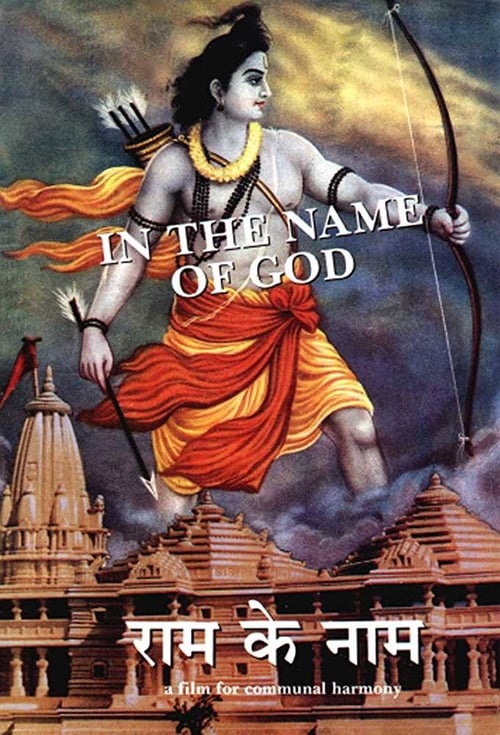
The film explores the campaign waged by the Hindu right-wing organisation Vishva Hindu Parishad to build a Ram temple at the site of the Babri Masjid in Ayodhya, as well as the communal violence that it triggered. A couple of months after Ram ke Naam was released, VHP activists demolished the Babri Masjid in 1992, provoking further violence.
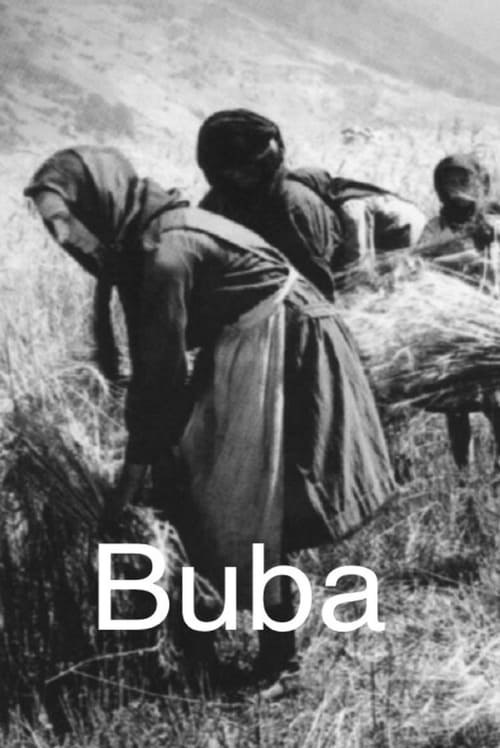
This documentary film is about one of Georgia's regions - Racha. The title of the film is taken from the name of one of Racha's high mountain villages. It tells about the poorest in society living in the mountains and the rise of the SSSR. The product of a remarkable collaboration between the first Georgian female filmmaker and the leading Georgian avant-garde artist David Kakabadze.
A tribute to the late Pat Schulz, an influential Canadian feminist.
This video essay, made by Tony Zhou and Taylor Ramos for FilmStruck in 2016, explores the musical motifs in 'Cléo from 5 to 7.'
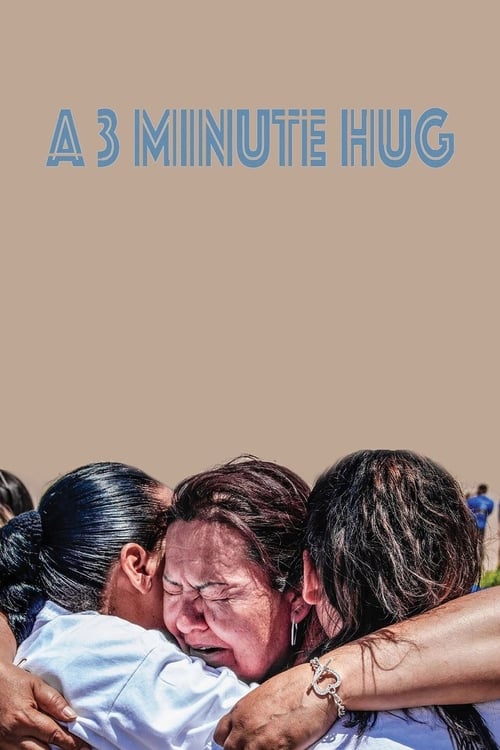
As daylight breaks between the border cities of El Paso, Texas, and Juarez, Mexico, undocumented migrants and their relatives, divided by a wall, prepare to participate in an activist event. For three minutes, they’ll embrace in no man’s land for the briefest and sweetest of reunions.
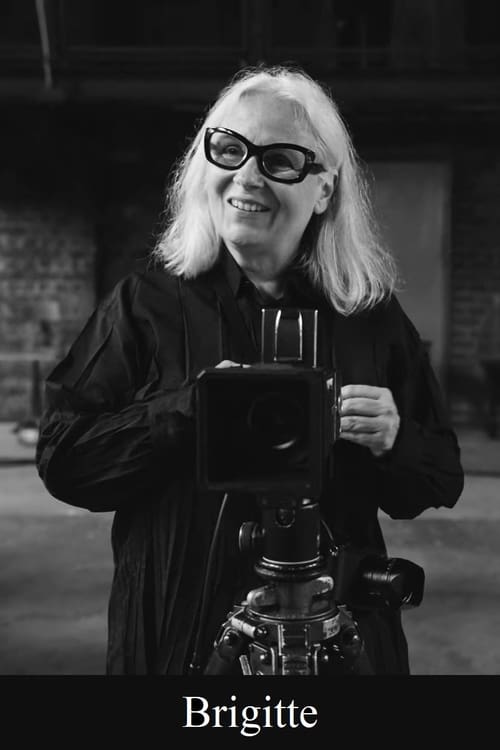
An insight into the creative process of photographer Brigitte Lacombe, exploring her obsession with taking pictures and how her lens defines her relationship with her subjects and the world.
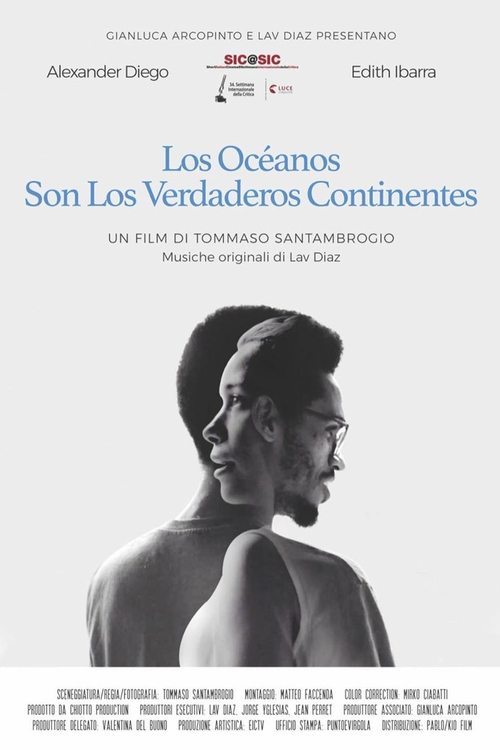
Having Cuba as a background, decadent and in crisis, in a black-and-white lacerated by the Caraibic swinging rain, Alex and Edith, a couple in their 30s, live their love story made of small daily gestures, stories from the past, nostalgia, and a deep intimacy.
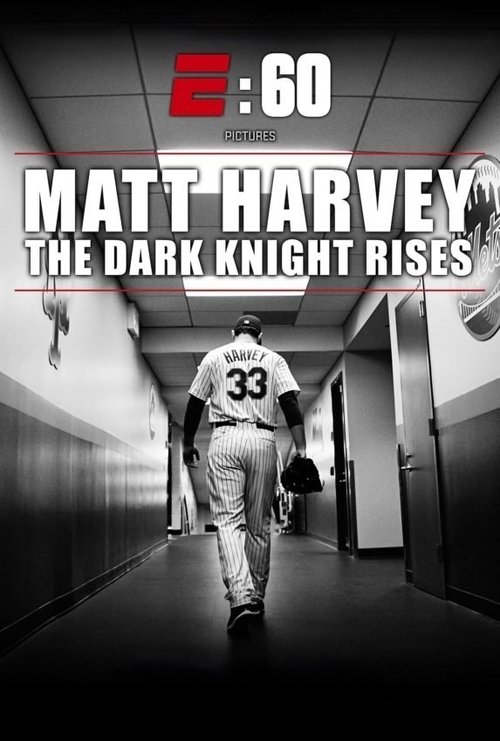
Follows Matt Harvey throughout his rehab process from Tommy John surgery, providing exclusive behind-the-scenes footage and interviews.
The catastrophic and avoidable coal mining disaster at the Knox Mine is recounted by the people who lived through the tragedy.
Short for his website, kickthemachine.