An ascetic walks through the narrow streets of a village every morning while his family is still asleep. In his semi-somnolent state he dreams about the history of the village mixing up myths, folklore and facts.
Chandra Shekhar Dutta
as
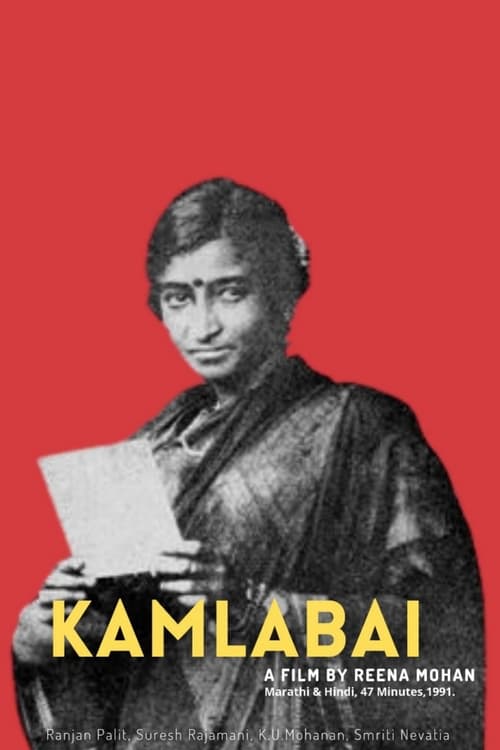
Conversations with 92 year old Kamlabai Gokhale, a pioneering actress of the Marathi stage and the first lady of Indian film. The documentary gives an impression of the history and growth of Indian film and theatre as it was experienced by a woman who struggled against the social structures of her times.
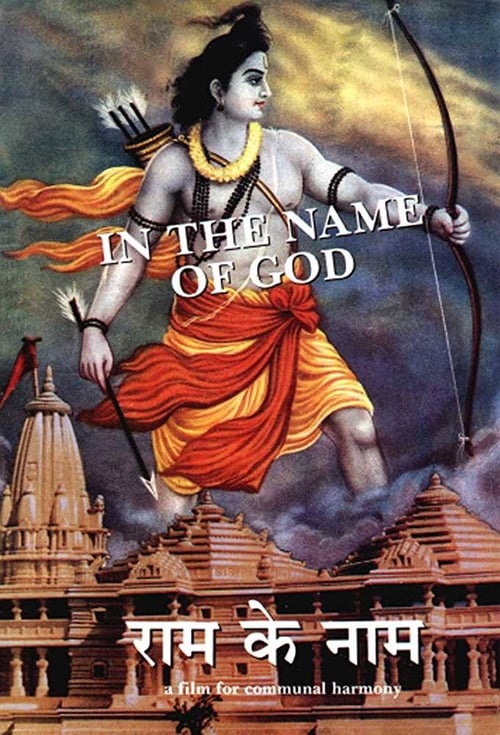
The film explores the campaign waged by the Hindu right-wing organisation Vishva Hindu Parishad to build a Ram temple at the site of the Babri Masjid in Ayodhya, as well as the communal violence that it triggered. A couple of months after Ram ke Naam was released, VHP activists demolished the Babri Masjid in 1992, provoking further violence.
A documentary made by Ghatak for the Government of Bihar observing the life of the Adivasis.
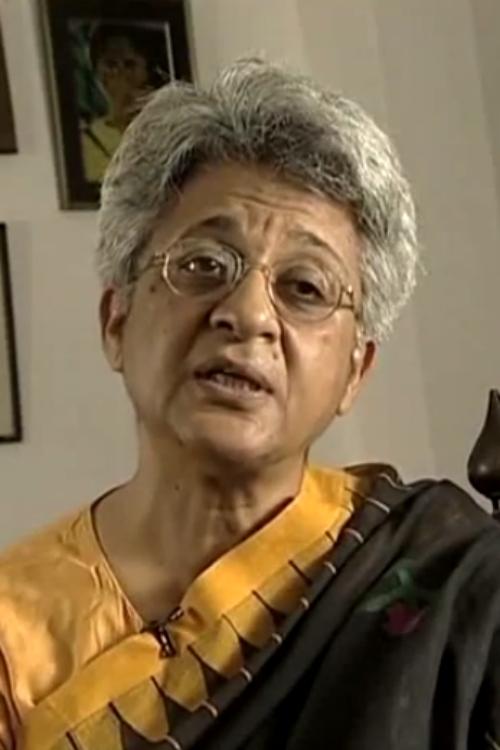
The film starts with the earliest form of cinema and how Shama Zaidi became an integral part of the evolution of Indian Cinema.
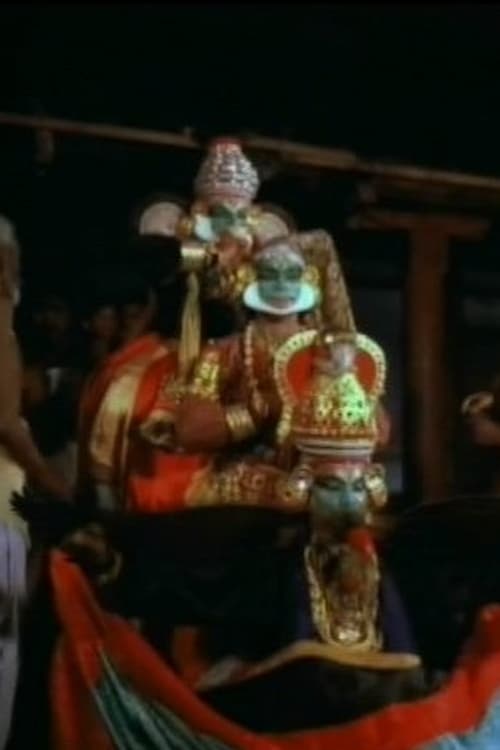
Krishnattam or Krishnanattam (Play of Krishna) is a temple ritualistic art performed at Guruvayur Temple (Guruvayur 680101, Trishshur District, Kerala) by a troupe owned by Guruvayur Devasvam. The performance of Krishnattam is based on Krishnagiti, a poetic text in Sanskrit containing verses and stanzas, written by the Zamorin King Manavedan in 1654. The story of Krishna, described in Bhagavata, Mahabharata and Harivamsha is presented in Krishnattam as songs, dance and acting in a sequence of eight plays (Avataram, Kaliyamardanam, Rasakrida, Kamsavadham, Svayamvaram, Banayuddham, Vividavadham and Svayamvaram) in eight days.
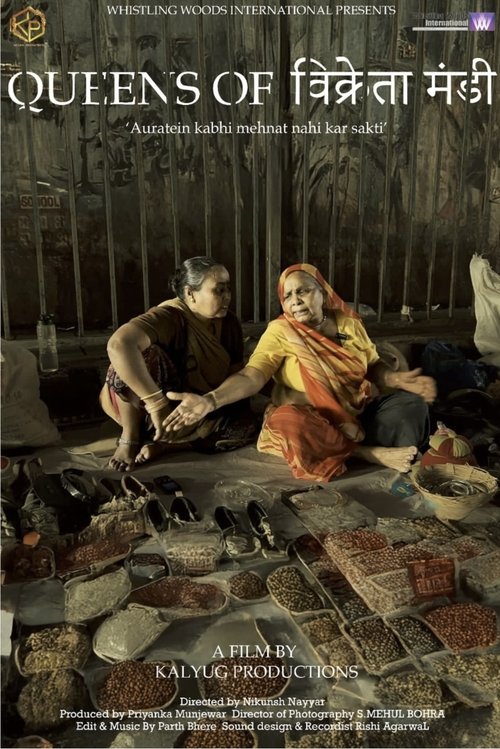
In 'Queen of Vikretamandi, we follow the stories of three female street vendors in Mumbai. Each woman faces her own challenges but also enjoys her victories. The documentary shows their strength and hard work. It creates a close and powerful picture of how they survive and thrive in a busy city that is always awake.
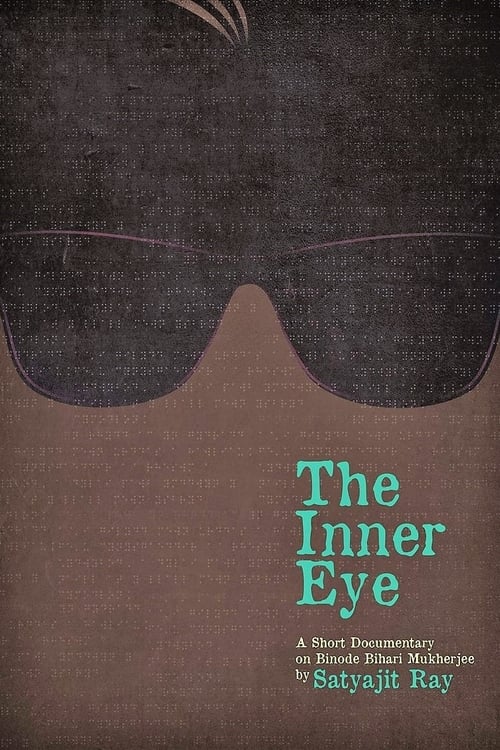
At the age of 54, Binode Bihari Mukherjee, an accomplished painter, lost his sight following an unsuccessful cataract operation. He continued to create art despite his loss of sight. The documentary explores Binode Bihari’s inner eye that guides his fingers to create art.
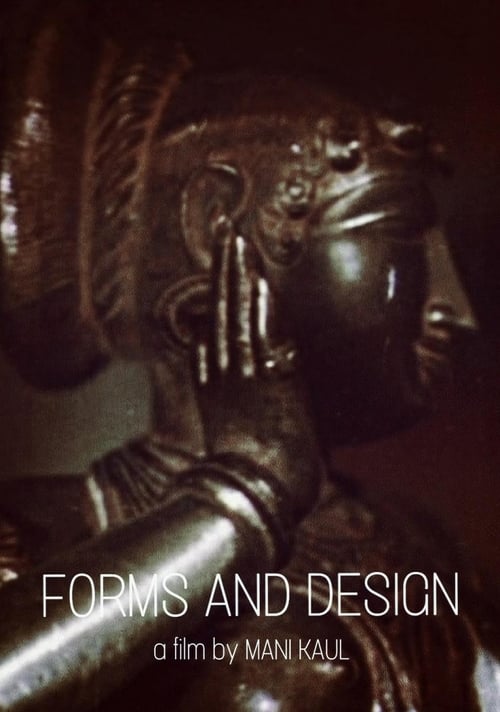
A short film that sets up an opposition between functional forms of industrial age and decorative ones from Indian tradition.
Kota, a city in North-West India famous for its coaching institutions, attracts more than 200,000 teenagers from all across the country to prepare for the undergraduate competitive exams. These students reside in cubicle sized hostel rooms and study for more than 15 hours a day for two consecutive years to crack the entrance exams for prestigious colleges that has acceptance rate of less than one percent. These students face intense insurmountable pressure from coaching institutes, peers and their families which not everyone is equipped to cope with, resulting in some students taking the extreme step of suicide.
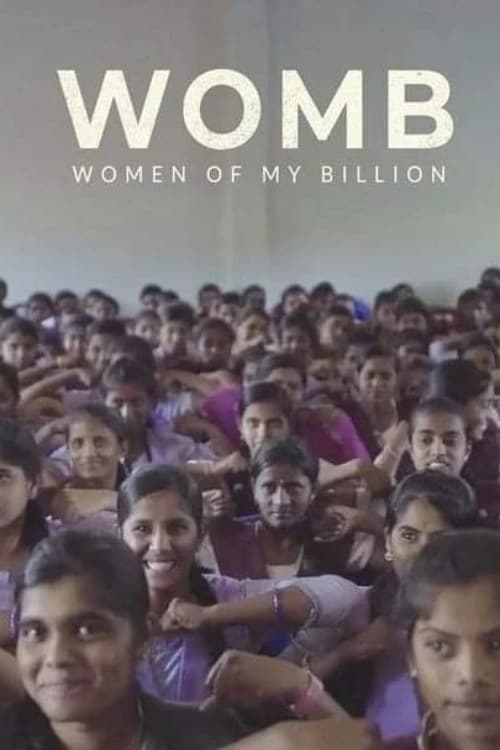
A young woman, Srishti Bakshi embarks on a monumental journey, walking almost 4000km over 240 days, from Kanyakumari in the south, to Kashmir, in the North, along the way meeting and learning first hand about the experiences of many women from all corners of India. WOMB is a poignant and heart warming documentary exploring the social and political issues faced by women of today’s India. It is a unique testament to seemingly insurmountable challenges in these unprecedented times and the everyday sheroes who are battling to overcome.
A prismatic meditation on pollution in the capital of the World’s biggest free-market democracy and the most polluted and populated city, Delhi – a film about the pollution inside of the human mind.
Dancing is a passion of the rich, believes Manish Chauhan , the 21-year-old son of a taxi driver in suburban Mumbai. Yet he, like his friend, 15-year-old Amiruddin Shah daydream of becoming principal ballet dancers in big American companies.
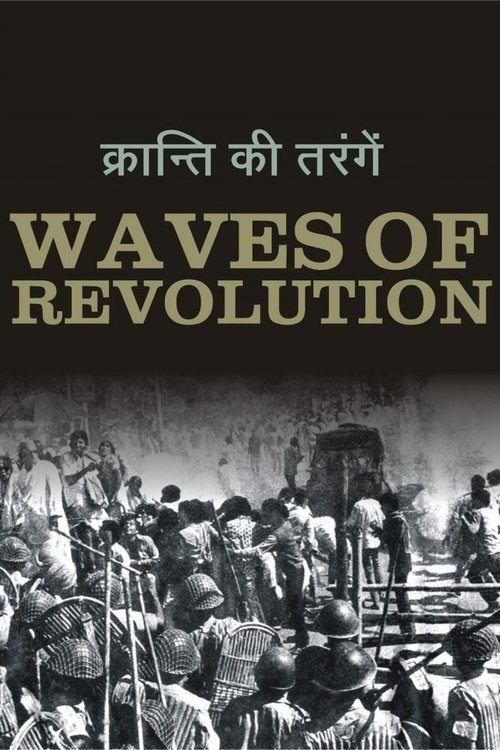
Film made during the repressive days of the Emergency in India documents the 1974-75 uprising of the people of Bihar in Eastern India.
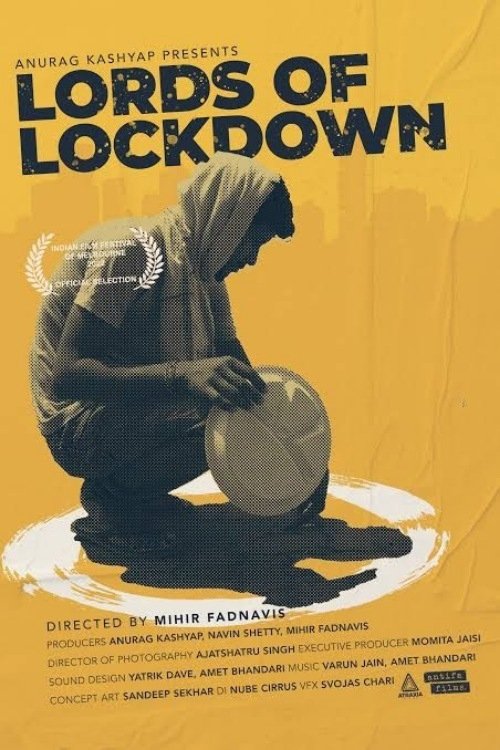
Anxious, out of work and without access to transport during the nationwide COVID-19 lockdown in 2020, migrant labourers in India’s metropolises decided to walk back home to their villages en masse. As news channels beamed heart-rending silhouettes of millions of men, women and children marching along national highways with their meagre belongings, it became plain that the lockdown had already drafted one of the most traumatic chapters in the nation's modern history.
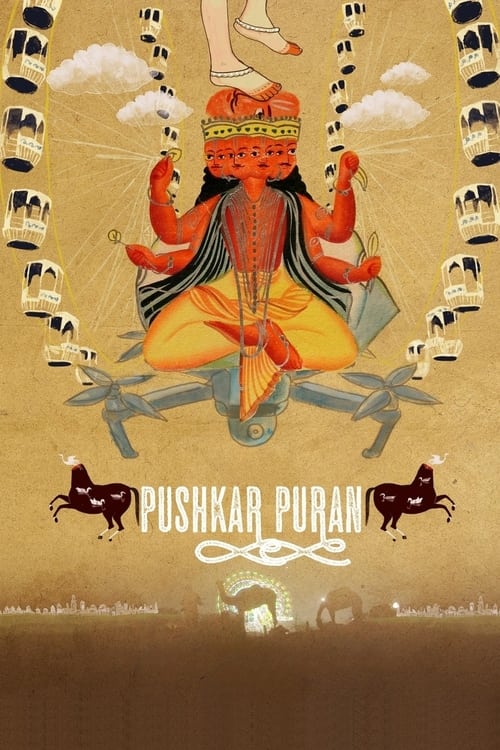
An attempt to engage with the historical, mythical and the contemporary worlds of the city of Pushkar
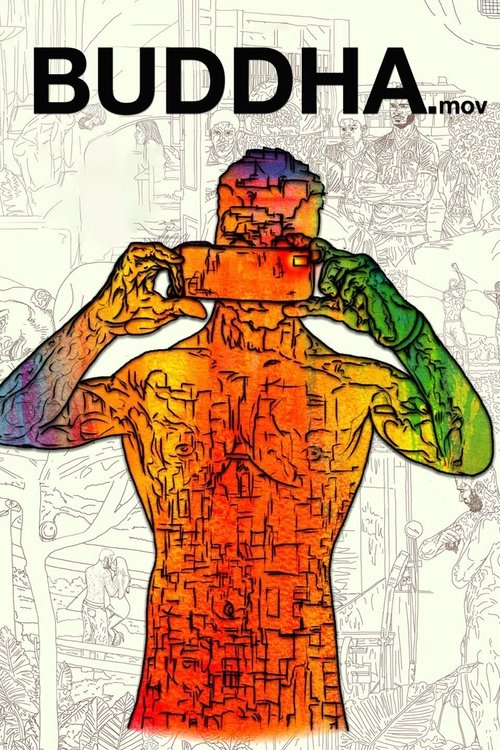
Lured by the chance of being the protagonist of a documentary film, Buddha Dev, a 27 year old flamboyant cricketer from Goa, starts authorising unrestricted access into the most private parts of his life.
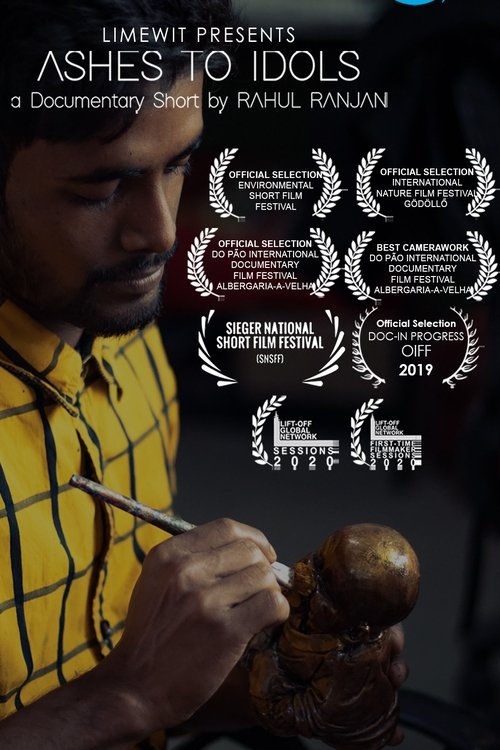
The journey from ashes to idols through the eyes of a teenager who has created many jobs in the process The documentary shows how a teenager decided to get rid of temple's waste by making idols from them and how few jail inmates became his helper in the process.