Character assassination. Political assassination. Legal assassination. An actual assassination attempt. They will try anything to stop Trump. We can’t let them!
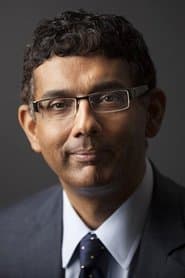
Dinesh D'Souza
as
Donald Trump
Lara Trump
Alina Habba
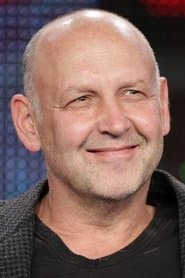
Nick Searcy
On June 9, 2024, during the European elections, over half a million young voters backed Jordan Bardella, while others turned to Marion Maréchal. A new generation of leaders is emerging, reshaping old ideological foundations. From the youth wing of the Rassemblement National to student unions and Reconquête’s activists, we followed these key figures as they campaigned their way to the gates of power.
Guy Debord's analysis of a consumer society.
An insightful documentary that offers a comprehensive exploration of the lesser-known facets of Donald J. Trump. "The Man You Don’t Know" features interviews with prominent figures, including Donald Jr., Kimberly Guilfoyle, Eric and Lara, and granddaughter Kai. Their candid reflections, combined with perspectives from long-time friends, business partners, and notable personalities such as Hulk Hogan and Kyle Forgeard of the Nelk Boys, provide an intimate glimpse into Trump’s character. The documentary will also highlight stories from everyday Americans who have felt the impact of Trump's generosity.
A main agenda of the prewar farmer's movement was struggle against landowners. Prokino also considered this as their prime concern. The main title sequence and the latter part of the film have unfortunately been lost. While we cannot see its entire structure, we can still get a glimpse of it from this surviving short.
The murder of Dutch filmmaker Theo van Gogh by an Islamic extremist in 2004, followed by the publishing of twelve satirical cartoons depicting the prophet Mohammed that was commissioned for the Danish newspaper Jyllands-Posten, provides the incendiary framework for Daniel Leconte's provocative documentary, It's Hard Being Loved by Jerks.
As Puerto Rico falls deeper and deeper into an unprecedented crisis this is Vietnam’s story, a community or barrio located on the coast of Guaynabo fighting an illegal expropriation at the hands of a career politician. Their experience echoes the island’s current struggle with; an unparalleled migration, a notion of progress fueled by corruption, crippling economic debt, displaced poor and middle class families whose land is being purchased by millionaires, and the slow to non-existent reconstruction of infrastructure after Hurricane Maria.
In Pakistan, veils hide one of the country's most terrible secrets. Driven by revenge, jealousy or sexual non-co-operation some men subject their wives to horrific attacks with acid that is freely available in the street. Completely disfigured, the victims are often ostracized by their families and become prisoners in their own home. This chilling documentary is a terrifying insight into the shattered lives of these women.
After his Tokyo farewell ceremony, Yamamoto's ashes were sent to Kyoto on March 9. Many friends and citizens gathered at his home in Uji. On the 15th a worker-farmer funeral was held at the Sanjo YMCA. Prokino's Kyoto Branch shot these five days of activities. The long line of cars is filled with taxis, whose drivers deeply admired Yamamoto. The Watanabe in the title refers to the head of the Communist Party of Japan. Watanabe was returning to Japan from Taiwan when he was stopped by authorities. He committed suicide in their custody. Yamamoto and Watanabe were mourned together.
April 17, 1944. A high-profile trial for sedition opens in Washington. Dozens of individuals—including members of Congress—are accused of cooperating with German forces, participating in pro-Nazi movements, and plotting to overthrow the U.S. government. How did this happen in the world's greatest democracy? And why does no one remember this major episode in American history?
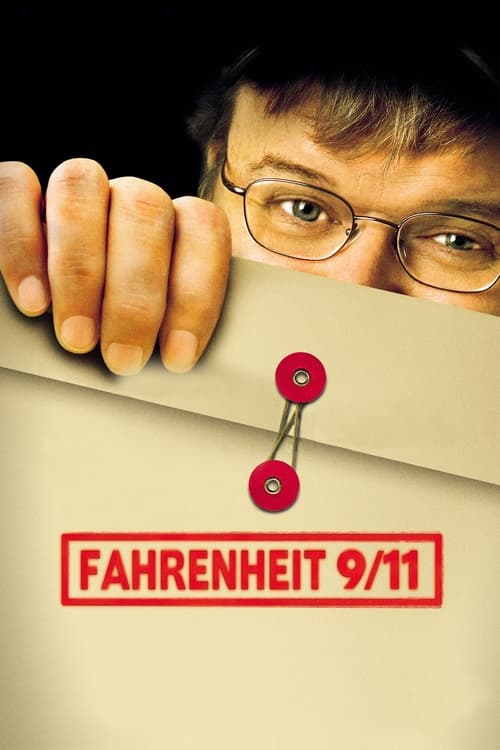
Michael Moore's view on how the Bush administration allegedly used the tragic events on 9/11 to push forward its agenda for unjust wars in Afghanistan and Iraq.
A documentary on Al Gore's campaign to make the issue of global warming a recognized problem worldwide.
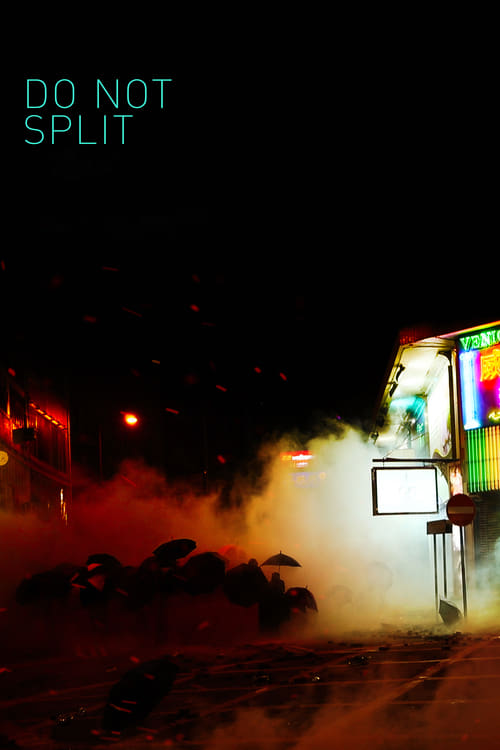
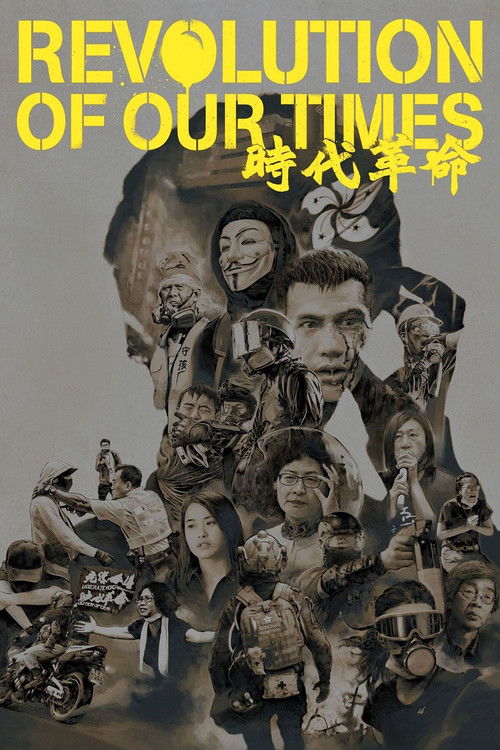
Hundreds of thousands − perhaps even millions − of protestors have taken to the streets of Hong Kong since early June. Sparked initially by the government's plans for a controversial extradition bill, the movement has now transformed into a broader push for greater freedoms and democracy, with anger over police brutality fuelling a cycle of violence. The protests are Hong Kong's biggest challenge to Beijing since its return to China in 1997. If We Burn looks at the movement through the eyes of Hong Kongers whose fates, like their city's future, now hang in the balance.
Celebrated author and Nation magazine sports editor Dave Zirin tackles the myth that the NFL was somehow free of politics before Colin Kaepernick and other Black NFL players took a knee.
Anders Østergaard’s film is an investigative look at the year the Berlin Wall fell, documenting the events that took place in Hungary as a prelude to the dramatic changes in November 1989. The director recreates the events and leads the audiences deep into the politicians’ secret meeting rooms by using a mix of interviews, archive material and reconstructed scenes and dialogues.
As part of a six-month investigation, The Times synchronized and mapped thousands of videos and police audio of the U.S. Capitol riot to provide the most complete picture to date of what happened - and why.
Another Way gives you an insiders look into Australia's growing number of citizens who strive to shrink the government.
For almost a decade, Mohammed bin Salman, known as MBS, the crown prince and de facto leader of Saudi Arabia, has been shaking up all the pillars of this extraordinary kingdom. The cradle of Islam and the world's leading exporter of crude oil, this Gulf giant has embarked on an unprecedented transformation to meet the existential challenge of the post-oil era. Dreaming of becoming the leader of a stable and prosperous Arab world, MBS is undertaking to transform the austere and rigorous Saudi Arabia into a futuristic utopia. But the rise of tourism, entertainment and the excesses of construction sites are still struggling to make us forget authoritarianism and the repression of opponents. As for the silencing of the religious police, it has not put an end to the oppression of women.