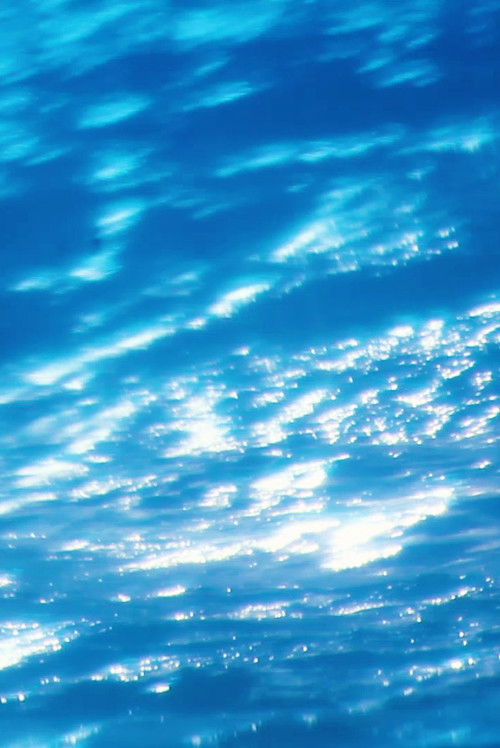
Thirty-three shots based on the landscapes of the Isère region near Vienne. A work of observation on light, the dilation of Time, wind, calm and storm.
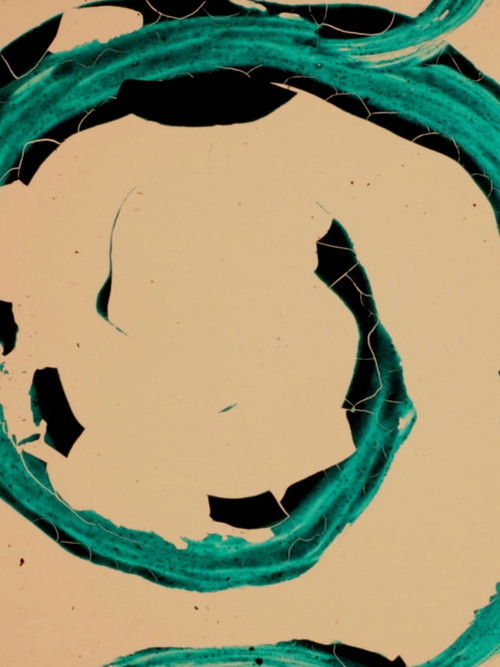
Jazz, dreams, and hope. The protagonist of the film is Wiesław Mrzygłód, a musician and artist. He has an extraordinarily positive attitude to the world, life, and music. In the 1980s, together with the Old Dixieland Players, he played at the most important jazz events in Poland and Europe. Despite doctors' opinions, he says, "Someday, I will play again." He refuses to give up. The film was made using analog and combined techniques, based on drawing using oil pastels, prints, and re-filming methods.
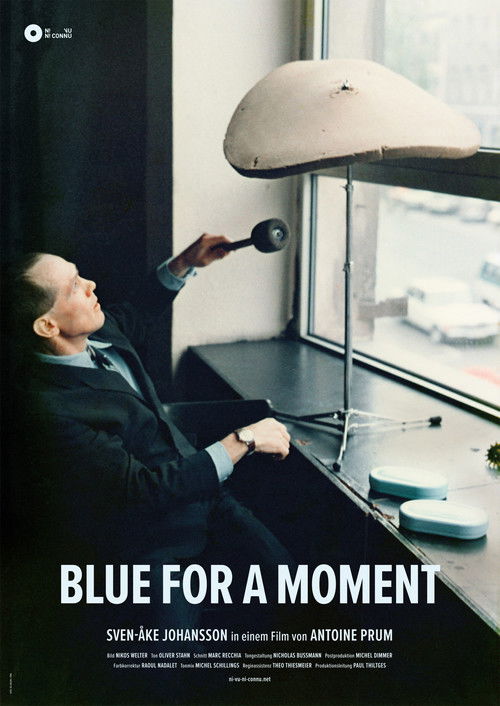
Blue for a Moment is a documentary portrait of Swedish-born, Berlin-based musician Sven-Åke Johansson, a key figure in European improvised and experimental music. Active as a jazz drummer, composer, poet and visual artist, Johansson has spent decades challenging artistic conventions and genre boundaries. Born in 1943, he moved to Berlin in the late 1960s and became involved in the city’s experimental scene, including the Zodiak Free Arts Lab. During the 1970s and 1980s he played an important role in the West Berlin free jazz movement around the FMP/SÅJ label, collaborating with musicians such as Alexander von Schlippenbach and Rüdiger Carl. Influenced by Fluxus and modernist traditions, Johansson developed a distinctive approach based on noise, reduction and the use of everyday materials, anticipating the Echtzeitmusik scene that emerged in Berlin after 1990. The film explores his creative process, artistic philosophy and lasting impact on contemporary experimental music.
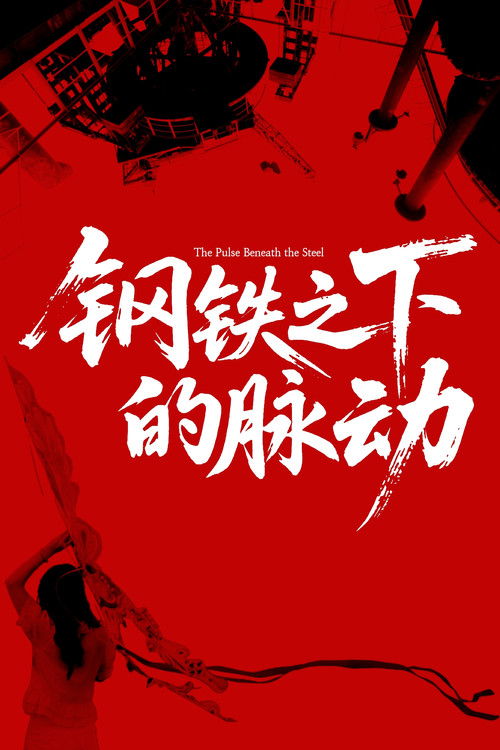
Once the beating heart of Beijing’s steel industry, Shougang was a leviathan forged from iron and fire. Its blast furnaces once echoed with labour and ambition, embodying the raw force of China’s industrial might. Today, these same structures are repurposed into spaces of digital innovation and Olympic legacy, marking one of the most ambitious urban transformations in modern China. This documentary traces the metamorphosis of Shougang Park through three poetic chapters: its industrial past, the deliberate reinvention of its architecture, and its re-emergence as a tech-driven ecosystem. Through immersive visuals and the voices of those who once toiled within its furnaces and those now forging its future, The Pulse Beneath the Steel is more than a portrait of place. It is a meditation on memory and transformation at the heart of a city that bridges heritage and modernity.
A calling inhabits the blank pages, unfolding a secret writing of hers. The unseen written traces seep from the murmuring land, pushing through fragmented voices to become new forms, beings made material. Framed as a dialogue with my grandmother, this film explores an alternative form of personal writing by Chinese women in political shifts, absent and abundant. The 'blank' becomes an image, carrying a search for agency; of land transformed and of women unheard. By breaking down linguistic structures, the film opens a space for imagining, reading, and performing, allowing for emergence.
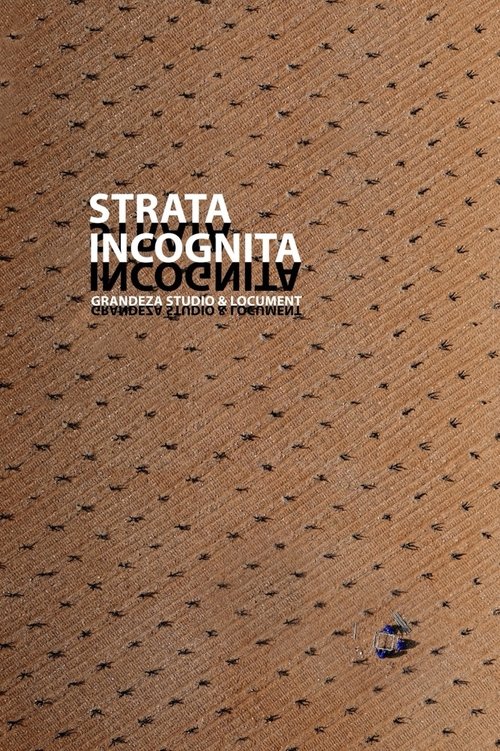
STRATA INCOGNITA, is a trans-scalar and trans-temporal journey across the geographies that articulate soil as an agro-industrial infrastructure, but also as an ecosystem and a somatic archive of crimes, memories and myths.
A hen questions the meaning of her life on a farm.
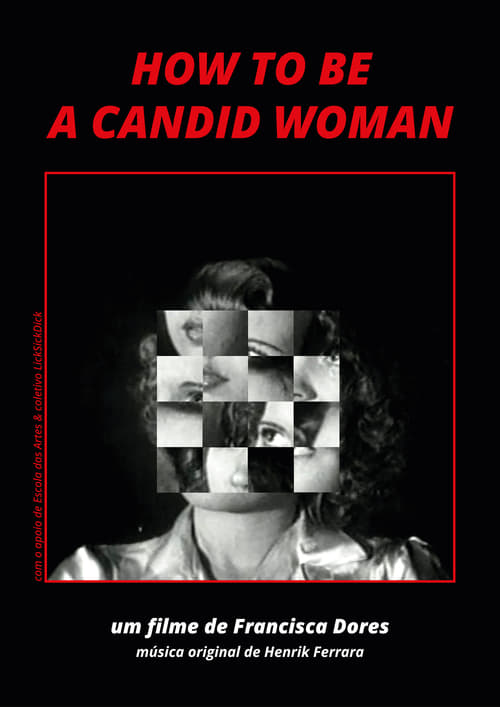
To produce speech, a set of mechanisms must be brought together. What is the normal articulation for speech? How to produce the sounds that make it up in the correct way? A physiological analysis of the aspects of speech shows us how: the jaw must move in a certain way; the air must be expelled from the lungs in another. Based on the concepts stated in the film "Normal Speech Articulation" (1965), produced by the University of Iowa (USA), we intend to reflect on the way women have been represented, and consequently educated, over the years, both in film and in the media. Largely composed of archival footage, this film intends to make evident, through a montage inspired by Structuralist movements, the violence of this education.
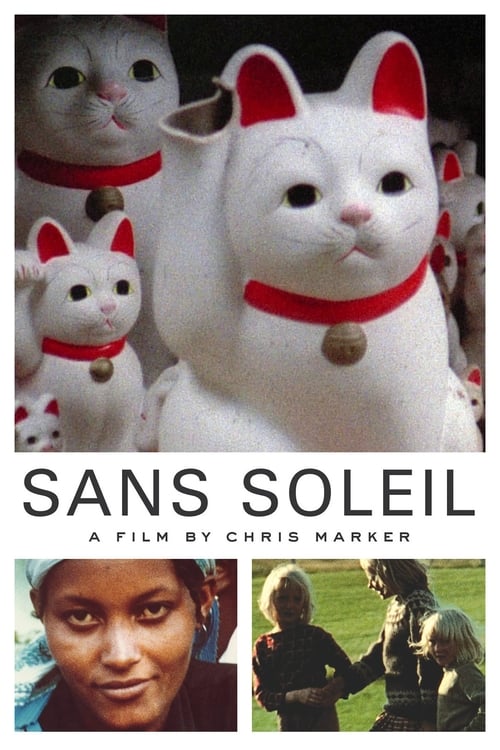
A woman narrates the thoughts of a world traveler, meditations on time and memory expressed in words and images from places as far-flung as Japan, Guinea-Bissau, Iceland, and San Francisco.
Having lost her memory, A. could barely recall glimpses of her childhood in Argentina. After her death, her son visits the empty house for the last time. A sensory journey through a house without objects but filled with memory.
A pleasant tasting summer film made in New York and Searsmont, Maine. With poems by Daniel Shapiro (age five), performances by Dana Reitz, Yoshiko Chuma and Wang Pint; music by Duke Ellington and Gamelon of Bali.
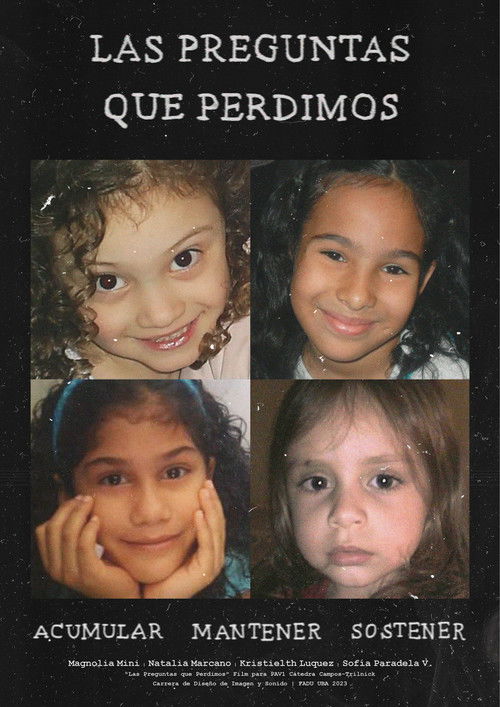
A personal documentary questioning the ways in which family imposed narratives force us into roles that we spend our lives either rebelling against or conforming to.
A body lurchs through the university.
In a remote area of northern Spain, the wind has a name: Tramuntana. Tramuntana takes what it wants—clothes, trees, boats, and the people of the landscape who live with the endless threat of being carried away by its force. This film is a lyrical portrait of this furious wind, woven from the stories passed down by local villagers.
An experimental look at the origin of the death myth of the Chinookan people in the Pacific Northwest, following two people as they navigate their own relationships to the spirit world and a place in between life and death.
A group of hometown friends come together after the loss of a loved one.
An experimental tribute to Jean-Luc Godard, his documentary works and his insights in our modern world.
Impressionism and expression of a view, Mavy uses fragments of the ocean landscapes of Alice Guy's studies through fluctuations of bright nuances and an imitation of these tormented waves in the eyes of a modern camera
A condensation of a handful of sunsets with various visual moods. Red and blue as opposites that still find a way to cohere. Concrete silhouettes over an ever-changing, expanding canvas. Every movement is collective, molecular. Over an invisible horizon, a chance presents itself to meditate on the “speed” of water (and the sea) and also for a more fluid kind of editing.
The Red Tide follows a life changing move to Florida. Exploring a new home located near famous earthworks by Robert Smithson, the enormous art collection-turned-museum of John Ringling, and beaches plagued by a toxic phenomenon called the ‘red tide’. Beginning with a recreation of Nancy Holt and Robert Smithson’s 1969 film, Swamp, the film describes a confusion between multiple anxieties: art’s legacy, climate change, and a longing to stay connected. Taken From Sally Lawton's Website: http://www.sallylawton.net/the-red-tide.html