Impressionism and expression of a view, Mavy uses fragments of the ocean landscapes of Alice Guy's studies through fluctuations of bright nuances and an imitation of these tormented waves in the eyes of a modern camera
Short documentary about movies locations from Yugoslavian movies and how they look nowadays.
A documentary-essay which shows Costică Axinte's stunning collection of pictures depicting a Romanian small town in the thirties and forties. The narration, composed mostly from excerpts taken from the diary of a Jewish doctor from the same era, tells the rising of the antisemitism and eventually a harrowing depiction of the Romanian Holocaust.
How did the Impressionists view the world? What relationship did they have with technique, with color, with light and with the universe of shapes that made up reality before their eyes? How were their works received? How did they go from being rejected by critics and the public to becoming among the most loved in the world in a few years? Secret Impressionists is an immersive journey into the intimacy of the Impressionists and their paintings which aims to offer a "privileged" visit that stimulates the spectators' curiosity and gives them a perspective on the works complementary to the live experience, allowing spectators in the hall to immerse themselves in the work of painters and grasp unpublished details.
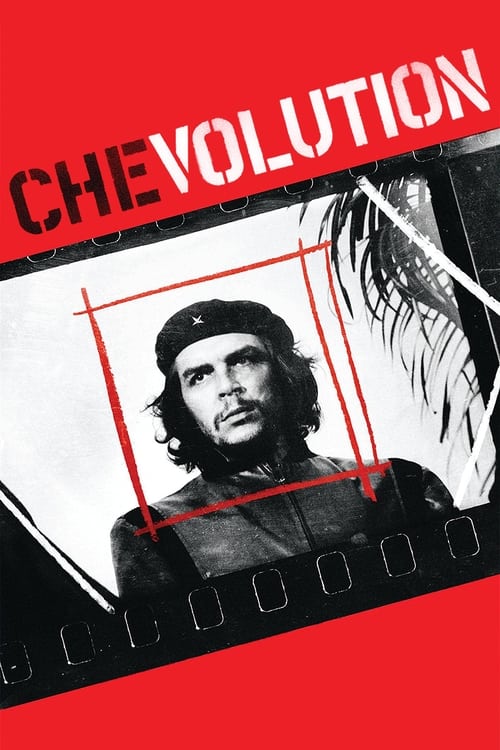
Examines the history and legacy of the photo Guerrillero Heroico taken by famous Cuban photographer Alberto Díaz Gutiérrez. This image has thrived for the decades since Che Guevara's death and has evolved into an iconic image, which represents a multitude of ideals. The documentary film explores the story of how the photo came to be, its adoption of multiple interpretations and meanings, as well as the commercialization of the image of Ernesto "Che" Guevara.
Living Lines is a series of performances and poetry by artist Stephanie Trujillo documented as a short film, drawing inspiration from her Peruvian ancestry, namely the Nazca Lines – giant, mysterious and ancient earthworks made by pre-colonial and pre-Christian societies in Peru – to create site-specific rituals dedicated to the flora and fauna native to Merseyside.
Documentary about the preservation of Brazilian films on celluloid.
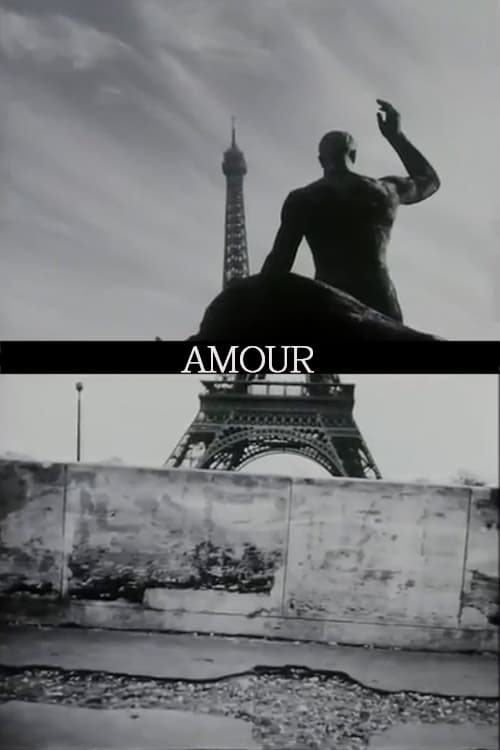
Using a rostrum camera, Raymond Depardon films a long series of photos, from the narrow streets of Paris to the endless desert, accompanied by original sounds of the city. A Cartier Foundation initiative for the contemporary arts.
A study of observation, perceptions and sensations of nature and human interactions from the eye of a digital camera
Shot in two places marrying with each other by a single and fractured bridge between Condrieu and les Roches-de-Condrieu, this film is the continuation of exploring ephemeral movement through the use of editing, camera movements and color sampling.
Concert film featuring eill's Live Tour 2021 『ここで息をして』which took place on August 8, 2021 at Zepp DiverCity.
The original Living Photograph on YouTube. Starring Chris, a teacup, a red lamp and a tasteful, yet mildly uninspired window treatment.
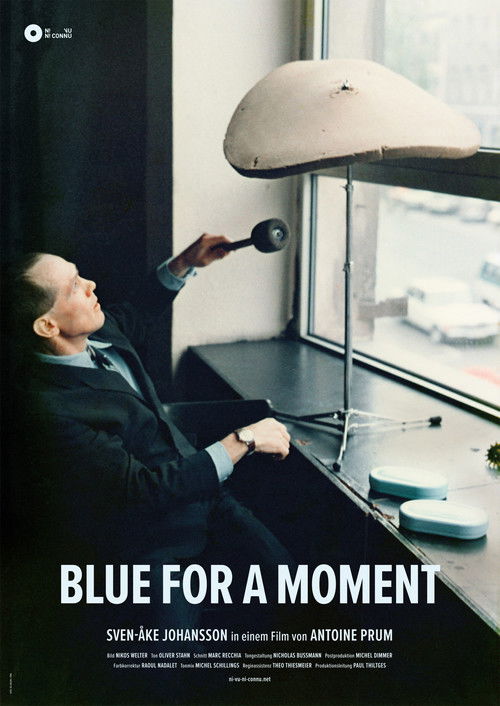
Blue for a Moment is a documentary portrait of Swedish-born, Berlin-based musician Sven-Åke Johansson, a key figure in European improvised and experimental music. Active as a jazz drummer, composer, poet and visual artist, Johansson has spent decades challenging artistic conventions and genre boundaries. Born in 1943, he moved to Berlin in the late 1960s and became involved in the city’s experimental scene, including the Zodiak Free Arts Lab. During the 1970s and 1980s he played an important role in the West Berlin free jazz movement around the FMP/SÅJ label, collaborating with musicians such as Alexander von Schlippenbach and Rüdiger Carl. Influenced by Fluxus and modernist traditions, Johansson developed a distinctive approach based on noise, reduction and the use of everyday materials, anticipating the Echtzeitmusik scene that emerged in Berlin after 1990. The film explores his creative process, artistic philosophy and lasting impact on contemporary experimental music.
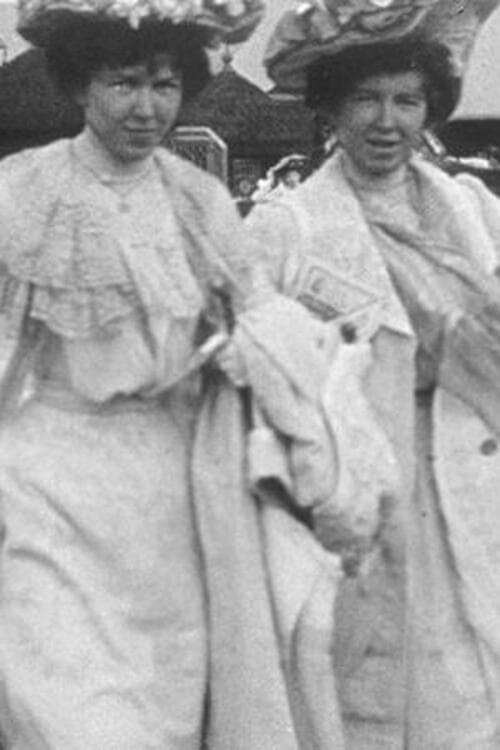
The well-dressed Edwardian ladies and gents of the county tour the annual agricultural show.
Joseph Vallot and his team of guides and porters climb Mont Blanc in 1906. Their ascent will take three days. They spent their nights at the Grands Mulets refuge and the Grand Plateau refuge. This is the very first successfully filmed ascent. Joseph Vallot (1854-1925), rich heir of Lodève in Occitania. He devotes part of his fortune to the observation of the Alps, sometimes opposing the scientific community. He built an observatory, still standing today.
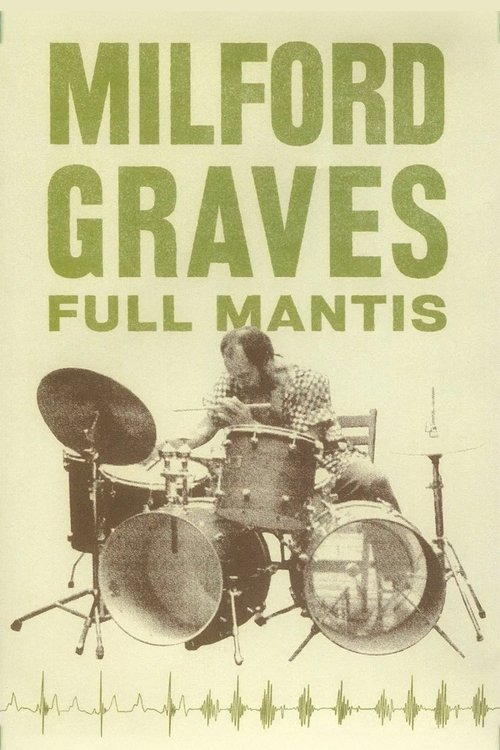
Weaving blistering performance footage from Europe, Japan, and the U.S. with a sublimely restrained, intimate glimpse into a world-renowned jazz percussionist’s singular voice and complex cosmology.
Providing behind the scenes footage of the director on set with clips from his own films, Martin Scorsese Directs depicts to riveting effect the way Scorsese brings the written story to life on the big screen. Additional interviews with the likes of Joe Pesci, Harvey Keitel, Thelma Schoonmaker, the director’s own parents, and others build a perception of Scorsese that not everybody knows.
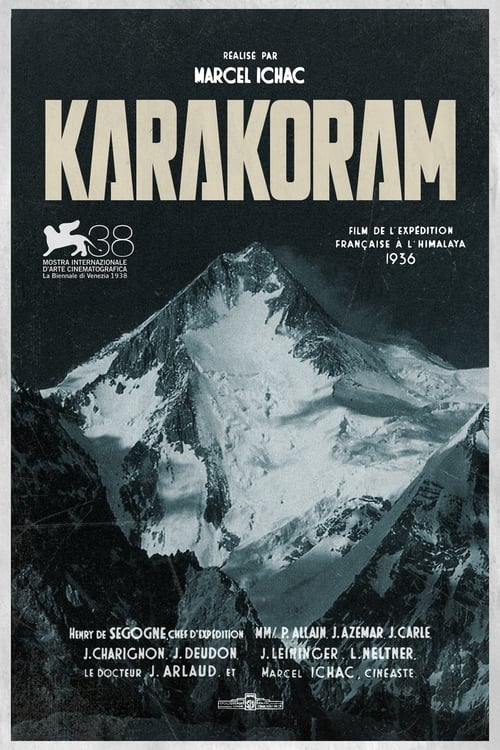
Account of the first French expedition to the Himalayas, which attempted to climb the hidden peak (Gasherbrum I) in 1936, from the preparations for the trip to the end of the ascent. After a long approach walk through quasi-desert regions, then on a huge glacier, the caravan of 700 porters arrives at the foot of Hidden Peak. The expedition was led by Henry de Ségogne, with Jean Charignon, Pierre Allain, Raymond Leininger, Jean Carle, Jean Deudon, Louis Neltner, Jacques Azémar, doctor Jeand Arlaud and director Marcel Ichac. Weather conditions, logistical problems and a strike among Sherpas forced the team to retire at 6900m on the south face. The film received the Silver Lion at the Venice Film Festival in 1938.
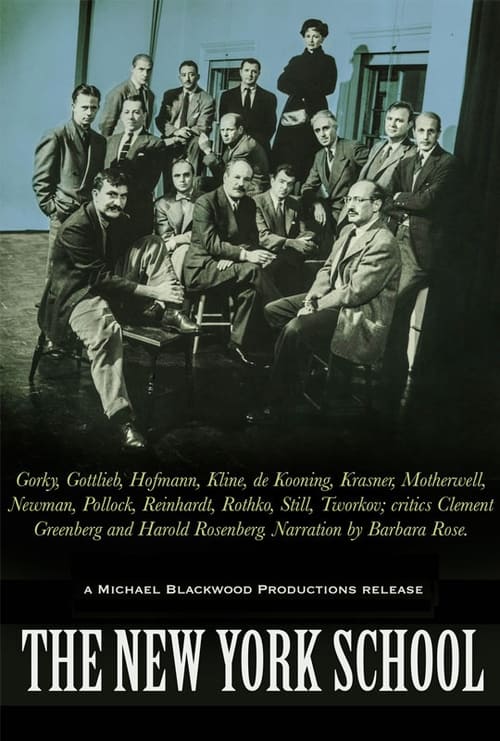
The band of American artists known as the New York School toyed with tradition and rebelled against the Renaissance.Feeling as though free association yielded their best results, the painters, poets and performers of the New York School took a surrealist approach that was concerned less with aesthetic and more with expression. Those associated with the School were unified by their desire to create from within. They created a monumental, dramatic art that remains a singular expression of the crucial modern quest for individuality and personal freedom." Never knowing exactly how their pieces would turn out, the artists of the New York School embraced their own complex humanity and worked from a place of bold, sporadic realness.