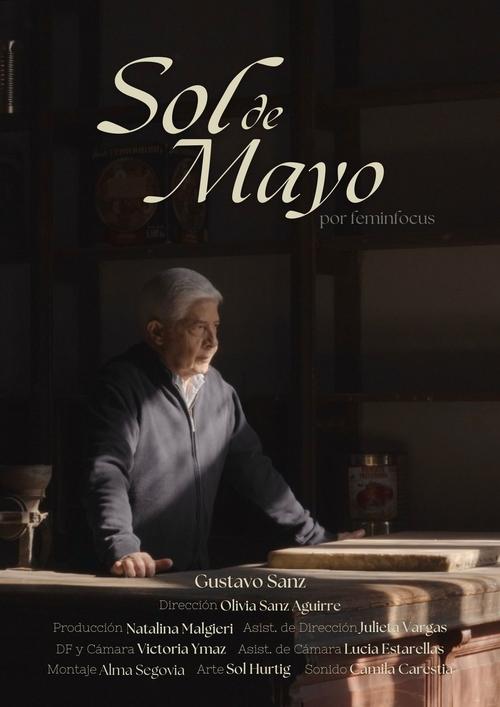
A young filmmaker maintains an epistolary conversation with his deceased grandmother while he rediscovers the space they both inhabited for more than a decade.
A day in the city of Berlin, which experienced an industrial boom in the 1920s, and still provides an insight into the living and working conditions at that time. Germany had just recovered a little from the worst consequences of the First World War, the great economic crisis was still a few years away and Hitler was not yet an issue at the time.
Takes us to locations all around the US and shows us the heavy toll that modern technology is having on humans and the earth. The visual tone poem contains neither dialogue nor a vocalized narration: its tone is set by the juxtaposition of images and the exceptional music by Philip Glass.
We observe the daily routines of an elderly couple. Within the quiet flow of time, a longing for youth and irretrievable memories begin to surface. This piece reflects the sorrow hidden in the stillness of old age and the deep yearning for the past.
A visual montage portrait of our contemporary world dominated by globalized technology and violence.
An exploration of technologically developing nations and the effect the transition to Western-style modernization has had on them.
Part two of Leni Riefenstahl's monumental examination of the 1938 Olympic Games, the cameras leave the main stadium and venture into the many halls and fields deployed for such sports as fencing, polo, cycling, and the modern pentathlon, which was won by American Glenn Morris.
Filmed during lockdown 2020, ‘de Luz/Of Light’ explores fleeting perceptions and cyclic rituals of Portuguese coastal landscapes, specifically surrounding the Cabo Sardão Lighthouse in Beja, and constructs a complex audio-visual narrative through collaging together various natural rhythms (such as the sun and motion of the sea). This film is intended for screening with a 16:27 aspect ratio. The soundtrack was composed by sound artist Michelle Lewis-King.
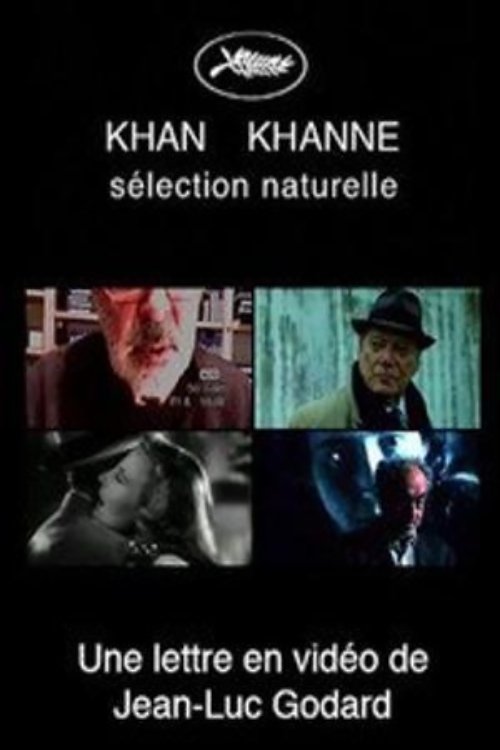
Rather than writing a simple letter to explain his absence from the press conference for his latest Cannes entry, "Goodbye to Language," at the Cannes Film Festival, instead, legendary filmmaker Jean-Luc Godard created a video "Letter in motion to (Cannes president) Gilles Jacob and (artistic director) Thierry Fremaux." The video intercuts from Godard speaking cryptically about his "path" to key scenes from Godard classics such as "Alphaville" and "King Lear" with Burgess Meredith and Molly Ringwald, and quotes poet Jacques Prevert and philosopher Hannah Arendt.
A documentary of insect life in meadows and ponds, using incredible close-ups, slow motion, and time-lapse photography. It includes bees collecting nectar, ladybugs eating mites, snails mating, spiders wrapping their catch, a scarab beetle relentlessly pushing its ball of dung uphill, endless lines of caterpillars, an underwater spider creating an air bubble to live in, and a mosquito hatching.
Carefully picked scenes of nature and civilization are viewed at high speed using time-lapse cinematography in an effort to demonstrate the history of various regions.
Starting with a long and lyrical overture, evoking the origins of the Olympic Games in ancient Greece, Riefenstahl covers twenty-one athletic events in the first half of this two-part love letter to the human body and spirit, culminating with the marathon, where Jesse Owens became the first track and field athlete to win four gold medals in a single Olympics.
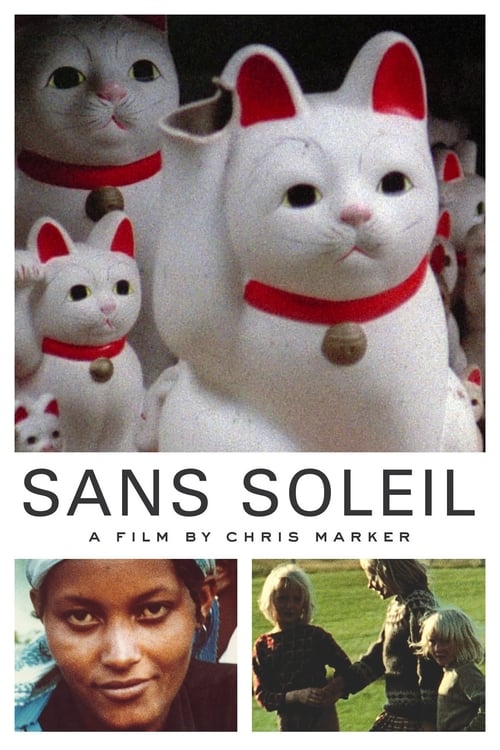
A woman narrates the thoughts of a world traveler, meditations on time and memory expressed in words and images from places as far-flung as Japan, Guinea-Bissau, Iceland, and San Francisco.
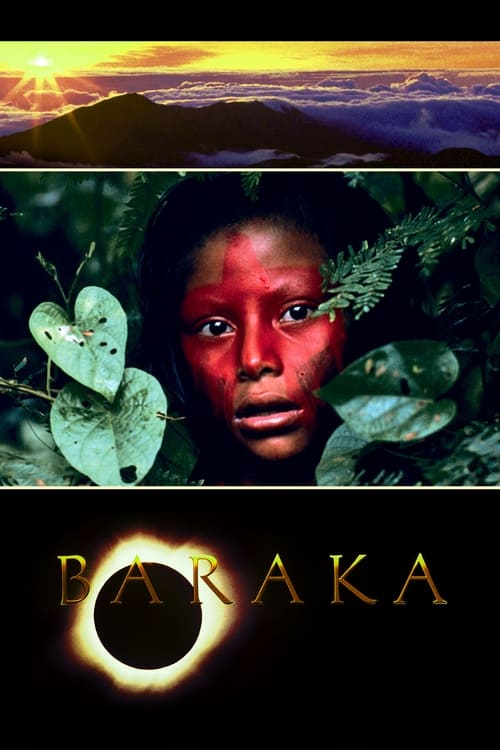
A paralysingly beautiful documentary with a global vision—an odyssey through landscape and time—that attempts to capture the essence of life.
Choreography of familiar gestures that the author was able to spice up with a peculiar and original perspective.
Exploration of the ordinary lives led by women of different classes—a college professor, an unmarried woman, and a seasoned drama artist. They unveil the societal intricacies woven into their social backgrounds, with typical evening talks besides them. Gripping tales of yore immersed in the metaphorical embrace of their surroundings, their familial shelters are emblematic of resilience and protection, where profound truths lie hidden within the depths of the commonplace.
This short documentary, shot in the glass factories of Leerdam and Schiedam, demonstrates how glass blowers do their work. But thanks to the superbly edited ballet of working hands and the sequence of mechanical motions of the engines, is it especially a cinematic tour de force. That the industry can’t do without man’s involvement is shown in the scene where we hear the voice of Haanstra himself counting the bottles on the conveyor belt, until one bottle breaks…
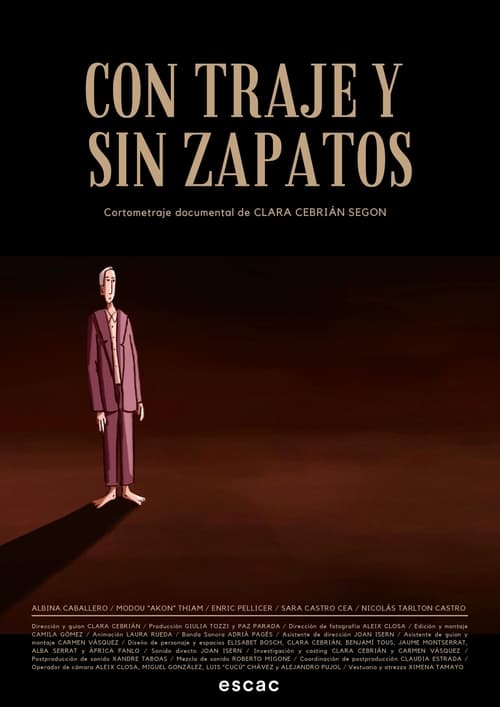
Syria. Among the ravages of war, there is also this more discreet yet vital phenomenon: exile. Leave, stay? A question Liwaa Jazji tackles. The place of this tearing apart of the self to the self will be the house as a physical space, as a place of memory of gestures and bodies, as the receptacle of our familiar objects.
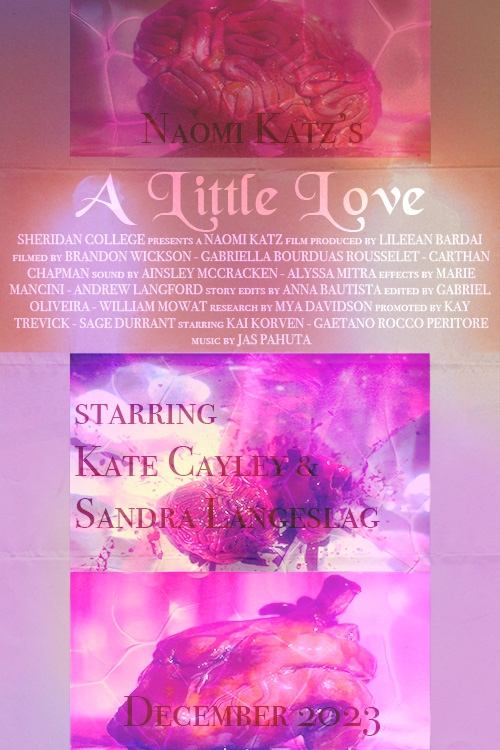
Through interspersed conversation and prose, this experimental documentary follows a poet and a neuroscientist as they explore the definition of love, what it means, and why it matters.