Inès, of North African origin, has frizzy, unruly curls. But why should she bother straightening it? Where does this obsession with straight, neatly styled hair come from?
Inès Mabrouk Morsli
as Self
The story of my hair can be told in two lines. My hair was long and black. It has turned white. It hasn't been cut since 1982, almost thirty years ago. Story of my Hair is a journey, both in space and in time. Anyone looking for truths, whether geographical, scientific or historical, will be disappointed. After looking at real events and real places the film very soon distances itself from them, preferring poetry and fiction. In his own fashion the auteur has combined the story of Samson and Delilah, the journey of those condemned to the death camps, the science of hair and a few thoughts about the meaning and fragility of life.
In her attempt to escape her past, Huiju relocated to the UK over 11 months ago. However, even after moving to a new country, she found that her nightmares from Korea continued to haunt her. Determined to move forward, she made the decision to confront her memories head-on in a very contemporary way, using dating apps to push the boundaries she had set due to her sexual trauma.
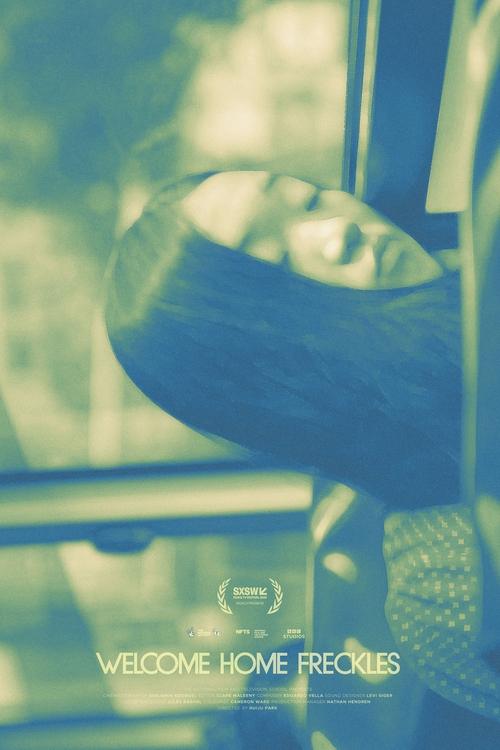
After four years away, Huiju returns home to South Korea. Exchanges with her loved ones are awkward and clumsy. Huiju turns once again to her familiar rituals: pruning the trees, preparing a sauce, tying a braid.
In this feature-length documentary, six teenage girls, aged 14 to 16, agree to open up and have their private worlds invaded by the camera. They have to face problems that they intend to take on "to the end": early experience of sexuality, belonging to a gang, relationships with parents, social tolerance, friendship... They live tender and pure lives in their own way.
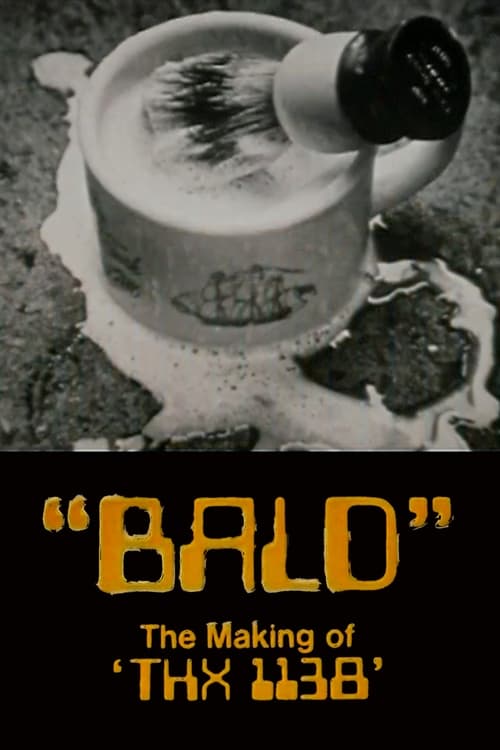
The film features a conversation between Lucas and Francis Ford Coppola, producer of THX 1138. They discuss Lucas' vision for the film, including his ideas about science fiction in general and in particular his concept of the "used future" which would famously feature in his film Star Wars. Intercut with this discussion is footage shot prior to the start of production of THX 1138 showing several of its actors having their heads shaved, a requirement for appearing in the film. In several cases the actors are shown being shaved in a public location. For example, Maggie McOmie is shaved outside the Palace of Fine Arts in San Francisco, while Robert Duvall watches a sporting event as his hair is cut off. Another actor, Marshall Efron, who would later play an insane man in the film, cut off his own hair and was filmed doing so in a bathtub.
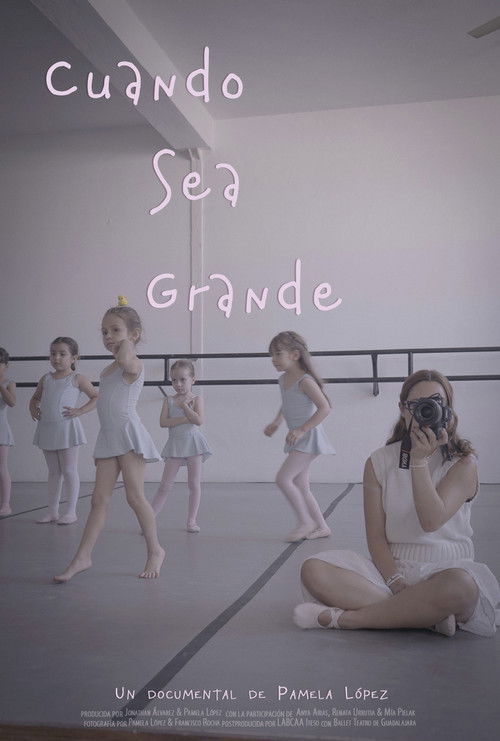
Pame returns to the ballet academy where she danced when she was three. Reflecting on her own childhood, she looks for answers within the girls that dance there now. Ultimately, she tries to answer the question: Why did I quit ballet?
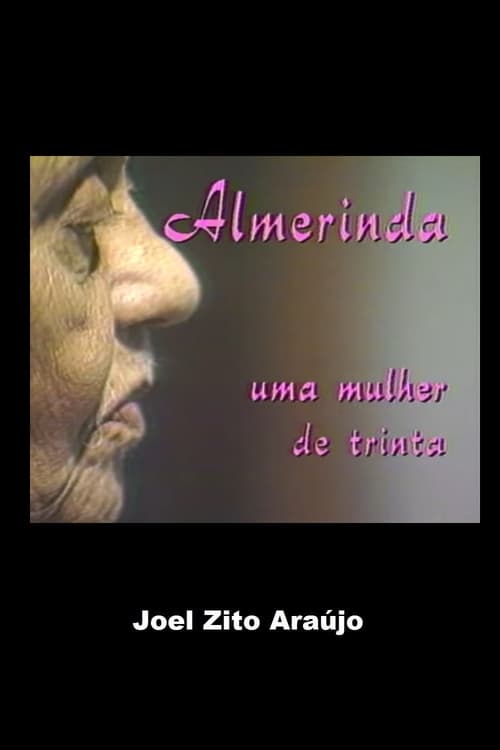
Rescue of the life story of feminist activist from the 1930s, Almerinda Farias Gama, participant in the struggle for the right to vote for women in the 1934 Constitution, and activist of the Brazilian Federation for Female Progress, together with Bertha Lutz.
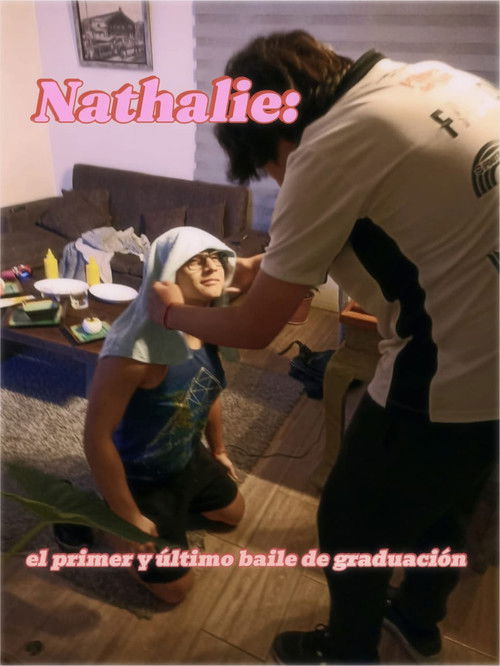
Christine attends her first and last prom accompanied by Martin Fredericksen
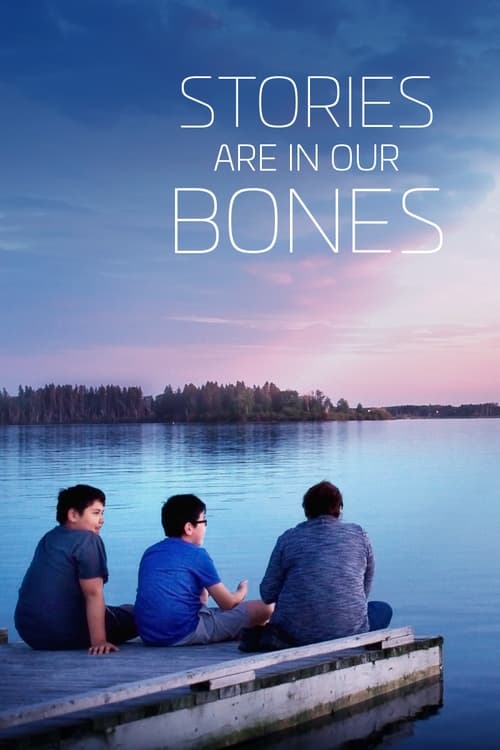
In this layered short film, filmmaker Janine Windolph takes her young sons fishing with their kokum (grandmother), a residential school survivor who retains a deep knowledge and memory of the land. The act of reconnecting with their homeland is a cultural and familial healing journey for the boys, who are growing up in the city. It’s also a powerful form of resistance for the women.
In their own words, this is the story of six women from the South Wales valleys and how they helped sustain the bitter year-long miners' strike, changing their lives forever.
For more than forty years, Belela Herrera has dedicated her life to saving that of others. The politically persecuted, those displaced by civil wars, and the world's refugees are her concern and vocation. Her story is also that of a woman who defined herself and twisted the destiny reserved for girls of her social class: marrying to a man from high society, having a large family and a comfortable and elegant existence . And it is also the story of a female legacy that is part and consequence of the invisible resistance of thousands of women.
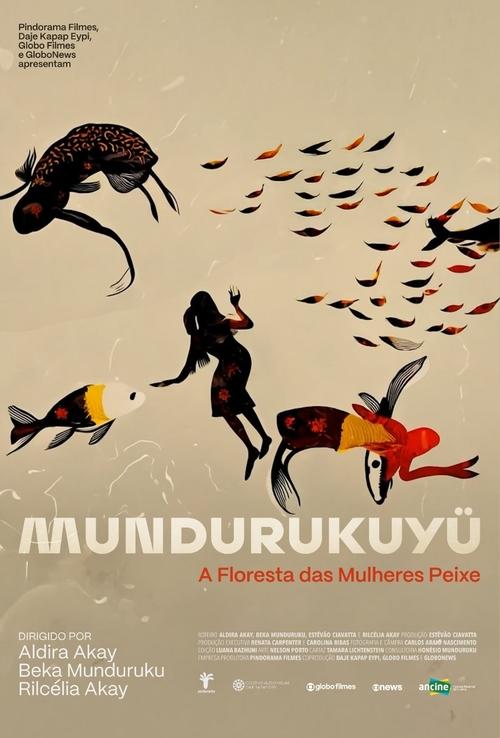
Using the camera as a weapon to defend their ancestral land in Brazil, three women of the Daje Kapap Eypi audiovisual collective lovingly record their Munduruku traditions and their mythology of humans transforming into forest plants and animals.
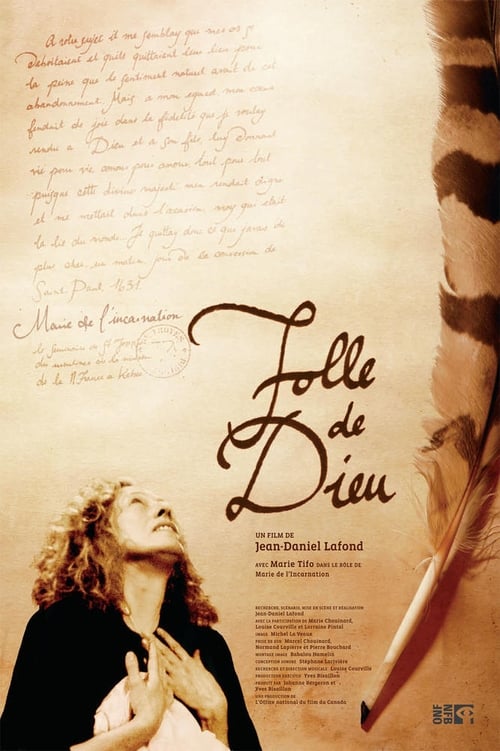
This feature-length film tells the story of the passion between Marie de l’Incarnation, a mid-seventeenth-century nun and God, her "divine spouse." Fusing documentary and acting by Marie Tifo, whom we follow as she rehearses for this demanding role, the film paints an astonishing portrait of this mystic who abandoned her son and left France to build a convent in Canada, where she became the first female writer in New France.
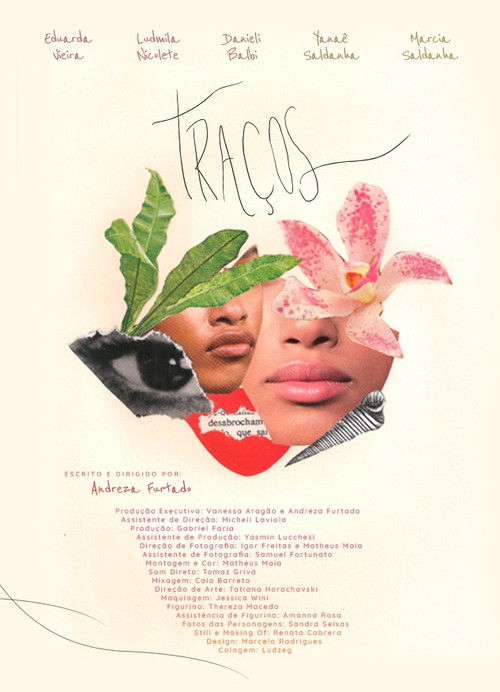
Five women tell stories about scars they have on their bodies and share the process of self-acceptance that goes beyond their own traits.
A tender exploration of friendship, identity, and transformation, this film follows Brahel and Andoeni, who met as children and grew up together in Guadalajara. Though their romantic relationship eventually ended, their deep friendship endured. Years later, after Brahel’s gender transition, the two reconnect and rediscover their bond. Through a rich tapestry of archival footage, music, intimate moments, and unspoken emotions, the narrative unfolds as a heartfelt journey of reconnection, vulnerability, and lasting affection.
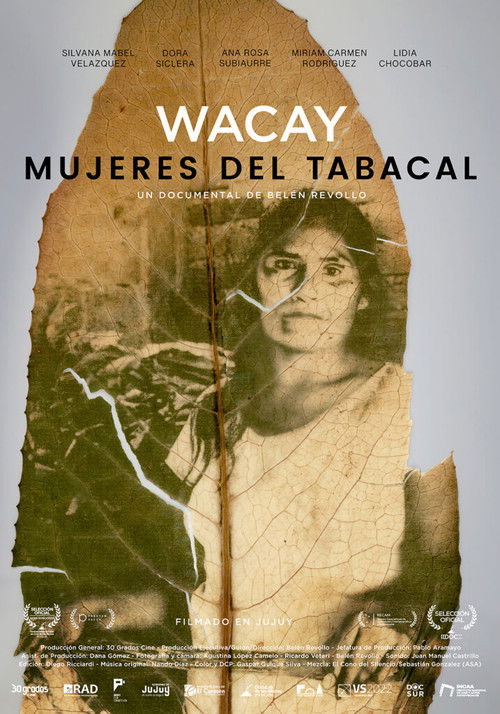
According to an ancient myth, there was a woman who, by violating the prohibition against leaving her house during menstruation, became a cannibalistic woman, an evil spirit. Amid the fear and outcry of the men, the woman was murdered and burned. But soon after, from the ashes of her pubic hair, the tobacco plant sprang forth. Today, the women of the tobacco fields are experiencing a resurgence in collective work that intertwines with personal aspirations. Five women tell us in their own words how they learned the trade from childhood. As they work, the women of the tobacco fields share their lives and their silenced childhoods. They share stories and veiled traditions.