A street in downtown Warsaw transforms into a kaleidoscopic portrait of Polish society. Behind the viewfinder is an Indian immigrant, who seeks to overcome the boundaries between himself and an anxiety-ridden country.
Piotr Chadryś
as Self
Mo Tan
Feras Daboul
Barbara Goettgens
Oskar Paczkowski
Andrzej Jakimowski
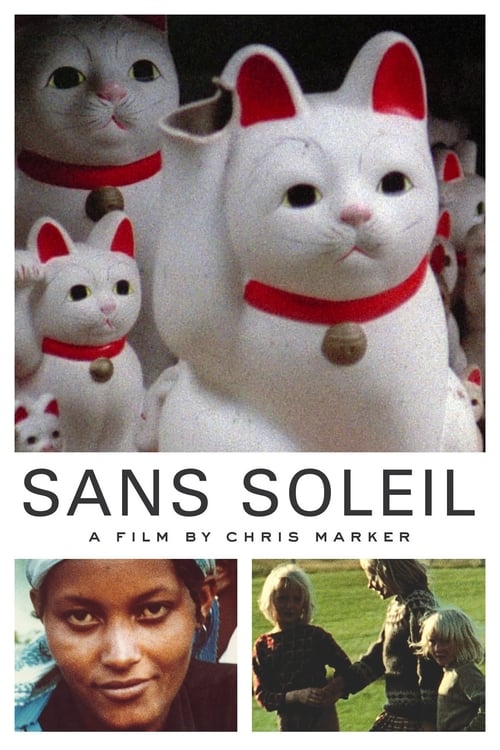
A woman narrates the thoughts of a world traveler, meditations on time and memory expressed in words and images from places as far-flung as Japan, Guinea-Bissau, Iceland, and San Francisco.
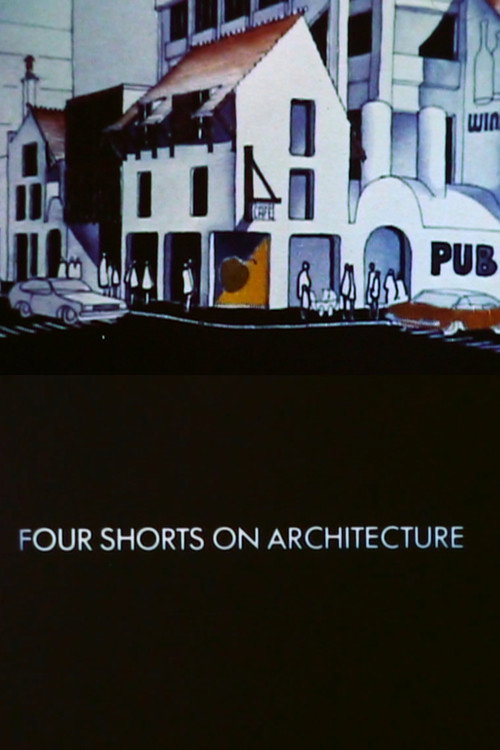
A visual essay on contemporary Kiwi architecture.
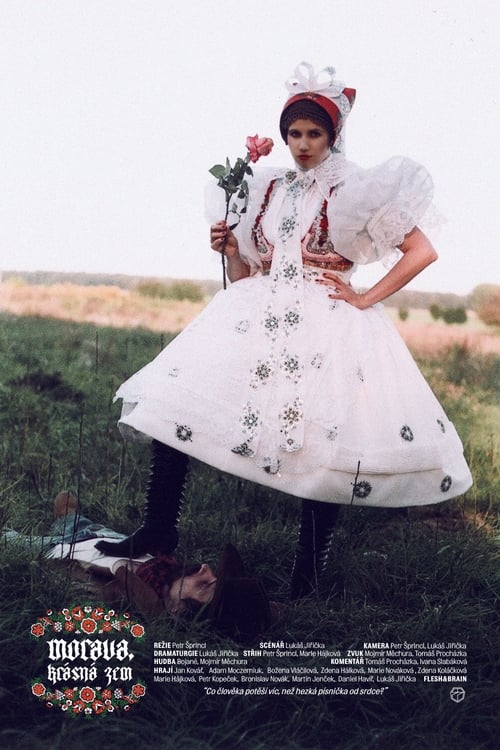
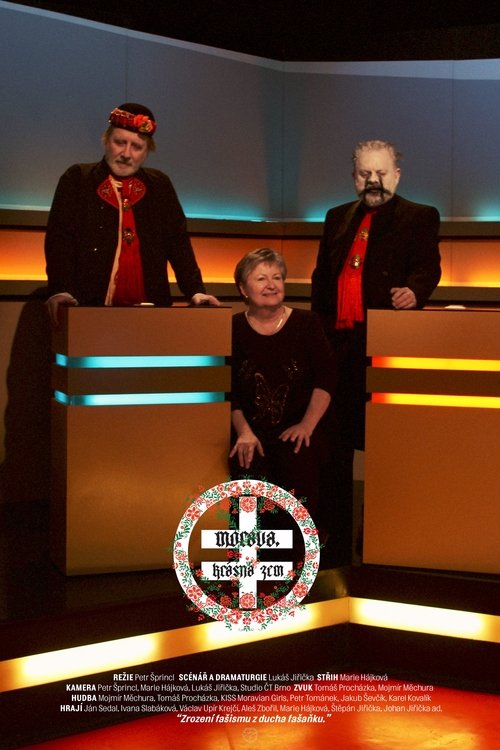
This experimental Western horror film set in the Moravian region of Slovácko offers a new take on the legend of Saint Wenceslas. Against the backdrop of a shabby folk festival, the mythical prince Boleslav, a zombie from a wine cellar, battles his brother Wenceslas over the nature of Czech statehood and a plate of tomato soup.
The second part of the endless series about Moravia offers an even darker descent into the soul of Moravia, which is, however, intoxicating like a slightly delirious state after a sip of wine and chewing on a clod of mother earth. A visually distracting journey focused on the undercurrents of Moravian identity, whose echoes even Friedrich Nietzsche would not want to hear...
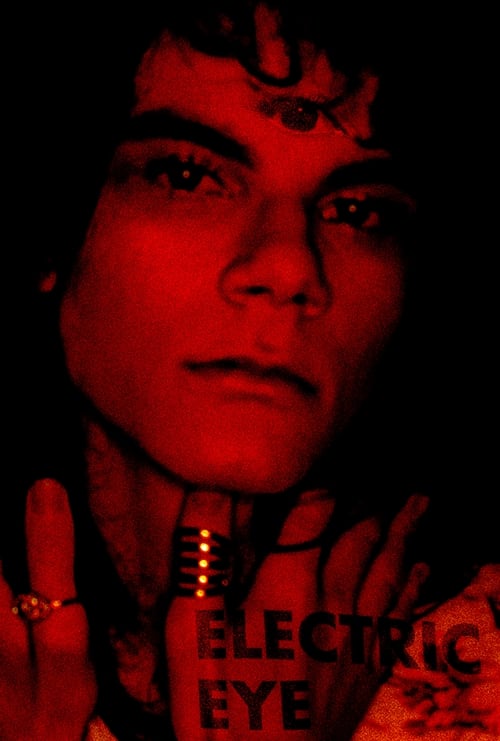
An experimental short film, shot during the COVID-19 pandemic, made by one person. Using recorded scenes and archival footage, the short presents an unorthodox narrative to explore the themes of self-identification, identity, gender expression and androgyny.
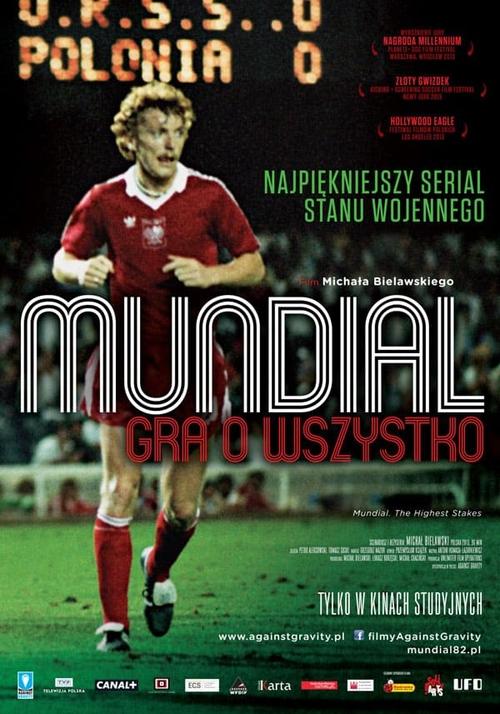
A documentary tale about sport and politics under martial law. All of Poland saw the great goals of Boniek and Smolarek during the Espana '82 championships. For a moment, it was forgotten that the background of the sporting performance was martial law, censorship, an army on the streets, prisons filled with oppositionists. The performance of the players was so successful that it was called "the most beautiful series of martial law". The game is watched by interned activists of "Solidarity", sports journalists and censors, cutting out all manifestations of the opposition from television broadcasts. We also get to know the performance in Spain from the perspective of the players, trying to meet not only their ambitions but also to bear the burden of fans' expectations and regime propaganda.
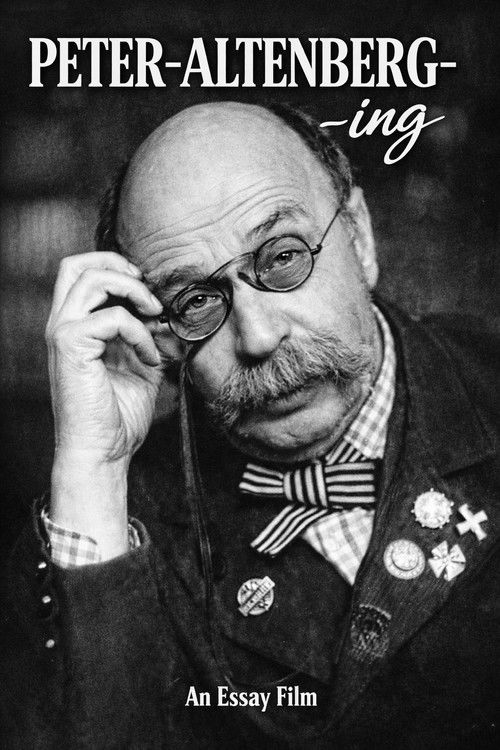
A playful and poetic film essay journey that revives Peter Altenberg, the eccentric Viennese modernist who turned café life into an art form.
Video essay ‘Rock and Cliff' investigates the creation of Horn Town, a new model village and centre of large scale tourist development, and the experiences of rural residents moved there through government-led displacement. Horn Town is located in Wulong, a rural district near the Three Gorges Dam administered by the Chongqing municipality (a city of 30 million people). Narrated in the style of a science documentary but using local Chongqing dialect, the video brings a geological and topographical perspective to types of 'rocks' found in the area,from mythological stones from a mountain cliff, to ruins of the original settlement, to a stone sculpture from a dubious 'Land Art Biennial', in order to address issues of land acquisition, top-down development and spatial politic.
With the lack of personal video archive, Youhanna (the filmmaker) creates false memories using lost home videotapes shot between the 1990s and 2000s in Europe, Africa, and Asia, with the help of an Artificial intelligence programme, until a real, personal video archive surfaces, transporting him into the past to relive one more memory with his late mother.
In this new video essay, filmmaker Alexandre O. Philippe delves into the dread-inducing mood and tone of Kiyoshi Kurosawa’s modern horror classic Cure, deploying a dizzying range of cinematic references to unravel the film’s eerie magic.
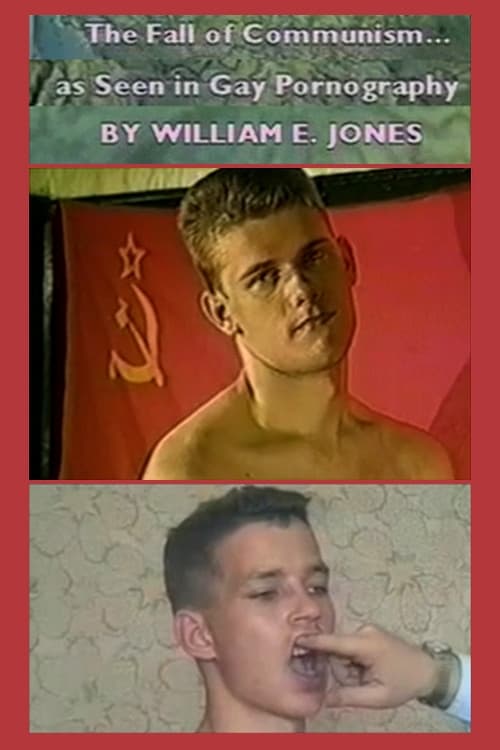
Every image in The Fall of Communism as Seen in Gay Pornography comes from gay erotic videos produced in Eastern Europe since the introduction of capitalism. The video provides a glimpse of young men responding to the pressures of an unfamiliar world, one in which money, power and sex are now connected.
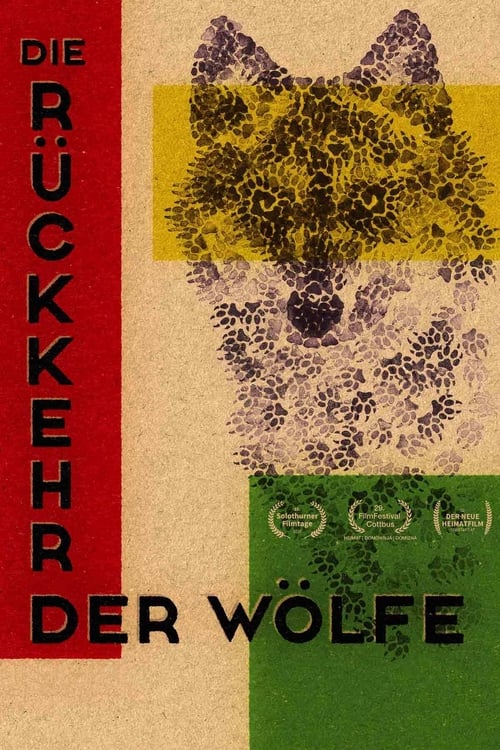
Wolves divide and fascinate us. 150 years after they were driven to extinction in Central Europe, they are returning slowly but inexorably. Are they dangerous to humans? Is it possible to coexist? Using Switzerland as a point of departure, where wolves have returned in the very recent past, this documentary sheds light on the wolf situation in Austria, eastern Germany, Poland, Bulgaria, and even Minnesota, where freely roaming packs of wolves are more common sight.
Reminiscences of a trip to Čáslav
Television was invented as a result of scientific and technical research. Its power as a medium of news and entertainment altered all preceding media of news and entertainment
Depicting the biography of a corrupt banker poses a cinematic dilemma. How can the intentions of an individual systematic contexts and historical eventualities be brought into harmony? Thomas Furhapters nearly one hour film Michael Berger Eine Hysterie turns this problem outward by not covering up the moment of speculation. The subject of the film, Austrian investment banker Michael Berger, who became a dollar millionaire through a risky hedge fund, remains a chimera an absent individual who also cannot be captured through his crime.
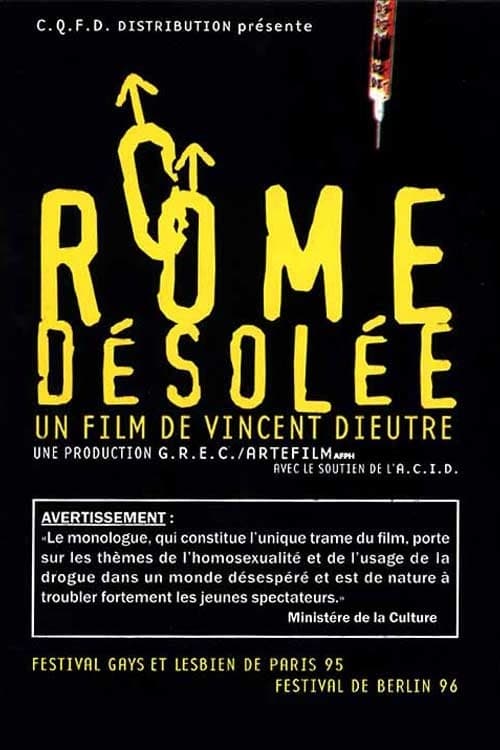
Chronicles of a male homosexual drug addict in 1980's in voice-over with long take scenes from Rome, television snippets of news of Gulf War and commercials.
Twenty-five films from twenty-five European countries by twenty-five European directors.