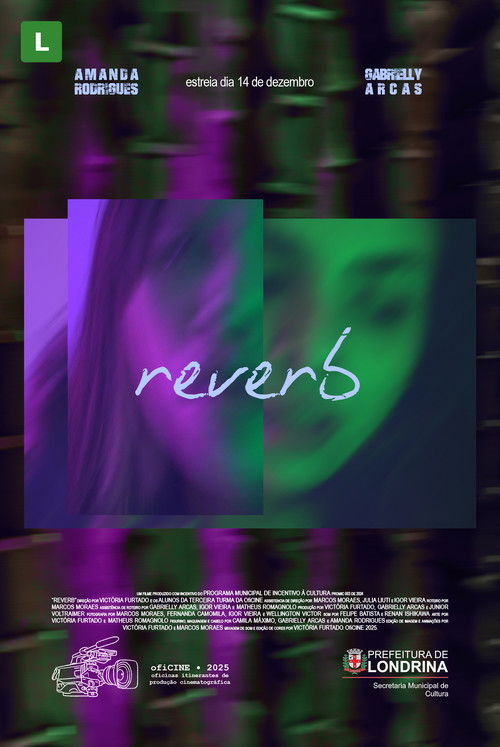
A journey through the Brazilian Amazon, guided by the eyes of Renato, a Carioca turned Amazorioca. A reflection on identity, the legacy of an ancestral territory, and the cost of progress. An ode to the forest and the fragility of what remains.
Renato Novaes Perry
as Self
Joana Madruga
António Aleixo
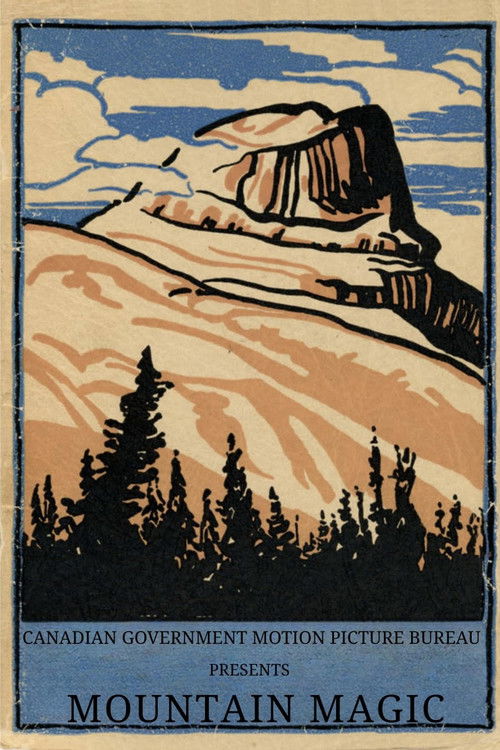
Visitors to Jasper Park can enjoy the spectacular beauty of the Rockies. Holiday thrills include trail riding as well as tennis and swimming.
Hot Spots: Martin Parr in the American South, a thirty minute documentary short, examines the photography of Magnum's most controversial and prolific member as he gathers images for his first commission by a major American art museum, the High Museum of Art in Atlanta. From the first shot at the Cactus Car Wash to the unusual travel tip offered to Martin at the Atlanta Steeple Chase six months later. Psychobillys, tailgate partiers, roller derby teams, art collectors and gamblers...Martin Parr's energy and x-ray vision burn through the South like a modern day William Hogarth's. The film features interviews with Susan Meiselas, Philip Gefter, John Gossage and Julian Cox. Hot Spots shows us Martin Parr at his most outrageous.
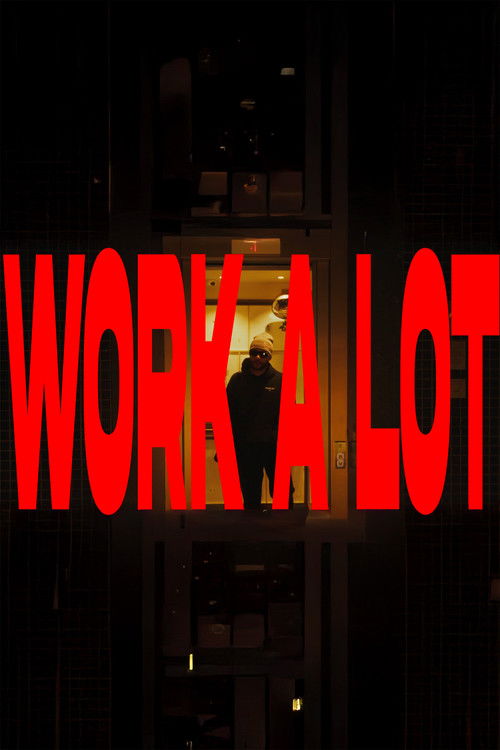
In Work A Lot, Memphis Depay steps off the pitch and into the daily lives of the people who keep São Paulo moving. The mini-documentary weaves interviews with Brazilian workers — from street vendors to truck drivers, from bakers to hairdressers — with behind-the-scenes moments of Depay’s own life in Brazil, spanning music, football, and visits to local communities. Stripped of glamour and filters, the film connects different realities through a shared truth: working hard isn’t a lifestyle choice, it’s survival. A raw, urban and honest portrait of daily struggle, belonging, and real life.
Follows Martin Strel as he attempts to cover 3,375 miles of the Amazon River in what is being billed as the world's longest swim.
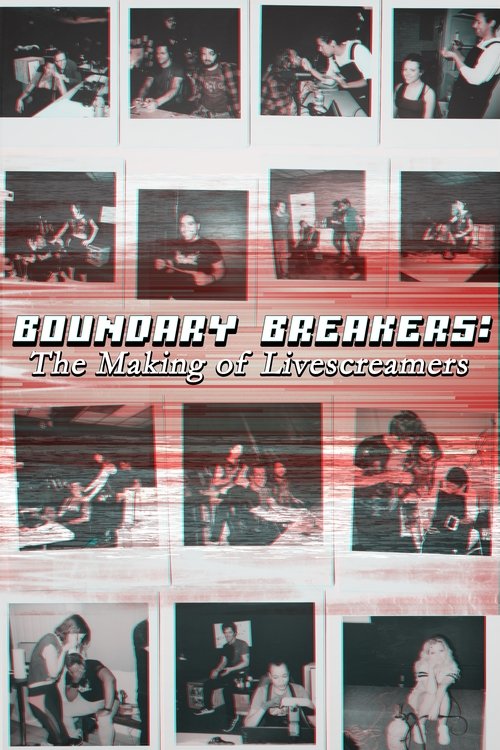
Follow the cast and crew of Livescreamers across their five day shoot, and go deep behind the scenes of how the innovative horror film was brought to life.
Between 1968 and 1970, J M Goodger, a lecturer at the University of Salford, made a film record of the living conditions in the slums of Ordsall, Salford, which were then in the process of being demolished. Under the title 'The Changing face of Salford', the film was in two parts: 'Life in the slums' and 'Bloody slums'.
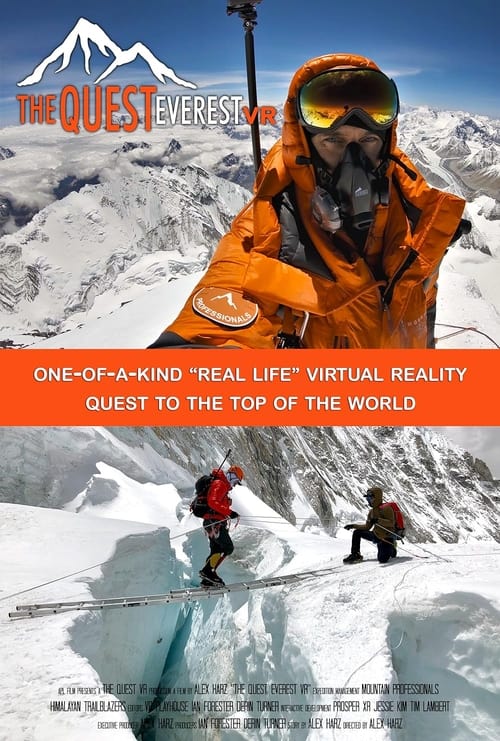
'THE QUEST: Everest VR' is a one-of-a-kind "real-life" Virtual Reality documentary to climb and reveal the most legendary mountain on earth, Mt. Everest, in stunning 360 degree video! It is the only real-life Virtual Reality experience that puts you directly in the boots with filmmaker and explorer, Alex Harz, on an epic 52 day quest to the Top of the World (29,032 feet / 8849 meters), and the closest thing to climbing Everest without all the rigorous training, planning and high risk needed to physically step foot on the mountain! 'THE QUEST: Everest VR' can be experienced worldwide in Virtual Reality headsets, and on computers, phones, tablets, etc...
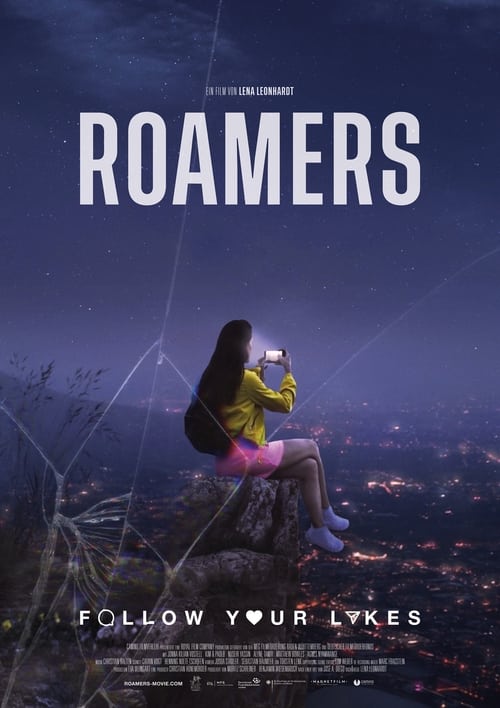
ROAMERS accompanies different characters on their way through the countries and social media feeds of this world: From the celebrated video blogger from Palestine who quit his lucrative job at PayPal in favor of as much life experience as possible, to the former young top manager who gave up her business in Switzerland and her marriage for the adventure of a round-the-world trip, to the Argentinean couple who use their computer science skills acquired at IBM to distribute self-produced porn videos online "on demand" and thus finance their trip around the world. As digital nomads who become the creators of their impressive life stories on their own initiative, they are all sounding out the boundaries of a new era: between personal freedom and the dependence on algorithms and wifi, between self-fulfillment and self- exploitation - in search of meaning and support in a world that offers ever more possibilities and yet also seems increasingly fragmented.
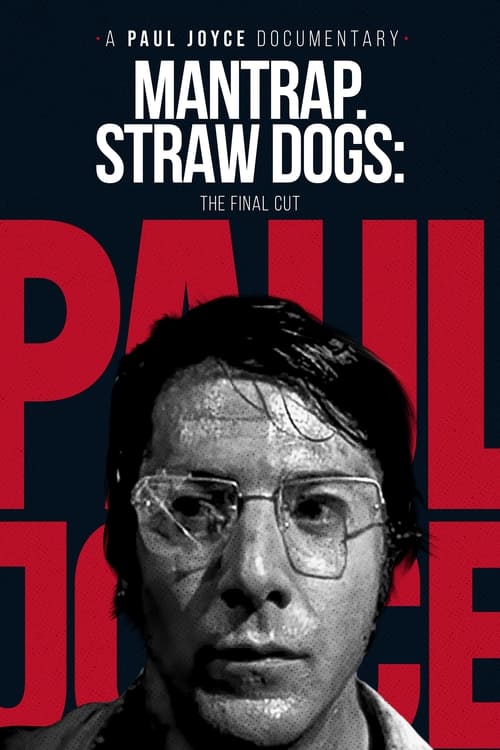
Documentary about the making of Sam Peckinpah's 1971 film "Straw Dogs."
Unlike the many rag pickers working at this Dump Hill(Land Fill) in Delhi, young Devendra is committed to collect electronic waste discarded from our homes, in an attempt to create machines. Even the carcinogenic gases emitting from this hill have not been able to poison his engineering dreams.
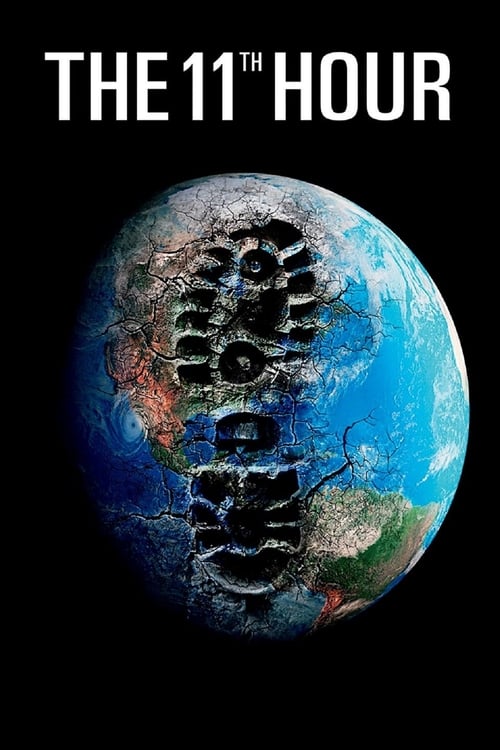
A look at the state of the global environment including visionary and practical solutions for restoring the planet's ecosystems. Featuring ongoing dialogues of experts from all over the world, including former Soviet Prime Minister Mikhail Gorbachev, renowned scientist Stephen Hawking, former head of the CIA R. James Woolse
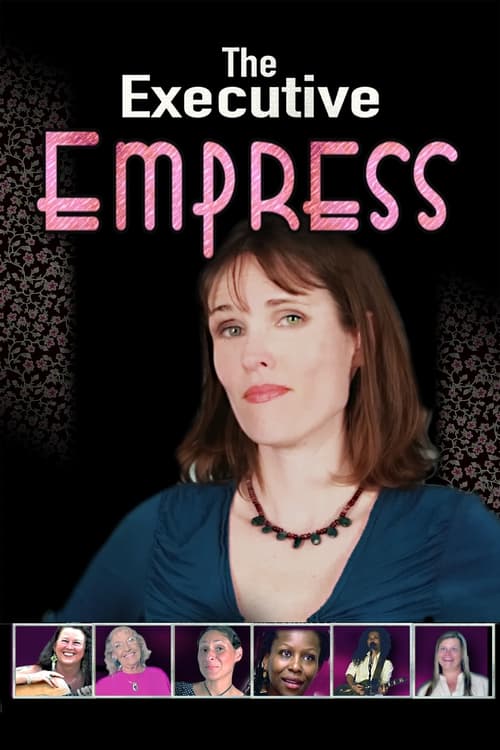
The Executive Empress explores the entrepreneurial lives of several Florida women, who have turned their unique passions into successful businesses.
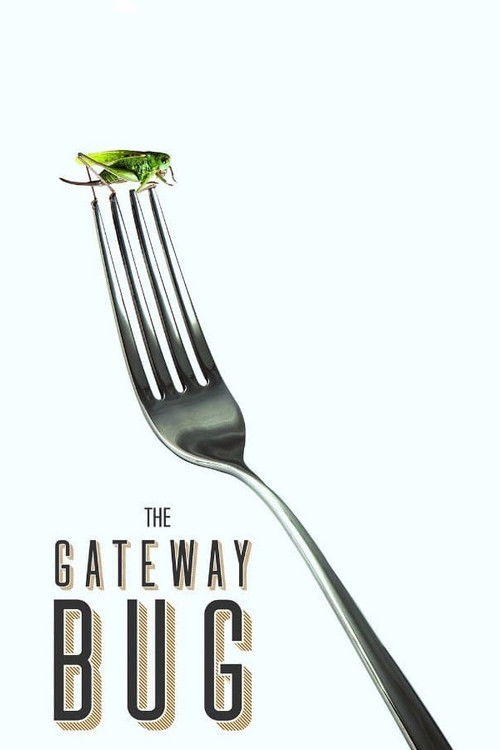
Over 2 billion people on earth eat insects for protein. The Gateway Bug explores how changing daily eating habits can feed humanity in an uncertain age, one meal at a time.
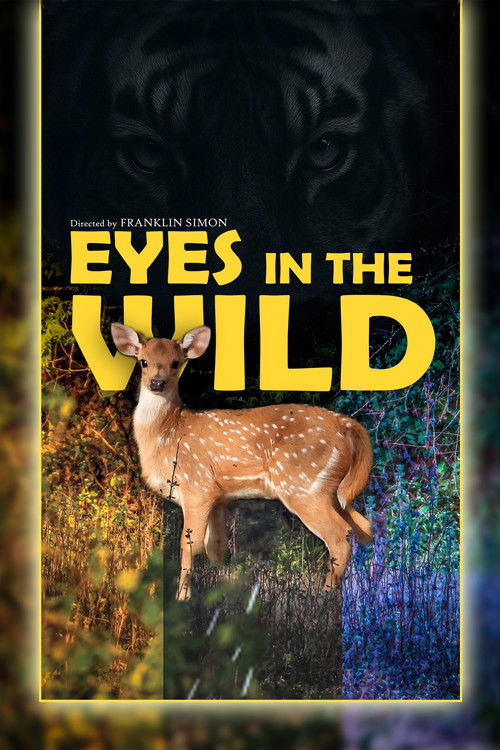
Wildlife Documentary
The story of a brilliant ecologist with a plan to save the world by restoring the planet's forests. His original work was hijacked by corporations and politicians with disastrous effect. Now he's using science to fight back.
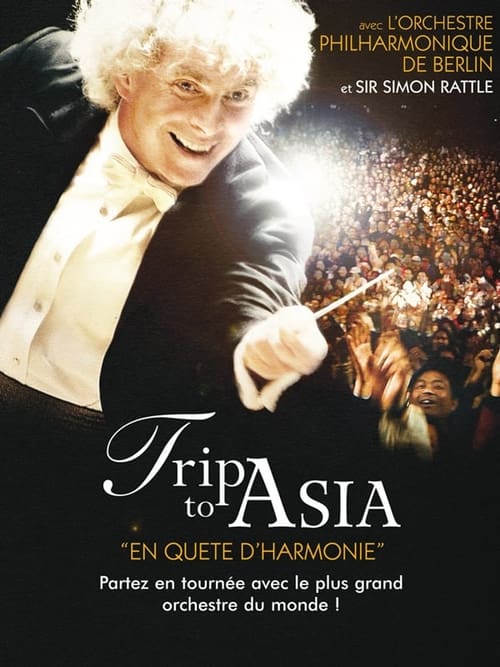
Journey with the musicians of the Berlin Philharmonic and their conductor Sir Simon Rattle on a breakneck concert tour of six metropolises across Asia: Beijing, Seoul, Shanghai, Hong Kong, Taipei and Tokyo. Their artistic triumph onstage belies a dynamic and dramatic life backstage. The orchestra is a closed society that observes its own laws and traditions, and in the words of one of its musicians is, “an island, a democratic microcosm – almost without precedent in the music world - whose social structure and cohesion is not only founded on a common love for music but also informed by competition, compulsion and the pressure to perform to a high pitch of excellence... .” Never before has the Berlin Philharmonic allowed such intimate and exclusive access into its private world.