This short documentary revisits Mi’kmaq territory, where an iconic moment was captured in 2013—igniting into a symbol of Indigenous resistance and halting fracking exploration on unceded lands.
A documentary on the war between the Guatemalan military and the Mayan population, with first hand accounts by Nobel Peace Prize winner Rigoberta Menchú.
The film weaves together the filmmaker's introspections with survivor's collective memories. Amid deciphering a diary, the filmmaker reflects on personal encounters.
A stop-motion documentary that describes the artificial mummification (black and red mummies) of the Chinchorro culture, a pre-hispanic society of fishermen and hunter-gatherers who practiced funeral rites with sophisticated techniques for body preservation 7,000 years ago, originating on the Camarones coast of Chile.
In a dark, ambiguous environment, minuscule particles drift slowly before the lens. The image focuses to reveal spruce trees and tall pines, while Innu voices tell us the story of this territory, this flooded forest. Muffled percussive sounds gradually become louder, suggesting the presence of a hydroelectric dam. The submerged trees gradually transform into firebrands as whispers bring back the stories of this forest.
From a historic genocide trial to the overthrow of a president, the sweeping story of mounting resistance played out in Guatemala’s recent history is told through the actions and perspectives of the majority indigenous Mayan population, who now stand poised to reimagine their society.
ARCTIC SUMMER is a poetic meditation on Tuktoyaktuk, an Indigenous community in the Arctic. The film captures Tuk during one of the last summers before climate change forced Tuk's coastal population to relocate to more habitable land.
The Pine Ridge Indian Reservation has declared a “State of Emergency”, after an outbreak of youth suicides has devastated the community. Due to a lack of Federal assistance, residents have taken prevention efforts into their own hands. A tenacious Oglala Lakota elder takes charge, rallying the community to get involved, while empowering a resilient young group of suicide survivors to band together to help raise awareness.
In the summer of 2000, federal fishery officers appeared to wage war on the Mi'gmaq fishermen of Burnt Church, New Brunswick. Why would officials of the Canadian government attack citizens for exercising rights that had been affirmed by the highest court in the land? Alanis Obomsawin casts her nets into history to provide a context for the events on Miramichi Bay.
Noemí, an Ayuukjä'äy woman reflects on the loss of her native tongue with a voice that blends into day to day life in Cerro Costoche community located in the Mixe mountain rage of Oaxaca.
In the Bella Coola Valley, a haunting legend endures through generations as a filmmaker reckons with whether the stories of her ancestors can survive being held or if they were never meant to be captured.
INAATE/SE/ re-imagines an ancient Ojibway story, the Seven Fires Prophecy, which both predates and predicts first contact with Europeans. A kaleidoscopic experience blending documentary, narrative, and experimental forms, INAATE/SE/ transcends linear colonized history to explore how the prophecy resonates through the generations in their indigenous community within Michigan’s Upper Peninsula. With acute geographic specificity, and grand historical scope, the film fixes its lens between the sacred and the profane to pry open the construction of contemporary indigenous identity.
A documentary film exploring an untold part of Canada’s past through the eyes of Inuk artist and filmmaker Elisapie Isaac. After facing a moral dilemma, Elisapie sets out to meet others who, like her, are “Hudson Baybies,” the children born of the mixed unions between Indigenous women and Hudson’s Bay Company employees working in trading posts and general stores across the North.
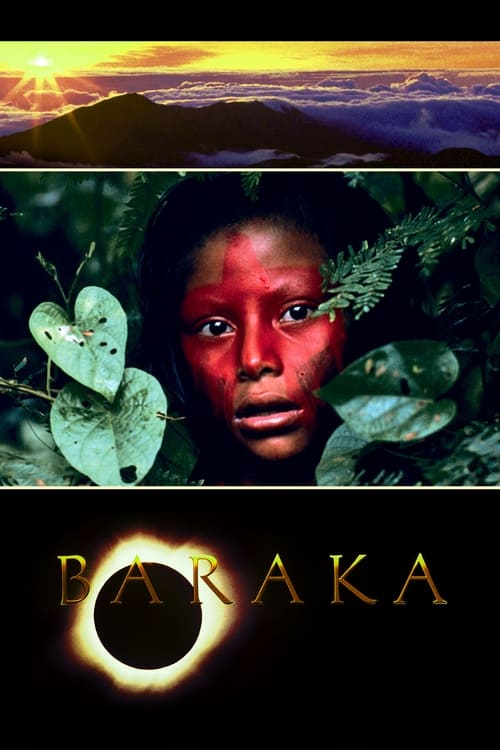
A paralysingly beautiful documentary with a global vision—an odyssey through landscape and time—that attempts to capture the essence of life.
More than an attachment to our territory, the Innu live a filial relationship with Nitassinan, our ancestral homeland. For so many generations, the land has nourished, cared for and raised us. It has inspired our language, our culture, our lifeway and our vision of the world. Throughout the seasons, our ancestors criss-crossed the territory on foot, by canoe or on snowshoes. They knew every river, lake, or stream; every mountain, hill or bog; every camp, trail and portage path. Nomadism forged our people, and the film will record this journey and our history – past, present and future. And while it will attest to our vitality and resilience it is also – and above all – a tribute and a message of respect for the Earth.
Still photographs and narration give an overview of the history of the American Indian.
Poet Layli Long Soldier crafts a searing portrait of her Oyate’s connection to the Black Hills, through first contact and broken treaties to the promise of the Land Back movement, in this lyrical testament to resilience of a nation.